When to visit Innsbruck? City-Trip Guide

Between majestic Alps and urban charm, Innsbruck offers a unique atmosphere depending on the season.

  • 0.13 M population
  • German language
  • 120 days rainy days/year
  • May to September best time to visit
  • 3 to 5 days recommended stay

Climate and weather in Innsbruck

Understanding Innsbruck's continental alpine climate

Innsbruck enjoys a continental alpine climate influenced by its location in the Inn Valley, surrounded by mountains. The valley effect creates marked thermal contrasts and modifies precipitation depending on altitude.

MonthMin Temp (°C / °F)Max Temp (°C / °F)Precipitation (mm)Sunshine (h/day)Tourist TrafficRecommended Activities
January-7°C / 19°F2°C / 36°F453⭐⭐⭐Christmas markets, museums, skiing
February-5°C / 23°F5°C / 41°F404⭐⭐Winter sports, heritage
March-1°C / 30°F10°C / 50°F505⭐⭐Easy hikes, culture
April3°C / 37°F15°C / 59°F606⭐⭐⭐Parks, terraces, cycling
May8°C / 46°F20°C / 68°F807⭐⭐⭐⭐Hiking, gardens, festivals
June12°C / 54°F23°C / 73°F1007⭐⭐⭐⭐⭐Outdoor activities, events
July14°C / 57°F25°C / 77°F1108⭐⭐⭐⭐⭐Festivals, mountains, terraces
August14°C / 57°F24°C / 75°F1007⭐⭐⭐⭐⭐Hiking, outdoor concerts
September10°C / 50°F20°C / 68°F706⭐⭐⭐⭐Autumn colors, culture
October5°C / 41°F15°C / 59°F555⭐⭐⭐Museums, gastronomy
November0°C / 32°F8°C / 46°F503⭐⭐Heritage, markets
December-5°C / 23°F3°C / 37°F452⭐⭐⭐⭐Christmas markets, atmosphere

The Four Seasons

What to do according to the weather

Optimize your stay by choosing your activities according to weather conditions to fully enjoy Innsbruck.

☔ In cloudy/rainy weather

Indoor & sheltered

Rainy days reveal Innsbruck's rich cultural heritage away from the elements.

Must-see sites:
🏰 Ambras Castle (2-3h, 15€, all year)
🏛️ Tyrolean Folk Art Museum (1-2h, 8€, local traditions)
⛪ St. James Cathedral and its frescoes (30min, free)
🎭 Tyrolean State Theater (shows, 20-60€)
🛍️ Maria-Theresien-Strasse shopping galleries
☕ Traditional Viennese cafés (Sacher, Central)
🏛️ Ferdinandeum Museum (art and history, 12€)
🎿 Winter Sports Museum (unique, 10€)

Practical Tip: Online booking recommended to avoid queues. Innsbruck Card (43€/24h) is cost-effective from 3 visits.

Extra Tip: Logically sequence historic center → museums → indoor shopping to minimize travel in the rain.

☀️ In good weather

Optimal outdoor

Sunlight reveals the full splendor of Innsbruck between baroque architecture and alpine panoramas.

Sites to prioritize:
🏔️ Nordkette via funicular (half-day, 35€, 360° panorama)
🏛️ Golden Roof and old town (1h, free, ideal for photos)
🌺 Ambras Castle Gardens (1-2h, included with castle entry)
🚡 Patscherkofel via cable car (3h, 28€, easy hikes)
🏰 Tratzberg Castle (2h, 16€, outdoor guided tour)
🚶 Walk along the Inn river (free, jogging/cycling)
☀️ Altstadt and Maria-Theresien-Strasse terraces
📸 Bergisel viewpoint (Zaha Hadid architecture, 10€)

Best time of day: Sunrise on Nordkette (7am-8am) and golden hour from Bergisel (5pm-7pm in summer).

Seasonal Tip: May-September is optimal, avoid July-August 12pm-4pm in case of high valley heat.

🌤️ Versatile for any weather

Flexible

Sites that adapt to the changing conditions typical of the alpine climate.

Sites combining indoor/outdoor:
🏰 Ambras Castle (interior + gardens depending on weather)
🏛️ Bergisel + Ski Jump Museum (view + exhibition)
⛪ Wilten Basilica (visit + panoramic forecourt)
🎿 Olympiaworld (facilities + indoor spaces)
🏛️ University + botanical gardens (architecture + nature)

Weather Tip: Start with the outdoors in the morning (more stable weather), retreat indoors in the afternoon if storms occur.

Example itinerary: Morning Nordkette if clear → lunch in the center → museums if weather degrades → terrace aperitif if it improves.

💰 Free or economical

No cost

Free sites:
🏛️ Golden Roof (exterior) and old town
⛪ St. James Cathedral and Wilten Basilica
🌊 Walks along the Inn river
📸 Urban viewpoints
🎭 Free summer concerts in parks

Free days: First Sunday of the month for municipal museums, students -50% with ID.

Budget tips: Local markets (Wilhelmsplatz), authentic residential neighborhoods, terrace happy hours 4pm-6pm.

Practical Guide

Essential tips to optimize your city trip to Innsbruck according to alpine climate variations and the specifics of this accessible mountain city.

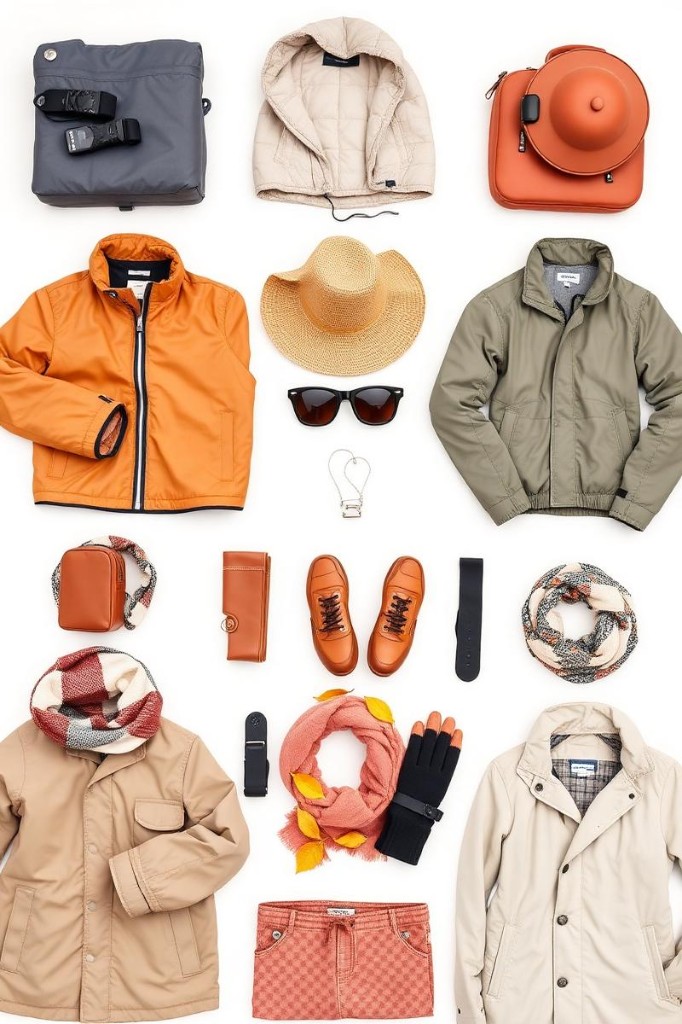
👕 Seasonal packing

Winter: • Non-slip shoes mandatory • Warm coat and multiple layers • Gloves and hat essential • Compact umbrella for melting snow

Spring: • Waterproof walking shoes • Windbreaker and sweater • Light umbrella • Sunglasses (glare)

Summer: • Comfortable urban walking shoes • Light jacket for cool evenings • Rain protection (frequent storms) • High-protection mountain sunscreen

Autumn: • Grippy shoes (slippery leaves) • Waterproof mid-season coat • Scarf for cool evenings • Waterproof bag for electronics
Travel clothing and gear by season

💰 Seasonal budget

PeriodCenter Accommodation (€/night)Transport (€/day)Restaurants (€/day)Attractions (€)Crowds
Winter (Dec-Feb)80-1501535-6040⭐⭐⭐
Spring (Mar-May)70-1201530-5035⭐⭐
Summer (Jun-Aug)120-2001840-7050⭐⭐⭐⭐⭐
Autumn (Sep-Nov)75-1301532-5538⭐⭐⭐

💡 Money-saving tips

Innsbruck Card is cost-effective from 2 days (transport + attractions included, 53€/48h) • Lunches in local Gasthäuser vs tourist restaurants (-30%) • Accommodation in Pradl/Wilten districts vs historic center (-25%) • Free summer concerts in parks and squares • Weekly transport pass is advantageous (16€ vs 2.30€/trip)

🏥 Health and precautions

Moderate altitude (574m / 1,883ft) with no special precautions • Increased hydration in summer (dry mountain air) • High sun protection (snow/rock glare) • Watch out for ice in winter on historic cobblestones • 24h pharmacies: Bäckerstrasse and central station • Intensive walking: suitable footwear mandatory

Major Events

Calendar of Innsbruck's must-see events

Cultural events punctuate life in Innsbruck and transform the urban atmosphere according to the seasons, significantly influencing tourist numbers.

🎄 Innsbruck Christmas Markets (mid-November to January 6th)

Traditional Christmas markets transform the historic center into a true alpine fairy tale, with magical illuminations and authentic wooden chalets.

Location: Maria-Theresien-Strasse, Altstadt, and Marktplatz

Highlight: Market in the medieval old town with views of the illuminated Alps

Climate Impact: Warm atmosphere despite the cold, peak attendance in December, accommodation bookings essential 3 months in advance

Transport: Tram lines 1, 3 to Landestheater stop, shuttle buses from park-and-ride

Tip: Book restaurants and hotels from September, avoid Advent weekends

🎭 Early Music Festival (July-August)

International festival of Baroque and Renaissance music held in historic palaces, creating a unique cultural atmosphere in mid-summer.

Location: Ambras Castle, Imperial Palace, historic churches

Highlight: Concerts in authentic period settings with natural acoustics

Climate Impact: Benefits from ideal summer weather, mild evenings on terraces, high demand for cultural accommodation

Transport: Tram + special evening buses, free parking with shuttles

Tip: Ticket sales open in March, look for combined accommodation + concert packages

🏔️ Alpine Culture Festival (September)

Celebration of mountain traditions with folk music, local crafts, and typical gastronomy in an authentic autumn atmosphere.

Location: Historic center, public squares, Bergisel

Highlight: Fusion of Tyrolean traditions and European alpine cultures

Climate Impact: Enjoy autumn colors, pleasant temperatures, ideal period after the summer rush

Transport: Reinforced public transport, bike-sharing services active

Tip: Moderate booking required, excellent value-for-money period

Seasonal events

Winter: • Four Hills Tournament (January, Bergisel) • Tyrolean Carnival (February-March) • New Year's Concerts (December-January)

Spring: • Spring Festival (April, classical music) • Easter Market (March-April) • Night of Museums (May)

Summer: • Open-air concerts (June-August, parks) • Dance Festival (July) • Cultural White Nights (August)

Autumn: • Local Beer Festival (September) • Gastronomy Festival (October) • Traditional All Saints' Day (November)

Responsible Tourism

Innsbruck promotes sustainable urban tourism that respects its fragile alpine environment and its inhabitants, which is particularly important during peak seasons.

The city encourages priority soft mobility with free public transport for tourists, local businesses valued over international chains, exemplary urban waste management, and respect for residential neighborhoods to avoid overtourism.

🌱 Low-season advantages

Visiting outside of July-August and the Christmas period helps reduce tourist pressure, discover local authenticity, benefit from attractive prices, and minimize the ecological impact of saturated transport.

♻️ Sustainable travel tips

• Prioritize public transport/cycling (Innsbruck Card includes all transport) • Tyrolean family restaurants vs tourist chains • Österreichisches Umweltzeichen certified accommodation • Plastic reduction: public drinking water bottles • Walking prioritized in compact center (15min max) • Alternative circuits in authentic residential neighborhoods

🏙️ Local sustainable initiatives

The city actively develops electric bike-sharing, expanded pedestrian zones in the historic center, reinforced urban greenery, exemplary recycling (7-category sorting), daily local organic markets, and sustainable Alpine ecotourism labels.

Our Recommendations

Personalized recommendations for your city trip to Innsbruck

Summary of our detailed climate analysis and personalized tips to optimize your stay in Innsbruck. Our recommendations balance favorable weather conditions, moderate tourist traffic, rich cultural events, and budget accessibility for a successful alpine urban experience.

🌟 Optimal Period

Recommended Months: May to September

Advantages:
• Ideal climate for urban and mountain activities
• Terraces and beer gardens fully open
• Numerous cultural festivals and open-air events
• Full access to mountain transport
• Long days optimizing sightseeing

Key Events: Early Music Festival (July-August), outdoor concerts, summer markets

Disadvantages: Peak crowds in July-August, high accommodation prices

Ideal Profile: Families, hiking enthusiasts, first-time visitors, cultural stays

Stay Duration: 4-6 days recommended

💡 Interesting Alternative

Alternative Months: April, October, December

Description: Periods offering an excellent compromise between acceptable weather, authentic urban atmosphere, and moderate rates.

Specific Advantages: Fewer tourists for quiet discovery, -30% accommodation prices, quality cultural events (December Christmas markets)

For Whom: Tight budgets, culture lovers, photographers, couples seeking authenticity

👥 Tips for your travel style

Family: June-August, Pradl district, Nordkette activities, Innsbruck Card transport included

Budget: April-May/September-October, Wilten hostels, walking, local markets, free museum Sundays

Culture: May/September, historic center, festivals, museum passes, church concerts

Romantic: December (Christmas), May, charming Altstadt hotels, panoramic terraces, Gasthäuser dinners

Weekend: Any season depending on budget, city center, 24h Innsbruck Card, concentrated major sites

First Trip: June-August optimal, central accommodation, guided tours, unlimited transport

⚠️ Periods to Avoid

Not Recommended: January-February, November

Reasons: Very cold temperatures limiting urban walking, short days (8h of light), partial closure of mountain activities, unstable weather in November

Nuance: January is acceptable for winter sports enthusiasts and authentic post-holiday atmosphere

Villes du même pays

All cities

Frequently Asked Questions

Answers to essential questions to effectively plan your city trip to Innsbruck according to the climate.

What is the best month to visit Innsbruck?

June to August offers optimal conditions with pleasant weather (20-25°C / 68-77°F), cultural festivals, and full access to mountain activities. May and September are excellent alternatives with fewer crowds and moderate prices. Avoid January-February for a first visit (intense cold, short days).

How many days should I plan for Innsbruck?

3-4 days minimum to discover the essentials: historic center, one mountain site (Nordkette), major museums. 5-6 days allow for excursions to neighboring valleys and a relaxed pace. A weekend is possible but intense. Adjust according to the season: winter requires more indoor time, summer allows for a dense outdoor program.

What to do in Innsbruck when it rains?

Innsbruck excels with its indoor cultural offerings: Ambras Castle (a must-see), Tyrolean Folk Art Museum, St. James Cathedral, and Maria-Theresien-Strasse galleries. Traditional Viennese cafés and Gasthäuser offer warm refuges. The Innsbruck Card (43€/24h) optimizes museum visits during gloomy weather.

Which events should not be missed in Innsbruck?

Christmas Markets (November-January) for the magical atmosphere, Early Music Festival (July-August) in historic settings, Alpine Culture Festival (September) for local authenticity. Summer offers free open-air concerts, winter features post-ski entertainment. Check the calendar based on your travel dates.

What budget should I plan for according to the season?

Daily budget summer (June-August): 150-250€/person (accommodation 120-200€, meals 40-70€, transport 18€). Low season (April-May, October): 100-180€/person (-25% accommodation). Christmas: high rates similar to summer. Innsbruck Card (43-53€) is cost-effective from 2 days onwards. Savings: Gasthäuser vs tourist restaurants, peripheral neighborhoods.