Sunny view of Salzburg with the Salzach River and historic buildings under a bright blue sky.
by Song on Unsplash

When to visit Salzburg? City Trip Guide

Between the baroque splendor of its palaces, the magic of Christmas markets, and the excitement of the Festival, Salzburg offers a unique experience in every season.

  • 0.16 M population
  • German language
  • 130 days rainy days/year
  • May to September best time to visit
  • 3 to 5 days recommended stay

Climate and weather in Salzburg

Understanding the alpine continental climate of Salzburg

Salzburg enjoys a temperate continental climate with alpine influences, shaped by its location at the foot of the Alps and the presence of the Salzach River. Winters are cold and often snowy, while summers are warm but rainy. The city experiences regular precipitation throughout the year, with a peak in summer. Its moderate altitude (424 m / 1,391 ft) and mountainous setting make it a destination with marked seasonal contrasts, ideal for a lively city break.

MonthMin Temp (°C / °F)Max Temp (°C / °F)Precipitation (mm / in)Sunshine (h/day)Tourist TrafficRecommended Activities
January-4 / 253 / 3740 / 1.62★★☆☆☆Mozart Week, museums, Old Town in the snow
February-3 / 275 / 4135 / 1.43★★☆☆☆Mozart Week, ice skating, hot chocolate on terraces
March1 / 3410 / 5060 / 2.44★★★☆☆Mirabell Gardens, Mozart residences
April5 / 4115 / 5975 / 3.05★★★☆☆Hellbrunn, walks along the Salzach
May9 / 4819 / 6695 / 3.76★★★★☆Terraces, blooming gardens, cycling by the river
June12 / 5422 / 72130 / 5.17★★★★☆Pre-Festival, Getreidegasse, Hohensalzburg Fortress
July14 / 5724 / 75140 / 5.57★★★★★Salzburg Festival, open-air concerts
August14 / 5724 / 75130 / 5.17★★★★★Festival, Hellbrunn, nearby alpine hikes
September10 / 5020 / 6880 / 3.15★★★★☆Domplatz, museums, autumn atmosphere
October5 / 4114 / 5765 / 2.64★★★☆☆Autumn colors, Residenz, quiet museums
November1 / 347 / 4555 / 2.22★★☆☆☆Advent preparations, shopping, gastronomy
December-2 / 284 / 3945 / 1.81.5★★★★☆Christmas markets, cathedral, festive lights

The seasons in Salzburg

Must-sees according to the weather

Salzburg is best visited by intelligently adapting your program to weather conditions. Indoor sites compete in richness on grey days, while outdoor areas reveal all their splendor under the sun. Here is how to organize your stay according to the day's sky.

☔ On cloudy or rainy days

Indoor & protected: the best of Salzburg in the rain

Salzburg contains a remarkable concentration of museums, residences, and cathedrals that allow you to live an intense cultural day without ever facing the weather. Take the opportunity to explore places that deserve time and attention.

  • 🎻 Mozart's Birthplace (Getreidegasse 9) — 1h30 visit — 12 € — open all year
  • 🏛️ Mozart Residence (Makartplatz 8) — 1h — 12 € — complementary to the birthplace
  • Salzburg Cathedral (Domplatz) — 45 min — free — must-see baroque masterpiece
  • 🖼️ Residence Museum (Residenzplatz) — 1h30 — 13 € — painting gallery and sumptuous state apartments
  • 🎵 Salzburg Philharmonic Museum — 1h — 8 € — ideal for music lovers
  • 🏰 Hohensalzburg Fortress (indoor) — 2h — 13 € — medieval museum at the top of the fortress

Practical tip: Book your Mozart tickets online to avoid queues at entrances, which are frequent on rainy days.

Tip: The Salzburg Card (24h to 72h, 31 to 51 €) gives unlimited access to almost all museums and public transport — very profitable over 2 full days.

☀️ In good weather

Optimal outdoor: Salzburg in the sun

Under a clear sky, Salzburg reveals breathtaking architectural and landscape beauty. The baroque facades shine, the gardens unfold their perspectives, and the terraces on the Salzach invite a contemplative break.

  • 🌸 Mirabell Gardens — 1h — free — best seen in the morning for light and photos
  • 🏰 Hohensalzburg Fortress (exterior & panorama) — 2h — funicular included in the Salzburg Card — stunning view of the Old Town
  • 🌊 Salzach Banks — 1 to 2h walk — free — ideal at sunset
  • 🏛️ Hellbrunn (park and gardens) — 2h — 14 € — water surprises of the baroque palace in summer
  • 🚶 Getreidegasse and Old Town — 2h — free — best light in the late afternoon
  • ⛰️ Mönchsberg (hill and modern art museum) — 1h30 — free access — panorama over the city

Best time of day: The golden hour at the end of the day turns the baroque facades into gold — favor the Residenzplatz between 5 PM and 7 PM in summer.

Seasonal tip: May, June, and September offer the best balance between sunshine, pleasant temperatures, and moderate crowds.

🌤️ Versatile for all weather

Flexible: sites combining indoor and outdoor

These intelligently designed places allow you to adjust your visit according to the whims of the sky, moving naturally from indoors to outdoors depending on the conditions of the moment.

  • 🎠 Hellbrunn Palace & park — indoor (apartments) and outdoor (gardens and water games) — 2h to 3h depending on the weather
  • 🏰 Hohensalzburg Fortress — indoor museum + outdoor ramparts + panorama — 2h to 3h
  • 🎨 Museum der Moderne Mönchsberg — indoor exhibitions + panoramic terrace — 1h30 to 2h

Weather tip: Start with the outdoors early in the morning if the sky is clear, retreat indoors at the first sign of rain. Hohensalzburg Fortress is particularly well suited to this strategy.

Typical itinerary: Morning – Mirabell Gardens and Old Town on foot → Noon – Lunch at Café Tomaselli (historic) → Afternoon – Hohensalzburg Fortress (ramparts then museum if rain) → Evening – Salzach banks at sunset.

💰 Free or economical

No cost: Salzburg without spending

  • Salzburg Cathedral — free — Austrian baroque at its peak
  • 🌿 Mirabell Gardens — free — one of the most beautiful baroque gardens in Europe
  • 🚶 Old Town (Altstadt) — free — UNESCO World Heritage site, to be explored on foot
  • ⛰️ Mönchsberg (hill) — free access on foot — exceptional panorama over the city
  • 🎻 Free concerts in summer — Residenzplatz and Mozartplatz squares — July-August during open rehearsals of the Festival

Days and budget tips: The Salzburg Card becomes profitable from 2 museums visited in the day. The panoramas of the Mönchsberg (accessible for free on foot) rival those of the paid fortress. Stroll on Sunday morning at the Universitätsplatz market for an authentic and free local experience.

Practical Guide

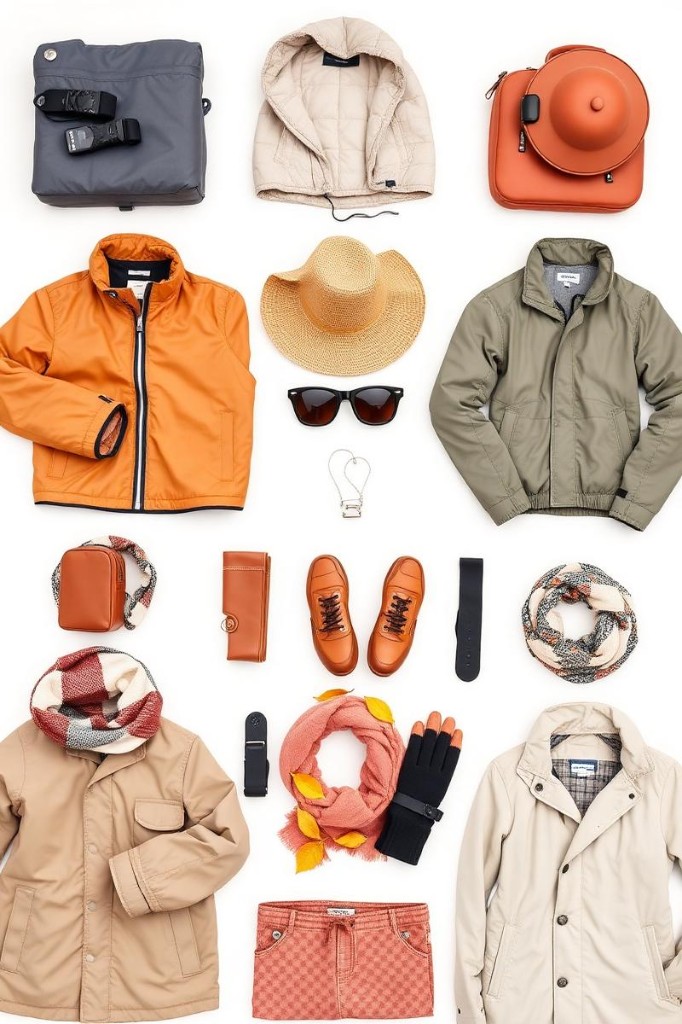
Salzburg is best discovered on foot, which requires comfortable shoes and clothing suitable for alpine weather. Conditions can change quickly, especially in summer with thunderstorms, and in winter with frost. Preparing your gear according to the chosen season is the key to a comfortable and successful city trip in this city of a thousand faces.

👕 Seasonal packing

Spring (March-May): lightweight waterproof walking shoes • waterproof windbreaker • layers (cool mornings, mild afternoons) • compact umbrella • sunglasses

Summer (June-August): breathable comfortable shoes for urban walking • lightweight waterproof jacket essential for alpine storms • light clothing for the day • cardigan for opera evenings (formal attire recommended at the Festival) • sunscreen

Autumn (September-November): waterproof and warm shoes • mid-season coat from October • scarf and hat in November • light raincoat

Winter (December-February): warm coat • waterproof non-slip boots (icy sidewalks) • hat, gloves, and scarf • thermal socks • multiple layers for frequent indoor-outdoor transitions at Christmas markets

Travel clothing and gear by season

💰 Seasonal budget

PeriodCenter Accommodation (€/night)Transport (€/day)Restaurants (€/day)Attractions (€)Crowds
January-February80-1305-1530-5515-30★★☆☆☆
March-April90-1505-1535-6020-35★★★☆☆
May-June120-1805-1540-7025-45★★★★☆
July-August (Festival)180-3505-1545-8030-200+★★★★★
September-October100-1605-1535-6520-40★★★☆☆
December (Christmas)150-2805-1540-7520-40★★★★☆

💡 Money-saving tips

  • Salzburg Card: available for 24h (31 €), 48h (40 €), or 72h (51 €), it includes all public transport and access to over 30 attractions — profitable from 2 museums visited.
  • Restaurants: favor the lunch menu (Mittagsmenü), up to 30% cheaper than dinner, in local Gasthäuser outside tourist zones.
  • Alternative accommodation: the Schallmoos or Lehen districts, 10-15 min walk or bus ride from the center, offer accommodation 30 to 40% cheaper.
  • Budget Festival: open general rehearsals (Generalproben) of the Salzburg Festival are sometimes accessible for free or at a reduced rate — inquire in advance on the official website.
  • Transport: the Salzburg Card includes buses and the fortress funicular — avoid taxis in the city center.

🏥 Health and precautions

  • Urban pollution: low in Salzburg due to its small size, but traffic can increase in summer near main axes.
  • Spring allergies: pollen is very present from April to June in this city surrounded by alpine vegetation — bring your usual treatment.
  • Summer hydration: days of intensive walking can be exhausting in high heat — public fountains are available in the Old Town.
  • Winter ice: the cobblestones of the Old Town become very slippery — non-slip boots are essential from December to February.
  • Alpine storms: in July-August, violent thunderstorms can break out in the late afternoon — monitor local weather and return in time.
  • Pharmacies: several pharmacies (Apotheke) in the city center, including one on Getreidegasse — list of on-call pharmacies available in case of emergency.

Events in Salzburg

Calendar of must-see events in Salzburg

Events deeply shape the experience of a stay in Salzburg. They transform the city, influencing prices, crowds, and the atmosphere — knowing them in advance is essential for proper planning.

🎭 Salzburg Festival — Late July to late August

The Salzburg Festival is one of the most prestigious classical music and opera festivals in the world. Founded in 1920, it turns Salzburg into a global music capital for five weeks: operas, symphonic concerts, and plays take place on some of Europe's most beautiful stages, including the Großes Festspielhaus and the Felsenreitschule carved into the rock.

Location: Historic center, Festival District (Hofstallgasse)

Note: Some shows sell out more than a year in advance — the Festival attracts over 270,000 spectators per edition.

Impact on the city: Maximum crowds, accommodations fully booked and very expensive, exceptional international atmosphere in all streets.

Access: From the central station (Hauptbahnhof), take a bus or walk 20 minutes to the festival center.

Tip: Book accommodation and tickets 6 to 12 months in advance for Festival dates. General rehearsals are a more accessible alternative.

🎻 Mozart Week — Late January (January 26, Mozart's birthday)

The Mozart Week celebrates Wolfgang Amadeus Mozart's birthday (January 27, 1756) every year with a week of exceptional concerts, recitals, and educational events. Organized by the Mozarteum Foundation, it brings together the world's greatest performers in the intimate setting of the Mozarteum's Great Auditorium.

Location: Mozarteum, Stiftung Mozarteum, Schwarzstraße 26

Note: Intimate and demanding musical atmosphere, very different from the summer Festival — a meeting point for true music lovers.

Impact on the city: Moderate crowds but city center hotel prices rise — an ideal time to combine music and winter in Salzburg.

Access: Walking distance from the Old Town, 5 minutes from Mirabellplatz.

Tip: Book your tickets as soon as the box office opens (the previous autumn) — some recitals sell out quickly.

🎄 Salzburg Advent Markets — Late November to late December

The Salzburg Christmas markets are among the most authentic and beautiful in Central Europe. Set up on the Domplatz (in front of the cathedral), on the Residenzplatz, and in front of Hellbrunn Palace, they bathe the baroque Old Town in a unique magical atmosphere. Mulled wine, gingerbread, artisanal decorations, and Christmas concerts make for an unforgettable scene.

Location: Domplatz, Residenzplatz, Mirabellplatz, and Hellbrunn

Note: The Hellbrunn market, decorated with over 900 illuminated trees, is often considered the most beautiful in the region.

Impact on the city: High crowds in December, especially on weekends — accommodation booking is essential 2 to 3 months in advance.

Access: Old Town is accessible on foot; reach Hellbrunn by bus from the center (line 25).

Tip: Prefer a weekday visit to avoid weekend crowds and fully enjoy the atmosphere.

Seasonal events

Spring:

  • 🌸 Easter Festival — March-April — Festspielhaus — high-level concerts and operas
  • 🎻 Mozarteum Concerts — throughout spring — Schwarzstraße — regular classical music program
  • 🌿 Spring Market — April-May — Universitätsplatz — local producers and artisans

Summer:

  • 🎭 Salzburg Festival — late July to late August — historic center — world-class operas and concerts
  • 🎵 Jedermann (open-air theater) — July-August — Domplatz — essential Festival tradition
  • 🎆 Long Night of Museums — October — city-wide — museums open until midnight

Autumn:

  • 🍂 Jazz & the City — October — clubs and city venues — contemporary jazz festival
  • 🎨 Rupertikirtag (St. Rupert's Fair) — late September — Residenzplatz — traditional funfair

Winter:

  • 🎄 Advent Markets — late November to late December — Domplatz, Residenzplatz, Hellbrunn
  • 🎻 Mozart Week — late January — Mozarteum — celebration of Mozart's birthday
  • 🎊 New Year's Eve — December 31 — Old Town — concerts and fireworks

Responsible city trip to Salzburg

Salzburg is a human-sized city particularly sensitive to the impact of mass tourism, especially during the summer Festival. Choosing the right period and adopting eco-friendly practices actively contributes to preserving its exceptional heritage and the quality of life of its inhabitants.

Salzburg relies heavily on soft mobility: self-service bicycles, extended pedestrian zones in the Old Town, and an efficient bus network make it possible to do without a car. Favoring local shops on the Getreidegasse and the Universitätsplatz markets over standardized tourist brands enriches the local economy. The city also encourages waste reduction and selective sorting — respect local instructions even at Christmas markets.

🌱 Low-season advantages

Visiting Salzburg outside of July-August and the Christmas period helps significantly reduce pressure on iconic sites, support local establishments outside of peak times, benefit from fairer prices, and immerse yourself in an authentic local life far from excessive tourist flows.

♻️ Sustainable travel tips

  • Arrive by train from Vienna, Munich, or Innsbruck — Salzburg is excellently served by rail, avoiding flying for European travelers.
  • Use the Salzburg Card which includes all public transport — buses, funicular, boats — to get around the city without a car.
  • Prefer local restaurants (Gasthäuser, Austrian breweries) to purely tourist establishments on the Getreidegasse.
  • Opt for environmentally certified accommodation (Austrian Eco-Label or Green Globe) — several hotels in the center participate.
  • Avoid plastic bottles: tap water is excellent in Salzburg, coming directly from the Alps — fill your water bottle at public fountains.
  • Explore alternative districts (Lehen, Schallmoos) to discover authentic Salzburg life and distribute economic benefits outside of just tourist sites.

🏙️ Local sustainable initiatives

Salzburg has developed a network of self-service bicycles (NextBike) covering the entire city. Pedestrian zones in the Old Town have been expanded, reducing motorized traffic in the heart of the heritage. Weekly organic markets (Grünmarkt) promote regional producers. The city is committed to a plan for urban greening and reducing plastic packaging in public events.

Our recommendations

Recommendations for your city trip to Salzburg

Striking aerial panorama showing the Salzach River winding through the historic architecture of the Austrian city. by Jan on Unsplash

After analyzing climatic, tourist, and cultural data, May, June, and September emerge as the most balanced periods to visit Salzburg. You will find pleasant temperatures for walking, gardens in full beauty, reasonable crowds, and accommodation prices significantly lower than those of the summer Festival. December offers a magical and unique experience with the Advent markets, but requires advance planning. July-August remains a must for music lovers, provided you book well in advance.

Optimal period: May, June, and September

Recommended months: May, June, September

  • Ideal temperatures for exploring the Old Town on foot (15 to 22°C / 59 to 72°F)
  • Mirabell Gardens and Hellbrunn parks in full beauty
  • Moderate crowds — museum visits without excessive waiting
  • Reasonable accommodation prices compared to the Festival peak
  • Long, bright evenings perfect for terraces and strolls

Key events: Mozarteum concerts, start of the Festival in July, pre-festival atmosphere in June.

Disadvantages: June can be rainy; May remains unstable with frequent showers.

Ideal profile: Couples, cultural travelers, first-time visitors, families with children.

Recommended duration: 3 to 4 days.

Interesting alternative: December (Christmas markets)

Alternative months: Late November, first half of December

Salzburg during the Advent season is a rare emotional experience, driven by Christmas markets that are among the most authentic in Central Europe. The baroque Old Town is covered in lights and the scent of mulled wine, creating an atmosphere that summer cannot match. The first half of December is less busy than the second.

Specific advantages: Unique fairy-tale atmosphere, quality artisanal markets, illuminated Hellbrunn, more manageable crowds on weekdays.

For whom: Romantic couples, families with children, travelers looking for an authentic and original festive atmosphere.

👥 Tips for your travel style

Family: May or September — Mirabell Gardens and Hellbrunn (water games in summer), child-friendly museums, walks along the Salzach banks — stay on the outskirts with unlimited bus access via the Salzburg Card.

Budget: January-February (excluding Mozart Week) or October-November — accommodation up to 40% cheaper, museums accessible without waiting — Salzburg Card to optimize every euro.

Culture: July-August (Festival) or January (Mozart Week) — book operas and accommodation at least 6 months in advance — stay in the historic center or 10 min away by bus.

Romantic: December (Christmas markets) or May (blooming gardens) — boutique hotels in the historic center — dinner by the Salzach at sunset.

Weekend / short stay: Spring (April-May) or autumn (September) — 3 days are enough for the essentials — arrival by train from Munich (1h30) or Vienna (2h30).

First trip: June or September — mild weather, all attractions open, relaxed atmosphere — start with the Old Town on foot and climb to the fortress on the first day.

Periods to avoid according to your profile

Months not recommended (in general): November, January, February

Reasons: November is the greyest and least lively time of the year, with few events and very short days. January and February can be extremely cold with little sun, even if the Mozart Week justifies a stay for music lovers.

July-August (to be nuanced): Ideal for the Festival but to be avoided absolutely without prior booking — prohibitive prices, accommodations fully booked months in advance, crowds at iconic sites.

Nuances: January remains an interesting period for classical music lovers (Mozart Week) and for tight budgets wishing to discover Salzburg in the snow.

Villes du même pays

All cities

Frequently Asked Questions

Are you planning your city trip to Salzburg and have questions about the weather, budget, or events? Here are the essential answers to help you plan your stay with peace of mind.

What is the best month to visit Salzburg?

May, June, and September are the most balanced months to visit Salzburg. Temperatures are pleasant (15 to 22°C / 59 to 72°F), the gardens are beautiful, and crowds remain reasonable compared to the Festival weeks. June marks the start of the high cultural season without the crowds of July-August. September offers sublime autumn light on the baroque facades and accommodation at more attractive rates. December is the ideal choice for a magical Christmas experience, provided you book in advance.

How many days should I plan for Salzburg?

3 to 4 days is the ideal duration for a first city trip to Salzburg. This pace allows you to explore the UNESCO-listed Old Town, visit Hohensalzburg Fortress, Mirabell Gardens, Mozart's birthplace, and Hellbrunn Palace without rushing. If you wish to include excursions in the surrounding area — Lake Wolfgangsee, Berchtesgaden, or the Salzkammergut lakes — plan for 5 to 6 days. Music lovers wishing to attend several Festival performances can easily justify a week.

What to do in Salzburg if it rains?

Rain shouldn't worry you in Salzburg: the city is full of quality indoor activities. Mozart's Birthplace (Getreidegasse) and the Mozart Residence (Makartplatz) are each worth one to two hours of your time. The Residence Museum and its European painting gallery is a real highlight. The baroque Salzburg Cathedral is impressive in any weather. Hohensalzburg Fortress also offers a comprehensive indoor museum. Finish with a gourmet coffee at the legendary Café Tomaselli on the Alter Markt — an institution since 1705.

Which events should not be missed in Salzburg?

Three major events structure the Salzburg agenda. The Salzburg Festival (late July to late August) is the most prestigious cultural event: world-renowned operas and concerts in unique baroque settings. The Mozart Week (late January) celebrates Mozart's birthday with a week of intimate concerts at the Mozarteum. Finally, the Advent Markets (late November to late December) transform the Old Town into a fairy-tale scene. The Easter Festival is also a great alternative less known to the general public.

What budget should I plan for according to the season?

The budget varies considerably depending on the season. In the low season (January-February excluding Mozart Week, November), expect 80 to 130 € / night for decent central accommodation. In spring and autumn, plan for 90 to 180 € / night. In July-August (Festival), rates skyrocket: 180 to 350 € / night, or even more for boutique establishments. Add 30 to 50 € per person per day for dining and 30 to 50 € for attractions, optimized with the Salzburg Card. A 3-day stay for two people in high season outside the Festival ranges between 600 and 900 € excluding transport.