When to visit Jeju? City-Trip Guide

A volcanic island with <strong>four distinct seasons</strong>, Jeju offers a unique experience depending on the chosen period.

  • 0.67 M population
  • Korean language
  • 120 days rainy days/year
  • April to June and September to November best time to visit
  • 3 to 5 days recommended stay

Climate and weather in Jeju

Understanding Jeju's subtropical climate

Jeju enjoys a humid subtropical climate influenced by its island location. The volcanic island offers various microclimates depending on altitude, with Mount Hallasan creating significant weather variations between the coasts and the interior.

  • Coastal zone: Mild and humid climate with refreshing sea breezes
  • Central region and Mount Hallasan: Cooler temperatures and increased precipitation depending on altitude
  • South coast: The warmest and sunniest area of the island
MonthMin Temp (°C / °F)Max Temp (°C / °F)Precipitation (mm)Sunshine (h/day)Tourist TrafficRecommended Activities
January3°C / 37°F9°C / 48°F655⭐⭐Museums, spas, gastronomy
February4°C / 39°F10°C / 50°F706⭐⭐Winter festivals, thermal baths
March7°C / 45°F14°C / 57°F956⭐⭐⭐Gentle hiking, gardens
April12°C / 54°F19°C / 66°F857⭐⭐⭐⭐Cherry blossoms, hiking, cycling
May16°C / 61°F23°C / 73°F907⭐⭐⭐⭐Trekking, beaches, festivals
June20°C / 68°F26°C / 79°F1806⭐⭐⭐⭐⭐Water activities, caves
July24°C / 75°F29°C / 84°F2805⭐⭐⭐⭐⭐Beaches, summer festivals
August25°C / 77°F30°C / 86°F2506⭐⭐⭐⭐⭐Swimming, water sports
September21°C / 70°F27°C / 81°F1606⭐⭐⭐⭐Hiking, harvests
October16°C / 61°F22°C / 72°F757⭐⭐⭐⭐Autumn, trekking, golf
November10°C / 50°F17°C / 63°F606⭐⭐⭐Autumn colors
December5°C / 41°F12°C / 54°F505⭐⭐Illuminations, gastronomy

Altitude variations create distinct microclimates: the coasts remain mild while the summit of Mount Hallasan (1,950m / 6,398ft) can be snowy in winter, offering varied climatic experiences in a single day.

The four seasons

Activities according to the weather

Jeju offers a diversity of attractions adapted to every weather condition, allowing you to optimize your stay regardless of the season.

☔ In cloudy/rainy weather

Cultural refuges and relaxation

Rainy days reveal the authentic and contemplative Jeju, perfect for discovering the island's cultural richness.

Recommended sites:
🏛️ Jeju National Museum (2h, 3000₩, all year)
🎨 Contemporary Art Museum (1h30, 1000₩, temporary exhibitions)
🌊 Hanwha Aquarium (2h, 26000₩, dolphin shows)
💎 Glass Museum (1h, 9000₩, creative workshops)
♨️ Spirited Garden Thermal Baths (3h, 13000₩, indoor gardens)
🛍️ Sinjeju shopping centers (shopping, restaurants)

Practical tip: Book workshops online, museum pass available

Tip: Combine geographically close museums, free shuttles between some sites

☀️ In good weather

Natural treasures outdoors

The sun reveals all the volcanic splendor of Jeju and its unique landscapes.

Must-see sites:
🏔️ Mount Hallasan - Baengnokdam Crater (6-8h, sunrise optimal)
🌊 Hyeopjae Beach - white sand (all day, sunset)
🗿 Seongsan Ilchulbong - sunrise (2h, 5000₩)
💎 Manjanggul Cave (1h, 4000₩, natural coolness)
🌸 Spirited Garden (2h, 13000₩, April-May optimal)
🚶 Olle Trail - coastal circuits (half-day)

Best time: Sunrise at Seongsan, golden hour on the west beaches

Seasonal tip: Avoid July-August for Hallasan (heat), favor autumn-spring

🌤️ Versatile for all weather

Flexibility guaranteed

Sites offering indoor/outdoor alternatives depending on changing weather conditions.

Adaptable sites:
🎡 Hallim Park (gardens + caves, 15000₩)
🐴 Equestrian Park + museum (indoor/outdoor activities)
🌺 Yeomiji Botanical Gardens (greenhouses + outdoor, 12000₩)
🏛️ Folk Village (traditional buildings + outdoor)
🍊 Citrus farms (picking + indoor tasting)

Weather tip: Start outdoors if morning sun, retreat indoors if weather degrades

Typical itinerary: Gardens in the morning, museums in the afternoon, flexibility according to weather

💰 Free or economical

Discoveries without cost

Free experiences:
🚶 Olle trails (21 marked free routes)
🌊 All public beaches on the island
🏛️ Traditional Dongmun and Seogwipo markets
🌸 Public parks and municipal gardens
📸 Panoramic viewpoints (Seopjikoji, cliffs)

Free days: Some museums are free on the last Wednesday of the month

Budget tips: Picnics on the beaches, free hikes, seasonal street festivals

Practical Guide

Jeju requires preparation adapted to island climatic variations and the specificities of this unique volcanic territory. The island offers microclimates depending on altitude and exposure, making a versatile wardrobe essential.

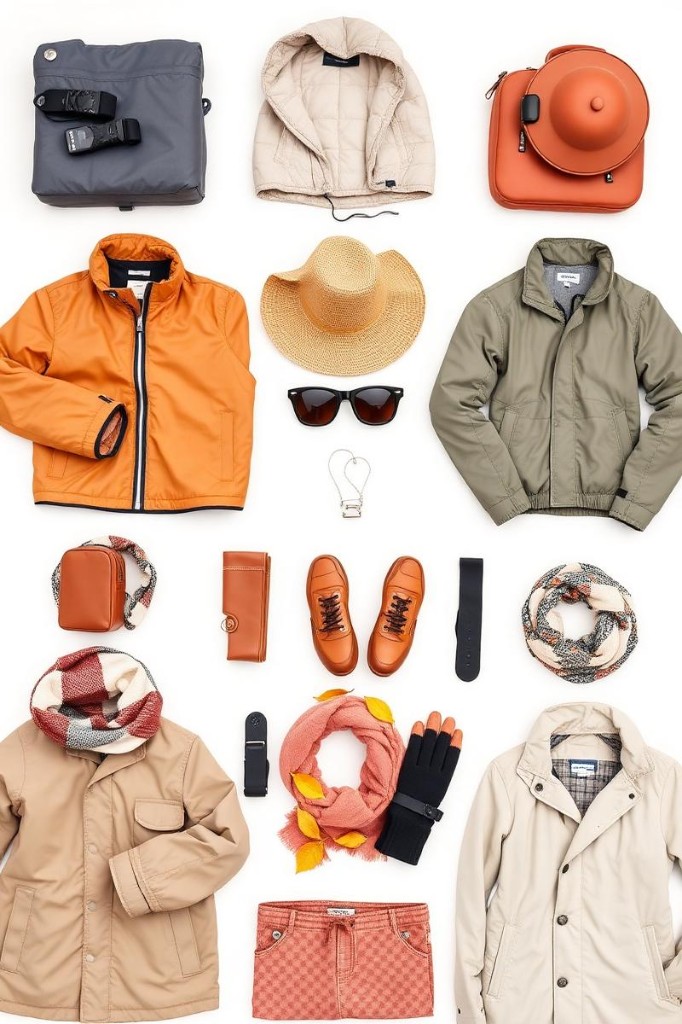
👕 Seasonal packing

Spring (March-May): • Modular layers (t-shirt + sweater + light jacket) • Waterproof hiking shoes • Windbreaker for Mount Hallasan • Sun protection

Summer (June-August): • Light and breathable clothing • Compact raincoat (monsoon) • Quick-drying shoes • Hat and sunglasses • Swimsuit

Autumn (September-November): • Layering • Warm jacket for evenings • Non-slip shoes • Accessories for photos (autumn colors)

Winter (December-February): • Warm coat and windbreaker • Thermal underwear for Hallasan • Waterproof shoes • Thermal bath accessories (swimsuit, towel)
Travel clothing and gear by season

💰 Seasonal budget

PeriodCity Accommodation (€/night)Transport (€/day)Restaurants (€/day)Attractions (€)Traffic
Winter (Dec-Feb)45-8015-2525-4015-30⭐⭐
Spring (Mar-May)60-12020-3030-5020-40⭐⭐⭐⭐
Summer (Jun-Aug)100-20025-3540-6525-45⭐⭐⭐⭐⭐
Autumn (Sep-Nov)70-13020-3030-5020-40⭐⭐⭐⭐

💡 Money-saving tips

Transport pass: Rechargeable T-money card for buses and economical bike rentals • Meals: Local markets are 50% cheaper than tourist restaurants • Accommodation: Family guesthouses outside the city center, early summer booking • Activities: Free Olle trails, public beaches, street festivals • Shopping: Airport duty-free, local specialties (green tea, Hallabong chocolate)

🏥 Health and precautions

Hiking: Increased hydration, high-altitude UV protection, shoes adapted to volcanic terrain • Summer: High-SPF sunscreen, constant hydration, watch out for jellyfish • Winter: Strong coastal winds, hypothermia possible at altitude • General: 24h pharmacies in Jeju City, travel insurance recommended, local emergency numbers

Events and festivals

Jeju's must-see event calendar

Jeju festivals punctuate the island's year and offer an authentic immersion into traditional and contemporary Korean culture.

🌸 Cherry Blossom Festival (Early April)

A major spring celebration transforming the island into a pink and white paradise. Japanese and Korean cherry trees create a breathtaking natural spectacle, especially around Mount Hallasan and urban parks.

Location: Hallim Park, Jeju National University, Olle trails

Highlight: Simultaneous blooming with yellow canola fields creating a unique color contrast

Climate impact: Spring tourist peak, accommodation bookings essential, ideal mild temperatures

Access: Special tourist buses, increased bicycle rentals

Tip: Book 2 months in advance, festival is weather-dependent (blooming varies)

🏊 Jeju International Summer Festival (July-August)

A major summer event combining water sports, concerts, and gastronomy. Festive atmosphere on the beaches with surfing competitions, water shows, and tastings of local seafood.

Location: Iho Beach, Hyeopjae Beach, Jeju City center

Highlight: Fusion of Korean culture and international influences, outdoor K-pop concerts

Climate impact: Hottest period, high traffic, maximum prices, electric atmosphere

Access: Free shuttles between sites, increased paid parking

Tip: Book accommodation 3 months in advance, sun protection is essential

🍊 Hallabong and Citrus Festival (January-February)

Winter celebration of Jeju's iconic citrus fruits, particularly the Hallabong mandarin. Tasting, culinary workshops, and discovery of traditional agricultural techniques in a warm winter atmosphere.

Location: Farms, Seogwipo markets, cultural centers

Highlight: Only harvest period for Hallabong, a fruit exclusive to Jeju

Climate impact: Low tourist season, attractive prices, maximum authenticity, mild weather

Access: Organized farm tours, normal public transport

Tip: Perfect for discovering authentic Jeju, direct purchases from producers

Seasonal events

Spring: • Canola Festival (March-April, yellow fields) • Haenyeo Women Divers Festival (May) • Jeju International Marathon (April)

Summer: • Boryeong Mud Festival (July, beaches) • Cultural White Nights (August) • International surfing competitions (July-August)

Autumn: • Hallasan Autumn Colors Festival (October) • Sweet potato harvest (November) • Seafood gastronomy festival (September)

Winter: • New Year illuminations (December-January) • Thermal and wellness festival (January-February) • Lunar New Year celebrations (February)

Responsible tourism in Jeju

Jeju, a UNESCO biosphere reserve, requires an approach that respects its fragile volcanic ecosystem and centuries-old island traditions.

The volcanic island faces the challenges of summer overtourism impacting its marine and terrestrial ecosystems. Prioritizing slow transport, supporting the local economy of the Haenyeo (women divers), and respecting natural sites preserves this unique world heritage.

🌱 Low-season advantages

Visiting Jeju outside of summer helps reduce tourist pressure, discover island authenticity, support the local economy during the off-season, and enjoy fair rates while preserving ecosystems.

♻️ Sustainable travel tips

Transport: Electric bikes, public buses, carpooling, walking on Olle trails • Accommodation: Family guesthouses, certified eco-lodges, avoid all-inclusive resorts • Food: Local restaurants, producer markets, Jeju specialties, plastic reduction • Activities: Local guides, respect marine life, marked trails only • Shopping: Local crafts, Haenyeo products, avoid imported souvenirs

🏙️ Local sustainable initiatives

Jeju is developing green tourism: self-service electric bikes, protection of nesting sites, eco-tourism certification, Haenyeo culture preservation, renewable energy (wind), reinforced waste management, and visitor awareness regarding volcanic ecosystems.

Our recommendations

Recommendations for your city-trip to Jeju

After analyzing climatic data, tourist traffic, and cultural events, our recommendations adapt to your priorities: optimal weather, controlled budget, cultural authenticity, or specific activities. Jeju reveals different facets depending on the season, allowing for tailor-made experiences.

🌟 Optimal period: April-May and September-October

Recommended months: April, May, September, October

Advantages:
• Ideal climate (15-25°C / 59-77°F) for all activities
• Spectacular spring blooms or autumn colors
• Moderate traffic allowing for a peaceful visit
• Reasonable accommodation and flight rates
• Perfect conditions for Hallasan hiking

Key events: Cherry Blossom Festival (April), Autumn Colors (October)

Disadvantages: Some spring showers, early booking necessary

Ideal profile: Hikers, photographers, couples, first-time travelers

Stay duration: 4-5 days recommended

🌤️ Interesting alternative: March and November

Alternative months: March, November

Description: Transition periods offering an excellent compromise between acceptable weather, attractive rates, and authentic discovery of the island without the summer crowds.

Specific advantages: Accommodation prices -30%, fewer tourists, authentic local experience, beginning/end of colorful seasons

For whom: Flexible travelers, tight budgets, tranquility seekers, photographers

👥 Tips for your travel style

Family: April-May or September, safe beaches, educational activities, Seogwipo accommodation

Budget: November-March, guesthouses, public transport, local markets

Culture: All year, museums, traditional villages, seasonal festivals

Romantic: April or October, sunsets, thermal baths, gourmet restaurants

Weekend: March-May and September-November, direct flight, condensed itinerary

First trip: April-May, mild weather, must-see sites, English-speaking guides available

⚠️ Periods to avoid: July-August

Discouraged months: July, August

Reasons: Intense heat, monsoon and typhoons possible, extreme overtourism, prohibitive prices (+100%), difficult bookings

Nuances: Acceptable for families with school-aged children, summer festival enthusiasts, comfortable budgets

Villes du même pays

All cities

Frequently Asked Questions

Answers to essential questions to plan your discovery of Jeju according to your climatic and cultural priorities.

What is the best month to visit Jeju?

April and October offer optimal conditions: mild temperatures (18-22°C / 64-72°F), low precipitation, spectacular blooms, or autumn colors. Traffic remains moderate and rates reasonable. May is also suitable but with more visitors. Avoid July-August (overtourism, heat, monsoon) unless you are visiting for summer festivals.

How many days should I plan for Jeju?

4-5 days allow you to discover the essentials: Mount Hallasan, iconic beaches, volcanic caves, traditional villages. 3 days are enough for a concentrated overview, 7 days for an in-depth exploration including Olle trails and cultural experiences. The island's size (60km / 37 miles) makes travel easy.

What to do in Jeju when it rains?

Jeju offers excellent indoor alternatives: Hanwha Aquarium, contemporary art museums, Sinjeju shopping centers, natural thermal baths, Manjanggul caves (constant cool temperature), culinary workshops, and traditional spas. Yeomiji Botanical Gardens offer tropical greenhouses. Perfect for discovering authentic local culture.

Which events should not be missed in Jeju?

Cherry Blossom Festival (April) for spectacular blooms, Hallabong Festival (January-February) for winter authenticity and tasting exclusive citrus, Hallasan Autumn Colors (October) for flamboyant landscapes. Summer festivals are vibrant but very crowded. Each season offers unique cultural events.

What budget should I plan according to the season?

Winter (Dec-Feb): 85-145€/day • Spring/Autumn: 130-240€/day • Summer: 190-345€/day. Includes accommodation, meals, transport, attractions. Savings possible: guesthouses (-40%), public transport, local markets, free trails. Early summer booking is mandatory, negotiation possible in low season.