When to visit South Korea? Complete Guide

Between freezing winters and tropical summers, South Korea reveals four distinct climatic faces.

  • 51.8 million population
  • Korean language
  • 115 days rainy days/year
  • April to June and September to November best time to visit
  • 7 to 14 days recommended stay

Weather and Climate in South Korea

Understanding the humid continental climate of the Korean Peninsula

South Korea features four distinct climate zones influenced by its position between the Asian continent and the Pacific Ocean. Central mountains and monsoon patterns create marked regional variations that completely transform the travel experience depending on the chosen season.

  • Seoul and central region: Continental climate with harsh winters and hot, humid summers
  • Southern coast and Jeju Island: Milder subtropical zone with temperate winters and prolonged summers
  • East coast: Moderating maritime influence with significant winter precipitation
  • Central mountains: Mountainous climate with cooler temperatures and heavy snowfall
MonthTemperature (°C / °F)Precipitation (mm / in)Conditions
January-6 to 1°C / 21 to 34°F25 / 1.0Dry cold, snow
April8 to 19°C / 46 to 66°F95 / 3.7Mild, blossoms
July22 to 29°C / 72 to 84°F370 / 14.6Hot and humid, monsoon
October11 to 20°C / 52 to 68°F50 / 2.0Cool and dry, autumn colors

Altitude significantly influences temperatures: the Taebaek and Sobaek mountains create microclimates with variations of 5 to 10°C / 9 to 18°F compared to coastal plains.

The Four Korean Seasons

Climate by Region in South Korea

Korean geography creates distinct regional microclimates. Between central mountains, maritime coasts, and subtropical islands, each region reveals its own climatic specificities that directly influence your travel itinerary.

🏙️ Seoul and Gyeonggi Region

The country's economic and cultural heart features a typical continental climate with marked seasonal variations. Seoul amplifies climatic extremes through its urban heat island effect, making summers more stifling and winters harsher.

PeriodWeatherTemperature (°C / °F)Recommended Activities
SpringMild, blossoms8-20°C / 46-68°FPalaces, parks, cherry blossoms
SummerHot and humid22-30°C / 72-86°FMuseums, shopping, festivals
AutumnPerfect10-22°C / 50-72°FHiking, heritage
WinterDry cold-5-2°C / 23-36°FIndoor markets, spas

Specifics: Air pollution in winter, urban heat island in summer, excellent accessibility all year round.

🌊 Southern Coast and Jeju Island

The southern region benefits from a subtropical climate milder than the rest of the country. Jeju, nicknamed the 'Korean Hawaii,' offers near-tropical conditions with mild winters and summers cooled by sea breezes.

PeriodWeatherTemperature (°C / °F)Recommended Activities
SpringMild maritime12-22°C / 54-72°FHiking, botanical gardens
SummerHot and breezy24-28°C / 75-82°FBeaches, diving, festivals
AutumnExtended ideal15-25°C / 59-77°FTrekking, heritage
WinterMild5-12°C / 41-54°FHot springs, culture, nature

Specifics: Favorable extended season, fewer extreme variations, ideal for beach stays and relaxation.

⛰️ Central Mountains (Gangwon)

The mountainous Gangwon province features an alpine climate with particularly harsh and snowy winters. This region, which hosted the 2018 Winter Olympics, offers the best conditions for winter sports and summer high-altitude hiking.

PeriodWeatherTemperature (°C / °F)Recommended Activities
SpringLate cool5-18°C / 41-64°FHiking, temples
SummerPleasantly cool18-26°C / 64-79°FTrekking, national parks
AutumnSpectacular foliage8-20°C / 46-68°FPhotography, nature
WinterSnowy cold-12-0°C / 10-32°FSkiing, winter sports

Specifics: Guaranteed snow in winter, appreciable summer coolness, exceptional mountain landscapes.

🌅 East Coast (Gyeongsang)

The eastern coast benefits from a temperate maritime climate with winters milder than the interior and summers less stifling. This historic region combines exceptional cultural heritage with favorable climatic conditions for much of the year.

PeriodWeatherTemperature (°C / °F)Recommended Activities
SpringEarly mild10-21°C / 50-70°FTemples, UNESCO heritage
SummerHot and dry23-29°C / 73-84°FCoasts, traditional festivals
AutumnExtended perfect12-23°C / 54-73°FCulture, gastronomy
WinterMild maritime0-8°C / 32-46°FHeritage, hot springs

Specifics: Most stable climate in the country, exceptional historical heritage, renowned maritime gastronomy.

Practical Guide for South Korea

Traveling in South Korea requires preparation adapted to extreme climate variations. From Siberian winters to tropical summers, here are our practical recommendations to optimize your stay according to the chosen season.

👕 Seasonal packing

Spring (March-May):

  • Layered clothing (t-shirt, sweater, light jacket)
  • Comfortable walking shoes
  • Dust mask for March
  • Light raincoat

Summer (June-August):

  • Light, breathable cotton clothing
  • Sturdy umbrella (essential)
  • Waterproof shoes
  • High-SPF sunscreen

Autumn (September-November):

  • Versatile mid-season clothing
  • Warm jacket for November
  • Hiking shoes
  • Camera (exceptional light)

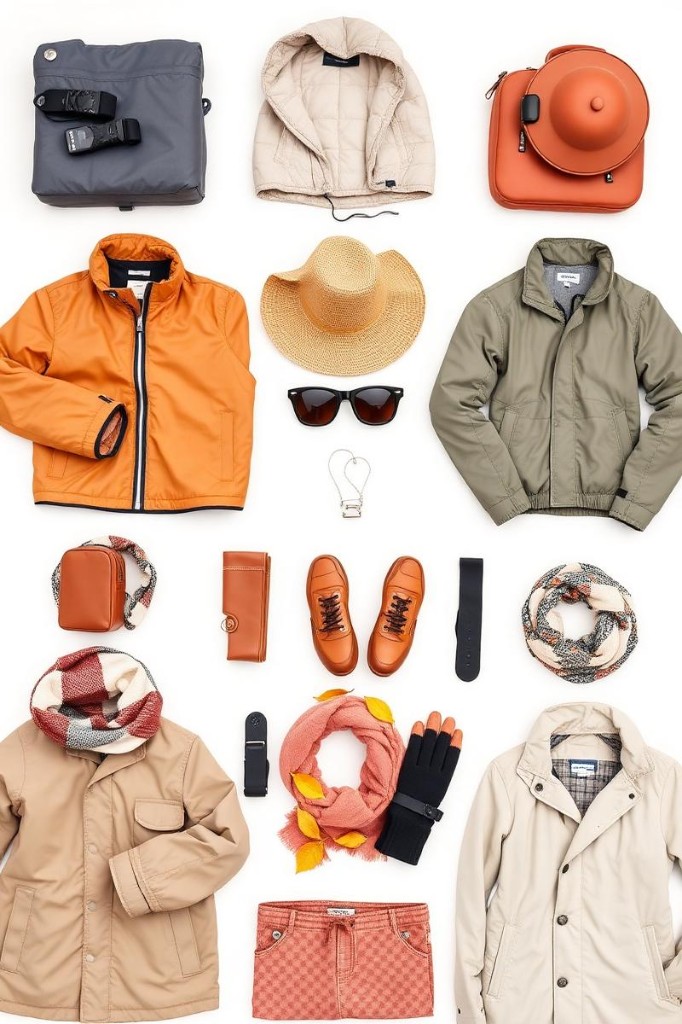
Winter (December-February):

  • Heavy-duty coat (-15°C / 5°F)
  • Thermal underwear
  • Hat, gloves, scarf
  • Non-slip shoes
Travel clothing and gear by season

💰 Seasonal budget

PeriodAccommodation (€)Transport (€)Activities (€)Crowds (/5)Budget Tips
Spring80-15060-10040-804/5Book 2 months in advance
Summer70-13050-9050-903/5Avoid July-August
Autumn90-18070-12045-855/5Book very early
Winter60-11040-8035-702/5Best rates

💡 Money-saving tips

  • Avoid October-November: the most expensive time of year
  • Prioritize January-February: up to 40% off on accommodation
  • Book 3 months in advance for blossom periods
  • Use seasonal transport passes to save on travel
  • Enjoy free festivals during the winter low season

🏥 Health and precautions

  • Spring: Anti-pollution masks, antihistamines for pollen allergies
  • Summer: SPF50+ sunscreen, increased hydration, mosquito repellent
  • Autumn: Clothing adapted to temperature fluctuations, hiking first-aid kit
  • Winter: Moisturizing creams for dry cold, Vitamin D supplements, hand warmers
  • All year: Travel insurance, personal pharmacy, up-to-date vaccinations

Events & Festivals in South Korea

Cultural calendar and festivities not to be missed in South Korea

Korean seasonal festivals pace the year and reveal the country's cultural soul, with each season bringing its own unique celebrations.

🌸 Cherry Blossom Festival

Period: April

The most iconic event in South Korea transforms the country into a giant garden. Millions of cherry trees bloom simultaneously, creating a natural spectacle of striking beauty. The festive atmosphere takes over parks and streets with traditional picnics and family celebrations.

Locations: Yeouido Park (Seoul), Jinhae, Gyeongju

Special feature: Ephemeral bloom lasting only 7-10 days

Climate impact: Dependent on spring temperatures; dates vary by weather

🎭 Boryeong Mud Festival

Period: July

This world-unique festival celebrates the therapeutic properties of marine mud. Despite the summer heat, millions of visitors gather for giant mud baths and refreshing activities on Daecheon Beach.

Location: Boryeong, west coast

Special feature: International festival blending wellness and celebration

Climate impact: Perfect activity to combat summer heat

🍂 Seoul Lantern Festival

Period: November

When autumn adorns Seoul with vibrant colors, thousands of lanterns illuminate the Cheonggyecheon Stream. This magical event combines Buddhist tradition and contemporary art in a breathtaking light show.

Location: Historic center of Seoul

Special feature: Asia's largest lantern festival

Climate impact: Cool autumn temperatures create the perfect atmosphere

Seasonal events

Spring: • Azalea Festival (May) • Buddha's Birthday (May) • Jinhae Festival (April)

Summer: • Busan Festival (August) • Pentaport Rock Festival (July) • Seoul Fireworks Festival (October)

Autumn: • Andong Festival (September) • Naejangsan Colors Festival (November) • Seoul Lantern Festival (November)

Winter: • Hwacheon Ice Festival (January) • Illumination Festival (December) • Lunar New Year (February)

Responsible Travel in South Korea

Discovering South Korea in an eco-responsible way helps preserve its fragile ecosystems while supporting local communities according to the specificities of each season.

South Korea is actively developing sustainable tourism with initiatives that respect its natural cycles. From spring bird migrations to winter mountain ecosystems, each season requires a responsible approach adapted to minimize environmental impact.

🌱 Low-season advantages

Traveling in the winter low season significantly reduces your carbon footprint, lessens pressure on natural sites, and allows for an equitable redistribution of tourism's economic benefits.

♻️ Sustainable travel tips

  • Transport: Prioritize excellent public transport, KTX trains rather than domestic flights
  • Accommodation: Choose establishments certified Green Stay Korea
  • Food: Consume local and seasonal products, avoid food waste
  • Nature: Respect marked trails, do not pick flowers during blossom seasons
  • Waste: Strict sorting system to be respected
  • Water: Conserve this precious resource, especially during dry periods

🏙️ Local sustainable initiatives

South Korea leads innovative environmental projects: restoration of the Cheonggyecheon Stream, zero-waste national parks, renewable energy on islands, community reforestation programs, and wetland preservation for avian migration.

Our Expert Recommendations

Expert recommendations for your trip to South Korea

After analyzing climatic data and our field experience, we offer personalized recommendations based on your travel priorities. South Korea reveals radically different faces depending on the season, requiring planning adapted to your expectations and traveler profile.

🏆 Optimal Period: October - November

Advantages:

  • Perfect temperatures (15-22°C / 59-72°F) for all activities
  • Spectacular autumn foliage
  • Crystal clear skies and exceptional light
  • Minimal precipitation
  • Ideal conditions for hiking and photography

Disadvantages: Very popular period, high prices

Ideal profile: Travelers seeking the best weather conditions

🌸 Balanced Alternative: April - May

Months: April to May

Description: Spring offers an excellent compromise with exceptional blossoms and pleasant temperatures, despite high crowds in April.

Specific advantages: Cherry blossoms, nature's rebirth, spring festivals, fresh air after winter

👥 Tips for your travel style

👨‍👩‍👧‍👦 Family: Prioritize April-May and September-October, avoid climate extremes

💰 Budget: January-February for best rates, avoid October-November

🏃‍♂️ Adventure: May-June and September for hiking, December-February for winter sports

🏨 Luxury: October-November for optimal conditions, April for blossoms

📸 Photographer: October for foliage, April for cherry blossoms, January for snowy landscapes

⚠️ Periods to Avoid

  • July-August: Stifling heat, extreme humidity, rainy season
  • January-February: Siberian cold, icy winds (except for winter sports enthusiasts)
  • March: Yellow dust, unstable weather

Cities to explore

Discover the must-sees of urban travel

All cities

Frequently Asked Questions

Find answers to essential questions for planning your trip to South Korea according to weather conditions.

When is the best time to see the cherry blossoms?

Cherry blossoms primarily bloom in April, with variations by region: late March in Jeju, early April in the south, and mid-April in Seoul. This 7-10 day ephemeral period requires precise and flexible planning.

How can I avoid the summer rainy season?

The monsoon (jangma) generally lasts from late June to late July. To avoid heavy rainfall, prioritize May-early June or August-September. If traveling in summer, prepare with appropriate waterproof gear.

Is winter too harsh to visit South Korea?

The Korean winter is indeed harsh (-5 to -15°C / 23 to 5°F) but offers unique experiences: winter sports, snowy landscapes, ice festivals, and comfort food. With proper gear, it is a magical and budget-friendly season.

When is the best weather for visiting?

October and November offer optimal weather conditions: mild temperatures (15-22°C / 59-72°F), low precipitation, spectacular foliage, and clear skies. It is the ideal period, but also the most popular.

How much time should I plan for a first trip?

For a first visit, allow at least 10-14 days: 4-5 days in Seoul, 2-3 days in Busan, 2-3 days in Jeju, and 2-3 days in a cultural region (Gyeongju or Andong). This duration allows you to experience the country's diversity.