When to visit Seoul? City-Trip Guide

Between millennial traditions and futuristic modernity, Seoul reveals unique atmospheres depending on the season.

  • 9.7 M population
  • Korean language
  • 115 days rainy days/year
  • from March to May and September to November best time to visit
  • 4 to 7 days recommended stay

Climate and weather in Seoul

Understanding Seoul's humid continental climate

Seoul enjoys a humid continental climate with four distinct seasons. The urban heat island effect accentuates summer temperatures, while the surrounding mountains influence precipitation. The summer monsoon brings heat and humidity, contrasting with dry, cold winters.

MonthMin Temp (°C / °F)Max Temp (°C / °F)Precipitation (mm / in)Sunshine (h/day)Tourist TrafficRecommended Activities
January-6°C / 21°F1°C / 34°F21mm / 0.8in6⭐⭐Museums, palaces, shopping
February-4°C / 25°F5°C / 41°F24mm / 0.9in6⭐⭐Temples, covered markets
March1°C / 34°F11°C / 52°F46mm / 1.8in6⭐⭐⭐Parks, cherry blossoms
April7°C / 45°F18°C / 64°F77mm / 3.0in7⭐⭐⭐⭐Walking, terraces
May13°C / 55°F24°C / 75°F102mm / 4.0in7⭐⭐⭐⭐Festivals, urban hiking
June18°C / 64°F27°C / 81°F133mm / 5.2in6⭐⭐⭐Rooftops, Han River
July22°C / 72°F29°C / 84°F327mm / 12.9in4⭐⭐⭐Malls, aquariums
August23°C / 73°F30°C / 86°F348mm / 13.7in5⭐⭐⭐Pools, cinemas, spas
September17°C / 63°F26°C / 79°F138mm / 5.4in6⭐⭐⭐⭐Palaces, historic districts
October10°C / 50°F20°C / 68°F49mm / 1.9in7⭐⭐⭐⭐⭐Autumn foliage
November3°C / 37°F12°C / 54°F53mm / 2.1in6⭐⭐⭐Markets, street food
December-3°C / 27°F4°C / 39°F22mm / 0.9in6⭐⭐Illuminations, Christmas markets

The Four Seasons

Attractions by Weather

Optimize your stay in Seoul by choosing activities based on weather conditions to fully enjoy the urban treasures.

☔ On cloudy/rainy days

Indoor & protected

Rainy days reveal underground Seoul and its sheltered cultural wonders.

Must-see sites:
🏛️ National Museum of Korea (3h, 6€, all year)
🛍️ Myeongdong Underground Shopping (2h, free, avoid weekends)
🎭 Nanta Theater (1h30, 45€, booking recommended)
🐠 COEX Aquarium (2h, 25€, less crowded on weekdays)
🎨 Dongdaemun Design Plaza (2h, free, paid exhibitions)
🛒 Lotte World Mall (half-day, free, air-conditioned)
📚 Starfield Library (1h, free, Instagram-friendly)

Practical Tip: Book online to avoid queues and take advantage of multi-museum passes.

Extra Tip: Chain together several underground sites connected by the subway to stay dry all day.

☀️ In good weather

Optimal outdoor

The sun turns Seoul into an ideal urban playground for outdoor exploration.

Outdoor sites:
🏯 Gyeongbokgung Palace (3h, 3€, ceremony 10am/2pm)
🌸 Namsan Park and N Seoul Tower (4h, 10€, optimal sunset)
🚶 Bukchon Hanok District (2h, free, morning recommended)
🌊 Hangang Park (3h, free, bike rental 2€/h)
🛍️ Namdaemun Market (2h, free, early morning)
🎨 Ihwa Mural Village (2h, free, golden light in the afternoon)
⛰️ Inwangsan Mountain (3h, free, panoramic view)

Best time of day: Sunrise from Namsan, golden hour for urban photos 5pm-6pm.

Season Tip: April-May and September-October are optimal, avoid July-August (urban heatwave).

🌤️ Versatile for all weather

Flexible

These sites adapt to weather whims thanks to their mixed spaces.

Combined sites:
🏛️ Changdeokgung Palace + Secret Garden (indoor/outdoor modular)
🛍️ Hongdae (indoor clubs + terraces + street art)
🍜 Insadong District (galleries + restaurants + traditional shops)

Weather Tip: Start with the exterior if the morning is sunny, retreat indoors if the weather degrades.

Example itinerary: Morning palace → covered lunch → afternoon shopping depending on weather → evening in a lively district.

💰 Free or economical

No cost

Free sites:
🌉 Banpo Rainbow Bridge (free musical show)
🛍️ Dongdaemun Market (free exploration)
🎨 Gangnam Style Statue (souvenir photo)
🌸 Yeouido Park (free cherry blossoms in spring)
📸 Gangnam District (modern architecture)

Free days: National museums are free on the last Wednesday of the month for residents, reduced rates for students.

Budget tips: Free panoramas from department stores, economical food markets, affordable university districts.

Practical Guide

Prepare your Seoul city trip with our practical tips adapted to the climatic and urban specifics of the South Korean capital for an optimal stay.

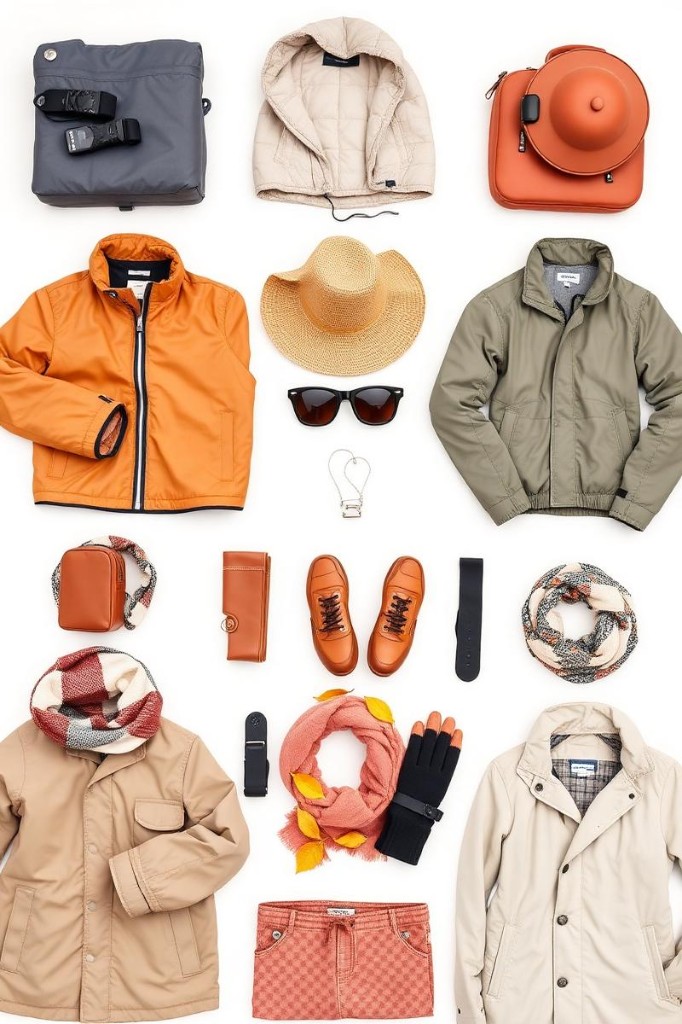
👕 Seasonal packing

Spring: • Waterproof walking shoes • Light windbreaker • Compact umbrella • Waterproof backpack

Summer: • Breathable and light clothing • Airy shoes • Sturdy umbrella (monsoon) • Light jacket (air conditioning) • Sun protection

Autumn: • Layerable clothing • Comfortable shoes • Mid-season jacket • Warm evening accessories

Winter: • Warm and waterproof coat • Non-slip shoes • Gloves and hat • Thermal underwear • Wind-protection scarf
Travel clothing and gear by season

💰 Seasonal budget

PeriodCity Center Accommodation (€/night)Transport (€/day)Restaurants (€/day)Attractions (€)Traffic
Winter (Dec-Feb)45-80525-4015-25⭐⭐
Spring (Mar-May)70-120530-5020-35⭐⭐⭐⭐
Summer (Jun-Aug)60-100535-5525-40⭐⭐⭐
Autumn (Sep-Nov)80-140530-5020-35⭐⭐⭐⭐⭐

💡 Money-saving tips

Seoul City Pass is profitable from 3 attractions visited • Local lunch restaurants are 50% cheaper than dinner • Accommodation in Hongdae/Itaewon districts is more affordable than Myeongdong • Many free festivals in summer • Daily unlimited transport pass is economical for multiple visits

🏥 Health and precautions

Air pollution: mask recommended on peak days, check AirVisual app • Frequent urban spring allergies • Increased hydration in summer (heat + humidity) • Cold wind protection in winter • Comfortable shoes (15,000 steps/day average) • Many 24h pharmacies in Myeongdong district

Urban Events

Calendar of must-see events in Seoul

Cultural events transform the Seoul atmosphere and enrich the urban experience with festivals, traditional celebrations, and modern gatherings.

🌸 Cherry Blossom Festival (April)

The city turns soft pink during the spectacular bloom that draws millions of visitors to urban parks. The event turns Seoul into a giant garden with illuminated night picnics.

Location: Yeouido Park, Namsan, Cheonggyecheon Stream

Highlight: Nighttime cherry blossom illuminations and street festivals

Climate Impact: Peak attendance, accommodation bookings essential 2 months in advance, saturated transport

Transport Access: Subway Line 5 Yeouinaru Station, Lines 4/6 Samgakji for Namsan

Planning Tip: Book accommodation in January, avoid weekends, prioritize mornings

🎭 Seoul International Fireworks Festival (October)

A grandiose pyrotechnic show on the Han River that illuminates the modern skyline. The event gathers 1 million spectators for a magical evening blending tradition and modernity in a spectacular urban setting.

Location: Hangang Yeouido Park, landscaped banks

Highlight: Music and firework synchronization, food trucks

Climate Impact: Ideal cool temperatures, massive crowds, city center traffic blocked

Transport Access: Subway Line 5 Yeouinaru, special shuttles from Gangnam

Planning Tip: Arrive 3 hours early, bring a picnic, warm clothing

🎿 Seoul Lantern Festival (December-February)

Installation of giant illuminated lanterns along the Cheonggyecheon Stream that turns the historic center into a winter fairy tale. The event warms up the urban atmosphere during the cold season.

Location: Cheonggyecheon Stream, historic center

Highlight: K-pop themed lanterns and Korean traditions

Climate Impact: Major winter attraction, psychological warmth, night walks

Transport Access: Subway Line 2 Euljiro 1-ga, Line 1 Jonggak

Planning Tip: Warm clothing essential, optimal photos after 6 PM

Seasonal events

Spring: • Seoul Fashion Week (March, Dongdaemun) • Lotus Lantern Festival (May, city center) • Hi Seoul Festival (May, citywide)

Summer: • Seoul Summer Festival (July-August, Hangang) • Boryeong Mud Festival (July, near Seoul) • Seoul Fringe Festival (August, Hongdae)

Autumn: • Seoul Kimchi Festival (October, multiple locations) • Seoul Street Arts Festival (October, Myeongdong) • Seoul Performing Arts Festival (October-November)

Winter: • Seoul Winter Festival (December-January) • New Year Bell Ceremony (December 31, Bosingak) • Seollal Lunar New Year (January-February, palaces)

Responsible City Trip

Adopt urban tourism that respects the Seoul environment and local inhabitants by prioritizing sustainable practices and less impactful periods.

Seoul is developing urban eco-responsible initiatives: priority to soft mobility with shared bikes, traditional local businesses preferred over international chains, exemplary waste management with extensive sorting, respect for residential districts, avoidance of overtourism in sensitive areas.

🌱 Low-season advantages

Visiting Seoul in the low winter season reduces public transport congestion, offers an authentic experience of local life, offers attractive prices, and significantly reduces urban ecological impact.

♻️ Sustainable travel tips

• Prioritize subway and public buses (excellent network) rather than taxis • Local neighborhood restaurants vs tourist zones • Environmentally certified accommodation (Green Stay) • Reusable water bottle (many public fountains) • Walking prioritized between nearby sites • Alternative circuits avoiding tourist hotspots

🏙️ Local sustainable initiatives

Seoul innovates with Seoul Bike self-service, expanded city center pedestrian zones, intensive urban greening (green roofs), reinforced recycling with automatic collection, developed local organic markets, emerging ecotourism labels in traditional districts.

Our Recommendations

Expert recommendations for your city trip to Seoul

After analyzing climatic data, tourist traffic, and cultural events, here are our personalized tips to optimize your discovery of the South Korean capital. Accommodation prices vary significantly by season, while weather conditions drastically influence the type of activities possible.

🏆 Optimal Period

Months: April-May and September-October

Advantages:
• Ideal temperatures 15-25°C / 59-77°F for urban walking
• Spectacular spring blossoms or autumn foliage
• Moderate and predictable precipitation
• Dynamic urban atmosphere with open terraces
• Numerous and varied cultural festivals

Key Events: Cherry Blossom Festival (April), Seoul Fireworks Festival (October)

Disadvantages: Maximum tourist traffic, accommodation prices +40%

Ideal Profile: First-time visitors, photographers, romantic couples

Stay Duration: 5-7 days recommended

⚖️ Interesting Alternative

Months: March and November

Description: Transition periods offering an excellent compromise between acceptable weather conditions and moderate tourist attendance, with more affordable rates.

Specific Advantages: 30% fewer tourists, attractive accommodation prices, authentic discovery of districts, less commercial local events

For Whom: Experienced travelers, moderate budgets, lovers of local culture

👥 Tips for your travel style

Family: Myeongdong district + theme parks + April-May + easy subway + Lotte family hotels

Budget: Hongdae/Itaewon + guesthouses + November-March + street food + public transport

Culture: Bukchon + museums + September-October + palaces + traditional hanok

Romantic: Namsan Tower + Han River cruises + April/October + rooftops + Gangnam boutique hotels

Weekend: Central Myeongdong + major sites concentrated + any season + 24h weekend subway + business hotels

First Trip: Organized tours + guides + April-May + must-see sites + international hotels in the center

⚠️ Periods to Avoid

Months: July-August and December-January

Reasons: Oppressive muggy heat with summer monsoon, or freezing winter cold with air pollution, extreme prices during year-end holidays

Nuances: Summer is acceptable for intense nightlife lovers, winter is interesting for tight budgets and indoor shopping

Villes du même pays

All cities

Frequently Asked Questions

Answers to essential questions to plan your Seoul city trip based on climate and urban specifics.

What is the best month to visit Seoul?

April and October offer optimal conditions with pleasant temperatures (15-22°C / 59-72°F), little precipitation, and an exceptional urban atmosphere. April reveals cherry blossoms while October sets the city ablaze with autumn colors. These months combine favorable weather, cultural festivals, and maximum accessibility to outdoor attractions, despite high tourist traffic requiring advance bookings.

How many days should I plan for Seoul?

4 to 7 days allow for a balanced discovery depending on your interests. A 4-day long weekend covers the essentials (palaces, historic districts, shopping). 5-6 days add in-depth exploration of modern districts and nightlife. 7 days include peripheral excursions and a complete cultural immersion. Urban density and efficient transport allow you to optimize every day without logistical stress.

What to do in Seoul when it rains?

Seoul excels in indoor activities: explore the Myeongdong underground network, visit the National Museum or COEX Aquarium, discover Dongdaemun Design Plaza, or enjoy giant malls like Lotte World Mall. Insadong galleries, traditional jjimjilbang spas, and Korean BBQ restaurants offer authentic experiences under cover. The subway efficiently connects all these indoor sites.

What events should not be missed in Seoul?

The Cherry Blossom Festival (April) turns the city into a spectacular pink garden. The Seoul Fireworks Festival (October) illuminates the modern skyline over the Han River. In winter, the Seoul Lantern Festival warms the atmosphere with magical light installations. Each season offers unique cultural festivals: Hi Seoul Festival (May), Seoul Summer Festival (July), Seoul Kimchi Festival (October), creating a continuous cultural program.

What budget should I plan for the season?

Daily budget in winter: 80-120€ (budget accommodation, local restaurants). Spring/autumn: 120-180€ (tourist peaks, higher prices). Summer: 100-150€ (intermediate rates). Include accommodation (45-140€/night), meals (25-55€/day), transport (5€/day), attractions (15-40€). Seasonal variations reach 40% for accommodation. Savings possible: guesthouses, street food, city pass, alternative districts.