When to visit Johannesburg? City Break Guide

Discover the vibrant City of Gold through all its seasons, from mild subtropical weather to effervescent urban ambiance.

  • 5.6 M population
  • English, Afrikaans, Zulu language
  • 85 days rainy days/year
  • April to September best time to visit
  • 3 to 5 days recommended stay

Climate and Weather in Johannesburg

Understanding Johannesburg's subtropical highland climate

Johannesburg enjoys a subtropical highland climate, tempered by its 1,750 meters / 5,741 feet elevation. The urban heat island effect is moderated by the altitude, creating pleasant conditions for a city break year-round.

MonthMin/Max (°C / °F)Precipitation (mm / in)Sunshine (h/day)Tourist TrafficRecommended Activities
January16/26°C / 61/79°F125mm / 4.9in7★★★Museums, shopping malls
February16/25°C / 61/77°F90mm / 3.5in7★★★Cultural tours
March14/24°C / 57/75°F85mm / 3.3in7★★★★Parks, terraces
April11/21°C / 52/70°F55mm / 2.2in8★★★★★All activities
May7/19°C / 45/66°F15mm / 0.6in9★★★★★Outdoor visits
June4/16°C / 39/61°F10mm / 0.4in9★★★★Markets, shopping
July4/17°C / 39/63°F5mm / 0.2in9★★★★Winter festivals
August6/20°C / 43/68°F5mm / 0.2in9★★★★Urban hiking
September9/23°C / 48/73°F25mm / 1.0in8★★★★★Jacarandas in bloom
October12/26°C / 54/79°F65mm / 2.6in8★★★★Parks, gardens
November14/26°C / 57/79°F105mm / 4.1in7★★★Galleries, restaurants
December15/26°C / 59/79°F115mm / 4.5in7★★Christmas markets

The Seasons

Must-sees by weather

Optimize your discovery of Johannesburg by adapting your visits to weather conditions to fully enjoy the urban treasures of the City of Gold.

☔ In cloudy/rainy weather

Indoor & sheltered
Take refuge in covered cultural gems to discover the soul of Johannesburg away from the elements.

Must-see sites:
🏛️ Apartheid Museum (3h, 85R, year-round)
🎨 Johannesburg Art Gallery (2h, free, closed Mondays)
🛍️ Sandton City Mall (half-day, premium shopping)
⚡ Sci-Bru Science Centre (2h, 45R, ideal for families)
🏛️ Constitution Hill (2h, 65R, judicial history)
🎭 Market Theatre Complex (evening, varied shows)
📚 Central Library & Carlton Centre (1h, free panorama)
🍺 SAB World of Beer (1h30, 95R, tasting)

Practical tip: Book online to avoid queues. Extra tip: Combine several museums with the Joburg City Pass to optimize budget and time.

☀️ In good weather

Optimal outdoor
Take advantage of the subtropical climate and azure sky to explore the iconic outdoor spaces of the metropolis.

Must-see sites:
🌳 Zoo Lake & Johannesburg Zoo (half-day, 75R)
🌸 Walter Sisulu Botanical Gardens (3h, 35R, waterfalls)
🏛️ Union Buildings in Pretoria (2h, government architecture)
🚶 Maboneng Precinct street art (2h, artistic neighborhood)
⛰️ Northcliff Hill panorama (1h, free sunset)
🏛️ Liliesleaf Farm Museum (2h, 45R, Mandela history)
🌺 Emmarentia Dam & park (2h, jogging and picnic)
🎪 Neighbourgoods Market Braamfontein (morning, Saturday)

Best time of day: Sunrise at 6:00 AM for golden photos, sunset at 6:00 PM from Northcliff. Seasonal tip: Avoid 12:00 PM-3:00 PM in summer; prioritize April-September for optimal comfort.

🌤️ Versatile for all weather

Flexible
Sites combining indoor and outdoor spaces to adapt to the whims of South African weather.

Versatile sites:
🏛️ Gold Reef City (indoor/outdoor theme park)
🛍️ Victoria Yards (indoor market + terraces)
🎨 44 Stanley Avenue (galleries + covered restaurants)
🏛️ Cradle of Humankind (caves + visitor center)
🍷 Neighbourgoods Market (indoor + terraces)

Weather tip: Start outdoors in the morning, retreat indoors if necessary.

Example itinerary: Morning at the market (indoor if raining), afternoon at museums, evening at restaurants with covered terraces.

💰 Free or economical

No cost
Free sites:
🏛️ Carlton Centre Top of Africa (360° panorama)
🌳 Joubert Park & Johannesburg Art Gallery
🚶 Constitutional Hill outdoor promenade
🎨 Street art tour Maboneng (self-guided)
🌸 Emmarentia Dam & botanical gardens

Free days: Municipal museums are free on Sunday mornings. Budget tips: Local markets for economical meals, affordable Rea Vaya BRT transport, free panoramas from urban hills.

Practical Guide

Prepare your Johannesburg city break effectively by anticipating climatic variations and the specificities of this high-altitude metropolis for an optimal and comfortable stay.

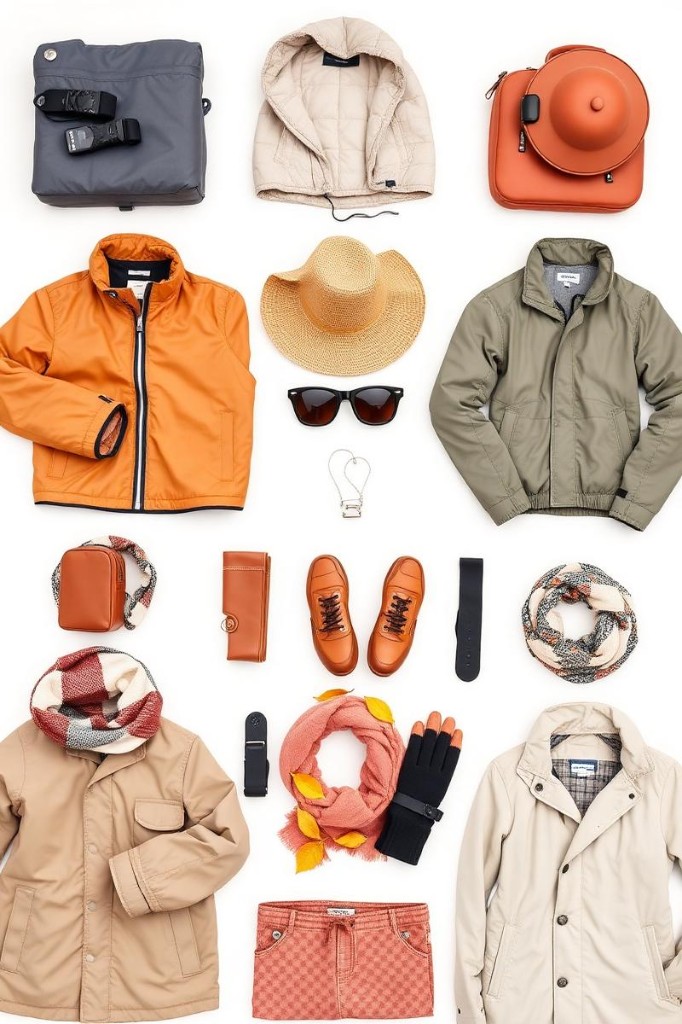
👕 Seasonal packing

Summer (Dec-Feb): • Waterproof shoes for storms • Compact umbrella essential • Lightweight breathable clothing • Light jacket for evenings

Autumn (Mar-May): • Comfortable walking shoes • Versatile mid-season jacket • Layers for cool mornings • Waterproof backpack

Winter (Jun-Aug): • Beanie and gloves for cold mornings • Warm windbreaker jacket • Comfortable sturdy shoes • Scarf for evenings

Spring (Sep-Nov): • Adaptable clothing for variable temperatures • Waterproof jacket for storms • All-terrain walking shoes • UV protection sunglasses
Travel clothing and gear by season

💰 Seasonal budget

PeriodCenter Accommodation (€/night)Transport (€/day)Restaurants (€/day)Attractions (€)Traffic
High Season (Apr-Sep)80-15015-2525-4520-35★★★★★
Shoulder Season (Mar,Oct-Nov)60-12012-2020-3515-30★★★★
Low Season (Dec-Feb)45-9010-1818-3012-25★★★

💡 Money-saving tips

Joburg City Pass: Pays for itself after 3 attractions; includes transport
Restaurants: Lunch is 40% cheaper than dinner; food markets are economical
Accommodation: Melville/Parkhurst neighborhoods are alternatives to the center, saving 30%
Free events: Park festivals, Sunday concerts, local markets
Transport: Unlimited daily Rea Vaya pass is more advantageous than single tickets

🏥 Health and precautions

Altitude: Increased hydration at 1,750m / 5,741ft; gradual adaptation
Sun: High UV protection; altitude intensifies radiation
Pollution: Avoid intense exercise during rush hours; use a mask if sensitive
Intensive walking: Appropriate footwear, frequent hydration breaks
Pharmacies: Clicks and Dis-Chem open 24/7 in major shopping malls
Safety: Avoid visible valuables; stick to recommended areas after 10:00 PM

Urban Events

Calendar of must-see events in Johannesburg

The Johannesburg metropolis vibrates to the rhythm of major cultural events that transform the urban atmosphere and enrich the tourist experience.

Arts Alive Festival (September)
International arts festival transforming the city center into an open-air gallery with performances, exhibitions, and free concerts. Location: Newtown Cultural Precinct and CBD. Highlight: The largest arts festival in Southern Africa, bringing together 200 international artists. Climate impact: Takes advantage of ideal spring weather; high attendance requires booking accommodation 2 months in advance. Transport: Rea Vaya BRT Newtown station, special festival shuttles. Tip: Booking Maboneng restaurants is essential; festival passes are cost-effective.
Johannesburg International Mozart Festival (January-February)
Prestigious classical music festival in historic venues featuring international orchestras and emerging local talent. Location: Linder Auditorium and Sandton theaters. Highlight: The only Mozart festival in Africa with free public masterclasses. Climate impact: Summer season allows for open-air concerts in botanical gardens; thunderstorms may cause rescheduling. Transport: Gautrain to Sandton, theater shuttles. Tip: Tickets open in October; Sandton accommodation is premium during this period.
FNB Dance Umbrella (February-March)
Contemporary dance festival celebrating African creativity with international troupes in unexpected urban spaces. Location: Johannesburg theaters and heritage sites. Highlight: Site-specific performances using urban architecture as a natural backdrop. Climate impact: Ideal summer-to-autumn transition; outdoor shows are weather-dependent. Transport: Metro to Park Station, taxis recommended in the evening. Tip: Festival passes are economical; pre-show dinners should be reserved.

Seasonal events

Summer: • Carols by Candlelight (December, Emmarentia Dam) • New Year's Eve Sandton (Dec 31, fireworks) • Summer Sunset Markets (Jan-Feb, weekends)

Autumn: • Johannesburg Film Festival (March-April, independent cinemas) • Heritage Day celebrations (September 24, public parks)

Winter: • Winter Warmer Festival (July, Neighbourgoods Market) • Bastille Festival (July, Alliance Française) • National Arts Festival satellites (July)

Spring: • Jacaranda Festival (October, flowering celebration) • Spring Day markets (September, local crafts) • Open Streets Johannesburg (October, pedestrian streets)

Responsible City Break

Adopt an eco-responsible approach to discover Johannesburg while respecting the urban environment and supporting local communities in this dynamic metropolis.

Johannesburg is developing remarkable sustainable initiatives: Rea Vaya BRT public transport, bike-sharing, local organic markets, extended pedestrian areas, and innovative urban recycling programs to reduce the tourist carbon footprint.

🌱 Low-season advantages

Visiting in the low season (December-February) reduces tourist pressure, allows for attractive rates, supports the local economy outside peak times, and significantly decreases the urban environmental impact.

♻️ Sustainable travel tips

• Prioritize Rea Vaya BRT and Gautrain over private taxis
• Choose local Maboneng/Melville restaurants vs international chains
• Accommodation certified Green Key or Fair Trade Tourism
• Reduce plastic: reusable water bottle, cloth bags for markets
• Walking prioritized in compact Newtown/Braamfontein neighborhoods
• Alternative ethical township tours with local guides

🏙️ Local sustainable initiatives

The city is developing urban green corridors, expanding the cycling network, increasing local organic markets, strengthening tourist waste recycling, and supporting community-based ecotourism in townships with sustainable certifications.

Our Recommendations

Recommendations for your city break in Johannesburg

Our detailed climate analysis and local expertise converge into personalized recommendations to optimize your discovery of Johannesburg according to your preferences, balancing ideal weather conditions, moderate tourist traffic, and attractive prices for an authentic urban experience.

Optimal Period: April to September (Autumn-Winter-Spring)
Recommended months: April-May and August-September
Advantages:
• Dry and sunny climate perfect for outdoor visits
• Comfortable temperatures of 15-25°C / 59-77°F, ideal for city walking
• Spectacular jacaranda bloom in September-October
• Cultural festivals like Arts Alive and spring events
• Exceptional visibility for urban panoramas under clear skies

Major events: Arts Alive Festival in September, Heritage Day, winter festivals in July
Disadvantages: High tourist traffic from April to September; accommodation prices increased by 20-30%
Ideal profile: Active travelers, photographers, culture and urban nature lovers
Stay duration: 4-5 days recommended for a complete discovery
Interesting alternative: March and October-November
Alternative months: March, October, November
Description: Transition periods offering an excellent compromise between favorable weather, moderate traffic, and attractive rates for a controlled budget.
Specific advantages:
• Fewer tourists allowing for authentic discovery
• Accommodation prices 25% lower than high season
• Alternative cultural events that are less crowded
• Temperatures still pleasant for outdoor activities

For whom: Budget-conscious travelers, families, seniors preferring calm, photographers avoiding crowds

👥 Tips for your travel style

Family: Melville/Greenside safe neighborhoods, Zoo Lake, Gold Reef City, April-September is optimal, Gautrain is convenient

Budget: Maboneng hostels, local market meals, free attractions, March/November are economical, public transport

Culture: Newtown Cultural Precinct, Constitution Hill, September Arts Alive is optimal, boutique center accommodation

Romantic: September-October jacarandas, Sandton rooftops, Parkhurst restaurants, charming Melville lodges

Weekend: Sandton base, concentrated attractions, April-May perfect weather, direct airport Gautrain

First trip: Secure guided tours, tourist neighborhoods, May-August mild climate, international Sandton accommodation

Periods to avoid: December-February (Austral Summer)
Months not recommended: December, January, February
Reasons:
• Intense daily thunderstorms disrupting outdoor visits
• High humidity uncomfortable for prolonged city walking
• Numerous attraction closures during the festive period
• Stifling heat from 12:00 PM to 3:00 PM limiting activities

Nuances: Acceptable for lovers of tropical ambiance, tight budgets (reduced rates), or short stays focusing on museums and air-conditioned shopping malls

Villes du même pays

All cities

Frequently Asked Questions

Answers to essential questions to effectively plan your Johannesburg city break based on climatic and urban specifics.

What is the best month to visit Johannesburg?

April-May and August-September offer optimal conditions with a dry climate, pleasant temperatures of 15-25°C / 59-77°F, and maximum sunshine. April still benefits from summer greenery, while September reveals the spectacular blooming of purple jacarandas. These periods perfectly balance favorable weather, moderate crowds, and cultural richness, particularly with the Arts Alive festival in September.

How many days should I plan for Johannesburg?

3 to 5 days allow for a complete discovery at your own pace. A 3-day weekend covers the essentials: Apartheid Museum, Maboneng, Sandton, and Constitution Hill. 4-5 days add Soweto, the Cradle of Humankind, and allow for exploring alternative neighborhoods like Melville. Culture enthusiasts can extend to 6-7 days to include Pretoria and delve deeper into contemporary African art.

What to do in Johannesburg when it rains?

The city offers excellent indoor alternatives: the fascinating Apartheid Museum, the free Johannesburg Art Gallery, premium shopping centers like Sandton City and Nelson Mandela Square, the interactive Science Centre, or the indoor markets of Victoria Yards and Neighbourgoods Market. The Market Theatre Complex offers quality performances, while Parkhurst restaurants provide a cozy atmosphere perfect for rainy days.

What events should not be missed in Johannesburg?

The Arts Alive festival in September transforms the city into a giant gallery with 200 international artists. The Mozart Festival (January-February) offers classical concerts in historic venues. The jacaranda bloom (September-October) creates a unique, magical urban backdrop. The Neighbourgoods and Rosebank weekend markets offer an authentic local vibe. Heritage Day (September 24) celebrates South African cultural diversity with festivities in all neighborhoods.

What budget should I plan for based on the season?

High season (April-September): €120-200/day including city center accommodation, meals, transport, and attractions. Shoulder season (March, October-November): €90-150/day with 20-25% reduced rates. Low season (December-February): €70-120/day, significant savings on accommodation but frequent thunderstorms. Additional budget for excursions to Soweto (€50) or the Cradle of Humankind (€80). The Joburg City Pass (€45) pays for itself after 3 visited attractions.