When to visit South Africa? Complete Guide

South Africa offers exceptional climatic diversity depending on its regions and reversed seasons.

  • 60.4 M population
  • English, Afrikaans, Zulu (11 official languages) language
  • 60 days rainy days/year
  • April to September best time to visit
  • 10 to 21 days recommended stay

Weather and Climate in South Africa

Understanding the South African subtropical and Mediterranean climate

South Africa features six distinct climate zones influenced by the Atlantic Ocean, the Indian Ocean, altitude, and latitude. This diversity offers varied travel experiences depending on the regions chosen.

  • West Coast (Cape Town): Mediterranean climate with rainy winters and dry summers
  • East Coast (Durban): Humid subtropical climate with hot, rainy summers
  • Central Plateau (Johannesburg): Temperate high-altitude climate with summer thunderstorms
  • Karoo Region: Semi-arid zone with high temperature fluctuations
  • Garden Route: Temperate oceanic climate with distributed rainfall
  • Kalahari Region: Desert climate with very hot summers
MonthCape Town (°C / °F)Johannesburg (°C / °F)Durban (°C / °F)Precipitation
Jan16-26 / 61-7916-26 / 61-7921-28 / 70-82Low
Feb16-26 / 61-7916-25 / 61-7721-28 / 70-82Low
Mar14-25 / 57-7713-23 / 55-7319-27 / 66-81Moderate
Apr11-22 / 52-729-20 / 48-6816-25 / 61-77Moderate
May9-19 / 48-665-17 / 41-6312-23 / 54-73High (Cape)
Jun7-17 / 45-632-15 / 36-599-21 / 48-70High (Cape)
Jul7-17 / 45-632-15 / 36-599-21 / 48-70High (Cape)
Aug8-18 / 46-645-18 / 41-6411-22 / 52-72Moderate
Sep10-20 / 50-689-22 / 48-7214-23 / 57-73Low
Oct12-23 / 54-7312-24 / 54-7516-25 / 61-77Moderate
Nov14-24 / 57-7514-25 / 57-7718-26 / 64-79Moderate
Dec15-25 / 59-7715-25 / 59-7720-27 / 68-81High (East)

Altitude significantly influences temperatures: Johannesburg (1,700m / 5,577ft) records temperatures 8°C / 14°F lower than coastal areas. The Drakensberg mountains can experience snowfall in winter.

Seasons in South Africa

Climate by Region in South Africa

South African geographic diversity creates distinct microclimates influenced by altitude, ocean currents, and latitude, requiring planning adapted to each region.

🏖️ Western Cape Province (Cape Town)

Description: Region with a unique Mediterranean climate in Southern Africa, characterized by dry, hot summers and mild but rainy winters. South-easterly winds (Cape Doctor) cool the summer. Renowned wine region with spectacular mountain landscapes.

PeriodWeatherTemperatureRecommended Activities
Dec-FebDry and hot16-26°C / 61-79°FBeaches, hiking, festivals
Mar-MayMild and dry11-22°C / 52-72°FHarvest, hiking, tourism
Jun-AugCool and rainy7-17°C / 45-63°FMuseums, tasting, whale watching
Sep-NovMild and blooming10-23°C / 50-73°FBlooms, hiking, vineyards

Specifics: Only region in Africa with winter rains. Strong winds possible (120 km/h / 75 mph). False Bay microclimate is warmer. Whale watching (June-November). Spectacular fynbos blooms in spring.

🦁 Mpumalanga Province (Kruger Park)

Description: Region with a subtropical climate with a marked dry season, ideal for safaris. Moderate altitude (300-1000m / 984-3281ft) creating temperate conditions. Savannah vegetation and gallery forests along rivers.

PeriodWeatherTemperatureRecommended Activities
Dec-FebHot and humid20-32°C / 68-90°FMigratory bird watching
Mar-MayMild and dry15-28°C / 59-82°FSafaris, hiking, photography
Jun-AugDry and cool8-23°C / 46-73°FOptimal safaris, Big Five
Sep-NovHot and dry15-30°C / 59-86°FSafaris, behavior observation

Specifics: Dry season (May-September) optimal for safaris. Malaria risk in summer. Spectacular thunderstorms with lightning. Rivers in flood during summer. Maximum animal concentration at water holes in winter.

🏄 KwaZulu-Natal Province (Durban)

Description: Region with a humid subtropical climate influenced by the warm Mozambique current. Consistently mild temperatures, significant summer rainfall. Coast popular for surfing and seaside activities.

PeriodWeatherTemperatureRecommended Activities
Dec-FebHot and humid21-28°C / 70-82°FSurfing, diving, beaches
Mar-MayMild and pleasant16-25°C / 61-77°FDrakensberg hiking, Zulu culture
Jun-AugMild and dry9-21°C / 48-70°FWhale watching, mountains
Sep-NovHot and humid14-25°C / 57-77°FSafaris, beaches, festivals

Specifics: Constant ocean temperature (18-24°C / 64-75°F). Drakensberg mountains with possible snow. Cyclones rare but possible (January-March). Excellent region for a safari-beach combination.

⛰️ Gauteng Province (Johannesburg)

Description: Region with a high-altitude temperate climate (1700m / 5577ft) with stormy summers and dry, sunny winters. Economic center of the country with moderate temperatures year-round thanks to altitude.

PeriodWeatherTemperatureRecommended Activities
Dec-FebHot and stormy15-26°C / 59-79°FMuseums, townships, nightlife
Mar-MayMild and dry9-23°C / 48-73°FCultural visits, Soweto
Jun-AugCool and dry2-16°C / 36-61°FMuseums, shopping, gastronomy
Sep-NovMild and sunny9-24°C / 48-75°FExcursions, Pilanesberg, culture

Specifics: Frost possible in winter (June-August). Violent afternoon thunderstorms in summer. Dry air all year round. Air pollution in winter. Excellent base for exploring the country.

Practical Guide to South Africa

South Africa requires preparation adapted to its exceptional climatic diversity. From versatile equipment to health precautions, our guide helps you prepare for a successful trip in all conditions.

👕 Seasonal packing

Summer (Dec-Feb):

  • Light cotton or linen clothing
  • Sun protection (hat, sunglasses, SPF 50+ sunscreen)
  • Waterproof jacket for thunderstorms
  • Breathable walking shoes
  • Swimwear and towel

Autumn (Mar-May):

  • Layered clothing (t-shirts, light sweaters)
  • Long pants for safaris
  • Hiking shoes
  • Windbreaker
  • Camera with dust protection

Winter (Jun-Aug):

  • Warm clothing (fleece, down jacket)
  • Waterproof pants (Western Cape)
  • Beanie and gloves for high altitudes
  • Waterproof shoes
  • Binoculars for safaris

Spring (Sep-Nov):

  • Versatile clothing
  • Wind protection
  • Multi-purpose shoes
  • Macro camera lens (for blooms)
  • Hiking backpack
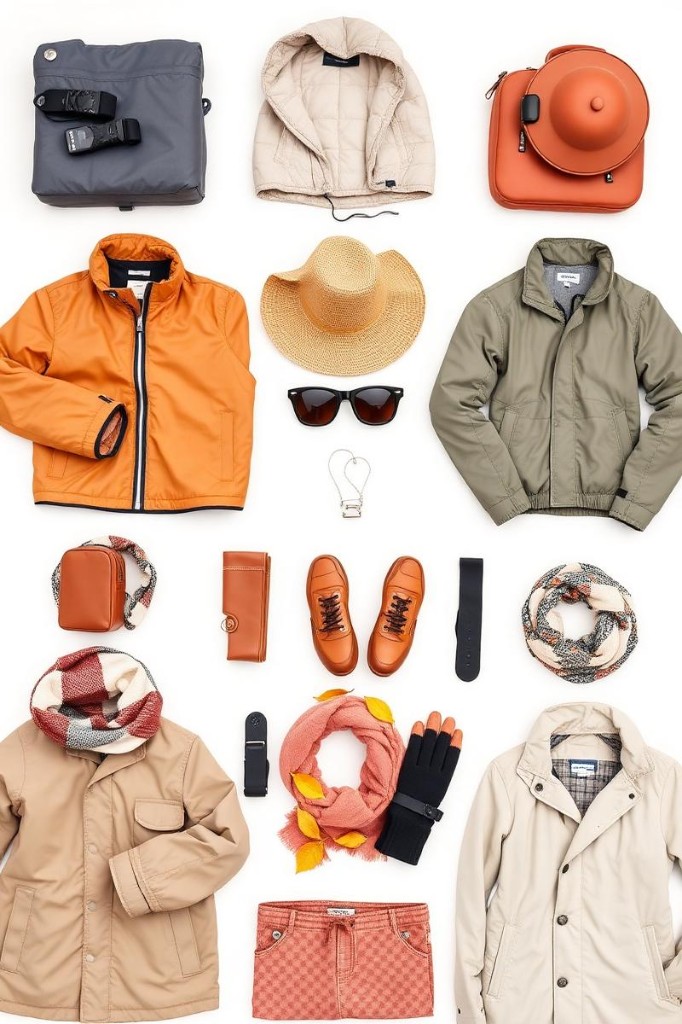
Travel clothing and gear by season

💰 Seasonal budget

PeriodAccommodation (€)Transport (€)Activities (€)Crowds (/5)Budget Tips
Dec-Jan80-200150-300100-2505/5Book 6 months in advance
Feb-Mar60-150120-25080-2004/5Avoid weekends
Apr-May50-120100-20070-1503/5Excellent value for money
Jun-Aug45-10090-18060-1302/5Best rates of the year
Sep-Oct55-130110-22075-1603/5Negotiate private safaris
Nov65-140130-24085-1804/5Last chance before high season

💡 Money-saving tips

  • Travel in low season: Save up to 40% by traveling from May to August
  • Advance booking: Book lodges and flights 3-6 months in advance for the best rates
  • Group safaris: Share the costs of private game drives with other travelers
  • Alternative accommodation: Opt for quality guesthouses and backpacker lodges
  • Local transport: Use Baz Bus for economical long-distance travel

🏥 Health and precautions

Recommended vaccinations:

  • Hepatitis A and B, typhoid, meningitis
  • Yellow fever if transiting through an endemic country
  • Up-to-date DTP and MMR

Malaria: Prophylaxis required in Kruger and the east coast (October-May). Risk-free zones: Western Cape, Free State, Karoo.

General precautions:

  • Enhanced sun protection (altitude, reflection)
  • Constant hydration (dry air, heat)
  • Complete first-aid kit
  • Travel insurance with repatriation
  • Standard food safety precautions

Events & Festivals in South Africa

Cultural calendar and festivities not to be missed in South Africa

South Africa vibrates to the rhythm of exceptional festivals reflecting its cultural richness and diversity, with each season bringing its own unique celebrations.

National Arts Festival (Grahamstown Festival) - June-July

The largest arts festival in Africa featuring theater, dance, music, and visual arts. An electrifying atmosphere in the university town of Makhanda with over 1,000 performances. Cool temperatures are ideal for indoor shows.

Location: Makhanda (formerly Grahamstown), Eastern Cape Province

Highlight: Complete transformation of the city into a giant artistic stage

Climate Impact: Dry winter perfect for outdoor and indoor events

Cape Town International Jazz Festival - March-April

Nicknamed the 'African Woodstock,' this festival gathers the biggest names in global and local jazz. A cosmopolitan atmosphere with 40,000 spectators in an exceptional setting facing Table Mountain.

Location: Cape Town International Convention Centre, Cape Town

Highlight: Unique fusion of international jazz and traditional African music

Climate Impact: Ideal autumn with mild temperatures and low risk of rain

Hermanus Whale Festival - September-October

A unique celebration of the Southern Right Whale migration with shore-based viewing, craft markets, and concerts. A family-friendly event in the world's whale-watching capital.

Location: Hermanus, Western Cape Province

Highlight: The only festival in the world dedicated to land-based whale watching

Climate Impact: Spring with favorable winds and calm seas for observation

Seasonal events

Summer (Dec-Feb):

  • New Year's Day Minstrel Carnival, Cape Town (January 1st)
  • Sundance Festival, Johannesburg (January)
  • Hermanus FynArts Festival (February)

Autumn (Mar-May):

  • Cape Town Cycle Tour (March) - the world's largest timed cycling race
  • Klein Karoo National Arts Festival, Oudtshoorn (April)
  • Splashy Fen Music Festival (April)

Winter (Jun-Aug):

  • Durban International Film Festival (July)
  • Standard Bank Joy of Jazz, Johannesburg (August)
  • Hermanus Food & Wine Festival (August)

Spring (Sep-Nov):

  • Jacaranda Festival, Pretoria (October)
  • Knysna Oyster Festival (October)
  • Oppikoppi Music Festival (November)

Responsible Travel in South Africa

South Africa, with its fragile ecosystems and exceptional biodiversity, requires a respectful tourism approach adapted to natural and seasonal cycles.

Responsible tourism in South Africa involves respecting breeding seasons of wildlife, protecting unique ecosystems like the fynbos, and supporting local communities through a seasonal spread of visits.

🌱 Low-season advantages

Traveling in the low season (May-September) reduces tourist pressure on fragile ecosystems, supports the local economy during quiet periods, and lowers your carbon footprint.

♻️ Sustainable travel tips

  • Water management: Save this precious resource, especially in semi-arid regions
  • Plastic waste: Favor reusable water bottles and fabric bags
  • Local transport: Use public transport and share safari vehicles
  • Respect wildlife: Maintain safety distances and avoid camera flashes
  • Local purchases: Favor local crafts and regional products
  • Local guides: Employ community guides to support the local economy

🏙️ Local sustainable initiatives

South Africa is developing innovative projects: renewable energy in the Karoo, marine conservation in Hermanus, anti-poaching programs in Kruger, and community tourism initiatives in townships.

Our Expert Recommendations

Expert recommendations for your trip to South Africa

After analyzing climatic data and our field expertise, we offer personalized recommendations based on your priorities. South Africa offers optimal experiences year-round, but certain periods maximize your satisfaction according to your specific expectations.

Optimal period: May to September

Recommended months: May, June, July, August, September

Climatic advantages:

  • Ideal conditions for safaris (maximum visibility)
  • No malaria or mosquitoes
  • Clear skies and perfect lighting
  • Pleasant temperatures for hiking
  • Dry season in the east of the country

Limitations:

  • Cool temperatures (warm clothing required)
  • Winter rains in the Western Cape

Ideal profile: Safari enthusiasts, wildlife photographers, hikers, budget travelers

Balanced alternative: March to April

Alternative months: March, April

Description: Perfect compromise between excellent weather conditions and moderate crowds

Specific advantages:

  • Ideal temperatures in all regions
  • Excellent period for both safaris AND beaches
  • Harvest season (wine tourism)
  • Attractive intermediate rates
  • Magnificent autumn colors

👥 Tips for your travel style

👨‍👩‍👧‍👦 Family: March-April and September-October. Mild temperatures, varied activities, school holidays. Avoid austral winter.

💰 Budget: May-August. Minimal rates, excellent value for money. Pack warm clothing.

🎒 Adventure: April-May and September. Optimal conditions for hiking, safaris, outdoor sports. Weather flexibility.

🏨 Luxury: March-April and October-November. Perfect climate, premium services, avoid high-season crowds.

📸 Photographer: May-September. Exceptional light, maximum animal visibility, contrasted landscapes, clear skies.

Periods to avoid:

December-January: Maximum crowds, high prices, violent thunderstorms, reduced safari visibility

June-July in Cape Town: Heavy rains and strong winds (except for whale watching)

Cities to explore

Discover the must-sees of urban travel

All cities

Frequently Asked Questions

Find answers to essential questions to plan your trip to South Africa according to optimal weather conditions.

What is the best time for a safari in South Africa?

The dry season (May to September) is optimal for safaris. Sparse vegetation offers excellent visibility, animals congregate near water holes, and the absence of mosquitoes eliminates the risk of malaria. Cool morning temperatures are ideal for wildlife viewing.

Can you visit South Africa during the austral winter (June-August)?

Absolutely! The austral winter is actually the recommended period for safaris. Only the Western Cape region experiences significant rainfall. In the rest of the country, enjoy clear skies, pleasant daytime temperatures (15-20°C / 59-68°F), and the best rates of the year.

Is South Africa accessible all year round?

Yes, thanks to its climatic diversity. Each season offers advantages: summer for beaches, autumn for the perfect balance, winter for safaris, and spring for blooms. Simply adapt your region and activities to the chosen period.

When can you watch whales in South Africa?

The whale season runs from June to November, with a peak in September-October. Hermanus offers the best land-based viewing in the world. Southern Right Whales come to breed in the warm waters of the South African coast during the austral winter.

Should you avoid the rainy season in South Africa?

The 'rainy season' varies by region. Summer (December-February) brings short afternoon thunderstorms in the east, while winter brings continuous rain to the Western Cape. These showers are generally not prohibitive and offer beautiful lush landscapes.