When to visit Knysna? City-Trip Guide

Discover the pearl of the Garden Route by season for an unforgettable experience.

  • 76,000 population
  • English, Afrikaans, Xhosa language
  • 95 days rainy days/year
  • September to May best time to visit
  • 3 to 5 days recommended stay

Knysna's Oceanic Climate

Understanding Knysna's temperate oceanic climate

Knysna enjoys a temperate oceanic climate influenced by the Indian Ocean. Located in the Western Cape region, the town benefits from mild temperatures year-round thanks to its coastal position and the protection of the Outeniqua Mountains.

MonthMin Temp (°C / °F)Max Temp (°C / °F)Precipitation (mm / in)Sunlight (h/day)Tourist TrafficRecommended Activities
January16°C / 61°F25°C / 77°F45mm / 1.77in8★★★★★Beach, lagoon, hiking
February16°C / 61°F25°C / 77°F50mm / 1.97in8★★★★★Water sports, festivals
March15°C / 59°F24°C / 75°F65mm / 2.56in7★★★★Whale watching, forests
April13°C / 55°F22°C / 72°F85mm / 3.35in6★★★Autumn colors, oysters
May11°C / 52°F20°C / 68°F95mm / 3.74in5★★Museums, local crafts
June9°C / 48°F18°C / 64°F110mm / 4.33in5★★Gastronomy, spa
July8°C / 46°F18°C / 64°F105mm / 4.13in5★★Whale watching
August9°C / 48°F19°C / 66°F95mm / 3.74in6★★★Wildflowers, whales
September11°C / 52°F20°C / 68°F75mm / 2.95in6★★★Spring, hiking
October13°C / 55°F22°C / 72°F65mm / 2.56in7★★★★Blooming, outdoor activities
November14°C / 57°F23°C / 73°F55mm / 2.17in7★★★★Beach, kayaking, cycling
December15°C / 59°F24°C / 75°F50mm / 1.97in8★★★★★Festivities, Christmas markets

The Four Seasons

Must-sees by Weather

Optimize your stay in Knysna by adapting your visits to weather conditions to make the most of every moment.

☔ In cloudy/rainy weather

Indoor & Sheltered Activities

Rainy days reveal the authentic charm of Knysna with its covered spaces and rich cultural heritage.

Recommended Sites:
🏛️ Knysna Museum - 2h - Free - Local history
🎨 Local art galleries - 1-3h - Variable - Regional crafts
🍷 Tasting in cellars - 2-4h - 150-300 R - Local wines
🦪 Oyster-specialized restaurants - 1-2h - 200-400 R - Local specialties
🛍️ Knysna Quays Shopping - 2-3h - Free - Covered boutiques
🌿 Garden Route Game Lodge (indoor) - 3h - 350 R - Local wildlife

Practical Tip: Book wine tastings in advance, especially in high season.

Additional Tip: Combine a museum visit with shopping at the Quays for a full day under cover.
☀️ In good weather

Optimal Outdoor

The sun reveals the full natural splendor of Knysna with its exceptional coastal and forest landscapes.

Recommended Sites:
🌊 Knysna Heads - 2-3h - Free - Sunrise/sunset
🚤 Lagoon cruise - 1-2h - 180-350 R - 10am-4pm optimal
🌲 Tsitsikamma Forest - 4-6h - 50 R - Morning hike
🏖️ Brenton-on-Sea Beach - 3-4h - Free - Afternoon
🚴 Knysna bike path - 2-4h - Rental 120 R/day - Morning
🦅 Featherbed Nature Reserve - 4h - 450 R - Full excursion

Best time of day: Sunrise at Knysna Heads (6:30am-7:30am), golden hour for photos (5pm-6:30pm)

Season Tip: Avoid outdoor activities between December and February during the hottest hours (12pm-3pm)

🌤️ Versatile for any weather

Flexible Sites

These attractions adapt perfectly to weather changes thanks to their mixed spaces.

Recommended Sites:
🎯 Knysna Elephant Park - Indoor/outdoor depending on weather
🍺 Mitchell's Brewery - Covered tour + terrace
🌺 Botanical Gardens - Greenhouses + modular outdoor

Weather Tip: Start with the outdoor parts if the weather is uncertain, retreat indoors in case of rain.

Example Itinerary: Morning at Elephant Park (outdoor), lunch at Mitchell's Brewery (covered), afternoon at botanical gardens (depending on conditions)

💰 Free or budget-friendly

Discoveries at no cost

Free Sites:
🌅 Knysna Heads Viewpoint - Exceptional panorama
🚶 Walk in the historic center - Colonial architecture
🏖️ Public beaches - Brenton-on-Sea, Buffalo Bay
📿 Rastafarian Community - Cultural visit
🌳 Short forest trails - Free access

Free Days: Knysna Museum free every day

Budget Tips: Picnics with a lagoon view, local markets on Saturday mornings, happy hours at seaside restaurants

Practical Guide

Prepare for your stay in Knysna with our practical tips adapted to the climatic specifics and the unique features of this Garden Route destination.

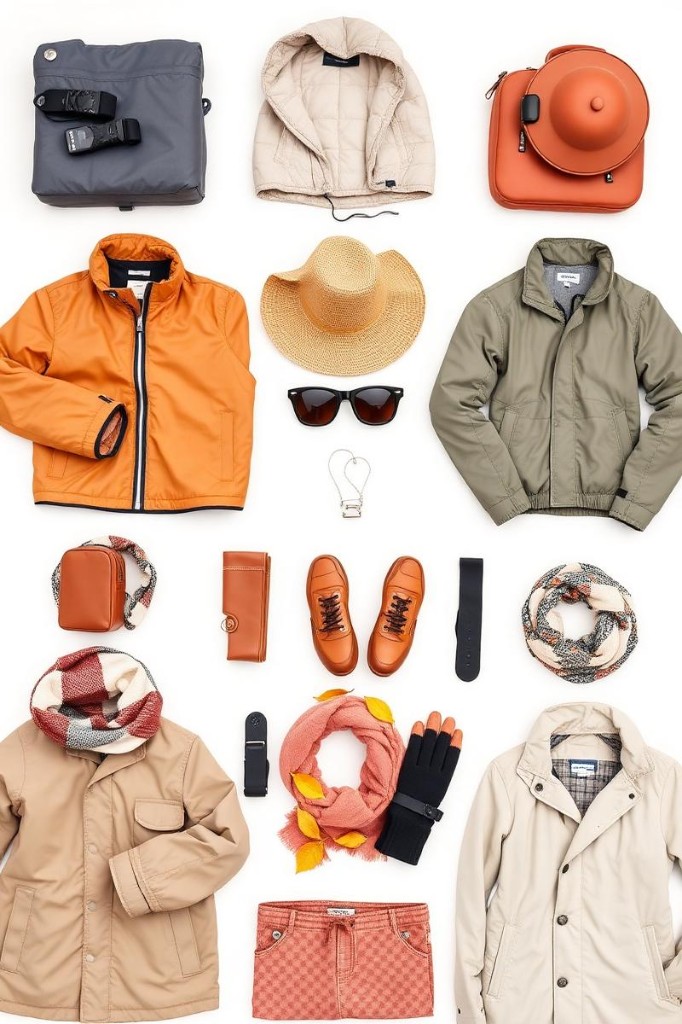
👕 Seasonal packing

Summer (Dec-Feb): • Comfortable walking shoes for sand • Hat and sunglasses • Swimsuit and towel • Light jacket for evenings • High-SPF sunscreen

Autumn (Mar-May): • Waterproof hiking shoes • Light waterproof jacket • Layered clothing • Long pants for forests • Camera for colors

Winter (Jun-Aug): • Warm and waterproof clothing • Non-slip closed shoes • Compact umbrella • Sweater or fleece • Windbreaker

Spring (Sep-Nov): • Versatile layered outfits • Mid-season jacket • All-purpose shoes • Gradual sun protection • Lightweight hiking backpack
Travel clothing and gear by season

💰 Seasonal budget

PeriodAccommodation (€/night)Transport (€/day)Restaurants (€/day)Attractions (€)Attendance
High Season (Dec-Feb)80-20025-4030-6020-35★★★★★
Mid-season (Mar-May, Sep-Nov)50-12020-3025-4515-25★★★
Low Season (Jun-Aug)35-8015-2520-3512-20★★

💡 Money-saving tips

• Book accommodation 2-3 months in advance for the best rates • Choose local restaurants in the city center rather than those facing the lagoon • Opt for family-run guesthouses for excellent value • Take advantage of happy hours (5pm-7pm) in bars with a view • Rent a car to explore the surroundings at a lower cost

🏥 Health and precautions

• Increased hydration in summer with high temperatures and water activities • Sun protection essential all year round (high UV) • Closed shoes recommended for forest hiking • Mosquito repellent in the evening near the lagoon • Pharmacies available at Knysna Mall • Be careful of sea currents on ocean beaches

Annual Events

Calendar of must-see events in Knysna

Knysna comes alive throughout the year with cultural and sporting events that enrich the tourist experience and reveal the authentic soul of the town.

🦪 Knysna Oyster Festival (July)

The most famous gastronomic festival on the Garden Route celebrates local oysters with 10 days of culinary festivities, concerts, and sports competitions. The event completely transforms the town's winter atmosphere.

Location: Town center and Knysna Quays

Highlight: Largest food festival in South Africa

Climate Impact: Warms up the winter atmosphere, exceptional attendance despite the cold season

Transport Access: Special shuttles from Cape Town and Port Elizabeth

Booking Tip: Accommodation booking 6 months in advance is essential

🚴 Knysna Cycle Tour (September)

An international cycling race that attracts thousands of participants to the spectacular landscapes of the region. The event symbolically marks the return of spring with ideal weather conditions.

Location: Start/finish at Knysna Quays, forest route

Highlight: Course through indigenous forests and coastal views

Climate Impact: Takes advantage of the budding spring, perfect temperatures for physical exertion

Transport Access: Special parking, modified traffic in the city center

Booking Tip: Avoid driving on the day; staying within walking distance is recommended

🎭 Pink Loerie Mardi Gras (May)

A colorful and festive LGBTQ+ festival that brings unique energy to Knysna in autumn. Parades, shows, and parties transform the town into a celebration of diversity for a memorable weekend.

Location: Main Street and Knysna Quays

Highlight: Largest LGBTQ+ event in the region

Climate Impact: Animates the autumn-winter transition, warm atmosphere

Transport Access: Pedestrian-only city center during parades

Booking Tip: Very festive atmosphere, book restaurants in advance

Seasonal events

Summer: • Knysna Forest Marathon (December) • Open-air concerts at the Quays (January-February) • Artisan Christmas markets (December)

Autumn: • Knysna Arts Festival (March) • New wine tasting (April) • Pink Loerie Mardi Gras (May)

Winter: • Knysna Oyster Festival (July) • Whale watching festivals (June-August) • Indoor jazz evenings (June-August)

Spring: • Knysna Cycle Tour (September) • Wildflower festival (October) • Spring craft fair (November)

Responsible Tourism

Discovering Knysna in a responsible and sustainable way helps preserve the exceptional natural beauty of this destination while supporting local communities.

Knysna, located in the heart of a fragile ecosystem, requires a respectful tourism approach. Prioritize certified local providers, respect marine and terrestrial wildlife, and choose accommodations committed to environmental preservation to contribute to the protection of this natural jewel.

🌱 Low-season advantages

Visiting Knysna in the low season (June-August) reduces tourist pressure on sensitive ecosystems, allows for a more authentic experience with local communities, and supports the local economy during less busy periods.

♻️ Sustainable travel tips

• Choose excursions with certified local guides for whale watching • Prioritize restaurants serving local products and oysters from the region • Opt for accommodations with environmental certification • Use marked trails to protect indigenous vegetation • Participate in beach cleaning initiatives organized by the municipality • Buy crafts directly from local communities

🏙️ Local sustainable initiatives

Knysna is actively developing eco-responsible projects: indigenous forest protection program, sustainable certification for oyster farms, community recycling initiatives, educational ecological trails, and support for local businesses run by historically disadvantaged communities.

Our Recommendations

Personalized recommendations for your stay in Knysna

After analyzing climatic conditions, tourist traffic, and cultural events, we offer recommendations tailored to different traveler profiles to optimize your discovery of Knysna according to your preferences and budget.

🏆 Optimal Period: September to November

Recommended Months: September, October, November

Benefits:
• Ideal climate with mild temperatures (20-23°C / 68-73°F)
• Spectacular floral explosion of the austral spring
• Moderate crowds allowing for a peaceful experience
• Attractive accommodation rates (-30% vs high season)
• Perfect conditions for hiking and outdoor activities
• Excellent visibility for landscape photography

Key Events: Knysna Cycle Tour (September), Wildflower Festival (October)

Drawbacks: Some showers possible, not all establishments may be fully open

Ideal Profile: Nature lovers, photographers, couples, hikers

Stay Duration: 4-5 days recommended

🌟 Interesting Alternative: March to May

Alternative Months: March, April, May

Description: The austral autumn offers an excellent compromise between still-favorable weather conditions and attractive rates, with the advantage of exceptional autumn colors.

Specific Benefits:
• Magnificent autumn colors in the forests
• Optimal season for tasting fresh oysters
• Fewer crowds than in summer, more authenticity
• Still pleasant temperatures (22-24°C / 72-75°F in March)

For Whom: Foodies, photographers, travelers seeking authenticity, couples

👥 Tips for your travel style

Family: December-February for beaches + Knysna Quays accommodation + car rental + Elephant Park activities

Tight Budget: June-August + city center guesthouses + local transport + free activities (beaches, trails, viewpoints)

Culture/Gastronomy: July (Oyster Festival) + March-May + local restaurants + wine tastings + museums

Romantic: September-October + lagoon view accommodation + Knysna Heads sunsets + gourmet restaurants

First Trip: October-November + local guide + mix of indoor/outdoor activities + central accommodation + 4-5 day duration

⚠️ Periods to Avoid

Months not recommended: December, January (unless seeking a festive atmosphere)

Reasons:
• Maximum tourist traffic with queues
• Increased accommodation and restaurant prices (+50-100%)
• Reservations required several months in advance
• Heat sometimes excessive for certain activities

Nuances: Excellent period for families with children and those who love a festive atmosphere, despite the drawbacks

Villes du même pays

All cities

Frequently Asked Questions

Find answers to essential questions to plan your stay in Knysna according to the climate and local specifics.

What is the best month to visit Knysna?

The best compromise is between September and November (austral spring) with ideal temperatures (20-23°C / 68-73°F), spectacular blooms, and fewer crowds. For the summer vibe and water activities, December to February remains optimal despite the crowds. Autumn (March-May) offers beautiful colors and the oyster season.

How many days should I plan for Knysna?

4 to 5 days is the ideal duration to discover Knysna without rushing. This allows you to visit the main sites (Knysna Heads, lagoon, forests), enjoy water activities, explore the surroundings (Plettenberg Bay, Tsitsikamma), and soak up the local atmosphere. A 3-day weekend is enough for a quick overview.

What to do in Knysna when it rains?

Knysna offers great indoor alternatives: visit the Knysna Museum, tastings in local wine cellars, shopping at Knysna Quays, discovering art galleries, tasting oysters in specialized restaurants, and visiting Mitchell's Brewery. Spas and wellness centers are also perfect for relaxing.

Which events should not be missed in Knysna?

The Knysna Oyster Festival in July is the must-see flagship event (book 6 months in advance). The Knysna Cycle Tour in September attracts sports enthusiasts, while the Pink Loerie Mardi Gras in May offers a unique festive atmosphere. In summer, concerts at the Quays and Christmas markets create a magical atmosphere.

What budget should I expect depending on the season?

Expect 100-150€/day/person in high season (December-February) including accommodation, meals, and activities. In mid-season (March-May, September-November), 70-100€/day is sufficient. Winter (June-August) can drop to 50-80€/day. Accommodation accounts for 40-50% of the budget, varying by standard and location (lagoon view = premium).