When to visit Joya de Cerén? City-Trip Guide

Explore this exceptional archaeological site according to tropical seasons for an optimal experience.

  • Archaeological site population
  • Spanish language
  • 120 days rainy days/year
  • November to April best time to visit
  • 1 to 2 days recommended stay

Tropical Climate of Joya de Cerén

Understanding the tropical savanna climate of Joya de Cerén

Joya de Cerén enjoys a tropical savanna climate characterized by two distinct seasons. Located in the Zapotitán Valley, this archaeological zone is influenced by moderate altitude and volcanic proximity, creating unique conditions for visitors.

  • Central Archaeological Zone: Protected microclimate with covered structures
  • Outdoor Trails: Direct exposure to tropical elements
  • Interpretation Center: Air-conditioned environment for artifacts
MonthMin Temp (°C / °F)Max Temp (°C / °F)Precipitation (mm)Sunshine (h/day)Tourist TrafficRecommended Activities
January18°C / 64°F28°C / 82°F158⭐⭐⭐Full tour, photography
February19°C / 66°F29°C / 84°F109⭐⭐⭐⭐In-depth exploration
March20°C / 68°F31°C / 88°F209⭐⭐⭐⭐Hiking, discovery
April21°C / 70°F32°C / 90°F458⭐⭐⭐Morning visit
May21°C / 70°F30°C / 86°F1806⭐⭐Museum, short visits
June20°C / 68°F28°C / 82°F2805⭐⭐Interpretation Center
July20°C / 68°F29°C / 84°F2006⭐⭐Quick visit
August20°C / 68°F29°C / 84°F2206⭐⭐Indoor activities
September20°C / 68°F28°C / 82°F3005Museum only
October20°C / 68°F28°C / 82°F2506⭐⭐Brief visit
November19°C / 66°F28°C / 82°F807⭐⭐⭐Return to exploration
December18°C / 64°F27°C / 81°F258⭐⭐⭐⭐Optimal visit

The altitude of 400 meters / 1,312 feet slightly tempers tropical temperatures, offering more pleasant conditions than coastal areas. Valley winds provide welcome freshness, especially in the late afternoon.

Climatic Seasons

Sites by Weather Conditions

Optimize your visit to Joya de Cerén by adapting your route to climatic conditions to discover this UNESCO World Heritage site.

☔ In Rainy Weather

Covered and Protected Areas

Justification: Continue your discovery even in tropical rain thanks to covered infrastructure


Recommended Sites:
🏛️ Interpretation Center (45 min, free, all year)
🏺 Artifact Museum (30 min, $2, permanent)
🎬 Documentary Screening Room (20 min, included, air-conditioned)
📚 Archaeological Library (open, free, on request)
🛍️ Souvenir Shop (15 min, open, local crafts)

Practical Tip: Take advantage of detailed explanations from guides under shelter
Bonus Tip: Combine with the 3D virtual site tour
☀️ In Good Weather

Optimal Outdoor Exploration

Interest: Perfect conditions to discover the entire open-air archaeological site


Must-see Sites:
🏘️ Reconstructed pre-Hispanic village (1.5 hours, $3, sunrise optimal)
🌽 Mayan crop fields (45 min, included, 7am-9am ideal)
🏛️ Ceremonial structures (1 hour, included, golden hour)
🚶 Complete discovery trail (2 hours, included, morning)
📸 Panoramic viewpoints (30 min, free, sunset)

Best Time: Sunrise (6:30am-8am) for golden light and coolness
Season Tip: Avoid 11am-3pm in dry season (excessive heat)

🌤️ Versatile All-Weather

Flexible by Conditions

Versatility: Adaptable sites allowing you to modulate the visit according to weather evolution


Modulable Sites:
🏛️ Reception pavilion with covered terraces
🌿 Pre-Columbian botanical gardens (partially covered)
🎯 Craft demonstration zone (mobile shelter)

Weather Tip: Start outside if the sky is clear, retreat if necessary
Typical Itinerary: Reception → outdoor site → museum retreat if rain → return outside

💰 Budget-Friendly and Free

Accessible Discovery


Free Sites:
🚶 Site approach trail (free access)
📍 Outdoor information points (explanatory panels)
🌅 Natural lookout (free overview)

Discounts: Students 50%, Salvadoran residents free on Sundays
Budget Tips: Self-guided tour without a guide (save $10), picnic allowed

Practical Guide

Prepare your visit to Joya de Cerén according to tropical climate specifics and the requirements of an archaeological site in rural El Salvador for an optimal experience.

👕 Seasonal packing

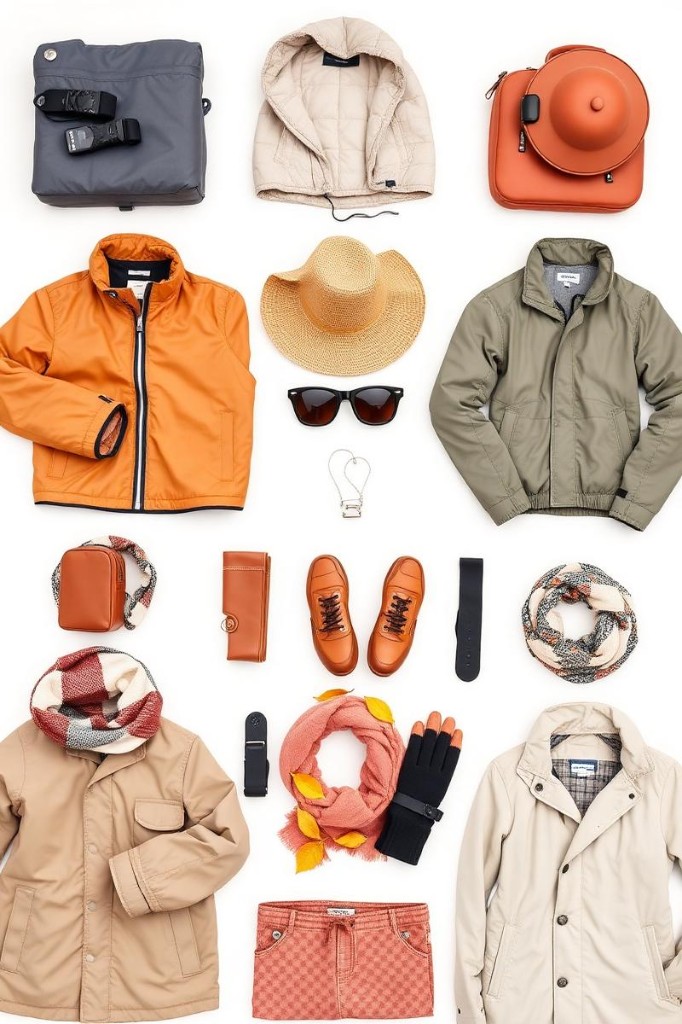
Dry Season (Nov-Apr): • Closed-toe non-slip walking shoes • Wide-brimmed hat mandatory • SPF 50+ sunscreen • Lightweight long clothing (UV protection) • 1.5L / 50oz water bottle minimum

Rainy Season (May-Oct): • Rain boots or waterproof shoes • Poncho or waterproof jacket • Plastic bag to protect electronics • Change of clothes • Tropical mosquito repellent

All Year: • Waterproof backpack • First aid kit • Flashlight (for dark covered areas)
Travel clothing and gear by season

💰 Seasonal budget

PeriodSite Entry ($/pers)Guide ($/group)Transport from San Salvador ($/one-way)Local Dining ($/meal)Traffic
Nov-Feb31586⭐⭐⭐
Mar-Apr32088⭐⭐⭐⭐
May-Jul31065⭐⭐
Aug-Oct31065

💡 Money-saving tips

Group Transport: Share a taxi from San Salvador (divide cost by 4) • Self-guided: Save $15 on a guide with a $3 audio guide • Local Dining: Village pupuserias ($3) vs tourist restaurants ($12) • Combos: Joya de Cerén + San Andrés package $8 instead of $6 separately • Free Sunday: Central American residents get free entry

🏥 Health and precautions

Intensive Hydration: Tropical climate is dehydrating; drink at least 3L / 100oz per day • Sun Protection: Moderate altitude but intense rays; reapply sunscreen every 2 hours • Tropical Insects: DEET 30% repellent against dengue-carrying mosquitoes • Seasonal Allergies: Tropical tree pollen in dry season • Local Pharmacy: Health center in Joya de Cerén village, hospital in Antiguo Cuscatlán (15 min away)

Cultural Events

Calendar of archaeological and cultural events at Joya de Cerén

Joya de Cerén comes alive with a rich cultural calendar blending archaeological research, Mayan traditions, and Salvadoran national celebrations.

🏛️ Archaeology Week (March)

Description: Major annual event with international conferences, live excavation demonstrations, pre-Hispanic pottery workshops, and historical reenactments. Leading Mesoamerican archaeologists gather to share recent discoveries.

Location: Archaeological site + interpretation center + local university

Highlight: Exceptional access to excavation areas usually closed to the public

Climate Impact: Optimal period in the dry season; record attendance requires booking 2 months in advance

Transport Access: Special shuttles from San Salvador every hour

Planning Tip: Accommodation fills up within a 20km / 12mi radius; book in Antiguo Cuscatlán

🌽 Mayan Harvest Festival (November)

Description: Traditional celebration marking the end of the rainy season with authentic Mayan ceremonies, pre-Columbian craft markets, ancestral cuisine tastings, and folk dance performances. Faithful reenactment of pre-Hispanic agricultural rituals.

Location: Reconstructed site fields + Joya de Cerén village

Highlight: Participation of local indigenous communities in traditional costumes

Climate Impact: Ideal start of the dry season, vegetation still green, perfect temperatures

Transport Access: Special buses from the capital with multiple stops

Planning Tip: Festival is free but space is limited; online registration required

🎓 Scientific Open House (July)

Description: Unique event allowing the public to meet international research teams, observe artifact conservation techniques, and participate in educational workshops. Presentation of the latest archaeological analysis technologies.

Location: Research labs + active excavation zones

Highlight: Only annual opportunity to access private research areas

Climate Impact: Rainy season but activities are mostly indoors; fewer tourists

Transport Access: Free access via individual transport, exceptional free parking

Planning Tip: Free event, ideal for avoiding the high tourist season

Seasonal events

Dry Season: • Monthly archaeological conferences (Dec-Apr) • Intensive school workshops (Jan-Mar) • International documentary filming (Feb)

Rainy Season: • University excavation campaigns (Jun-Aug) • Local guide training (May) • Maintenance and restoration (Sep-Oct)

Public Holidays: Closed Jan 1st, Holy Week (Mar/Apr), Sep 15th (Independence Day), Dec 25th

Responsible Tourism

Visit Joya de Cerén in a respectful manner by preserving this fragile archaeological heritage and supporting local rural Salvadoran communities.

This UNESCO site requires special attention: respect delimited zones, do not touch pre-Hispanic structures, manage waste responsibly in rural areas, support local artisans rather than street vendors, and use certified local guides to favor community economy.

🌱 Low-season advantages

Visiting in the rainy season reduces tourist pressure on this fragile site, allows for authentic exchanges with local guardians, supports the local economy during the off-season, and offers a more intimate experience.

♻️ Sustainable travel tips

Public Transport: Favor local buses from San Salvador • Local Guides: Employ exclusively certified village guides • Authentic Crafts: Buy directly from village cooperatives • Zero Waste: Bring all your trash back, no bins on site • Responsible Water: Reusable water bottles, avoid plastic bottles • Archaeological Respect: Photos without flash, absolute prohibition on touching

🏙️ Local sustainable initiatives

The site develops community programs: village guide training, traditional craft cooperatives, educational botanical gardens, organic waste composting, rainwater harvesting for irrigation, and solar panels for lighting the interpretation center.

Our Recommendations

Recommendations for your visit to Joya de Cerén

After analyzing tropical climate conditions, tourist traffic, and archaeological specifics, here are our personalized tips to optimize your discovery of this exceptional UNESCO site. Seasonality drastically influences the experience: trail accessibility, observation quality, visit comfort, and associated costs.

🌟 Optimal Period: December to March

Climate Benefits:
• Perfect weather (18-29°C / 64-84°F, 10-25mm rain)
• Trails perfectly passable
• Maximum structure visibility
• Clear sky for photography
• Total absence of mud

Events: Archaeology Week (March), monthly conferences

Drawbacks: High traffic in February-March, guide booking recommended

Ideal Profile: Archaeology enthusiasts, photographers, families with children

Stay Duration: 1-2 days sufficient for full exploration

🌿 Interesting Alternative: November and April

Transition months offering an excellent compromise between acceptable weather conditions and moderate traffic. November marks the end of the rains with vegetation still lush; April presents the final weeks of the dry season.

Specific Benefits: Reduced accommodation prices, less waiting for guided tours, Mayan Harvest Festival (November)

For Whom: Flexible travelers, tight budgets, tranquility seekers

👥 Tips for your travel style

Family: Dec-Feb, prioritize interpretation center, educational guides, max 3 hours

Budget: Nov or May-Jun, local bus transport, self-guided, village dining

Culture: Mar (Archaeology Week), specialized guides, San Andrés combo, 2 days

First Visit: Jan-Feb, guided tour mandatory, start with interpretation center, 1 day

Research: July (Open House), contact scientific teams, lab access

⚠️ Periods to Avoid: September-October

Reasons: Peak rainy season (250-300mm), impassable trails, risk of outdoor visit cancellations, very reduced visibility

Nuances: Acceptable for archaeological research enthusiasts wishing to observe restoration teams in action

Villes du même pays

All cities

Frequently Asked Questions

Answers to essential questions for planning your visit to Joya de Cerén according to tropical climatic conditions.

What is the best month to visit Joya de Cerén?

January to March offer optimal conditions with dry weather, pleasant temperatures (18-29°C / 64-84°F), and excellent visibility. February is highly recommended for the perfect balance between climate and moderate crowds. Avoid September-October (peak rainfall) which makes trails impassable. December and April are excellent alternatives with fewer visitors.

How many days should I plan for Joya de Cerén?

One day is sufficient for a standard visit (site + interpretation center + museum). Archaeology enthusiasts may plan 2 days to delve deeper with specialized guides and a visit to San Andrés. A half-day is suitable for families with young children. In the rainy season, reduce to 2-3 hours focused on covered areas. Access from San Salvador takes 1 hour.

What to do at Joya de Cerén in case of rain?

The air-conditioned interpretation center offers complete exhibitions, documentaries, and 3D reconstructions (1.5 hours). The artifact museum displays major discoveries under shelter. The screening room shows films about the volcanic eruption. Traditional pottery workshops take place under covered hangars. Avoid outdoor trails as they become slippery and dangerous.

What events should not be missed at Joya de Cerén?

The Archaeology Week in March is the major event with international conferences and excavation access. The Mayan Harvest Festival (November) offers an authentic cultural experience with traditional ceremonies. The Scientific Open House (July) allows you to meet research teams. Monthly conferences (Dec-Apr) cover specific themes.

What budget should I plan for the season?

In high season (Jan-Mar): $25-$35/day including site entry ($3), guide ($20), transport ($8), and meals ($8). In low season (May-Oct): $15-$20/day with cheaper guides ($10), shared transport ($6), and local dining ($5). Savings: self-guided tour (-$15), local bus (-$5), village dining (-$3). Students receive a 50% discount on entry.