When to visit El Salvador? Complete Guide 2026-2027

Between tropical climate and contrasting seasons, El Salvador offers varied weather conditions depending on the region and time of year.

  • 6.5 M population
  • Spanish language
  • 120 days rainy days/year
  • November to April best time to visit
  • 7 to 14 days recommended stay

Weather and Climate in El Salvador

Understanding El Salvador's tropical climate

El Salvador enjoys a tropical climate with three distinct climatic zones. Altitude, proximity to the Pacific Ocean, and trade winds significantly influence weather conditions, creating varied microclimates for a diverse travel experience.

  • Pacific Coast: Hot and humid zone with constant temperatures around 28°C / 82.4°F
  • Central Plateaus: Temperate climate at altitude with cooler temperatures between 18-25°C / 64.4-77°F
  • Mountains: The coolest zone with temperatures dropping to 15°C / 59°F
MonthTemperature (°C / °F)Precipitation (mm)Humidity (%)
January22-30°C / 71.6-86°F1565
February23-31°C / 73.4-87.8°F1063
March24-32°C / 75.2-89.6°F2065
April25-33°C / 77-91.4°F4570
May24-32°C / 75.2-89.6°F18078
June23-30°C / 73.4-86°F28082

Altitude variations create remarkable microclimates: from 28°C / 82.4°F on the coast to 15°C / 59°F in the mountains, offering unique climatic diversity within a compact territory.

Climatic Seasons

Climate by Salvadoran Region

The varied relief of El Salvador creates a fascinating climatic mosaic. From the Pacific coast to volcanic peaks, each region offers specific weather conditions that directly influence the choice of activities and the optimal time to visit.

🏖️ Pacific Coast

Description: Tropical coastline with consistently hot temperatures and high humidity. This region benefits from refreshing sea breezes that temper the heat, especially appreciated in the evening. Volcanic black sand beaches and world-renowned surf spots characterize this zone.

PeriodWeatherTemperature (°C / °F)Activities
Nov-AprSunny26-30°C / 78.8-86°FSurfing, beach, fishing
May-OctPM Showers27-32°C / 80.6-89.6°FSurfing, nature observation

Specifics: Offshore winds perfect for surfing from November to March, water temperature constant at 27°C / 80.6°F all year round.

🌋 Central Volcanic Region

Description: Mountainous zone including San Salvador and the country's main volcanoes. Altitude moderates temperatures, creating a pleasant subtropical climate. This region concentrates most of the Salvadoran cultural and historical heritage with its colonial towns.

PeriodWeatherTemperature (°C / °F)Activities
Nov-AprDry & Clear18-28°C / 64.4-82.4°FHiking, cultural visits
May-OctPM Storms20-30°C / 68-86°FThermal baths, museums, markets

Specifics: Frequent morning fog in the wet season, exceptional visibility of volcanoes in the dry season.

🌿 Northern Mountains

Description: The coolest region of the country with peaks exceeding 2000m / 6,562ft altitude. A zone of cloud forests and coffee plantations, offering unique mountain landscapes in Central America. Pure air and temperate temperatures make it a climatic refuge.

PeriodWeatherTemperature (°C / °F)Activities
Nov-AprCool & Dry15-23°C / 59-73.4°FTrekking, coffee tours
May-OctMisty17-25°C / 62.6-77°FBird watching, ecotourism

Specifics: Need for warm clothing even in the warm season, exceptional biodiversity with a tropical mountain climate.

🏞️ Eastern Valleys

Description: Transition region between mountains and coast, characterized by fertile valleys and a slightly drier climate. Important agricultural zone with sugarcane plantations and livestock. Less visited by tourists but culturally authentic.

PeriodWeatherTemperature (°C / °F)Activities
Nov-AprDry22-31°C / 71.6-87.8°FAgrotourism, crafts
May-OctModerate Rain24-33°C / 75.2-91.4°FLocal markets, festivals

Specifics: The least rainy region in the country, ideal for discovering rural and traditional El Salvador.

Practical Guide for El Salvador

Preparing for your trip to El Salvador requires adaptation to climatic variations according to regions and seasons. These practical recommendations will help you optimize your experience based on weather conditions specific to each period and geographical area of the country.

👕 Seasonal packing

Recommended equipment by season:

Dry Season (Nov-Apr):

  • Light cotton clothing
  • Sun protection (hat, sunglasses)
  • SPF 30+ sunscreen
  • Fleece for evenings at altitude
  • Hiking shoes

Wet Season (May-Oct):

  • Breathable, quick-dry clothing
  • Raincoat or poncho
  • Waterproof shoes
  • Tropical mosquito repellent
  • Dry bag for electronics
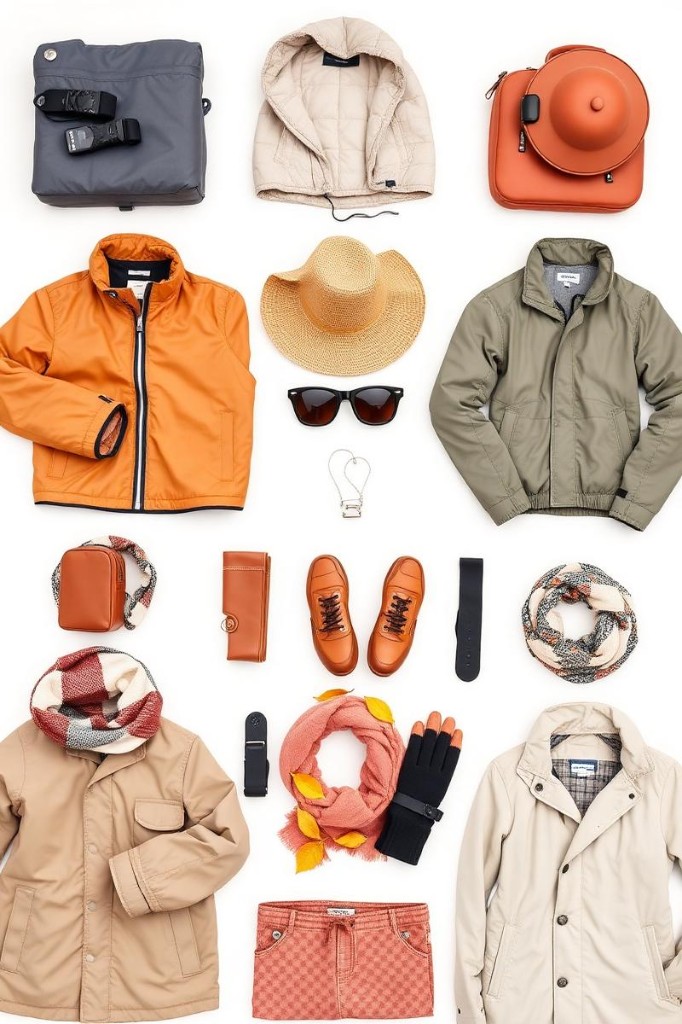
Travel clothing and gear by season

💰 Seasonal budget

PeriodAccommodation (€)Transport (€)Activities (€)Crowds (/5)Budget Tips
Dec-Feb40-8025-4030-505/5Book 2 months in advance
Mar-Apr35-7020-3525-454/5Avoid Easter
May-Jul25-5015-2520-352/5Negotiate long-stay rates
Aug-Oct20-4515-2515-301/5Best prices of the year

💡 Money-saving tips

  • Avoid December-January: Most expensive period with maximum crowds
  • Favor May-June: Start of the wet season, reduced prices but still decent conditions
  • Early booking: 30% savings possible in high season
  • Local accommodation: Pupuserías and family-run pensiones for tight budgets
  • Public transport: Local buses are very economical; car rentals are best shared

🏥 Health and precautions

Health precautions by season:

  • All year: Hepatitis A/B vaccination, reinforced sun protection
  • Dry season: Intensive hydration, watch for dehydration at altitude
  • Wet season: Mosquito repellent, watch for stagnant water
  • Mountains: Gradual altitude adaptation, warm clothing
  • Coast: Maximum UV protection, watch for sea currents
  • Food: Avoid ice cubes and raw vegetables, prioritize bottled water

Salvadoran Events & Festivals

Cultural calendar and festivities not to be missed in El Salvador

The rich Salvadoran culture is expressed through colorful festivals paced by the seasons, offering an authentic immersion into ancient local traditions.

🎭 Festival de Mayo (May)

Description: A major celebration marking the start of the rainy season with folk dances, traditional music, and local gastronomy. The festive atmosphere fills the entire country in an explosion of colors and collective joy typical of El Salvador.

Location: San Salvador and major cities

Special feature: Unique fusion of pre-Hispanic traditions and colonial influences

Climate impact: First rains create an authentic tropical atmosphere

⛪ Semana Santa (March-April)

Description: A spectacular Holy Week with grand processions, colorful flower carpets, and theatrical portrayals of the Passion. Intense religious emotion transforms the streets into ephemeral art galleries of striking beauty.

Location: Sonsonate, Izalco, San Salvador

Special feature: Alfombras (carpets) made of colored sawdust and flower petals

Climate impact: Dry weather ideal for long outdoor processions

🌽 Fiestas Patronales (August-September)

Description: Local patron saint festivals celebrating protector saints with fairs, concerts, traditional dances, and regional culinary specialties. Each town reveals its unique cultural identity in a friendly and warm atmosphere.

Location: All municipalities of El Salvador

Special feature: Authentic discovery of specific local traditions

Climate impact: Tropical rains add freshness to evening festivities

Seasonal events

Dry Season (Nov-Apr):

  • International Jazz Festival (January)
  • San Miguel Carnival (February)
  • Coffee Festival (March)

Wet Season (May-Oct):

  • Flower Festival (May)
  • Fiestas Agostinas (August)
  • Corn Festival (September)

Climatic conditions directly influence organization: outdoor events are favored in the dry season, while indoor festivities are adapted for tropical rains.

Responsible Travel in El Salvador

Traveling responsibly in El Salvador means respecting fragile ecosystems, supporting local communities, and adapting your practices to climatic specifics to minimize environmental impact while maximizing positive outcomes.

El Salvador is home to precious tropical ecosystems that are particularly sensitive to climatic variations. Wildlife breeding periods, flowering cycles, and the fragility of coral reefs require a respectful approach adapted to the seasons to preserve this exceptional biodiversity.

🌱 Low-season advantages

Traveling in the wet season reduces tourist pressure, lowers your carbon footprint through spread-out attendance, and supports the local economy during less favored periods, creating a more balanced and sustainable tourism.

♻️ Sustainable travel tips

  • Water management: Save during the dry season, rainwater harvesting is possible
  • Waste: Avoid plastics, prioritize reusable water bottles and bags
  • Transport: Public buses, carpooling, walking in cities
  • Biodiversity: Respect nesting periods, stay on marked trails only
  • Energy: Moderate air conditioning, prioritize natural fans
  • Food: Local seasonal products, traditional markets

🏙️ Local sustainable initiatives

El Salvador is developing eco-innovative projects: volcanic reforestation, geothermal energy, marine conservation programs, organic coffee cooperatives, and rural tourism community initiatives that perfectly integrate sustainable development and environmental preservation.

Our Expert Recommendations

Expert recommendations for your trip to El Salvador

After an in-depth analysis of climatic data and field experience, our personalized recommendations optimize your stay according to your priorities. Each tip is based on precise meteorological observations and practical knowledge of Salvadoran seasonal specifics to ensure a successful travel experience.

🌟 Optimal Period: December - March

Recommended Months: December, January, February, March

Advantages:

  • Ideal weather conditions everywhere
  • Perfect visibility of volcanoes and landscapes
  • Calm sea for water activities
  • Passable roads in all regions
  • Festive year-end atmosphere

Disadvantages:

  • High season prices
  • Maximum tourist crowds

Ideal Profile: First-time visitors, families with children, comfort-seeking travelers, landscape photographers

⚖️ Balanced Alternative: May - June

Alternative Months: May, June

Description: Start of the wet season offering the best price/weather compromise with spectacular lush landscapes and moderate rains, generally in the late afternoon.

Specific Advantages:

  • Significantly reduced rates
  • Lush nature at its peak
  • Fewer tourists, authentic experience
  • Waterfalls and rivers at their maximum

👥 Tips for your travel style

👨‍👩‍👧‍👦 Family: December-March is a must, avoid the rainy season. Focus on the coast and accessible sites. Months: December-February

💰 Budget: May-June is an excellent compromise, negotiation possible. Avoid December-January. Periods: May-July

🥾 Adventure: Possible all year round, wet season for extra challenges. Seasons: November-April is optimal

✨ Luxury: December-March for perfect conditions, premium services available. Timing: January-March

📸 Photographer: Dry season for volcanoes, wet for lush vegetation. Light: November-April

⚠️ Periods to avoid: September - October

Peak of the wet season with intense daily rains, risk of local flooding, difficult road access, and reduced visibility. Reserved for travelers very experienced with tropical climates.

Cities to explore

Discover the must-sees of urban travel

All cities

Frequently Asked Questions

Answers to essential questions to plan your trip to El Salvador according to optimal climatic conditions.

What is the best time to visit El Salvador?

The optimal period is from November to April (dry season) with pleasant temperatures of 22-30°C / 71.6-86°F, very little rain, and excellent visibility. December to March is the ideal peak for a first visit.

Can you travel to El Salvador during the rainy season?

Yes, the wet season (May-October) remains viable with advantages: reduced prices, lush green landscapes, and fewer tourists. Rains are generally short and occur in the late afternoon. May-June offers the best compromise.

What is the climate like in the different regions?

El Salvador has three climatic zones: hot and humid Pacific coast (26-30°C / 78.8-86°F), temperate central plateaus (18-28°C / 64.4-82.4°F), and cool mountains (15-25°C / 59-77°F). Altitude significantly influences temperatures.

What clothes should I pack according to the season?

In the dry season: light clothing, sun protection, and a fleece for altitude. In the wet season: breathable clothing, raincoat, waterproof shoes, and mosquito repellent. Always pack layers for altitude variations.

Are there any specific climatic risks?

The main risks are intense rains in September-October which can cause local flooding, and high UV exposure all year round requiring reinforced protection. Altitude can cause sudden temperature changes.