When to visit Santa Ana? City-Trip Guide

Discover the best time to explore this Salvadoran colonial gem according to its contrasting tropical seasons.

  • 0.25 M population
  • Spanish language
  • 120 days rainy days/year
  • from November to April best time to visit
  • 3 to 5 days recommended stay

Tropical Climate of Santa Ana

Understanding the tropical mountain climate of Santa Ana

Santa Ana enjoys a tropical savanna climate tempered by its altitude of 665 meters / 2,182 feet. This unique geographical location, at the foot of the Ilamatepec volcano, creates an urban microclimate that is cooler than the capital, with marked variations between the dry and wet seasons.

  • Historic City Center: Urban area with a moderate heat island effect, temperatures slightly higher
  • Mountainous Periphery: Cooler and more humid climate, especially towards the Santa Ana volcano
MonthMin Temp (°C / °F)Max Temp (°C / °F)Precipitation (mm / in)Sunshine (h/day)Tourist TrafficRecommended Activities
January16 / 6128 / 825 / 0.28⭐⭐⭐Volcano visit, historic center
February17 / 6330 / 868 / 0.39⭐⭐⭐⭐Hiking, festivals
March18 / 6432 / 9015 / 0.68⭐⭐⭐⭐Urban exploration
April19 / 6633 / 9135 / 1.47⭐⭐⭐Markets, museums
May19 / 6631 / 88110 / 4.36⭐⭐Indoor activities
June18 / 6429 / 84180 / 7.15⭐⭐Museums, cafes
July18 / 6429 / 84140 / 5.56⭐⭐Colonial architecture
August18 / 6429 / 84160 / 6.36⭐⭐Galleries, restaurants
September18 / 6428 / 82220 / 8.75Local life, covered markets
October18 / 6428 / 82180 / 7.16Urban heritage
November17 / 6328 / 8245 / 1.87⭐⭐⭐Volcano ascent
December16 / 6127 / 8112 / 0.58⭐⭐⭐⭐Festivities, panoramas

The altitude of Santa Ana (665m / 2,182ft) provides milder temperatures than coastal areas, with differences of 3-5°C / 5-9°F. Peripheral areas towards the volcano can be 2-3°C / 4-5°F cooler than the city center.

The Seasons

Must-sees by weather

Optimize your stay in Santa Ana by choosing your activities according to weather conditions. This organization will allow you to fully enjoy every moment.

☔ In cloudy/rainy weather

Indoor & sheltered

Rainy days reveal the cultural and gastronomic charm of Santa Ana.

Recommended sites:
🏛️ Santa Ana Art Museum (2h, $3, closed Monday)
⛪ Santa Ana Cathedral with guided tours (1h, free)
🎨 Casa de la Cultura - local exhibitions (1h30, $2)
☕ Historic city center cafes for tastings
🛍️ Covered Central Market - local crafts
🍽️ Traditional authentic pupuserias

Practical tip: Book guided tours online; less crowded during the wet season

Additional tip: Combine the museum and cathedral in the same sector, then have lunch at the covered market

☀️ In good weather

Optimal outdoor

The sun reveals all the architectural splendor and exceptional panoramas of Santa Ana.

Recommended sites:
🌋 Santa Ana/Ilamatepec Volcano - summit hike (6h, $6)
🏛️ Historic center and colonial architecture (3h, free)
🌅 Mirador de la Cruz - city panorama (1h, free)
🌸 Parque Libertad and gardens (2h, free)
🏛️ Teatro de Santa Ana - facade and tours (1h, $4)
📸 Colonial residential neighborhood for photos

Best time of day: Sunrise from the volcano (6 AM), golden hour in the city center (5 PM-6 PM)

Season tip: November to March is optimal; avoid April (too hot for hiking)

🌤️ Versatile for all weather

Flexible

These sites adapt perfectly to frequent weather changes.

Recommended sites:
🏛️ Palacio Municipal - interior/exterior (1h)
🛍️ Covered shopping arcades
⛪ Churches with sheltered courtyards

Weather tip: Start outdoors in the morning, retreat indoors if it rains in the afternoon

Example itinerary: Morning at the central square → covered lunch → afternoon museums if it rains

💰 Free or economical

No cost

Free sites:
🏛️ Historic center and colonial architecture
🌅 All viewpoints and panoramas
⛪ Free visits to churches
🌸 Public parks and gardens

Free days: Museums free on the first Sunday of the month for residents

Budget tips: Local markets for economical meals, walks in residential neighborhoods, free panoramas

Practical Guide

Prepare your city trip to Santa Ana with these tips adapted to the climatic and urban specificities of this charming Salvadoran colonial city, balancing modernity and tradition.

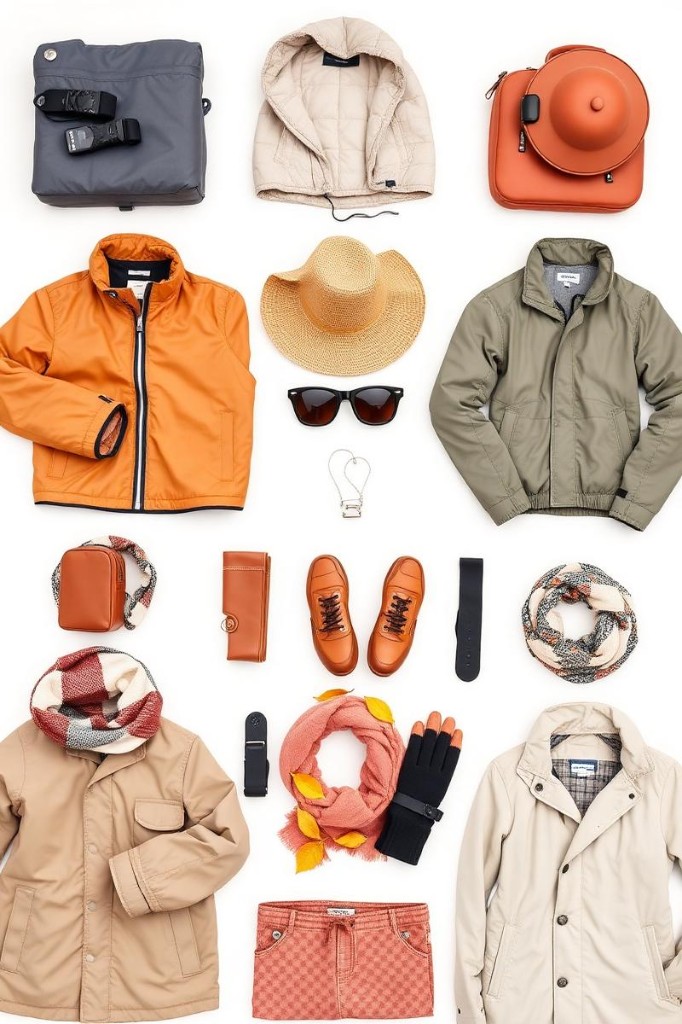
👕 Seasonal packing

Dry season (Nov-Apr): • Hiking shoes for the volcano • Hat and sunglasses • Lightweight breathable clothing • Light jacket for cool evenings

Wet season (May-Oct): • Compact raincoat and umbrella • Non-slip waterproof shoes • Quick-dry clothing • Waterproof bag for electronics
Travel clothing and gear by season

💰 Seasonal budget

PeriodCenter Accommodation (€/night)Transport (€/day)Restaurants (€/day)Attractions (€)Crowds
Dry season25-458-1215-2515-20⭐⭐⭐⭐
Rainy season18-356-1012-2012-18⭐⭐
Holidays (Dec-Jan)35-6010-1518-3020-25⭐⭐⭐⭐⭐

💡 Money-saving tips

• Family accommodations are 30% cheaper than city center hotels • Local pupuserias: full meals for €3-5 vs. tourist restaurants at €15 • Local public transport is very economical (€0.25) • Local markets for authentic souvenirs at lower prices • Nature activities are often free or inexpensive

🏥 Health and precautions

• Increased hydration in the dry season and during hikes • Sun protection is essential at altitude • Mosquito repellent in the wet season • Closed shoes for walking on colonial cobblestones • Pharmacies open until 8 PM in the center • Bottled water is recommended

Urban Events

Calendar of must-see events in Santa Ana

Traditional festivities define the cultural life of Santa Ana, transforming the urban atmosphere and offering an authentic immersion into Salvadoran culture.

🎭 Fiestas Julias (July)

The patronal festival of Santa Ana transforms the city into a giant cultural stage with religious processions, concerts, folk dances, and street food. The festive atmosphere fills every street in the historic center.

Location: Historic center and Parque Libertad

Special feature: Unique blend of religious traditions and popular festivities

Climate impact: Despite the rainy season, festivities continue with covered structures

Transport access: Special shuttles from San Salvador, limited traffic in the city center

Planning tip: Book accommodation 2 months in advance; prices double during the festival

🎨 Festival de Arte y Cultura (February)

A major artistic event bringing together local and international artists in a celebration of contemporary Salvadoran art. Exhibitions, concerts, and participatory workshops bring the city to life.

Location: Casa de la Cultura and heritage sites

Special feature: Focus on Central American contemporary art

Climate impact: Dry season is ideal for outdoor installations and open-air concerts

Transport access: Easy during dry weather, temporary parking provided

Planning tip: Advance tickets available; detailed program released in January

🎄 Posadas Navideñas (December)

Salvadoran Christmas traditions come to life with nightly processions, craft markets, and magical illuminations in the historic center. A warm family atmosphere is guaranteed.

Location: Cathedral and pedestrian streets of the center

Special feature: Candlelight processions and live nativity scenes

Climate impact: Dry season is perfect for nighttime strolls

Transport access: Pedestrianized center, peripheral parking recommended

Planning tip: Accommodations fill up; book before November

Seasonal events

Dry Season: • Semana Santa - processions (March/April) • Feria Gastronómica - local specialties (January) • Colonial Music Festival (February)

Wet Season: • Independence Day - patriotic parades (September) • Coffee Festival - coffee celebration (October) • Day of the Dead - ancestral traditions (November)

Responsible City Trip

Adopt an eco-responsible approach during your visit to Santa Ana by prioritizing sustainable practices that respect the local environment and support communities.

Santa Ana offers many opportunities for responsible urban tourism: prioritize walking in the compact historic center, support local artisans in traditional markets, choose family-run restaurants over chains, and respect natural sites during volcanic excursions.

🌱 Low-season advantages

Visiting during the rainy season reduces tourist pressure, allows for a more authentic experience with locals, offers advantageous rates, and reduces environmental impact on fragile natural sites.

♻️ Sustainable travel tips

• Prioritize walking or local public transport • Eat in authentic family pupuserias • Buy souvenirs directly from artisans in markets • Choose certified eco-friendly local accommodations • Reduce plastic waste with a reusable water bottle • Respect marked trails during volcanic hikes

🏙️ Local sustainable initiatives

Santa Ana is developing sustainable initiatives: progressive pedestrianization of the historic center, promotion of local fair-trade coffee, colonial heritage preservation programs, awareness for the protection of the Santa Ana volcano, and support for traditional craft cooperatives.

Our Recommendations

Recommendations for your city trip to Santa Ana

After analyzing climatic conditions, tourist traffic, and cultural events, here are our personalized tips to optimize your stay in this colonial gem. Santa Ana reveals different facets depending on the season, between the festive dynamism of the dry season and the intimate authenticity of the rainy season.

🌟 Optimal Period: December to March

Advantages:
• Ideal weather conditions for all activities
• Clear skies perfect for the volcano ascent
• End-of-year festivities and festive atmosphere
• Pleasant cool temperatures for urban walking
• Maximum visibility for photography

Key events: Posadas Navideñas, Festival of Art and Culture, Gastronomic Fair

Disadvantages: Higher tourist traffic, accommodation prices increased by 40%

Ideal profile: Hikers, photographers, families, first-time travelers

Stay duration: 4-5 days recommended

🌿 Interesting Alternative: November and May

Transition months offering an excellent compromise between acceptable weather conditions and moderate crowds. November marks the end of the rains with vegetation still lush, while May offers the first refreshing storms.

Specific advantages: Attractive prices, more authentic experience, lush landscapes, mild temperatures

For whom: Experienced travelers, moderate budgets, nature photography enthusiasts

👥 Tips for your travel style

Family: Dry season, residential area accommodations, short adapted activities
Budget: May-October, local pupuserias, public transport, family accommodations
Culture: All year, focus on museums and festivals according to the calendar
Romantic: December-February, volcano sunsets, terrace restaurants
Weekend: Dry season preferred, condensed historic center program
First trip: January-March, optimal conditions, local guides recommended

⚠️ Periods to avoid: September-October

Reasons: Peak of the rainy season with maximum precipitation, volcanic trails often closed, reduced visibility for panoramas, risks of occasional urban flooding

Nuances: Acceptable for flexible travelers focusing on culture and gastronomy, very attractive prices

Villes du même pays

All cities

Frequently Asked Questions

Find essential answers to plan your city trip to Santa Ana with peace of mind, considering local climatic specificities.

What is the best month to visit Santa Ana?

February is ideal: perfect weather conditions, pleasant temperatures (17-30°C / 63-86°F), no rain, the Art and Culture Festival, and moderate crowds. December-January are also excellent but more touristy. Avoid September-October (peak rainfall). Santa Ana's altitude offers a milder climate than the coast all year round.

How many days should I plan for Santa Ana?

3-4 days are enough for the historic center and main sites. Add 1-2 days if you plan to hike the Santa Ana volcano and explore nature. A weekend is possible but intense. A relaxed pace is recommended to enjoy the colonial atmosphere, taste local specialties, and meet friendly locals. Adjust according to your cultural or nature interests.

What to do in Santa Ana if it rains?

Museums and covered sites reveal the cultural richness: Art Museum, Cathedral with guided tours, Casa de la Cultura, historic cafes for tastings, covered Central Market, and authentic pupuserias. Colonial architecture can be explored under the arcades. Perfect for immersing yourself in local life and traditional Salvadoran gastronomy.

What events should not be missed in Santa Ana?

Fiestas Julias in July (major patronal festival), Festival of Art and Culture in February (contemporary art), Posadas Navideñas in December (Christmas traditions). Semana Santa in March/April for processions. Each event transforms the urban atmosphere. Book accommodation 1-2 months before these key periods. Check the local calendar for spontaneous events.

What budget should I plan for depending on the season?

Dry season: €60-80/day (accommodation €25-45, meals €15-25, activities €15). Rainy season: €40-60/day (accommodation €18-35, meals €12-20). Festival periods: +40% on accommodation. Savings: local pupuserias (€3-5), public transport (€0.25), many free sites. A comfortable budget is €70/day in the dry season.