When to visit Kolonia? City-Trip Guide

Explore the Micronesian capital under a constant tropical climate, between historic remains and turquoise lagoons.

  • 0.006 M population
  • English, Pohnpeian language
  • 200 days rainy days/year
  • December to April best time to visit
  • 3 to 5 days recommended stay

Tropical Climate of Kolonia

Understanding the equatorial climate of Kolonia

Kolonia enjoys a tropical equatorial climate with consistent temperatures throughout the year. Its island location in Micronesia generates high humidity and regular rainfall, creating a lush atmosphere ideal for discovering this historic Pacific capital.

  • Coastal Zone: Benefits from refreshing trade winds and moderate humidity
  • Historic City Center: Slightly warmer with minimal urban heat island effect
  • Nearby Mountainous Areas: Cooler and wetter with frequent fog
MonthMin Temp (°C / °F)Max Temp (°C / °F)Precipitation (mm / in)Sunshine (h/day)Tourist TrafficRecommended Activities
January24°C / 75°F30°C / 86°F180mm / 7.1in6⭐⭐⭐Diving, historic sites
February24°C / 75°F30°C / 86°F150mm / 5.9in6⭐⭐⭐Hiking, culture
March24°C / 75°F31°C / 88°F170mm / 6.7in6⭐⭐⭐Urban exploration
April25°C / 77°F31°C / 88°F200mm / 7.9in5⭐⭐Museums, markets
May25°C / 77°F31°C / 88°F280mm / 11.0in5⭐⭐Indoor sites
June25°C / 77°F31°C / 88°F320mm / 12.6in4Cultural centers
July25°C / 77°F31°C / 88°F350mm / 13.8in4Indoor activities
August25°C / 77°F31°C / 88°F380mm / 15.0in4Covered heritage sites
September25°C / 77°F31°C / 88°F400mm / 15.7in4Museums, galleries
October25°C / 77°F31°C / 88°F350mm / 13.8in5Historic sites
November25°C / 77°F31°C / 88°F250mm / 9.8in5⭐⭐Urban discovery
December24°C / 75°F30°C / 86°F200mm / 7.9in6⭐⭐⭐Outdoors, lagoons

Altitude variations around Kolonia have little influence on temperatures but increase humidity and rainfall in the highlands of Pohnpei island.

The Seasons

Attractions by Climate

Optimize your stay in Kolonia by adapting your visits to weather conditions to fully enjoy the historical and natural treasures.

☔ In cloudy/rainy weather

Protected and covered sites

Rainy days are perfect for exploring the rich cultural heritage of Kolonia sheltered from the elements.


Recommended sites:
🏛️ Pohnpei Museum - 2h visit - 5$ - Micronesian history
🏢 Historic administrative offices - 1h - Free - Colonial architecture
🛍️ Covered markets - 1-2h - Free - Local crafts
⛪ Historic churches - 30min - Free - Religious heritage
🏪 Local shopping centers - Variable - Traditional shopping
📚 Public library - 1h - Free - Local culture

Practical tip: Book museum guided tours online to avoid waiting
Hint: Combine several city center sites to optimize your travel
☀️ In good weather

Optimal outdoor exploration

Take advantage of the sun to discover the natural and historical wonders of Kolonia and its surroundings in the open air.


Must-see sites:
🏛️ Nan Madol Ruins - 3-4h - 25$ - Venice of the Pacific
🌺 Botanical gardens - 2h - 10$ - Tropical flora
🏖️ Beaches and lagoons - Full day - Free - Swimming and snorkeling
⛰️ Panoramic viewpoints - 1-2h - Free - Exceptional photos
🚶 Walks in the historic center - 2-3h - Free - Colonial architecture
🛶 Canoe excursions - 2-4h - 30-50$ - Mangrove exploration

Best time: Early morning (7am-10am) or late afternoon (4pm-6pm) to avoid the heat
Seasonal tip: December to March offer optimal conditions

🌤️ Versatile for all weather

Flexible sites

These attractions adapt to all weather conditions thanks to their mixed design.


Adaptable sites:
🏛️ Pohnpei Cultural Center - Covered spaces and gardens
🍽️ Restaurants with covered terraces - Local gastronomy
🛍️ Semi-covered markets - Shopping and culinary discoveries

Weather hint: Start outdoors if the weather is nice, retreat indoors if necessary

Typical itinerary: Morning at the market, lunch on a covered terrace, afternoon at the cultural center depending on weather

💰 Free or budget-friendly

Discoveries without cost

Explore Kolonia without impacting your budget thanks to these free or very affordable attractions.


Free activities:
🚶 Walk in the historic colonial center
🏖️ Access to public beaches and lagoons
⛰️ Panoramic viewpoints over the bay
🛍️ Visit local markets (without purchase)
⛪ Discovery of historic churches

Reduced rates: Some museums offer discounts for students
Budget tips: Picnic on the beaches, free hikes, sunsets from high points

Practical Guide

Prepare your stay in Kolonia with our tips adapted to the tropical climate and the specificities of this unique Pacific island destination to optimize your urban experience.

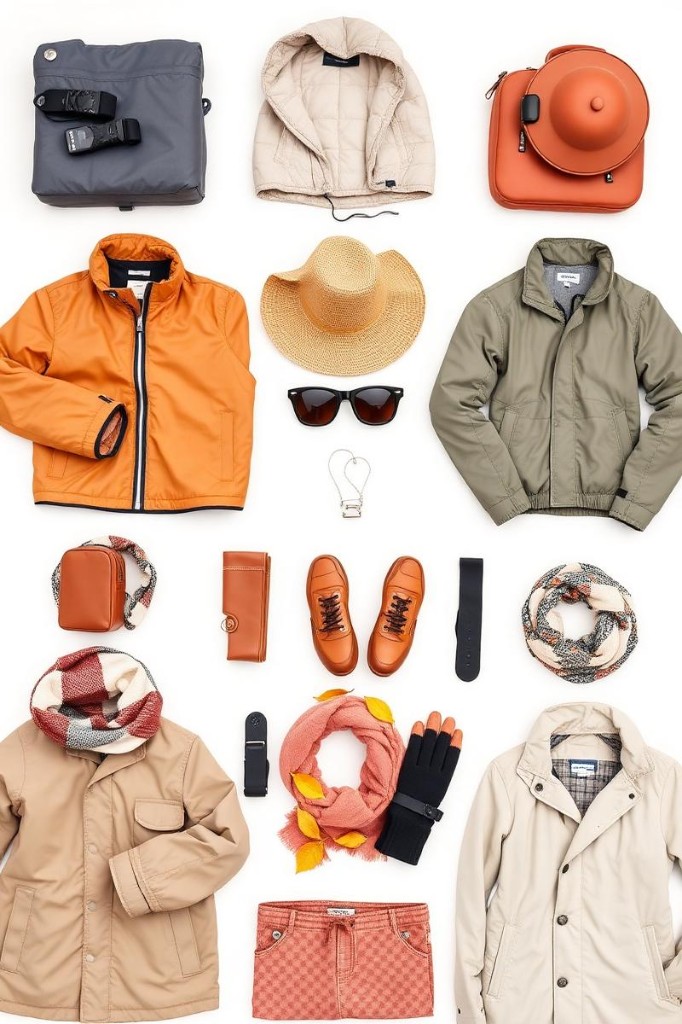
👕 Seasonal packing

Dry Season (December-April): • Breathable walking shoes and sandals • Lightweight cotton clothing • Hat and sunglasses • Swimsuit and towel • Light jacket for air conditioning

Wet Season (May-November): • Lightweight raincoat and compact umbrella • Waterproof, quick-drying shoes • Long-sleeved anti-mosquito clothing • Waterproof bag to protect electronics • Extra change of clothes
Travel clothing and gear by season

💰 Seasonal budget

PeriodCenter Accommodation (€/night)Transport (€/day)Restaurants (€/day)Attractions (€)Attendance
Dec-Feb80-12015-2525-4030-50⭐⭐⭐
Mar-Apr70-11015-2525-4030-50⭐⭐⭐
May-Jul60-9010-2020-3525-40⭐⭐
Aug-Nov50-8010-2020-3525-40

💡 Money-saving tips

• Negotiate accommodation rates in the wet season • Favor local restaurants over tourist establishments • Opt for public transport or walking in the center • Take advantage of free activities like beaches and hiking • Buy souvenirs directly from local artisans

🏥 Health and precautions

Anti-mosquito protection essential year-round • Increased hydration due to high humidity • High-protection sunscreen (reflection on water) • First aid kit for minor cuts • Sufficient personal medication • Local pharmacy available in the city center

Cultural Events

Calendar of traditional festivities in Kolonia

Micronesian cultural events shape life in Kolonia and offer a unique immersion into Pacific traditions, influencing the urban atmosphere and tourist numbers.

🎭 Micronesian Cultural Festival (March)

A major celebration of local traditions featuring dances, music, and traditional crafts throughout downtown Kolonia. The event transforms the capital into a living open-air museum.

Location: Cultural center and public squares
Highlight: Ancestral craft demonstrations and traditional costume performances
Impact: High attendance, accommodation bookings recommended 2 months in advance
Access: Walking distance from all city center accommodations
Tip: Book early as accommodation capacity is limited

🏛️ Nan Madol Heritage Day (September)

A special event dedicated to preserving the historic site with exceptional guided tours and traditional ceremonies. Despite the wet season, it is a privileged moment to understand the Micronesian legacy.

Location: Nan Madol site and city center
Highlight: Access to areas of the archaeological site usually closed to the public
Impact: Specially organized transport, limited group sizes
Access: Shuttles from Kolonia
Tip: Bring rain gear, registration mandatory

🎆 Pacific New Year Celebrations (January)

Festivities blending Micronesian traditions with international influences, featuring fireworks over the lagoon and exceptional night markets in the streets of Kolonia.

Location: Waterfront and city center
Highlight: Unique fusion of modernity and ancestral traditions
Impact: Peak tourist attendance, increased accommodation rates
Access: Events concentrated in a small perimeter
Tip: Booking essential, arrival recommended before December 28th

Seasonal events

Dry Season: • Diving festivals (February) • Traditional canoe competitions (March-April) • Enhanced weekly craft markets • Visitor welcome ceremonies

Wet Season: • Indoor culinary festivals (June-August) • Local art exhibitions (July) • Micronesian history conferences (September-October) • Traditional craft workshops

Responsible Tourism

Kolonia, a fragile small island capital, requires a respectful approach to preserve its unique ecosystem and traditional Micronesian culture in the face of tourism challenges.

Responsible tourism in Kolonia involves respecting local traditions, minimizing environmental impact on coral ecosystems, supporting the local economy, and participating in the preservation of the exceptional historical heritage of this Pacific destination.

🌱 Low-season advantages

Visiting Kolonia in the wet season reduces tourist pressure on fragile sites, allows for more authentic exchanges with local communities, and contributes to a more economically balanced tourism.

♻️ Sustainable travel tips

• Use local transport or walk to discover the city center • Choose family-owned restaurants rather than chains • Respect sacred sites and follow local guides • Avoid single-use plastics • Participate in beach cleanup initiatives • Buy directly from local artisans

🏙️ Local sustainable initiatives

Kolonia is developing coral preservation programs, eco-tourism circuits with community guides, local producer markets, and recycling initiatives adapted to the island context for sustainable tourism.

Our Recommendations

Personalized recommendations for your trip to Kolonia

Our climate and cultural analyses reveal that Kolonia is best discovered according to your priorities: optimal weather conditions, available budget, cultural interests, and tolerance for tourist crowds. This unique Pacific destination offers different experiences depending on the chosen period, ranging from exceptional historical discoveries to natural immersion.

🌟 Optimal Period: December to March

Advantages:
• Ideal weather conditions with less rain
• Calm sea perfect for diving at Nan Madol
• Authentic Micronesian cultural festivals
• Optimal visibility for photography
• Pleasant temperatures for urban exploration

Events: Pacific New Year, March Cultural Festival
Disadvantages: Higher attendance, increased accommodation rates
Ideal Profile: First-time visitors, diving enthusiasts, photographers
Recommended Duration: 4-5 days

🌿 Interesting Alternative: November and April

Transition months offering an excellent compromise between acceptable weather conditions and more affordable prices, with fewer tourists for a more authentic experience.

Advantages: Attractive prices, fewer crowds, lush vegetation, privileged local encounters
For whom: Flexible travelers, moderate budgets, lovers of local culture

👥 Tips for your travel style

Family: December-March, accommodations with kitchenettes, beach and cultural activities

Tight Budget: May-October, local guesthouses, markets for meals

Culture: Year-round, local guides, traditional events

Diving: December-April, certified centers, Nan Madol

First Trip: January-March, English-speaking guides if available, must-see sites

⚠️ Periods to Avoid: July to September

Reasons: Very heavy rainfall limiting outdoor activities, maximum humidity, risks of inter-island transport disruptions, reduced visibility for diving
Nuances: Acceptable for pure culture lovers and very tight budgets

Villes du même pays

All cities

Frequently Asked Questions

Answers to essential questions to help you plan your discovery of Kolonia based on optimal weather conditions.

What is the best month to visit Kolonia?

February and March offer optimal conditions with less rainfall, calm seas for diving at Nan Madol, and Micronesian cultural festivals. Attendance remains moderate and prices are acceptable. Avoid July-September due to heavy rainfall that limits outdoor activities, especially exploring the major historic site.

How many days should I plan for Kolonia?

4 to 5 days allow you to discover the essentials: 2 days for Kolonia and its historic sites, 1-2 days for Nan Madol and water activities, plus 1 day for relaxation or weather contingencies. Rushed travelers can see the highlights in 3 days, while history and diving enthusiasts will appreciate 6-7 days for an in-depth exploration.

What to do in Kolonia when it rains?

Kolonia offers several covered alternatives: the Pohnpei Museum to understand Micronesian history, covered markets to discover local crafts, cultural centers with permanent exhibitions, and traditional restaurants to taste local cuisine. Historic churches and colonial buildings also serve as excellent cultural shelters during tropical downpours.

What events should not be missed in Kolonia?

The Micronesian Cultural Festival in March is the major event featuring traditional dances and crafts. The Pacific New Year celebrations in January blend modernity and tradition. In September, Nan Madol Heritage Day offers exceptional access to the archaeological site. Weekly markets and welcome ceremonies pleasantly punctuate any stay.

What budget should I plan according to the season?

In the dry season (December-April): 120-180€ / 130-195$ per day including mid-range accommodation, meals, and activities. In the wet season (May-November): 80-130€ / 85-140$ per day with rates reduced by 30-40%. Add 200-400€ / 215-430$ for international flights depending on the season. Activities like Nan Madol (25€ / 27$) and diving (50-80€ / 55-85$) remain stable year-round. Expect a higher budget during major festivals.