When to visit Yap? City-Trip Guide

Between the idyllic dry season and the generous monsoon, Yap reveals a unique Micronesian authenticity at every time of the year.

  • 0.011 M population
  • Yapese, English language
  • 140 days/year rainy days/year
  • December to April best time to visit
  • 5 to 10 days recommended stay

Weather and climate in Yap

Understanding the tropical maritime climate of Yap

Yap enjoys a tropical maritime climate, influenced by its position at 9° north latitude in the Western Pacific. Temperatures remain stable year-round between 24°C / 75°F and 31°C / 88°F, while high humidity (80-85%) and the alternation between the dry season and the monsoon define the visitor experience. The proximity to the ocean tempers extreme conditions.

  • Coastal Zone: Temperatures moderated by sea breezes, constant humidity
  • Island Interior: Slightly warmer and more humid, lush vegetation
  • Lagoon: Warm waters year-round, ideal for diving and water activities
MonthMin Temp (°C / °F)Max Temp (°C / °F)Precipitation (mm)Sunshine (h/day)Tourist TrafficRecommended Activities
January23 / 7329 / 841206⭐⭐⭐⭐Diving, traditional villages, stone money
February23 / 7329 / 84907⭐⭐⭐⭐Snorkeling, hiking, Yapese culture
March24 / 7530 / 86807⭐⭐⭐⭐⭐Yap Day Festival, manta ray diving
April24 / 7530 / 861007⭐⭐⭐Kayaking, mangroves, traditional fishing
May24 / 7530 / 861406⭐⭐Diving, cultural discovery, markets
June24 / 7530 / 861805⭐⭐Deep diving, abundant marine life
July24 / 7529 / 842205Bird watching, local museums
August24 / 7529 / 842804Inland culture, local crafts
September24 / 7529 / 842904Museums, villages, introspective stays
October24 / 7529 / 842804Wreck diving, exceptional marine life
November24 / 7529 / 842005⭐⭐Dry season transition, diving, hiking
December23 / 7329 / 841406⭐⭐⭐Manta ray diving, local festivals, snorkeling

Altitude variations on Yap are minimal, with the island peaking at only 178 meters / 584 feet. Climatic differences are therefore negligible between the coast and the interior, maintaining homogeneous conditions across the territory.

The seasons in Yap

Must-sees according to the weather

Yap holds cultural and natural treasures whose optimal discovery depends closely on weather conditions. Here is how to organize your stay to make the most of every climatic situation.

☔ In cloudy or rainy weather

Indoor & cultural in the rain

Yap is one of the few Pacific destinations where cultural richness allows you to get through a rainy day with the same wonder as a dive in the sun. Here is how to occupy your time during monsoon showers.

  • 🏛️ Yap Living History Museum (Bechiyal Cultural Center)—2-3 hours visit, free entry on donation, open year-round. Ideal for understanding the history of stone money and Yapese matrilineal society.
  • 🪨 Colonia Stone Money Sites—1 hour, free access, perfect in gray weather to photograph rai stones without harsh backlighting.
  • 🎨 Traditional craft workshops—weavers, sculptors, lavalava braiders. Ask your accommodation to put you in contact, 1-2 hours, very affordable.
  • 📚 Yap Historic Preservation Office—archives, maps, and historical photographs, 1-2 hours, free access.
  • Catholic Church of Colonia—Spanish colonial architecture, free visit, 30 min.

Practical tip: Cultural sites do not require reservations, but it is highly recommended to dress modestly (shoulders and knees covered) out of respect for Yapese traditions.

Tip: Combine the visit to the living museum with a dance or weaving lesson for total immersion, often offered for free by locals.
☀️ In good weather

Outdoor and sea at their best

When the sky clears in Yap, a true festival of blues, corals, and open-air traditions is offered to you. The Mi'il Channel then becomes one of the most fascinating dive spots on the planet.

  • 🤿 Diving in Mi'il Channel (Manta Ray Bay)—2-4 hours, 50-80 USD/guided trip, maximum visibility from December to April. Best time: 8 AM-11 AM.
  • 🐠 Snorkeling at Yap Caverns reef—2 hours, accessible by kayak or boat, to be practiced early in the morning before the sea breeze.
  • 🛶 Sea kayaking in the mangroves—3-4 hours, guided tours available (40-60 USD), ideal at high tide at sunrise.
  • 🌴 Traditional villages of Fanif and Rull—1-2 hours hike, mandatory guided tour (20-30 USD), dance and welcome ceremony in the late afternoon.
  • 🎣 Traditional outrigger fishing—half-day, direct arrangement with local fishermen, authentic experience.
  • 🌅 Sunset from the Colonia jetty—free, spectacular golden hour from November to March.

Best photo time: golden hour at 6 AM on the lagoon for perfect reflections and zero tourists in sight.

Seasonal tip: Avoid sea trips from July to October in case of bad weather warnings. Always consult your local dive operator.

🌤️ Versatile for all weather

Flexible sites, sun or rain

Some of Yap's must-sees are enjoyable regardless of the weather, thanks to their mixed nature or protected setting.

  • 🪨 Maap Stone Money Path—partially shaded trail, 1-2 hours of walking, sublime in both rain and sun.
  • 🌿 Colonia Mangrove Forest—walk on partially covered wooden walkways, birdlife to observe at any time.
  • 🏝️ Bechiyal Village—stilt houses, covered living museum, and medicinal plant garden, suitable for all conditions.

Weather tip: In case of a downpour, head immediately to the communal houses (faluw), which sometimes offer demonstrations of weaving or traditional navigation.

Typical itinerary: Morning – stone money path + Bechiyal village (2 hours) / Local lunch in Colonia / Afternoon – mangrove kayaking if good weather or craft workshops if rain.

💰 Free or very economical

Discovering Yap without breaking the bank

  • 🪨 Colonia Stone Money—freely accessible in the city's streets and squares, free walking tour.
  • 🌅 Chamorro Bay Beach—free access, snorkeling in shallow waters, free parking.
  • 🎭 Public community dances—some evenings in the dry season, check with your accommodation.
  • 🦜 Bird watching in mangroves—accessible on foot from Colonia, free, best at dawn.

Budget tip: Local markets around the Colonia jetty offer fresh fruits, smoked fish, and crafts at local prices, far from tourist boutiques.

Practical Guide

Traveling to Yap requires preparation adapted to the tropical climate and respect for local traditions. Between constant heat, sudden rains, and transitions between village and reef, here are the essentials for a comfortable and respectful stay on this timeless island.

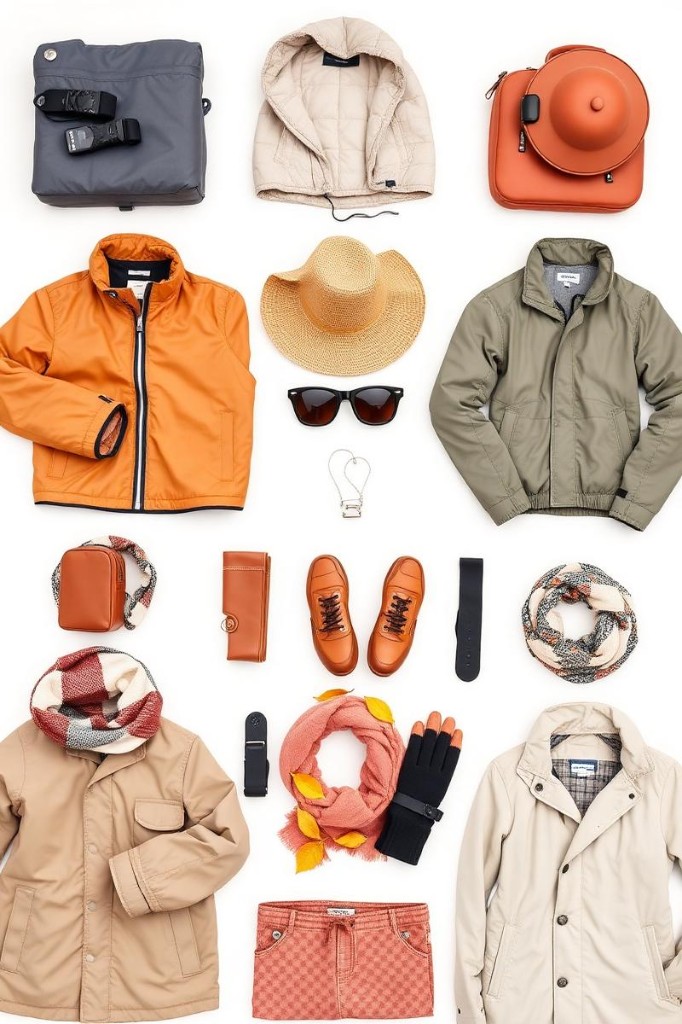
👕 Seasonal packing

Dry Season (Dec. – Apr.): • Swimsuit and light wetsuit (1-2 mm) • Lightweight breathable t-shirts • Sarong or pareo (mandatory in villages) • Water sandals • High-protection mineral sunscreen • Polarized sunglasses

Pre/post-monsoon (May – June, Nov.): • Lightweight waterproof rain cape • Lightweight closed-toe shoes for slippery hiking • Quick-drying clothing • Strong mosquito repellent • Dry bag for cameras

Monsoon (July – Oct.): • Full waterproof clothing • Lightweight boots or trekking sandals • Multiple sets of spare clothing • Backpack with integrated rain cover • First aid kit with anti-parasitics

Travel clothing and gear by season

💰 Seasonal budget

PeriodAccommodation ($/night)Transport ($/day)Restaurants ($/day)Attractions ($)Traffic
Dec. – Feb.80-18020-4030-6050-100⭐⭐⭐⭐
March (Yap Day)120-22025-4535-7050-100⭐⭐⭐⭐⭐
April – May60-13015-3525-5040-80⭐⭐⭐
June50-10015-3020-4530-70⭐⭐
July – Oct.35-8010-2515-3520-50
November45-10012-3020-4025-60⭐⭐

💡 Money-saving tips

💡 Accommodation: Book 3 to 6 months in advance for March (Yap Day); the few available rooms go very quickly on such a small island.

💡 Diving: Opt for multi-dive packages (5 to 10 dives) offered by specialized hotels—up to 30% savings vs. individual bookings.

💡 Dining: The Colonia market and local snack bars offer complete meals (grilled fish, taro, fruits) for 5 to 10 USD—take advantage of them.

💡 Transport: Rent a scooter or bicycle (10-20 $/day) rather than a taxi to freely explore villages and stone money sites.

💡 Low season: July-October offers accommodation rates reduced by 40 to 60%—ideal for very tight budgets willing to accept uncertain weather.

🏥 Health and precautions

  • 🦟 Malaria and Dengue: Low but real risk—use a strong DEET repellent, especially in the rainy season.
  • 🌡️ Heatstroke: Hydrate abundantly (minimum 2 L / 68 oz per day), avoid intense physical activities between 11 AM and 3 PM.
  • 🤿 Diving safety: Never dive alone, check your repatriation insurance (nearest hyperbaric chamber is in Guam).
  • 💊 Pharmacy: Medical resources are very limited in Yap—bring your usual medications and a complete kit.
  • 🌊 Marine currents: The Mi'il Channel is subject to strong currents—only go out with a certified guide.

Events in Yap

Calendar of must-see events in Yap

Traditional and cultural events in Yap deeply punctuate island life and radically transform the atmosphere for travelers lucky enough to attend.

🎉 Yap Day Festival – March 1st (and following days)

Yap Day is undoubtedly the most important event on the island. Every March 1st, the four municipalities of Yap gather to celebrate their cultural identity through traditional dances, fishing competitions, craft exhibitions, and welcome ceremonies. Women wear their finest woven lavalavas, and men dance shirtless with shell ornaments. It is a spectacle of rare authenticity, accessible to all visitors in a spirit of openness and sharing.

Location: Main esplanade of Colonia and the villages of Fanif, Rull, Maap, and Gagil.

Special feature: Completely free access and open to tourists — no other Pacific festival offers such intimacy with local traditions.

Impact: The island is at its peak attendance — book your accommodation at least 6 months in advance.

Access: Walking distance from all Colonia accommodations; free shuttles to remote villages.

Tip: Extend your stay by 2-3 days after March 1st to attend secondary celebrations in the villages.

🤿 Manta Fest – December to March (Manta Ray Season)

Although not an official organized festival, the manta ray season in the Mi'il Channel is a true annual natural event that divers from around the world come to celebrate. From December to April, giant manta rays gather in exceptional numbers in this site, ranked among the top ten diving spots in the world. Several local operators organize specialized excursions with marine biologists and awareness sessions on conservation.

Location: Mi'il Channel (Manta Ray Bay), south of the island.

Special feature: Possibility to observe up to 10 to 15 manta rays in a single dive in clear waters at 28°C / 82°F.

Impact: Strong demand for accommodations with diving services — book your dive package at the same time as your flight.

Access: Boat departure from Colonia, 20-30 min trip.

Tip: Choose an operator that is a member of the Yap Visitors Bureau to ensure respectful practices toward the rays.

🎊 Yapese Year-End Celebrations – December

The Christmas and New Year period in Yap blends Catholic traditions inherited from Spanish colonization with Micronesian community rituals in a warm, family atmosphere. Midnight masses at the Colonia church attract the entire community in traditional attire, while families organize feasts featuring fish, tropical fruits, and local kava. The atmosphere is gentle, bright, and deeply human — far from the commercial festivities of large cities.

Location: Catholic Church of Colonia, village squares, waterfront.

Special feature: Unique blend of Catholic spirituality and ancestral Yapese rites — a fascinating cultural syncretism.

Impact: Start of the rise in attendance — book before November for the best availability.

Access: All sites are within walking distance of central Colonia.

Tip: Attend the midnight mass on December 24th for an unforgettable spiritual and cultural experience.

Seasonal events

Dry Season (Dec. – Apr.): • Yap Day Festival (March 1st – Colonia and villages, cultural/must-see) • Manta Ray Season (Dec. – Apr. – Mi'il Channel, natural) • Traditional fishing competitions (Feb.-Mar., Colonia waterfront) • Welcome ceremonies in villages (all season, upon request)

Pre-monsoon (May – June): • Artisanal markets in Colonia (every Saturday morning, central square) • Special diving trips for pelagic fauna (June, local operators)

Monsoon (July – Oct.): • Craft and weaving workshops in villages (by arrangement, all season) • Migratory bird watching (Aug.-Sept., Maap mangroves)

Post-monsoon (Nov.): • First diving trips of the dry season (mid-Nov., Mi'il Channel) • Yap Day preparations in villages (private tours possible)

Traveling to Yap responsibly

Yap is a fragile island, whose marine ecosystems and millennial cultural traditions are directly threatened by poorly managed tourism. Choosing the right period and adopting the right behaviors means contributing to preserving this Pacific treasure for future generations.

Yap has a reef ecosystem among the best preserved in the Pacific thanks to naturally limited tourist traffic. The local community has implemented strict rules for village access, marine protected areas, and respectful dress codes. As a visitor, your responsibility is to support direct local economy—family accommodations, certified guides, authentic crafts—rather than the few international chains present.

🌱 Low-season advantages

Visiting Yap outside the dry season (May-June or November) helps reduce pressure on the most frequented dive sites, support the local economy during the off-season, benefit from much lower prices, and live an authentic experience without mass effects.

♻️ Sustainable travel tips

🚶 Walking and cycling: Prioritize walking or cycling for all your travel in Colonia—the island is small and distances are short.

🤿 Responsible diving: Never touch manta rays or corals, respect safety distances, and choose operators certified by the Yap Divers Association.

👘 Dress code: Wear a sarong or pareo in all villages—it is a local requirement, not a suggestion.

🛒 Local shopping: Buy your souvenirs directly from artisans (weavers, braiders) rather than in boutiques so that the money stays in the community.

🚯 Zero plastic waste: Bring your own water bottles and reusable bags—the island's waste treatment capacities are very limited.

🐠 Protected areas: Scrupulously respect the markers of marine protected areas—some reef zones are sacred to Yapese communities.

🏙️ Local sustainable initiatives

The Yap Visitors Bureau coordinates tourism management in close collaboration with traditional village chiefs. No-take marine zones have been established around the main reefs. Certified local guides redistribute part of their income to village communities, helping to fund the preservation of traditional dances and languages.

Our recommendations

Personalized recommendations for your stay in Yap

After a complete analysis of Yap's climate, tourist traffic, and cultural events, one conclusion is clear: the period from December to March represents the absolute optimum. The sky is clear, the sea is calm, manta rays are present in the Mi'il Channel, and the Yap Day on March 1st offers a cultural immersion of rare intensity. For more flexible travelers, November and April are excellent alternatives at reduced prices, with an even more authentic local atmosphere and dive sites without crowds.

🌟 Optimal Period: December to March

Recommended months: December, January, February, March

  • Best underwater visibility of the year (30-40 m / 98-131 ft)—manta ray diving at its peak
  • ✅ Yap Day Festival (March 1st)—absolutely unique cultural experience in the Pacific
  • ✅ Optimal sunshine (6-7 h/day) and minimum precipitation
  • ✅ Calm sea ideal for snorkeling, kayaking, and traditional fishing
  • ✅ Festive atmosphere and local community open to visitors

Key events: Yap Day (March 1st), manta ray season, village welcome ceremonies.

Disadvantages: More expensive accommodations (+40% vs low season) and reservations required very far in advance for March.

Ideal profile: Divers, traditional culture enthusiasts, families, first-time visitors to Yap.

Recommended duration: 7 to 10 days to combine diving, culture, and island exploration.

💡 Interesting Alternative: November and April

Alternative months: November, April

These two transition months offer an ideal compromise between acceptable weather conditions, attractive rates, and low attendance. In November, the monsoon ends, the vegetation is a vibrant green, and the first divers of the season enjoy the regenerated reefs. In April, the dry season gently lingers with still many beautiful sunny days.

Specific advantages: accommodations 25-40% cheaper than in high season, dive sites without crowds, deeper local immersion, diverse marine life.

For whom: Experienced divers, independent travelers, intermediate budgets, nature photography enthusiasts.

👥 Tips for your travel style

🤿 Divers: Book strictly from December to March for the manta ray season. Choose an accommodation that includes a dive center (Manta Ray Bay Hotel, Beyond the Reef). Plan for at least 5-7 days to multiply trips in the Mi'il Channel.

👨‍👩‍👧 Families: Prioritize January-February, before the March crowds. Stay in Colonia for proximity to services. Ideal activities: snorkeling in shallow lagoons, visiting the living museum, stone money walk.

💰 Budget travelers: Opt for November or May-June. Stay in family guesthouses (35-60 $/night). Eat at the local market. Rent a scooter rather than a taxi.

📸 Photographers: March for the colors of the Yap Day Festival or November for the post-monsoon vegetation. Golden hour at sunrise over the lagoon—a rare and free spectacle.

💑 Romantic: December or January for flaming sunsets, candlelight dinners in lagoon-side lodges, and the serenity of an almost deserted island at this season.

🌍 First trip: Arrive in February for perfect weather and stay for the Yap Day on March 1st—two exceptional experiences in a single 10-day stay.

⚠️ Periods to avoid: July to October

Not recommended months: July, August, September, October

Main reasons:

  • ❌ Typhoon risk—may require evacuation or cancellation of your trip
  • ❌ Very significant precipitation (220-290 mm / 8.6-11.4 inches per month) limiting sea activities
  • ❌ Reduced underwater visibility, some dive operators close
  • ❌ Extreme humidity making land activities exhausting

Nuances: An adventurous traveler, flexible with dates and attracted by total authenticity, can find an unforgettable experience during this period—provided they accept the unexpected and purchase complete cancellation insurance.

Villes du même pays

All cities

Frequently Asked Questions

Here are the essential questions travelers ask before planning their stay in Yap, answered with precision to help you prepare for the perfect trip.

What is the best month to visit Yap?

The best month to visit Yap is March, which combines the end of the dry season—blue skies, calm seas, exceptional underwater visibility—with the Yap Day Festival on March 1st, a major cultural event offering traditional dances, crafts, and welcome ceremonies. February is an excellent alternative if you want the same weather without the high crowds of March. December and January are also highly recommended for diving with manta rays, with fewer people and softer rates.

How many days should I plan for Yap?

Plan for a minimum of 7 days for a first discovery of Yap, ideally 10 days if you are a diver. The first 3 days are enough to explore Colonia, the stone money sites, and traditional villages. You then need at least 4 to 5 diving trips to fully enjoy the Mi'il Channel and the marine life. If you are attending the Yap Day Festival, add 2 days of celebrations. Yap is small but dense in emotions—don't rush.

What to do in Yap when it rains?

Yap offers very beautiful alternatives during rainy weather. The Bechiyal Cultural Center (living museum, 2-3 hours) is a must-see to understand Yapese society and stone money. Craft workshops with local weavers and sculptors offer a unique immersion, often arranged by your accommodation. The Historic Preservation Office keeps fascinating photographic archives. And if the rain stops, a rented scooter allows you to quickly explore the stone money paths under the steaming vegetation—an unforgettable photographic experience.

What events should not be missed in Yap?

The absolute must-see event is the Yap Day Festival (March 1st): traditional dances from the four municipalities, ancestral costumes, fishing competitions, and welcome ceremonies—a cultural festival of rare authenticity in the Pacific. The manta ray season (December-April) in the Mi'il Channel is an annual natural event that divers from all over the world flock to. In December, local festivals blending Catholic traditions and Yapese rituals offer a warm and unique atmosphere.

What budget should I plan according to the period?

In high season (December-March), count between 150 and 300 USD per person per day (accommodation + diving + meals + tours). In low season (July-October), the budget can drop to 60-120 USD/day thanks to accommodation rates falling by 40-60%. The transition months (April-June and November) offer the best value for money: 100-180 USD/day with decent conditions. The largest expense remains diving (50-80 USD per trip)—opt for a multi-dive package upon your arrival.