When to visit Micronesia? Complete Guide

Discover the tropical paradise of Micronesia and its subtle climatic variations to plan your perfect trip.

  • 0.1 M population
  • English language
  • 180 days rainy days/year
  • December to April best time to visit
  • 7 to 14 days recommended stay

Weather and Climate in Micronesia

Understanding the tropical maritime climate of Micronesia

Micronesia enjoys a tropical maritime climate with two distinct zones influenced by trade winds and the monsoon. The Pacific Ocean regulates temperatures, creating ideal conditions for diving and water activities year-round.

  • Northern Zone (Yap, Chuuk): Drier with constant trade winds and stable temperatures
  • Southern Zone (Pohnpei, Kosrae): Humid with significant rainfall and lush vegetation
MonthTemperature (°C / °F)Precipitation (mm / in)Humidity (%)Conditions
January24-30°C / 75-86°F180 / 7.175Dry season
February24-30°C / 75-86°F160 / 6.374Optimal
March25-31°C / 77-88°F170 / 6.776Excellent
April25-31°C / 77-88°F200 / 7.978Very good
May25-32°C / 77-90°F280 / 11.082Transition
June25-32°C / 77-90°F320 / 12.684Humid
July25-32°C / 77-90°F350 / 13.885Rainy
August25-32°C / 77-90°F380 / 15.086Very humid
September25-32°C / 77-90°F400 / 15.787Monsoon
October25-31°C / 77-88°F360 / 14.285Rainy
November25-31°C / 77-88°F280 / 11.082Improving
December24-30°C / 75-86°F200 / 7.978Transition

Altitude variations are minimal on these coral islands, creating a homogeneous climate with constant temperatures between 24°C / 75°F and 32°C / 90°F all year long.

The Seasons in Micronesia

Climate by Region in Micronesia

Each federated state of Micronesia presents distinct climatic nuances due to their geographical position and terrain. This diversity directly influences the choice of your itinerary according to the travel period.

🏝️ Yap - The Authentic

Description: The westernmost state benefits from a slightly drier climate thanks to constant trade winds. Yap offers stable conditions year-round with fewer rainfall variations than other islands. This climatic stability makes it a preferred destination for discovering traditional Micronesian culture.

PeriodWeatherTemperatureActivities
Dec-AprDry and sunny24-30°C / 75-86°FManta ray diving, culture
May-NovShort showers25-31°C / 77-88°FVillage exploration, crafts

Specifics: Less than 2500mm / 98in of annual rainfall, steady trade winds, best visibility for observing giant manta rays.

🌺 Chuuk - The Marine Graveyard

Description: Formerly Truk, this exceptional lagoon presents a tropical maritime climate with marked seasonal variations. Chuuk's central position in the archipelago makes it a climatic crossroads where different Pacific weather systems meet.

PeriodWeatherTemperatureActivities
Dec-AprOptimal conditions24-30°C / 75-86°FWreck diving, exploration
May-NovRainy and windy25-32°C / 77-90°FTechnical diving, culture

Specifics: Protected lagoon offering exceptional diving conditions even in disturbed weather, more than 60 World War II wrecks.

🌿 Pohnpei - The Garden Island

Description: The highest and wettest island in Micronesia with mountainous terrain creating microclimates. Pohnpei receives the highest rainfall in the archipelago, nourishing lush tropical vegetation and spectacular waterfalls.

PeriodWeatherTemperatureActivities
Dec-AprLess rainy24-30°C / 75-86°FHiking, Nan Madol, diving
May-NovVery humid25-32°C / 77-90°FWaterfalls, interior exploration

Specifics: Over 4000mm / 157in of annual rainfall on the heights, microclimates based on altitude, Nan Madol archaeological site accessible year-round.

🐠 Kosrae - The Sleeping Island

Description: The easternmost state has a humid tropical climate with well-distributed rainfall. Kosrae offers a preserved environment where tropical nature flourishes in a stable and predictable climate, ideal for ecotourism.

PeriodWeatherTemperatureActivities
Dec-AprOptimal and stable24-30°C / 75-86°FHiking, diving, observation
May-NovHumid but pleasant25-31°C / 77-88°FEcotourism, culture, relaxation

Specifics: Best-preserved coral reefs in Micronesia, intact tropical forest, most stable climate in the archipelago.

Practical Guide for Micronesia

Preparing for a trip to Micronesia requires adaptation to tropical conditions and seasonal variations. These practical tips will help you optimize your experience based on the chosen period and planned activities in this Pacific archipelago.

👕 Seasonal packing

Dry Season (Dec-Apr):

  • Light cotton or linen clothing
  • Swimwear and diving gear
  • Hat and sunglasses
  • Water shoes for reefs
  • Light jacket for air conditioning

Wet Season (May-Nov):

  • Quick-dry clothing
  • Light raincoat or poncho
  • Closed non-slip shoes
  • Dry bag to protect electronics
  • Extra change of clothes
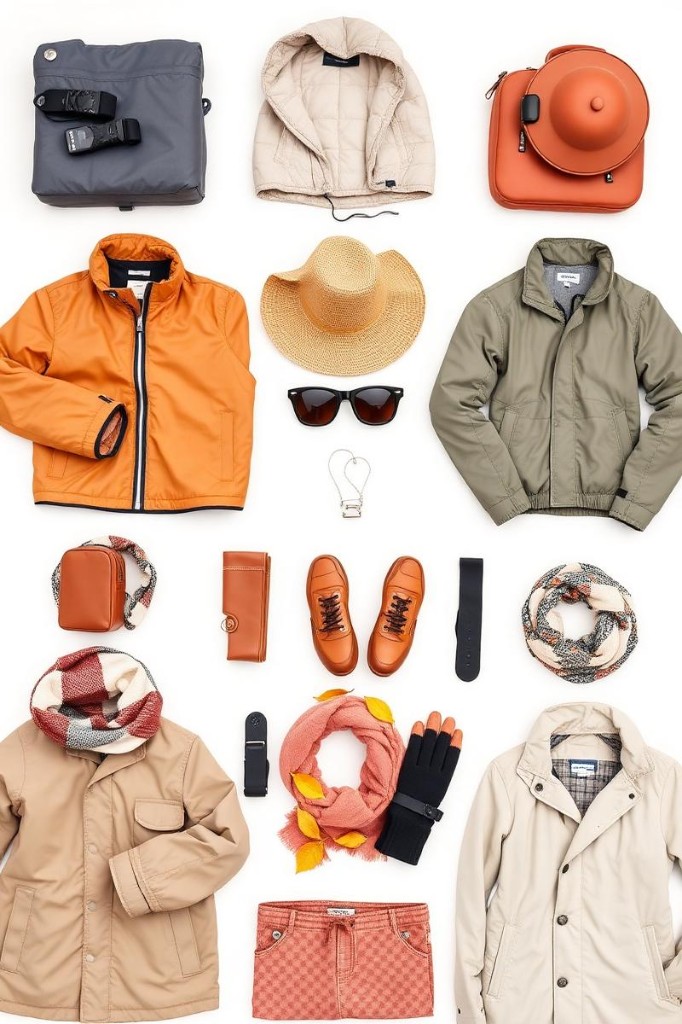
Travel clothing and gear by season

💰 Seasonal budget

PeriodAccommodation (€)Transport (€)Activities (€)Crowds (/5)Savings Tips
Dec-Feb150-3001800-250080-1505/5Book 6 months in advance
Mar-Apr120-2501600-220070-1304/5Avoid school holidays
May-Jul80-1801400-190050-1002/5Negotiate long-stay rates
Aug-Nov70-1501300-180045-901/5Take advantage of local promos

💡 Money-saving tips

  • Avoid December-February: Most expensive period with high-season rates
  • Book in advance: Flights and accommodation are limited, advance planning is necessary
  • Take advantage of May-November: Discounts up to 40% on accommodation and activities
  • Compare islands: Yap and Kosrae are often cheaper than Pohnpei and Chuuk
  • Long stays: Negotiate sliding-scale rates for 10+ nights

🏥 Health and precautions

Essential precautions:

  • Sun protection: SPF 50+ sunscreen, UV rays are very intense near the equator
  • Hydration: Drink 3-4L / 100-135 fl oz of water per day, high risk of rapid dehydration
  • Rainy season: Mosquito repellent, risk of dengue and chikungunya
  • Water activities: Reef shoes mandatory, sharp corals
  • Vaccinations: Hepatitis A/B, typhoid recommended, no malaria
  • Medical kit: Antiseptic, waterproof bandages, personal medications

Events & Festivals in Micronesia

Cultural calendar and festivities not to be missed in Micronesia

Traditional Micronesian events set the pace for local life and offer an authentic glimpse into Pacific culture according to the seasons.

🎭 Yap Day (March)

Description: The largest cultural event in Micronesia celebrating ancestral traditions with dances, crafts, and traditional sports competitions. This unique event brings together the four federated states in an exceptional festive atmosphere.

Location: Colonia, Yap Island

Highlight: Demonstrations of traditional stone money and authentic ritual dances

Climate Impact: Ideal dry period, pleasant temperatures for outdoor festivities

🏊 Constitution Day (May 10)

Description: National holiday celebrating independence with traditional regattas, diving competitions, and community festivities. Each state organizes its own celebrations reflecting the archipelago's cultural diversity.

Location: All major islands

Highlight: Traditional outrigger canoe races and inter-island fishing contests

Climate Impact: Beginning of the wet season, possible short showers but tropical atmosphere

🌺 Kosrae Liberation Day (September 8)

Description: Historical commemoration with cultural performances, local craft exhibitions, and community celebrations. An important event for understanding the modern history of Micronesia.

Location: Tofol, Kosrae

Highlight: Historical reenactments and demonstrations of traditional arts

Climate Impact: Wet season, festivities often held indoors or under shelter

Seasonal events

Dry Season (Dec-Apr):

  • Yap Day (March)
  • Diving competitions (February-April)
  • Traditional fishing festivals (January-March)

Wet Season (May-Nov):

  • Constitution Day (May 10)
  • Kosrae Liberation Day (September 8)
  • End-of-year festivities (November-December)

Responsible Travel in Micronesia

Traveling sustainably in Micronesia means respecting exceptional marine ecosystems and fragile island communities, particularly sensitive to climatic variations and seasonal tourist influx.

Micronesia is home to some of the best-preserved coral reefs in the Pacific and unique traditional communities. Respecting natural cycles, marine breeding periods, and limiting environmental impact are essential to preserve this exceptional heritage.

🌱 Low-season advantages

Traveling during the wet season reduces pressure on limited infrastructure, supports the local economy in a balanced way, and allows for a more authentic experience with less environmental impact.

♻️ Sustainable travel tips

  • Marine protection: Use biodegradable sunscreen, do not touch corals
  • Waste management: Carry out your trash, avoid single-use plastics
  • Local transport: Favor local boats and community guides
  • Respect biodiversity: Observe without disturbing, respect breeding zones
  • Local economy: Buy authentic crafts, eat local
  • Fresh water: Conserve this precious resource on the atolls

🏙️ Local sustainable initiatives

Micronesia is developing marine protected areas, coral restoration programs, and solar energy initiatives. Local communities are invested in ecotourism and the preservation of sustainable cultural traditions.

Our Expert Recommendations

Expert recommendations for your trip to Micronesia

After analyzing climatic data and field experience, our recommendations are based on 15 years of expertise in the tropical Pacific. Micronesia offers exceptional conditions for diving and cultural exploration, with important nuances depending on the chosen period and your travel priorities.

🌟 Optimal Period: February - April

Recommended months: February, March, April

Pros:

  • Exceptional diving conditions with maximum visibility
  • Calm sea and steady trade winds for sailing
  • Minimal rainfall and often clear skies
  • Ideal temperatures without excessive humidity
  • Perfect period for underwater photography

Cons:

  • Higher tourist crowds
  • High-season rates

Ideal profile: Passionate divers, photographers, honeymooners, travelers seeking the best conditions

⚖️ Balanced Alternative: May - June

Alternative months: May, June

Description: Transition to the wet season offering an excellent compromise between acceptable weather conditions and attractive rates.

Specific advantages:

  • Significant cost reduction (20-30%)
  • Fewer tourists for a more authentic experience
  • Lush vegetation at the peak of its beauty
  • Conditions still favorable for most activities

👥 Tips for your travel style

Family: February-April for optimal conditions and safety. Avoid rainy season with young children.

Budget: May-July for significant savings. Accept showers in exchange for reduced rates.

Adventure: December-May for complete exploration. Ideal conditions for technical diving and hiking.

Luxury: February-March for a premium experience. Optimal services and perfect conditions.

Photographer: January-April for exceptional light and maximum underwater visibility.

⚠️ To Avoid: August - October

Period of intense monsoon with maximum rainfall, very high humidity, and reduced underwater visibility. Difficult conditions for outdoor activities and navigation.

Cities to explore

Discover the must-sees of urban travel

All cities

Frequently Asked Questions

Find answers to essential questions about planning your trip to Micronesia based on climate and seasonal conditions.

What is the best time to dive in Micronesia?

The optimal period for diving runs from December to April, with a peak in February-March. Underwater visibility reaches 40-50 meters / 131-164 feet, currents are moderate, and surface conditions are excellent. Iconic sites like the Chuuk Lagoon and Yap passes offer their best conditions during this dry period.

Can you visit Micronesia during the rainy season?

Yes, the wet season (May-November) remains viable with significant advantages: 30-40% lower rates, fewer tourists, and lush vegetation. Showers are often short and intense, giving way to sunny spells. Focus on cultural activities and bring rain gear.

What are the climatic differences between the islands of Micronesia?

Each state has climatic nuances: Yap is the driest with constant trade winds, Pohnpei is the wettest with its mountainous terrain, Chuuk offers intermediate conditions ideal for wreck diving, and Kosrae enjoys the most stable climate. These differences influence itinerary choices based on your activities.

Should one fear cyclones in Micronesia?

Micronesia is located in a low-cyclone activity zone due to its equatorial position. Typhoons are rare and generally of low intensity. The official season runs from June to November, but risks remain limited compared to other Pacific regions. Monitor local weather forecasts as a precaution.

What budget should be planned according to the season in Micronesia?

Budget variations are significant: expect 200-400€ / 215-430 USD per day in high season (December-April) versus 120-250€ / 130-270 USD per day in low season (May-November). Flights account for 60-70% of the total budget with differences of 500-800€ / 540-860 USD depending on the period. Book 6 months in advance to optimize rates.