When to visit Lusaka? City-Trip Guide

A Zambian capital with marked seasonal contrasts, Lusaka reveals a different urban atmosphere depending on the tropical seasons.

  • 3.3 M population
  • English, Bemba, Nyanja language
  • 95 days rainy days/year
  • May to September best time to visit
  • 3 to 5 days recommended stay

Climate and Weather in Lusaka

Understanding Lusaka's Tropical Savanna Climate

Lusaka enjoys a tropical savanna climate characterized by two distinct seasons. Located at an altitude of 1280m / 4199ft, the Zambian capital experiences temperatures moderated by its elevation. The urban heat island effect slightly influences temperatures in the city center, particularly during the dry season.

  • Urban Center: Slightly higher temperatures, marked heat island effect during the dry season
  • Peripheral Zones: Cooler climate, influenced by savanna vegetation
  • High-Altitude Zones: Cooler temperatures, especially in the evenings
MonthMin Temp (°C / °F)Max Temp (°C / °F)Precipitation (mm / in)Sunshine (h/day)Tourist TrafficRecommended Activities
January17°C / 63°F26°C / 79°F231mm / 9.1in4⭐⭐Museums, shopping malls
February17°C / 63°F26°C / 79°F173mm / 6.8in5⭐⭐Indoor cultural visits
March16°C / 61°F27°C / 81°F142mm / 5.6in6⭐⭐Covered markets, galleries
April13°C / 55°F27°C / 81°F18mm / 0.7in8⭐⭐⭐Urban parks, terraces
May9°C / 48°F25°C / 77°F3mm / 0.1in9⭐⭐⭐⭐Urban exploration, markets
June6°C / 43°F23°C / 73°F0mm / 0in9⭐⭐⭐⭐⭐Outdoor visits, urban safari
July6°C / 43°F23°C / 73°F0mm / 0in9⭐⭐⭐⭐⭐Neighborhood discovery, walks
August9°C / 48°F26°C / 79°F0mm / 0in9⭐⭐⭐⭐⭐Excursions, nightlife
September14°C / 57°F30°C / 86°F1mm / 0.04in9⭐⭐⭐⭐Festivals, outdoor events
October17°C / 63°F32°C / 90°F10mm / 0.4in8⭐⭐⭐Cool mornings, evenings
November17°C / 63°F30°C / 86°F91mm / 3.6in6⭐⭐Mixed indoor/outdoor activities
December17°C / 63°F27°C / 81°F198mm / 7.8in4⭐⭐Celebrations, cultural centers

Lusaka's 1280m / 4199ft altitude significantly moderates tropical temperatures. Variations can reach 3-5°C / 5-9°F between the city center and higher peripheral zones, particularly noticeable during dry season nights.

Seasons in Lusaka

Attractions by Weather

Optimize your stay in Lusaka by choosing your activities according to weather conditions. The capital offers alternatives adapted to all types of weather.

☔ In Cloudy/Rainy Weather

Indoor & Sheltered

Rainy days reveal Zambian cultural heritage in covered and air-conditioned spaces.

Recommended Sites:
🏛️ Lusaka National Museum (2-3h, 15 ZMW, all year)
🎨 Henry Tayali Gallery (1-2h, free, temporary exhibitions)
🛍️ Manda Hill Shopping Mall (half-day, shopping and dining)
🏢 Lusaka National Museum (2h, 10 ZMW, local history)
⛪ Cathedral of the Holy Spirit (1h, free, colonial architecture)
🎭 French Cultural Center (events, exhibitions)
📚 National Library (free, modern architecture)
🍽️ Covered local restaurants (authentic Zambian cuisine)

Practical Tip: Book online to avoid queues, several sites offer guided tours in English

Additional Tip: Combine city center museums in a covered walking circuit, cultural pass available for 3 sites

☀️ In Good Weather

Optimal Outdoor

The dry climate of Lusaka reveals all the beauty of the capital's urban and peripheral spaces.

Recommended Sites:
🌳 Lusaka Botanical Garden (3-4h, 20 ZMW, morning ideal)
🏛️ Independence Memorial (1h, free, sunrise/sunset)
🏞️ Kalimba Reptile Park (2-3h, 50 ZMW, morning recommended)
🌅 Lusaka Hills (hiking, free, city panorama)
🎪 Kamwala Market (2-3h, free, cool morning)
🏘️ Kabulonga District (walk, modern architecture)
⛳ Lusaka Golf Club (day, green-fee, landscapes)
🌊 Lusaka Artificial Lake (picnic, free)

Best Time of Day: Sunrise at 6am for golden photos, sunset at 6pm from the hills for urban panorama

Seasonal Tip: May to September optimal, avoid October-November (excessive heat), mornings preferred

🌤️ Versatile All Weather

Flexible

Some sites offer the flexibility needed to adapt to Lusaka's rapid weather changes.

Recommended Sites:
🏨 Historic city hotels (architecture + covered restaurants)
🍽️ Restaurants with covered terraces (Arcades, Manda Hill)
🛍️ Covered City Markets (local crafts)
🏢 Shopping malls with outdoor spaces (East Park Mall)
⛪ Religious sites with gardens (mosques, churches)

Weather Tip: Start with outdoors in the morning, retreat indoors if it rains in the afternoon, covered terraces for transitions

Itinerary Example: Morning botanical garden → lunch covered terrace → afternoon museum if rain or market if good weather

💰 Free or Economical

No Cost

Free Sites:
🏛️ Independence Memorial (architecture and history)
🌳 Public urban parks (Olympic Youth Development Centre)
🏘️ Historic districts (colonial architecture)
🎨 Local art galleries (temporary exhibitions)
⛪ Religious sites (cathedrals, mosques)

Free Days: National Museum free on Sunday morning for residents, student discounts upon presentation of ID

Budget Tips: Free panoramas from hills, local markets for cultural immersion, economical public transport (minibuses)

Weather Practical Guide

Prepare your city trip to Lusaka by adapting your gear to tropical climate variations and the specifics of urban walking in the Zambian capital.

👕 Seasonal packing

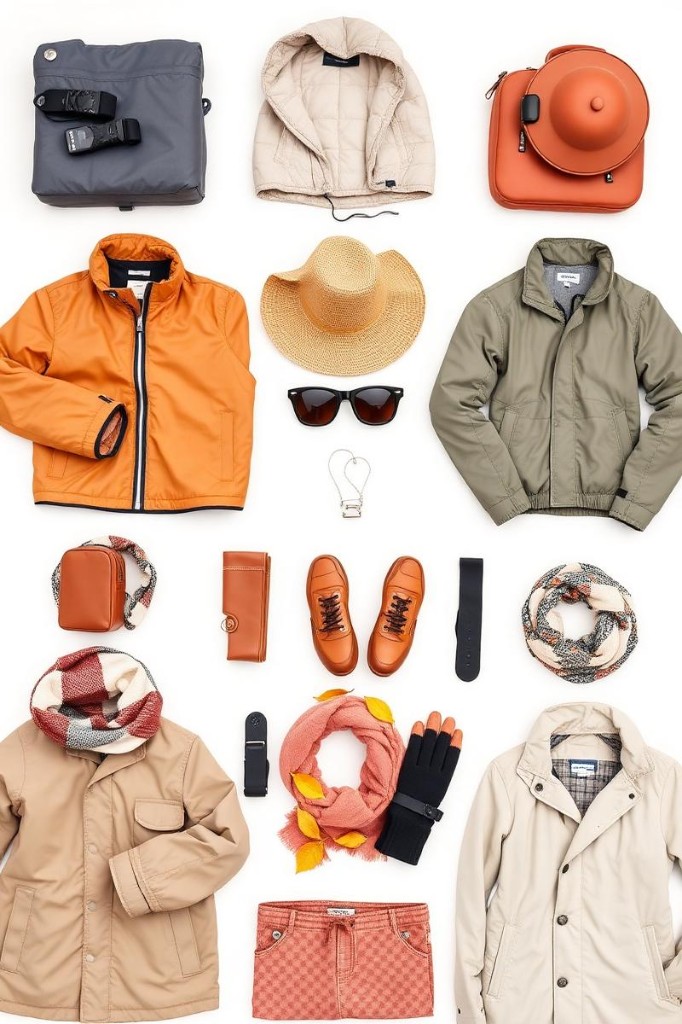
Cool Dry Season (May-July): • Comfortable walking shoes • Warm jacket for mornings • Sunglasses • Sunscreen • Light backpack

Hot Dry Season (August-October): • Breathable shoes • Light cotton clothing • Hat mandatory • Enhanced sun protection • Water bottle

Wet Season: • Waterproof shoes • Compact rain jacket • Sturdy umbrella • Quick-dry clothing • Waterproof bag for electronics
Travel clothing and gear by season

💰 Seasonal budget

PeriodCity Accommodation (€/night)Transport (€/day)Restaurants (€/day)Attractions (€)Traffic
May-July80-15015-2525-4010-30⭐⭐⭐⭐⭐
August-October70-13015-2525-4010-30⭐⭐⭐⭐
November-January50-9010-2020-3510-25⭐⭐
February-April45-8010-2020-3510-25⭐⭐

💡 Money-saving tips

Cultural City Pass: Savings on 3+ museums, profitable from 2 days • Lunch Restaurants: Local menus 50% cheaper than dinner • Peripheral Accommodation: Kabulonga/Roma districts 30% cheaper than center • Public Transport: Local minibuses very economical, daily passes • Local Markets: Authentic crafts, negotiable prices, avoid tourist zones

🏥 Health and precautions

Altitude: Gradual adaptation to 1280m / 4199ft, increased hydration • Tropical Sun: High UV protection mandatory, rapid sunburn • Dry Season: Urban dust, mask if respiratory sensitivity • Intensive Walking: Warm-up, regular breaks, suitable shoes • Pharmacies: Available in city center, personal medication stock recommended

Events and Festivals

Calendar of Must-See Events in Lusaka

Lusaka's cultural events punctuate urban life and offer an authentic immersion into contemporary Zambian culture.

🇿🇲 Independence Day (October 24)

A major national celebration transforming Lusaka into a patriotic stage with military parades, cultural shows, and fireworks. The urban atmosphere becomes electric with free concerts and street entertainment in all districts.

Location: City center, National Stadium, Independence Stadium

Highlight: The only day all government sites open their doors to the public

Climate Impact: Start of the hot season, large crowds, accommodation bookings required 2 months in advance, free public transport

Access: Special shuttles from the airport, pedestrianized city center, peripheral parking with shuttles

Tip: Book accommodation from January, avoid driving on the 24th, plan for a higher dining budget

🎵 Lusaka July Festival (July)

A major musical and cultural festival celebrating Zambian artistic diversity with concerts, contemporary art exhibitions, and traditional dance performances. The city center turns into a giant stage with street performances and craft markets.

Location: Mulungushi International Conference Centre, urban gardens, public squares

Highlight: Unique fusion of local traditions and contemporary African influences

Climate Impact: Ideal dry season, numerous outdoor events, moderate international attendance, stable prices

Access: Reinforced public transport, festival shuttles from main hotels

Tip: Book tickets online from May, city center accommodation recommended for proximity

🎭 Lusaka Arts Festival (September)

A cultural event celebrating Zambian visual and performing arts with theater, local cinema, urban art installations, and participatory workshops. Galleries and cultural centers offer open houses and meetings with local artists.

Location: City galleries, French Cultural Center, alternative spaces

Highlight: Discovery of the emerging Zambian art scene, many free events

Climate Impact: End of dry season, pleasant evening temperatures, perfect for outdoor night events

Access: Walking circuit between venues, bike rentals available, taxis easily accessible

Tip: Detailed program available in August, some workshops require booking, economical festival pass

Seasonal events

Dry Season: • Weekend craft markets (May-September, public gardens) • Outdoor concerts (June-August, urban amphitheaters) • Food festivals (July-August, shopping malls)

Wet Season: • Indoor exhibitions (November-March, galleries) • Local theater (December-February, cultural centers) • Religious celebrations (Christmas, Easter, churches)

Public Holidays: Good Friday (closures), Youth Day (March), Labor Day (May) - museums and government offices closed

Responsible Tourism in Lusaka

Adopt a respectful approach to the urban environment and local communities during your discovery of the Zambian capital.

Lusaka offers many opportunities for sustainable urban tourism: prioritize walking and public transport, support local crafts rather than international chains, respect residential neighborhoods, and contribute positively to the local economy while minimizing environmental impact.

🌱 Low-season advantages

Visiting Lusaka in the wet season reduces tourist pressure, allows for a more authentic experience of local life, supports the economy during the off-season, and reduces ecological impact with less urban congestion.

♻️ Sustainable travel tips

Soft Mobility: Walking preferred in city center, public minibuses, bike rentals • Local Dining: Neighborhood markets, Zambian family restaurants, avoid international chains • Responsible Accommodation: Local guesthouses, environmentally certified hotels • Consumption: Reusable water bottle, cloth bags for markets, avoid disposable plastic • Cultural Respect: Residential neighborhoods, photographs with permission • Alternative Circuits: Local guides, authentic community experiences

🏙️ Local sustainable initiatives

Lusaka is developing sustainable urban initiatives: expansion of the public transport network, creation of urban green spaces, community recycling programs, emerging local organic markets, and promotion of urban ecotourism with certified local guides.

Our Recommendations

Expert Recommendations for your City Trip to Lusaka

After analyzing climate data, tourist traffic, and cultural events, here are our personalized recommendations to optimize your discovery of Lusaka. The choice of period significantly influences the urban experience: favorable weather, accommodation availability, richness of cultural events, and overall budget of the stay.

🌟 Optimal Period: May to August

Recommended Months: May, June, July, August

Advantages:
• Dry and sunny climate ideal for urban exploration
• Comfortable temperatures for intensive walking
• Clear skies perfect for photography
• Numerous festivals and cultural events
• Terraces and outdoor markets at their peak

Key Events: Lusaka July Festival, outdoor concerts, weekend craft markets

Disadvantages: Maximum traffic in June-July, higher accommodation prices, advance bookings necessary

Ideal Profile: First visit, photography enthusiasts, festival lovers, comfort travelers

Stay Duration: 4-5 days recommended to fully enjoy

⚖️ Interesting Alternative: September-October

Alternative Months: September, early October

Description: Excellent compromise between favorable weather and moderate attendance, with the start of the hot period but still bearable and quality cultural events.

Specific Advantages: Fewer tourists than in high season, more accessible prices, Arts Festival in September, pleasant temperatures for evenings

For Whom: Experienced travelers, moderate budgets, art and culture lovers, flexible on weather conditions

👥 Tips for your travel style

Family: May-August, secure Kabulonga districts, educational attractions, private transport recommended

Budget: March-April or November, local guesthouses, public transport, local markets, cultural pass

Culture: September (Arts Festival), June-July (events), city center, local guides, museums and galleries

Romantic: June-July, boutique hotels, panoramic terraces, sunset over hills

Weekend: Any dry season, compact city center, major sites, 2-3 days sufficient

First Trip: May-August, English-speaking guide, central districts, must-see sites, comfort accommodation

⚠️ Periods to Avoid: December-February

Not Recommended: December, January, February

Reasons: Intense rainy season limiting urban mobility, uncomfortable high humidity, frequent thunderstorms disrupting visits, some outdoor activities canceled

Nuances: Acceptable for budget travelers prioritizing indoor culture, tropical storm enthusiasts, flexible stays focused on museums and galleries

Villes du même pays

All cities

Frequently Asked Questions

Answers to essential questions for planning your city trip to Lusaka based on weather conditions.

What is the best month to visit Lusaka?

June and July offer optimal conditions with a dry climate, pleasant temperatures (6-25°C / 43-77°F), clear skies, and numerous cultural events. It is the ideal time to explore the city on foot, enjoy terraces, and attend festivals. May and August are excellent alternatives with fewer tourists while maintaining favorable weather conditions.

How many days should I plan for Lusaka?

3 to 5 days allow for a complete discovery of Lusaka. A 3-day weekend covers essential sites (museums, markets, historic center), while 4-5 days allow for deeper exploration including peripheral excursions, immersion in local neighborhoods, and participation in cultural events. The compact size of the city center makes walking easy.

What to do in Lusaka if it rains?

Lusaka offers many indoor alternatives: National Museum for Zambian history, contemporary art galleries, modern shopping malls (Manda Hill, East Park Mall), covered local restaurants to discover Zambian cuisine, and cultural centers offering shows and exhibitions. Rainy afternoons are perfect for cultural immersion and meeting local artists.

Which events should not be missed in Lusaka?

The Lusaka July Festival (music and arts), the Arts Festival in September (theater, cinema, visual arts), and Independence Day on October 24 (parades, free concerts) are the major events. In the dry season, weekend craft markets and outdoor concerts enrich the cultural experience. Each event reveals a different facet of contemporary Zambian creativity.

What budget should I plan according to the season?

In high season (May-August): 80-150€/night city accommodation, 40€/day dining, 25€/day transport. In low season (November-March): 45-90€/night, 30€/day meals, 15€/day travel. Total 3-day budget: 400-600€ high season, 250-400€ low season. Cultural passes and local restaurants help optimize spending without sacrificing the experience.