When to visit Mfuwe? Safari Guide

The gateway to South Luangwa National Park, Mfuwe reveals its wonders according to African seasons.

  • 15,000 population
  • English, Nyanja language
  • 85 days rainy days/year
  • from May to October best time to visit
  • 3 to 7 days recommended stay

Climate and weather in Mfuwe

Understanding the dry tropical climate of Mfuwe

Mfuwe enjoys a dry tropical climate typical of the Luangwa Valley. The moderate altitude of 550 meters / 1,804 feet tempers the temperatures, while the proximity of the Luangwa River influences local humidity and wildlife.

MonthMin Temp (°C / °F)Max Temp (°C / °F)Precipitation (mm / in)Sunshine (h/day)Tourist TrafficRecommended Activities
January20°C / 68°F30°C / 86°F180mm / 7.1in6⭐⭐Bird watching, green landscapes
February20°C / 68°F30°C / 86°F160mm / 6.3in6⭐⭐Nature photography, fewer crowds
March19°C / 66°F31°C / 88°F120mm / 4.7in7⭐⭐End of wet season, lush greenery
April16°C / 61°F32°C / 90°F40mm / 1.6in8⭐⭐⭐Transition, good visibility
May12°C / 54°F32°C / 90°F5mm / 0.2in9⭐⭐⭐⭐Start of safaris, ideal weather
June9°C / 48°F30°C / 86°F0mm / 0in9⭐⭐⭐⭐⭐Optimal safaris, cool air
July8°C / 46°F30°C / 86°F0mm / 0in9⭐⭐⭐⭐⭐Peak safari, animals at waterholes
August11°C / 52°F33°C / 91°F0mm / 0in9⭐⭐⭐⭐⭐Excellent wildlife visibility
September16°C / 61°F36°C / 97°F5mm / 0.2in9⭐⭐⭐⭐⭐Maximum animal concentration
October20°C / 68°F38°C / 100°F15mm / 0.6in8⭐⭐⭐⭐End of dry season, intense heat
November21°C / 70°F34°C / 93°F80mm / 3.1in7⭐⭐First rains, migration
December21°C / 70°F31°C / 88°F140mm / 5.5in6⭐⭐Wet season, births

The Seasons

Activities according to the weather

Mfuwe and its surroundings offer varied experiences according to climatic conditions, optimizing every moment of your safari stay.

☔ In wet weather

Indoor activities

Justification: The rainy season requires activities adapted to wet conditions and dense vegetation.

Recommended activities:
🏨 • Relaxation at the lodge with observation from the terrace
🦅 • Bird watching from shelters
📚 • South Luangwa Park interpretation center
🎣 • Indoor fishing (depending on lodge)
🍽️ • Local culinary experiences at the lodge
📖 • Reading about wildlife in common areas
🎨 • Local craft workshops (subject to availability)

Practical tip: Take advantage of rain breaks for short safaris; wildlife is often active after showers.

Additional tip: Lodges often offer conservation lectures during rainy periods.
☀️ In dry weather

Optimal safaris

Interest: Ideal conditions for wildlife observation with maximum visibility and animal concentration.

Sites and activities:
🚗 • Morning game drives (6 AM-10 AM) - 3-4h
🌅 • Sunset safaris (3 PM-7 PM) - 4h
🚶 • Guided walking safaris (7 AM-11 AM) - 4h
🦏 • Luangwa River observation points
🌳 • Visit to seasonal lagoons
📸 • Fixed photographic hides
🦅 • Observation from elevated platforms

Best time: Sunrise and sunset offer perfect golden light and intense animal activity.

Seasonal tip: May to October is optimal; avoid midday in September-October (excessive heat).

🌤️ All conditions

Flexible experiences

Versatility: Activities adaptable to the daily meteorological variations of Mfuwe.

Versatile sites:
🏞️ • Panoramic lodge terraces
🛍️ • Local Mfuwe markets (indoor/outdoor)
🏛️ • Community visits (indoor/outdoor)
🌊 • Luangwa River banks (shelters available)

Weather tip: Always keep an indoor/outdoor alternative according to changing conditions.

Example itinerary: Morning safari if good weather, cultural/relaxation afternoon if rain, terrace evening depending on conditions.

💰 Budget experiences

Budget options

Accessible sites:
🚶 • Guided Mfuwe village walks
🏞️ • Public Luangwa River viewpoints
🎨 • Community craft workshops
🌅 • Wildlife observation from public bridges

Budget periods: Wet season (November-April) with discounts up to 50% on accommodation.

Budget tips: Shared safaris, public camping, local meals in the village, community guides.

Practical Guide

Prepare for your stay in Mfuwe with our tips adapted to the specificities of the tropical climate and safari environment for an optimal experience.

👕 Seasonal packing

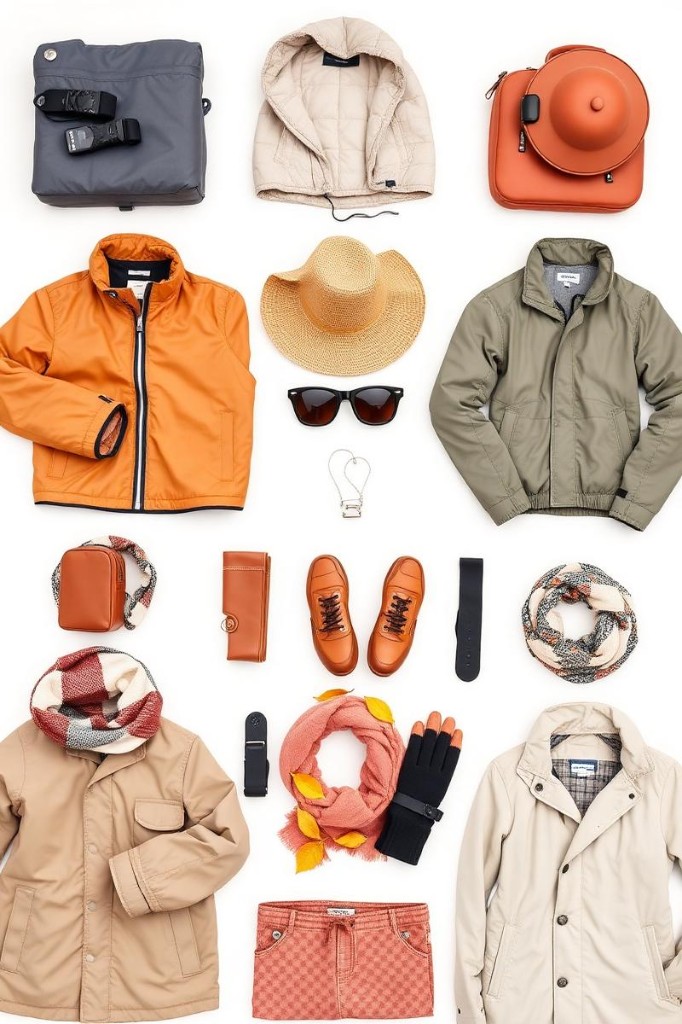
Cool dry season (May-August): • Warm clothing for mornings (5-10°C / 41-50°F) • Layerable clothing • Closed walking shoes • Hat and sunglasses • Windbreaker jacket

Hot dry season (September-October): • Lightweight breathable clothing • Enhanced sun protection • Wide-brimmed hat • Airy but closed shoes • Anti-dust scarf

Wet season (November-April): • Waterproof clothing • Waterproof shoes • Quick-dry clothing • Mosquito repellent • Poncho or rain cape
Travel clothing and gear by season

💰 Seasonal budget

PeriodMid-range Lodge (€/night)Safaris (€/day)Meals (€/day)Activities (€)Traffic
May-Aug200-400150-25040-6050-100⭐⭐⭐⭐⭐
Sept-Oct250-450180-30045-6560-120⭐⭐⭐⭐⭐
Nov-April120-25080-15025-4030-70⭐⭐

💡 Money-saving tips

• Book the wet season to save 40-50% • Opt for shared safaris rather than private ones • Choose all-inclusive lodges to control the budget • Prioritize stays of 4+ nights for discounted rates • Avoid July-August (peak pricing) if on a tight budget

🏥 Health and precautions

Malaria: prophylaxis mandatory, mosquito nets provided • Vaccinations: yellow fever recommended, DTP up to date • Hydration: 3-4L / 0.8-1 gal per day in hot dry season • Sun protection: SPF50+ cream, covering clothing • Medical kit: anti-diarrheal, antiseptic, bandages • Insurance: medical evacuation is essential

Natural Events

Calendar of remarkable natural phenomena in Mfuwe

Mfuwe offers seasonal natural spectacles that enrich the safari experience and pace the wildlife of the Luangwa Valley.

🦓 Great Migration of wildebeest (May-June)

Description: A grandiose spectacle of herds returning to the Luangwa plains after the wet season. Thousands of animals cross the river in an impressive natural ballet, accompanied by predators.

Location: Banks of the Luangwa River, central park sector

Feature: Prime moment to observe predator-prey interactions

Impact: High influx of wildlife photographers; bookings essential 6 months in advance

Access: Specialized game drives from Mfuwe, 5:30 AM departure

Tip: Book a lodge with river views for continuous observation

🦅 Avian Migration (October-March)

Description: Spectacular arrival of over 200 species of migratory birds, transforming Mfuwe into an ornithological paradise. Carmine bee-eaters, storks, and raptors offer an exceptional colorful spectacle.

Location: Seasonal lagoons, Luangwa banks, wooded plateaus

Feature: Impressive nesting colonies of carmine bee-eaters

Impact: Popular period for birdwatchers; specialized walking safaris

Access: Guided birding safaris, binoculars provided

Tip: Hire a specialized bird guide for optimal identification

🍼 Birthing Season (December-February)

Description: An explosion of life with mass births of herbivores taking advantage of food abundance. A heartwarming spectacle of young impalas, zebras, and elephants discovering their environment.

Location: Grassy plains, renewed grazing areas

Feature: Observable maternal behaviors, learning of the young

Impact: Unique atmosphere despite wet conditions; attractive rates

Access: Safaris adapted to wet conditions, 4x4 vehicles

Tip: Patience required; observation from lodges during rain showers

Seasonal events

Cool dry season: • Gatherings at waterholes (May-August) • Intense nocturnal activity of leopards (June-July) • Sausage tree flowering (July)

Hot dry season: • Maximum concentration of elephants (September) • Crocodile reproduction (October) • Last sporadic rains (November)

Wet season: • Spectacular greening (December) • Amphibian activity (January-February) • Abundant wild fruits (March-April)

Responsible Safari

Mfuwe is committed to sustainable tourism, preserving the unique Luangwa ecosystem while benefiting local communities.

Responsible tourism in Mfuwe favors active conservation: support for anti-poaching programs, employment of local communities, limitation of safari groups, strict respect for animals, and funding of educational projects. Every visitor contributes directly to the protection of this exceptional reserve.

🌱 Low-season advantages

Visiting during the wet season reduces tourist pressure, allows for solidarity pricing, offers an authentic experience away from crowds, and contributes to the economic maintenance of community lodges all year round.

♻️ Sustainable travel tips

• Choose conservation-certified lodges (Green Season) • Respect minimum distances from animals (25m / 82ft) • Use reusable water bottles, avoid plastic • Prioritize trained local guides • Support community crafts • Offset flight carbon footprint • Participate in volunteer conservation programs

🏙️ Local sustainable initiatives

Mfuwe develops exemplary programs: schools funded by tourism, community veterinary clinics, local guide training, sustainable beekeeping projects, permaculture gardens, solar energy in lodges, and full recycling of organic waste.

Our Recommendations

Recommendations for your safari in Mfuwe

After analyzing climatic conditions, wildlife, and costs, our recommendations optimize your safari experience according to your priorities. The chosen period radically determines the nature of your stay: animal concentration, observation conditions, general atmosphere, and necessary budget.

🌟 Optimal Period: May to August

Advantages:
• Exceptional visibility of concentrated wildlife
• Perfect climatic conditions (morning coolness, guaranteed sun)
• Excellent roads, all sites accessible
• Intense animal activity at waterholes
• Optimal photography with golden light

Key events: Wildebeest migration (May-June), elephant gatherings, maximum predator activity

Disadvantages: High influx, high rates, bookings 6-8 months in advance

Ideal profile: First safari, families, photographers, comfort travelers

Stay duration: 4-7 days optimal

⚖️ Balanced Alternative: April and September

Description: Transition periods offering an excellent compromise between favorable weather conditions, facilitated observation, and more accessible rates. April marks the end of the rains with persistent greenery; September begins the animal concentration.

Specific advantages: Fewer tourists, intermediate prices, still favorable conditions, varied landscapes

For whom: Experienced travelers, medium budgets, date flexibility

👥 Tips for your travel style

Family: May-July, family lodges, short safaris adapted for children, educational activities
Tight budget: November-March, camping/budget lodges, shared safaris, wet season
Photographers: June-September, photo-specialized lodges, private hides, experienced photo guides
First time: May-August, all-inclusive, French-speaking guides, comfort lodges with views
Birdwatchers: October-March, bird-specialized guides, wetland lodges, observation equipment
Adventurers: Wet season, walking safaris, camping, authentic off-the-beaten-path experience

⚠️ Delicate periods: December-February

Reasons: Intense rains limiting safaris, impassable roads, dispersed animals, reduced visibility due to dense vegetation, numerous mosquitoes

Nuances: Exceptional period for birdwatchers, tight budgets, travelers seeking authenticity and solitude

Villes du même pays

All cities

Frequently Asked Questions

Answers to essential questions to plan your safari in Mfuwe according to optimal weather conditions.

What is the best month to visit Mfuwe?

June to August represents the optimal period with dry weather, pleasant temperatures (8-30°C / 46-86°F), and excellent wildlife visibility. Animals concentrate at waterholes, facilitating observation. However, this is the high tourist season with high rates. For a quality-price compromise, May and September offer excellent conditions with fewer crowds.

How many days should I plan for Mfuwe?

A stay of 4 to 5 days minimum allows you to discover the diversity of South Luangwa Park. For a first experience, 3-4 days are sufficient with varied game drives. Enthusiasts will appreciate 7-10 days for specialized safaris (walking safaris, night observation, photography). The duration also depends on the season: shorter in the wet season (limited access), longer in the dry season (optimal conditions).

What to do in Mfuwe in case of rain?

Lodges offer exciting indoor activities: conservation lectures, bird watching from covered terraces, local craft workshops, spa, and relaxation. Breaks between showers allow for short, highly productive safaris (animals are active after rain). Some lodges offer interpretation centers, specialized wildlife libraries, and local culinary experiences. Rain transforms the atmosphere into a unique natural spectacle.

What events should not be missed in Mfuwe?

The wildebeest migration (May-June) is the major spectacle with dramatic river crossings. The bird migration (October-March) attracts 200+ species of birds. The birthing season (December-February) offers heartwarming observations of young animals. Each season has its peculiarities: elephant gatherings (September), sausage tree flowering (July), nocturnal leopard activity (June-July).

What budget should I plan according to the period?

Budget varies drastically by season. High season (May-October): €300-€600/day/person all-inclusive mid-range lodge. Wet season (November-April): €150-€300/day with 40-50% discounts. Expect safaris to cost €80-€250/day and domestic flights €200-€400. Total budget for 4 days: €1500-€3000 in high season, €800-€1500 in low season. Luxury lodges can reach €1000+/day. Camping and budget lodges reduce costs by 60%.