When to visit Zambia? Complete Guide

Zambia offers a fascinating climatic diversity between dry and wet seasons that completely transform the landscapes.

  • 19.6 M population
  • English language
  • 120 days rainy days/year
  • May to October best time to visit
  • 10 to 15 days recommended stay

Weather and Climate in Zambia

Understanding Zambia's tropical continental climate

Zambia features three distinct climatic zones influenced by altitude, latitude, and proximity to large lakes. These geographical variations create microclimates that significantly enrich the travel experience depending on the regions visited.

  • Central Plateau: Temperate high-altitude zone with moderate temperatures year-round
  • River Valleys: The hottest and most humid regions, particularly the Zambezi Valley
  • Northern Highlands: The coolest zone with significant rainfall during the wet season
MonthTemperature (°C / °F)Precipitation (mm / in)Period
Jan-Mar20-28°C / 68-82°F150-250mm / 5.9-9.8inWet season
Apr-May15-27°C / 59-81°F20-50mm / 0.8-2.0inTransition
Jun-Aug8-25°C / 46-77°F0-5mm / 0-0.2inCool dry season
Sep-Nov18-32°C / 64-90°F10-80mm / 0.4-3.1inHot dry season
December22-30°C / 72-86°F120-180mm / 4.7-7.1inStart of rains

Altitude varies from 329m / 1,079ft in the Zambezi Valley to over 2,000m / 6,562ft on the plateaus, creating significant temperature differences between regions.

The Seasons in Zambia

Climate by Zambian Region

Zambia s topographic diversity creates significant regional microclimates. Altitude, waterways, and latitude significantly influence weather conditions, making some regions more suitable depending on the chosen season.

🏔️ Central Plateau (Lusaka)

The geographical heart of Zambia benefits from a temperate climate thanks to its average altitude of 1,200m / 3,937ft. This region centers around the capital and offers moderate weather conditions year-round, ideal for discovering Zambian culture.

PeriodWeatherTemperatureActivities
May-AugDry and cool10-24°C / 50-75°FCultural visits, markets
Sep-OctDry and hot20-32°C / 68-90°FShort excursions
Nov-AprHumid18-28°C / 64-82°FMuseums, urban centers
Specifics:
  • Most stable temperatures in the country
  • Particularly pleasant dry season
  • Easy access all year round

🦁 Southern Zambezi Valley

The hottest and wildest region of the country, home to the most renowned national parks. The lower altitude (400-800m / 1,312-2,625ft) creates an intense tropical climate, particularly favorable for wildlife viewing during the dry season.

PeriodWeatherTemperatureActivities
May-AugDry and mild15-28°C / 59-82°FOptimal safaris
Sep-OctVery hot25-42°C / 77-108°FIntensive safaris
Nov-AprStormy22-35°C / 72-95°FCamps closed
Specifics:
  • Exceptional wildlife concentration
  • Extreme temperatures at the end of the dry season
  • Partial inaccessibility in the wet season

💧 Victoria Falls

An iconic site where the Zambezi plunges into a spectacular gorge. The microclimate created by the spray significantly influences the experience depending on the season, totally transforming the perception of this natural wonder.

PeriodWeatherTemperatureActivities
May-AugDry, light mist12-26°C / 54-79°FClear view, extreme sports
Sep-NovDry, low flow20-35°C / 68-95°FSwimming in Devil's Pool
Dec-AprIntense spray20-30°C / 68-86°FMaximum water spectacle
Specifics:
  • Variable flow transforming the spectacle
  • Spray creating a permanent rainbow
  • Activities adapted according to the season

🌿 Northern Zambia (Kasama)

The coolest and greenest region of the country, characterized by high plateaus and significant rainfall. This area offers unique landscapes and remarkable biodiversity, particularly appreciated by nature lovers.

PeriodWeatherTemperatureActivities
May-AugCool and dry8-22°C / 46-72°FHiking, villages
Sep-OctTemperate15-28°C / 59-82°FCultural exploration
Nov-AprRainy16-25°C / 61-77°FLush landscapes
Specifics:
  • Coolest temperatures in the country
  • Highest rainfall
  • Difficult access in the wet season

Practical Guide for Zambia

Preparing for a trip to Zambia requires adapting to significant climatic variations according to the seasons. From specific equipment to budget considerations, every practical aspect must be thought out based on the chosen period to optimize your Zambian experience.

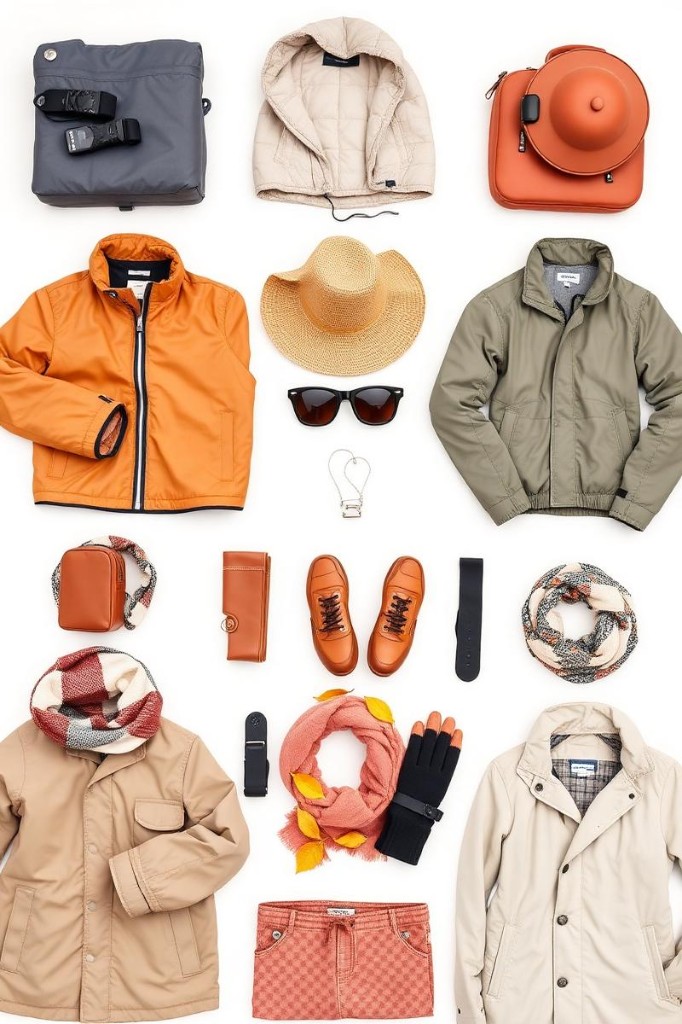
👕 Seasonal packing

🧳 Equipment by season:

Cool dry season (May-August):

  • Warm jackets for mornings and evenings
  • Long mosquito-proof trousers
  • Closed walking shoes
  • Light beanies and scarves

Hot dry season (Sep-Oct):

  • Light and breathable clothing
  • Wide-brimmed hat mandatory
  • High-protection sunscreen
  • Large-capacity insulated water bottle

Wet season (Nov-Apr):

  • Quality raincoat and poncho
  • Waterproof shoes
  • Quick-drying clothing
  • Waterproof bags for equipment
Travel clothing and gear by season

💰 Seasonal budget

PeriodAccommodation (€)Transport (€)Activities (€)Crowds (/5)Savings Tips
May-Aug150-40080-150100-3005/5Book 6 months ahead
Sep-Oct120-35070-13080-2504/5Avoid weekends
Nov-Dec80-20050-10060-1502/5Negotiate on site
Jan-Apr60-15040-8040-1001/5All-inclusive packages

💡 Money-saving tips

  • Avoid July-August: Tourist peak with rates 40-60% higher
  • Favor May-June: Excellent quality-price compromise with optimal conditions
  • Wet season: Savings up to 50% on accommodation and activities
  • Early booking: Best rates guaranteed 4-6 months before departure
  • Bundled packages: Safari-accommodation combinations are often more advantageous

🏥 Health and precautions

⚕️ Seasonal health precautions:
  • Malaria: Enhanced protection in the wet season, mandatory preventive treatment
  • Sun protection: SPF50+ cream essential, especially September-October
  • Hydration: 3-4 liters / 0.8-1 gallon per day in the hot dry season, mineral salts recommended
  • Vaccinations: Yellow fever mandatory, Hepatitis A/B and Typhoid recommended
  • Medical kit: Anti-diarrheal, antiseptics, waterproof bandages for the wet season
  • Insurance: Medical evacuation coverage essential for remote areas

Zambian Events & Festivals

Cultural calendar and festivities not to be missed in Zambia

Zambian celebrations punctuate the year and offer privileged windows into the country's cultural richness, often linked to traditional seasonal cycles.

🎭 Kuomboka Festival (March-April)

A spectacular royal ceremony where the Lozi King migrates to higher ground to escape seasonal floods. This centuries-old tradition symbolizes adaptation to natural cycles and attracts thousands of spectators in an authentic and moving setting.

Location: Western Province, Mongu

Note: Depends on Zambezi water levels; a unique cultural experience

Climate impact: Held during the wet season; accessibility can be difficult

🇿🇲 Independence Day (October 24)

A major national celebration marking the 1964 independence with parades, cultural shows, and popular festivities throughout the country. The festive atmosphere and Zambian hospitality are at their peak, offering exceptional cultural immersion.

Location: Primarily Lusaka, with ceremonies in all cities

Note: Features traditional dance demonstrations from the 73 tribes

Climate impact: Transition period toward the rains; pleasant weather conditions

🎪 Livingstone Arts Festival (September)

An international artistic event celebrating Zambian and African creativity with concerts, exhibitions, and performances in the magical setting of Victoria Falls. This cultural event attracts artists and visitors from all over the world.

Location: Livingstone, near Victoria Falls

Note: Fusion of contemporary art and ancestral traditions

Climate impact: Held during the hot dry season; optimal conditions despite the heat

Seasonal events

Cool dry season (May-August):

  • Ncwala Ceremony (July) - First harvest celebration
  • Beer Festival (August) - Lusaka
  • Youth Day (March) - Sporting events

Hot dry season (Sep-Oct):

  • Livingstone Arts Festival (September)
  • Independence Day (October)
  • Women's Day (October)

Wet season (Nov-Apr):

  • Kuomboka Festival (March-April)
  • Christmas celebrations (December)
  • Traditional New Year (January)

Responsible Travel in Zambia

Zambia, rich in exceptional biodiversity, requires a tourist approach that respects fragile ecosystems and local communities, particularly sensitive to seasonal climatic variations.

Responsible tourism in Zambia involves respecting the natural cycles of wildlife, protecting the Zambezi's aquatic ecosystems, and supporting community conservation initiatives. Animal breeding periods and seasonal migrations should guide travel choices.

🌱 Low-season advantages

Traveling during the wet season reduces tourist pressure on ecosystems, lowers your carbon footprint, and supports the local economy by spreading tourism revenue throughout the year.

♻️ Sustainable travel tips

  • Water management: Save this precious resource, especially in the dry season
  • Plastic waste: Bring reusable water bottles and cloth bags
  • Local transport: Favor local guides and vehicles
  • Wildlife respect: Maintain safety distances, avoid camera flashes
  • Responsible shopping: Authentic local crafts, avoid animal-derived products
  • Energy: Choose accommodation using renewable energy

🏙️ Local sustainable initiatives

Zambia is developing community conservation programs such as private conservancies, solar energy projects in lodges, and ecotourism initiatives directly involving local populations in the protection of their natural heritage.

Our Expert Recommendations

Expert recommendations for your trip to Zambia

After an in-depth analysis of climatic data and field experience, our recommendations are based on fifteen years of meteorological observation and feedback from thousands of travelers. Zambia reveals its greatest assets according to precise planning that respects its natural rhythms and optimizes every aspect of your discovery.

🏆 Optimal Period: May to August

Recommended months: May, June, July, August

Advantages:
  • Perfect climate with pleasant temperatures (15-25°C / 59-77°F)
  • Optimal wildlife viewing at water holes
  • Accessible roads in all regions
  • Clear skies ideal for photography
  • Maximum comfort for all activities
Disadvantages:
  • High tourist season with significant crowds
  • Accommodation rates at their highest (40-60% surcharge)
Ideal profile:

First trips to Africa, families with children, photographic safaris, travelers seeking optimal comfort

⚖️ Balanced Alternative: September to October

Alternative months: September, early October

Justification: Excellent compromise between exceptional viewing conditions and more affordable rates. The intense heat is offset by highly concentrated wildlife and unique experiences.

Specific advantages:
  • Wildlife viewing at its peak
  • Intermediate rates (-20% vs high season)
  • Sparse vegetation facilitating visibility
  • Possibility of swimming in Devil's Pool

👥 Tips for your travel style

👨‍👩‍👧‍👦 Family: May-July imperative, mild temperatures and activities adapted for children. Avoid September-October (excessive heat).

💰 Budget: January-April for maximum savings (-50%), accept weather constraints. May-June is the best quality-price compromise.

🏃‍♂️ Adventure: September-October for climatic challenges and intense viewing. December-March for an authentic wet season experience.

💎 Luxury: June-August in premium lodges, optimal service and perfect conditions. Book 8-12 months in advance.

📸 Photographer: May-June for golden light and active wildlife. September for exceptional animal concentrations despite the heat.

⚠️ Periods to avoid: December to March

Wet season with impassable roads, closed camps, and difficult conditions for safaris. Reserved for experienced travelers seeking a specific experience.

Cities to explore

Discover the must-sees of urban travel

All cities

Frequently Asked Questions

Find answers to essential questions to plan your trip to Zambia according to the best climatic and practical conditions.

What is the best time to see animals in Zambia?

The dry season from May to October offers the best viewing conditions. Animals congregate around permanent water sources, sparse vegetation improves visibility, and roads are accessible. September-October is the peak with exceptional wildlife concentration, despite the intense heat.

Can you visit Zambia during the wet season?

Yes, but with significant constraints. From November to April, many camps close, roads become impassable, and wildlife viewing is difficult. However, landscapes are magnificent, Victoria Falls is spectacular, and prices are very attractive. Recommended for experienced travelers.

When should you visit Victoria Falls for the best spectacle?

Maximum flow occurs from March to May, offering an impressive water spectacle but intense spray that limits visibility. From June to February, the flow gradually decreases, offering a clearer view. September-November allows for swimming in Devil's Pool when the level is low.

What budget should be planned according to the season in Zambia?

Rates vary significantly: high season (June-August): €200-500/day, shoulder season (May, September-October): €150-350/day, low season (November-April): €80-200/day. Savings can reach 60% by choosing the wet season, but with activity limitations.

What clothes to pack according to the season?

In the cool dry season (May-August): warm clothes for mornings/evenings (5-10°C / 41-50°F), multiple layers. In the hot season (September-October): light clothing, enhanced sun protection. In the wet season: raincoats, waterproof shoes, quick-drying clothing. Always bring mosquito repellent.