When to visit Merzouga? Desert Guide

Discover the best times to explore the Sahara dunes and have an unforgettable experience.

  • 5,000 inhabitants population
  • Arabic, Berber, French language
  • 5 days rainy days/year
  • from October to April best time to visit
  • 2 to 4 days recommended stay

Desert Climate of Merzouga

Understanding the extreme arid climate of Merzouga

Merzouga features a Saharan desert climate with considerable temperature fluctuations between day and night. Located at the gateway to the great Sahara, this oasis experiences extreme temperatures in summer and cool nights in winter, requiring careful planning.

The climate of Merzouga is uniformly desert with significant diurnal temperature variations. The dunes of Erg Chebbi create a particular microclimate with occasional sandstorms and near-permanent aridity.

MonthMin Temp (°C / °F)Max Temp (°C / °F)Precipitation (mm)Sunshine (h/day)Tourist TrafficRecommended Activities
January2°C / 36°F18°C / 64°F58★★★Trekking, bivouac
February5°C / 41°F21°C / 70°F39★★★★Camel trekking
March9°C / 48°F25°C / 77°F89★★★★★Dune exploration
April13°C / 55°F29°C / 84°F710★★★★★Sunrise
May18°C / 64°F34°C / 93°F311★★★Morning activities
June22°C / 72°F39°C / 102°F112★★Midday rest
July25°C / 77°F42°C / 108°F012Avoid daytime outings
August24°C / 75°F41°C / 106°F211Night activities
September20°C / 68°F36°C / 97°F510★★Late afternoon
October15°C / 59°F30°C / 86°F89★★★★Hiking
November9°C / 48°F24°C / 75°F68★★★★★Comfortable bivouac
December4°C / 39°F19°C / 66°F48★★★★Trekking, stargazing

The modest altitude of 700 meters / 2,297 feet has little influence on the climate, but the proximity of the 150-meter / 492-foot high dunes creates local thermal phenomena with heat accumulation during the day and rapid cooling at night.

The seasons of the desert

Activities by weather conditions

Optimize your stay in Merzouga by adapting your activities to the specific climatic conditions of the desert for a memorable experience in complete safety.

🔥 In extreme heat (summer)

Activities adapted to extreme temperatures

Strategy: Adopt the traditional nomadic rhythm with activities during cool hours and rest during heat peaks to avoid heatstroke.

Recommended activities:
🌅 Sunrise on the dunes (5:30-7:00) - Free - Cool temperature
🌙 Nighttime astronomical observation (21:00-2:00) - 150 DH/pers - Exceptional sky
🏕️ Bivouac with adapted equipment - 400-800 DH/night - Nights under the stars
🐪 Late afternoon camel trek (17:00-19:00) - 300 DH/pers - Golden light
🎵 Berber musical evenings - 200 DH/pers - Nighttime entertainment
🍃 Rest in air-conditioned inns - Variable - Mandatory nap

Practical tip: Constant hydration (4L / 1.05 gal per day minimum), long light-colored clothing, avoid outings 10:00-17:00

Additional tip: Negotiate nighttime activity packages, take advantage of low-season rates for quality accommodation
🌤️ Optimal conditions (autumn/spring)

Complete desert exploration

Weather advantages: Ideal temperatures allowing all activities from sunrise to sunset without major thermal constraints.

Key activities:
🐪 2-3 day camel trekking - 800-1500 DH/pers - Total immersion
🏃 Sandboarding on large dunes - 100 DH/pers - Thrills
📸 Professional photo sessions - Optimal morning/evening
🚗 Extended 4x4 excursions - 600 DH/vehicle - Wide exploration
🏕️ Comfortable bivouacs - 600-1200 DH/night - Perfect nights
🎯 Long hikes - Free - Endurance possible

Best time of day: Sunrise (6:30) and golden hour (17:30-18:30) for exceptional photography

Seasonal tip: March-April and October-November offer the perfect balance, avoid May which is already hot

❄️ Cool season (winter)

Adapted winter activities

Climatic specificity: Pleasant sunny days but freezing nights requiring specific equipment and preparation for comfort.

Recommended activities:
🌟 Advanced astronomical observation - Crystalline winter sky
☕ Bivouacs with heating - Heavy-duty cold-weather equipment provided
🥾 Extended daytime hiking - No heat constraint

Weather tip: Plan layered clothing, -5°C / 23°F sleeping bags minimum, thermos hot drinks

Itinerary example: Full day in dunes (8:00-17:00) then heated evening with mint tea and equipped stargazing

💰 Budget experiences

Accessible desert on a small budget

Free/economical activities:
🚶 Free hiking on small dunes - Free - Sunset
🌅 Autonomous sunrise - Free - 5:30 wake-up
🏕️ Wild camping allowed - Free - Personal equipment required
📍 Berber village exploration - Free - Cultural immersion

Budget periods: Summer (July-August) with discounts up to 60% on accommodation, facilitated negotiation

Budget tips: Groups to share 4x4, basic bivouacs 200 DH/night, local meals 50 DH, direct guide negotiation

Desert Practical Guide

Prepare your Saharan adventure with our essential recommendations adapted to the extreme conditions of the Merzouga desert and the significant climatic variations between seasons and times of day.

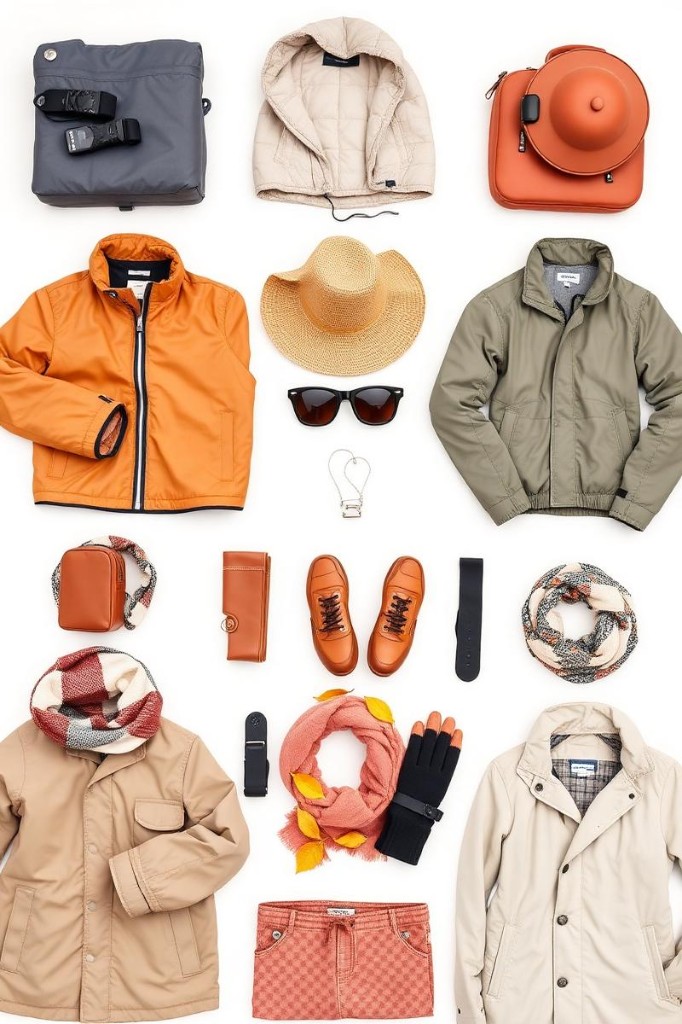
👕 Seasonal packing

Winter (Dec-Feb): • Warm layered clothing • Hat and gloves essential • Heavy-duty sleeping bag • Closed hiking boots • High-protection sunscreen

Spring/Autumn (Mar-May, Sep-Nov): • Light clothing for day, warm for night • Windbreaker for evenings • Breathable walking shoes • Sunglasses mandatory • Head and neck protection

Summer (Jun-Aug): • Long light-colored anti-UV clothing • Wide-brimmed hat • Closed sand-proof shoes • Fabric for face protection • Constant hydration 4L / 1.05 gal per day
Travel clothing and gear by season

💰 Seasonal budget

PeriodAccommodation (€/night)Activities (€/day)Meals (€/day)Transport (€)Traffic
High season (Mar-Apr, Oct-Nov)40-8050-10015-2560-120★★★★★
Shoulder season (Feb, May, Dec)25-5040-8012-2050-100★★★
Low season (Jun-Sep)15-3530-6010-1540-80
Very low (Jul-Aug)10-2525-508-1230-60

💡 Money-saving tips

• Negotiate all-inclusive packages off-season (40-60% savings) • Favor basic bivouacs vs luxury for authenticity • Share 4x4 transport between travelers (divide costs by 4-6) • Buy provisions in Rissani before Merzouga (local prices) • Avoid tourist restaurants, prefer family inns

🏥 Health and precautions

Intensive hydration: 3-4L / 0.8-1.05 gal per day minimum, electrolytes • Maximum sun protection: SPF50+ cream, frequent reapplication • Sand prevention: airtight goggles, respiratory protection • First aid kit: anti-diarrheal, antiseptics • Progressive adaptation: 24h acclimatization before intense activities • Emergencies: nearest hospital in Erfoud (50km / 31 miles)

Desert Events

Calendar of must-see festivities in Merzouga

The traditional events of Merzouga pace the life of the desert and offer an authentic cultural immersion into the nomadic Berber world.

🎵 International Festival of Saharan Music (March)

Description: An exceptional gathering of nomadic musicians from the Sahara with concerts under the stars, traditional workshops, and intercultural meetings. Magical atmosphere with campfires and ancestral melodies echoing in the dunes.

Location: Fixed camps around Erg Chebbi

Special feature: The only musical festival in the heart of the Moroccan Sahara

Climate impact: Optimal period with perfect temperatures, maximum attendance requiring booking 3 months in advance

Transport access: Organized shuttles from Erfoud, 4x4 mandatory for the last kilometers

Planning tip: Book accommodation starting in January, prices double during the festival

🐪 Nomads Festival (October)

Description: Traditional celebration of nomadic culture with camel racing competitions, Berber crafts, storytelling under the stars, and demonstrations of Saharan life. Total immersion in nomadic authenticity with families from the great Sahara.

Location: Traditional mobile camps

Special feature: Last major transhumance before winter

Climate impact: Ideal post-summer temperatures, return of nomadic families, maximum authentic atmosphere

Transport access: Access by camel possible, complete experience recommended

Planning tip: Local guide contacts are essential, less touristy event

🌟 Perseids Nights (August)

Description: Exceptional astronomical observation taking advantage of the total absence of light pollution. Guided sessions with telescopes, lectures on traditional Berber astronomy, and sleepless nights under the purest celestial vault in Morocco.

Location: Summits of the high dunes of Erg Chebbi

Special feature: The purest sky in North Africa for observation

Climate impact: Extreme heat offset by 100% nocturnal activity, unique experience despite difficult conditions

Transport access: Climbing dunes on foot mandatory, equipment provided

Planning tip: Physical fitness required, increased hydration

Seasonal events

Spring: • Gnawa Festival (April) - Spiritual music • Date Fair (March) - Oasis products • Return transhumance (February-March)

Summer: • Ramadan Nights (according to calendar) - Spiritual atmosphere • Private luxury camp festivals • Absolute desert silence

Autumn: • Harvest Festival (September) - Fresh dates • Nomadic wintering preparations • Last major camel treks

Winter: • Berber New Year celebrations (January) • Winter tales by the fire • Intensive textile crafts

Responsible tourism in the desert

Preserve the fragility of the Saharan ecosystem and respect nomadic culture by adopting responsible travel practices adapted to the challenges of the desert.

Responsible tourism in Merzouga involves respect for the fragile desert environment, support for local Berber communities, responsible management of scarce water, avoidance of noise and visual pollution, and the preservation of millennial nomadic traditions in the face of growing tourist pressure.

🌱 Low-season advantages

Visiting in the low season reduces pressure on limited water resources, allows for a more authentic experience with nomadic families, decreases the ecological impact of group transport, and preserves the tranquility of the desert.

♻️ Sustainable travel tips

• Choose certified local Berber guides and accommodation • Limit water consumption (short showers, reuse) • Bring back all non-biodegradable waste • Respect Saharan fauna (fennecs, reptiles) • Avoid picking rare desert plants • Favor camel treks vs 4x4 for carbon footprint reduction

🏙️ Local sustainable initiatives

Berber cooperatives are developing ecotourism with solar panels in camps, rainwater harvesting, ecological dry toilets, local fair-trade crafts, guide training on environmental issues, and oasis reforestation programs.

Our Recommendations

Recommendations for your Merzouga adventure

Based on the analysis of extreme Saharan climatic conditions, our recommendations incorporate significant temperature variations, seasonal tourist traffic, fluctuating prices, and Berber cultural specificities to optimize your desert experience in safety and authenticity.

🌟 Optimal period: March-April and October-November

Climatic advantages:

  • Perfect daytime temperatures (20-30°C / 68-86°F) for all activities
  • Cool nights ideal for bivouacking (5-15°C / 41-59°F)
  • Absence of oppressive heat or extreme cold
  • Optimal conditions for camel treks and hiking
  • Clear sky for astronomical observation

Key events: Saharan Music Festival (March), Nomads Festival (October)

Limitations: High tourist traffic, prices increased by 50-100%, reservations mandatory 2-3 months in advance

Ideal profile: First desert trips, families with children, photographers, organized groups

Stay duration: 3-4 days for a complete experience

🌤️ Interesting alternative: February and December

Description: Transition periods offering an excellent compromise between acceptable climatic conditions and moderate attendance. Temperatures still cool but manageable with adapted equipment.

Specific advantages:

  • Rates reduced by 30-40% vs high season
  • Limited tourist traffic
  • Short-term reservations possible
  • More authentic and quiet experience
  • Exceptional crystalline winter sky

For whom: Experienced travelers, moderate budgets, lovers of authenticity, those escaping the European winter

👥 Tips for your travel style

Family with children: March-April, fixed accommodation with bathrooms, short activities, avoid deep-freeze bivouacs

Tight budget: July-September, direct negotiation, basic bivouacs, shared transport

Culture lovers: October-November during moussems, experienced Berber guides, nomadic family immersion

Romantic couple: February-March, luxury bivouacs, private sunsets, duo camel treks

First desert trip: March-April, organized tours, French-speaking guides, comfortable accommodation

⚠️ Periods to avoid: July-August

Climatic reasons:

  • Extreme daytime heat (40-45°C / 104-113°F) dangerous
  • Activities limited to nighttime hours only
  • High risk of heatstroke and dehydration
  • Major discomfort for those unaccustomed to the desert

Nuances: Acceptable for very experienced adventurers seeking the extreme authenticity of the Sahara and benefiting from very attractive rates (-60%)

Villes du même pays

All cities

Frequently Asked Questions

Answers to essential questions for planning your trip to the Merzouga desert according to climatic conditions.

What is the best month to visit Merzouga?

March-April and October-November offer optimal conditions with pleasant daytime temperatures (20-30°C / 68-86°F) and cool nights perfect for bivouacking. These periods allow all activities without major climatic constraints. Avoid July-August (extreme heat 40-45°C / 104-113°F) unless you are an experienced adventurer seeking the authenticity of the desert in an extreme version with very attractive rates.

How many days should I plan for Merzouga?

2-3 days minimum for a first discovery including camel trekking, bivouacking, and sunrise over the dunes. 4-5 days allow for an in-depth camel trek with complete nomadic immersion. Experienced travelers can consider a week to explore the entire Erg Chebbi, meet Berber families, and live according to the traditional rhythm of the desert with advanced astronomical activities.

What to do in Merzouga in case of a sandstorm?

Sandstorms are rare but possible, especially in spring. Take shelter immediately in inns, wear respiratory protection (damp scarf), and hermetically seal luggage and electronic equipment. Local guides generally anticipate these phenomena. Take the opportunity to discover Berber crafts, drink mint tea, and listen to traditional stories. Storms rarely last more than a few hours.

Which events should not be missed in Merzouga?

The International Saharan Music Festival (March) is the major event with concerts under the stars and exceptional intercultural meetings. The Nomads Festival (October) offers an authentic immersion into traditional Berber culture. The Perseids Nights (August) allow for astronomical observation in one of the purest skies in the world, despite the extreme heat offset by 100% nocturnal activity.

What budget should I plan according to the period?

High season (March-April, October-November): 80-150€/day/person all-inclusive with comfortable accommodation, activities, and meals. Shoulder season: 50-100€/day with similar services. Low season (summer): 30-60€/day with significant negotiation potential. Count on supplements for luxury bivouacs (+50-100€), private guides (+30-50€/day), and transport from Marrakech (100-200€ round trip). Rates fluctuate wildly depending on demand and can double during festivals.