When to visit Morocco? Complete Guide

Between the Atlantic Ocean, the Atlas Mountains, and the Sahara Desert, Morocco offers a fascinating climatic mosaic.

  • 37.5 M population
  • Arabic, Berber language
  • 45 days rainy days/year
  • from October to April best time to visit
  • 7 to 15 days recommended stay

Weather and Climate in Morocco

Understanding the diverse climate of the Moroccan Kingdom

Morocco features four distinct climatic zones influenced by the Atlantic Ocean, the Mediterranean Sea, the Atlas Mountains, and the Sahara Desert, creating completely different travel experiences depending on the region visited.

  • Atlantic Coast: Temperate oceanic climate with refreshing sea breezes all year round
  • Mediterranean Coast: Classic Mediterranean climate with hot summers and mild winters
  • Atlas Mountains: Mountainous climate with snow in winter and summer coolness
  • Saharan Regions: Arid desert climate with high daily temperature variations

The Moroccan Seasons

Climate by Region of Morocco

The exceptional geographical diversity of Morocco creates distinct microclimates. From the temperate coastline to the snow-capped Atlas peaks, and through the Saharan dunes, each region imposes its own travel strategy.

🏖️ Atlantic Coast (Casablanca, Rabat, Essaouira)

The Atlantic coast benefits from a temperate oceanic climate all year round thanks to the trade winds and the Canary Current. Temperatures remain pleasant even in summer, with constant sea breezes. Essaouira is nicknamed 'the city of wind' for its perfect conditions for water sports.

PeriodWeatherTemperatureActivities
Oct-AprMild, some rain15-22°C / 59-72°FSightseeing, culture, surfing
May-SepPleasant, breezes18-26°C / 64-79°FBeach, water sports
Specifics: Frequent morning fog, steady winds in Essaouira, cool microclimate even in summer.

🏛️ Imperial Cities (Marrakech, Fes, Meknes)

The imperial cities of the interior experience a continental climate with scorching summers and cool winters. Marrakech and Fes can exceed 45°C / 113°F in summer, but offer incomparable charm in spring and autumn. The day/night temperature variation can reach 20°C / 36°F.

PeriodWeatherTemperatureActivities
Nov-MarCool, rain8-20°C / 46-68°FMedinas, museums
Apr-OctHot to very hot20-45°C / 68-113°FMorning visits
Specifics: Intense dry heat in summer, cool nights in winter, occasional sand dust (chergui).

⛰️ Atlas Mountains (High, Middle, Anti-Atlas)

The Moroccan Atlas offers a mountainous climate with significant variations depending on altitude. The High Atlas reaches 4167m / 13,671ft (Toubkal) with guaranteed snow in winter. Temperatures drop by 6°C / 11°F every 1000m / 3280ft of altitude, creating perfect conditions to escape the summer heat.

PeriodWeatherTemperatureActivities
Dec-MarSnow, cold-5-15°C / 23-59°FSkiing, snowshoeing
Apr-NovMild, cool10-25°C / 50-77°FHiking, trekking
Specifics: Snow cover 4-5 months/year above 2000m / 6561ft, summer thunderstorms, closed passes in winter.

🐪 Saharan Regions (Merzouga, Zagora, M'hamid)

The Moroccan Sahara presents an extreme desert climate with spectacular temperature ranges. Nights can be freezing (0°C / 32°F) when days exceed 50°C / 122°F. The near-zero humidity makes the heat more bearable, but dehydration is a risk.

PeriodWeatherTemperatureActivities
Nov-FebMild/cool0-25°C / 32-77°FCamps, camel treks
Mar-OctHot to extreme15-50°C / 59-122°FSunrise/sunset
Specifics: Day/night range up to 30°C / 54°F, possible sandstorms, constantly clear sky.

Practical Guide for Morocco

Traveling to Morocco requires preparation adapted to the country's climatic contrasts. From Atlantic beaches to the snow-capped peaks of the Atlas, and through the Saharan furnace, each region imposes its own clothing and logistical requirements.

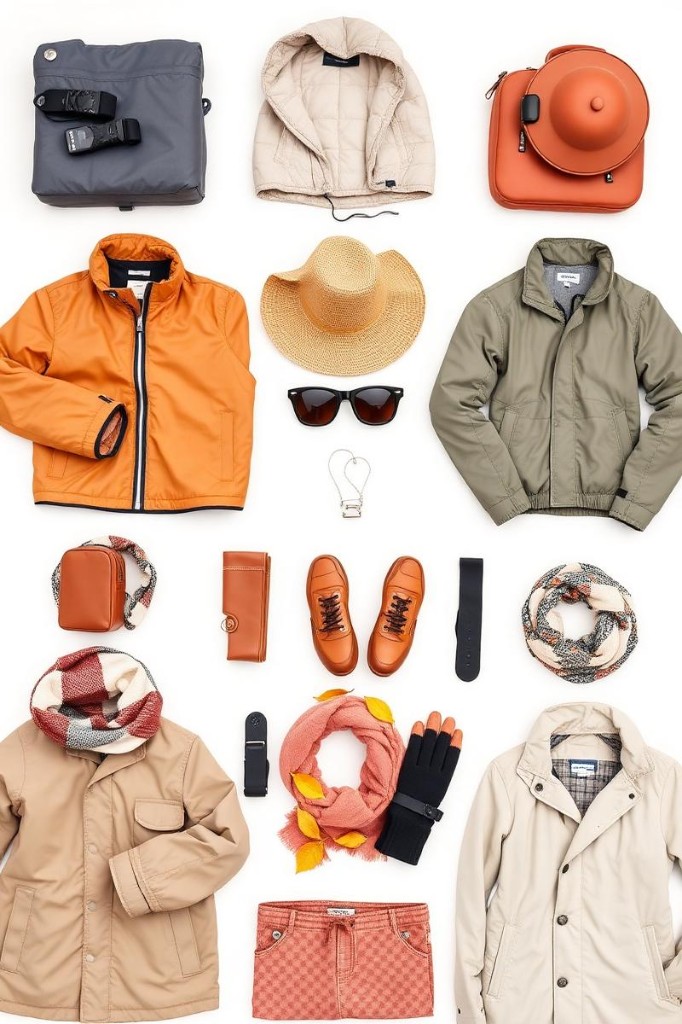
👕 Seasonal packing

Autumn/Spring (Oct-Nov, Mar-May):
  • Light cotton clothing for the day
  • Sweater or jacket for evenings
  • Comfortable walking shoes
  • Sun protection (hat, sunglasses)
  • Scarf for religious sites
Summer (Jun-Aug):
  • Very light clothing, light colors
  • Maximum sun protection
  • Sandals and closed-toe shoes
  • Long clothing for mosques
Winter (Dec-Feb):
  • Warm clothing for evenings
  • Raincoat for rain
  • Mountain gear if visiting the Atlas
  • Layerable clothing
Travel clothing and gear by season

💰 Seasonal budget

PeriodAccommodation (€)Transport (€)Activities (€)Crowds (/5)Budget Tips
High season (Oct-Nov, Mar-Apr)80-200400-80050-1504/5Book 3 months in advance
Mid season (Dec-Feb, May)50-120300-60040-1003/5Negotiate on-site
Low season (Jun-Sep)40-100250-50030-802/5Last minute possible

💡 Money-saving tips

  • Avoid Christmas/New Year: Prices multiplied by 2-3 in riads
  • Book early in autumn: Best period = high demand
  • Enjoy the coastal summer: Excellent prices on the Atlantic
  • Negotiate off-season: Significant margins in winter
  • Avoid French public holidays: All Saints' Day is particularly expensive

🏥 Health and precautions

  • Enhanced sun protection: SPF50+ sunscreen, frequent reapplication, altitude increases UV
  • Constant hydration: 3-4L / 105-140 fl oz per day in the desert, watch for signs of dehydration
  • Food precautions: Bottled water, peeled fruits, avoid ice cubes and raw vegetables
  • Altitude: Gradual acclimatization above 2500m / 8200ft in the Atlas
  • Recommended vaccinations: Hepatitis A and B, typhoid, updated DTP
  • First aid kit: Anti-diarrheal, antiseptic, bandages, repellent

Events & Festivals in Morocco

Cultural calendar and festivities not to be missed in Morocco

The rich Moroccan cultural heritage is expressed through exceptional festivals that punctuate the year and significantly enrich the travel experience.

🎭 Fes Festival of World Sacred Music (June)

A major spiritual event bringing together the world's greatest sacred musical traditions in the historic palaces and gardens of Fes. The mystical atmosphere of the night concerts in the medina creates an unforgettable experience, despite the summer heat which requires adjusted schedules.

Location: Medina of Fes, Bab Makina, Jnan Sbil gardens
Distinction: Only festival in the world dedicated to sacred music
Climate impact: Evening concerts to avoid daytime heat

🌹 Rose Festival of Kelâa M'Gouna (May)

Celebration of the rose harvest in the Dades Valley, featuring colorful parades, Berber dances, and the discovery of traditional distillation techniques. This authentic festival coincides perfectly with the spring bloom and ideal weather conditions for exploring the region.

Location: Kelâa M'Gouna, Dades Valley
Distinction: Largest rose water production in Morocco
Climate impact: Optimal flowering period, perfect temperatures

🎪 Marrakech International Film Festival (December)

An international cinematic meeting transforming the Red City into the capital of the 7th art. Outdoor screenings in Jemaa el-Fna square and historic palaces take advantage of the mild winter, an ideal time to discover Marrakech without the summer heat.

Location: Palais des Congrès, Jemaa el-Fna, historic cinemas
Distinction: Only international film festival in the Maghreb
Climate impact: Perfect winter temperatures for outdoor events

Seasonal events

Spring: • Almond Blossom Festival (February-March) • Tan-Tan Moussem (March) • World Music Festival (April)
Summer: • Gnaoua Festival of Essaouira (June) • Timitar Festival of Agadir (July) • Moulay Abdellah Moussem (August)
Autumn: • Erfoud Date Festival (October) • Marathon des Sables (October) • Tissa Horse Festival (September)
Winter: • Desert Festival (December) • Moulay Idriss Moussem (January) • Tetouan Carnival (February)

Responsible Travel in Morocco

Sustainable tourism in Morocco adapts to climatic and seasonal specificities to preserve fragile ecosystems, from Saharan oases to Atlas forests, while respecting local communities.

The diversity of Moroccan ecosystems, from the coast to desert areas, requires an approach that respects natural cycles and water resources. Each season imposes its own environmental challenges, from protecting nesting sites on the coasts to water conservation in arid regions.

🌱 Low-season advantages

Traveling outside tourist peaks reduces pressure on local infrastructure, decreases the carbon footprint of transport, and allows for a more equitable distribution of tourism income throughout the year.

♻️ Sustainable travel tips

  • Water management: Short showers, towel reuse, respect for water scarcity
  • Waste: Take your waste out of the desert, refuse plastic bags in the souks
  • Transport: Prioritize public transport, local guides, group tours
  • Respect fauna/flora: Do not pick, respect breeding periods
  • Local economy: Buy local crafts, eat in cooperatives

🏙️ Local sustainable initiatives

Morocco is developing innovative eco-responsible projects: Noor Ouarzazate solar complex, women's argan cooperatives, Atlas reforestation programs, and community tourism initiatives in authentic Berber villages.

Our Expert Recommendations

Expert recommendations for your trip to Morocco

After analyzing official climate data and drawing on our field experience, our recommendation is based on the optimal balance between weather conditions, tourist crowds, and the richness of experiences. Morocco offers possibilities all year round, but certain periods maximize your travel pleasure.

🏆 Optimal Period: October - November & March - April

Why these months?
  • Perfect temperatures (18-28°C / 64-82°F) in all regions
  • Ideal conditions for the desert and imperial cities
  • Exceptional light for photography
  • Possibility to combine all regions
  • Moderate crowds, preserved authentic experience
Only limitation: Some spring showers possible
Ideal profile: All types of travelers, especially for first-time visitors

⚖️ Balanced Alternative: December - February

Alternative months: Winter season
Justification: Excellent period for the coasts and the South, with the advantage of very attractive rates and preserved authenticity. Temperatures remain pleasant (15-22°C / 59-72°F) on the coast.
Specific advantages: Unbeatable prices, fewer tourists, possibility of skiing in the Atlas, coastal mildness

👥 Tips for your travel style

👨‍👩‍👧‍👦 Family: March-May and October-November, safe temperatures, varied activities possible
💰 Budget: December-February and June-September, rates reduced by up to 50%
🏃‍♂️ Adventure: October-April for Atlas trekking, November-March for desert
💎 Luxury: October-November, perfect conditions, high season for riads
📸 Photographer: October-November, exceptional golden light, striking contrasts
⚠️ Periods to avoid: July-August in the interior (extreme heat 40-45°C / 104-113°F), January in the mountains (closed passes, intense cold)

Cities to explore

Discover the must-sees of urban travel

All cities

Frequently Asked Questions

Find essential answers to the most frequently asked questions about planning a trip to Morocco according to the seasons.

When is the best time to visit Morocco?

The optimal period is from October to November and March to April. These months offer ideal temperatures (18-28°C / 64-82°F), allow for comfortable travel across all regions, and avoid climatic extremes. Autumn is slightly preferable for the exceptional light quality.

Can you visit the Sahara Desert in summer?

It is strongly discouraged. Daytime temperatures regularly exceed 50°C / 122°F, making any activity dangerous between 9 AM and 6 PM. If you must go, limit activities to sunrise/sunset and prioritize camps with proper equipment. The period from November to March remains ideal for the desert.

What budget should I plan for according to the season?

The differences are significant: expect 30-50% more in high season (October-November, March-April) versus low season (December-February, June-September). A riad costing €150 in October may cost €80 in January. Flights follow the same logic with peaks at Christmas and Easter.

How should I dress according to the seasons in Morocco?

Opt for layered clothing: light cotton for the day, a sweater for autumn/spring evenings. In summer, use maximum protection (long sleeves, hat). In winter, bring warm clothing for evenings and the Atlas. Always wear modest clothing for religious sites.

What are the climatic risks to avoid?

Main risks: heatstroke in summer in the interior (crucial hydration), nocturnal hypothermia in the desert in winter (30°C / 54°F day/night temperature range), occasional torrential winter rains, and occasional sandstorms. Good preparation and local guides minimize these risks.