When to visit Rabat? City Trip Guide

Between mild winters bathed by the Atlantic and bright summers, Rabat offers a unique atmosphere in every season.

  • 0.6 M population
  • Arabic, Amazigh, French language
  • 65 days rainy days/year
  • March to May best time to visit
  • 3 to 5 days recommended stay

Weather and climate trends in Rabat

Understanding Rabat's Atlantic Mediterranean climate

Rabat enjoys a Mediterranean climate tempered by the Atlantic, which provides warm but never stifling summers and mild, humid winters. As the royal capital of Morocco, the city is crossed by the Bou Regreg River and opens onto the ocean, which mitigates temperature extremes and makes city trips pleasant all year round.

  • Historic City Center: Temperatures moderated by the ramparts and proximity to the ocean
  • Agdal-Ryad District: Modern area with a slight urban heat increase
  • Seafront: The coolest zone with constant sea breezes
  • Eastern Outskirts: Slightly warmer and drier, away from the ocean's influence
MonthMin Temp (°C / °F)Max Temp (°C / °F)Precip. (mm / in)Sun (h/day)CrowdsRecommended Activities
January7°C / 45°F17°C / 63°F70mm / 2.8in6★★☆☆☆Museums, medina, hammam
February8°C / 46°F18°C / 64°F62mm / 2.4in7★★☆☆☆Gastronomy, souks, culture
March10°C / 50°F20°C / 68°F55mm / 2.2in8★★★☆☆Gardens, medina, festivals
April12°C / 54°F23°C / 73°F40mm / 1.6in9★★★★☆Walks, Kasbah, beaches
May14°C / 57°F26°C / 79°F20mm / 0.8in10★★★★★Mawazine, terraces, Corniche
June17°C / 63°F28°C / 82°F5mm / 0.2in11★★★☆☆Beach, Corniche, nightlife
July19°C / 66°F30°C / 86°F1mm / 0.04in11★★★☆☆Throne Day, beach, culture
August20°C / 68°F31°C / 88°F2mm / 0.08in11★★★☆☆Beach, nightlife, festivals
September19°C / 66°F28°C / 82°F10mm / 0.4in9★★★★☆Cultural tourism, walks, Kasbah
October15°C / 59°F24°C / 75°F45mm / 1.8in7★★★★☆Culture, gastronomy, museums
November11°C / 52°F20°C / 68°F65mm / 2.6in6★★★☆☆Souks, shopping, hammam
December8°C / 46°F17°C / 63°F75mm / 3.0in5★★☆☆☆Medina, markets, culture

Located at a low altitude (80m / 262ft), Rabat shows few temperature variations linked to relief. The proximity of the Atlantic Ocean is the main moderating climatic factor.

The seasons in Rabat

Must-sees based on the weather

Rabat is full of cultural, heritage, and natural attractions that you can organize intelligently according to the day's weather conditions to get the most out of your city trip.

☔ In overcast or rainy weather

Indoor & protected in Rabat

Rainy days are the perfect opportunity to dive into the museum and heritage riches of the Moroccan capital, without ever getting bored.

  • 🏛️ Mohammed VI Museum of Modern and Contemporary Art — 2h visit — Entry: 60 DH — Open all year
  • 🏺 Rabat Archaeological Museum — 1h30 — Entry: 20 DH — Must-see in winter
  • 💎 National Jewelry Museum — 1h — Entry: 20 DH — Unique collection of Berber jewelry
  • 📚 National Library of the Kingdom of Morocco — 1h — Free entry — Remarkable contemporary architecture
  • 🕌 Kasbah of the Udayas Museum — 1h — Entry: 20 DH — Ideal in case of a morning shower
  • 🎭 Mohammed V Theatre — Variable — Check programming — Concerts and shows

Practical tip: Book online for the Mohammed VI Museum in high season. Prioritize mornings to avoid school groups.

Tip: The Rabat cultural pass allows you to visit several museums at a reduced rate. Inquire at the city tourism office.

☀️ In good weather

Optimal outdoor in Rabat

When the sun illuminates the Almohad ramparts and the blue waters of the Atlantic, Rabat reveals all its architectural and natural splendor in the open air.

  • 🏯 Kasbah of the Udayas — 1h30 — Free entry (garden: 10 DH) — Ideal in golden morning light
  • 🕌 Hassan Tower and Mohammed V Mausoleum — 1h — Free entry — Best light in late afternoon
  • 🌿 Chellah Ruins — 1h — Entry: 30 DH — Magical at sunset
  • 🌊 Rabat Corniche and Ocean Beach — Free — Walking and swimming from June to September
  • 🌸 Agdal and Royal Palace Gardens — 1h — Free outdoor access — Exceptional spring flowering
  • 🛶 Boat crossing to Salé — 30 min — A few dirhams — Stunning view of both banks

Best moment: The golden hour at the Kasbah of the Udayas at the end of the day is an unforgettable photographic moment.

Seasonal tip: April, May, and September-October offer the most flattering light. In July-August, avoid outdoor visits between 12:00 PM and 4:00 PM.

🌤️ Versatile for all weather

Flexible sites in Rabat

Some sites in Rabat intelligently combine covered and outdoor spaces, allowing you to adapt your visit in real-time according to the whims of the Atlantic sky.

  • 🧭 Rabat Medina — Covered souks and semi-sheltered alleys — All day — Ideal in any weather
  • 🕌 Kasbah of the Udayas — Indoor museum + outdoor gardens — 2h combined
  • 🏛️ Bab Rouah Cultural Complex — Indoor exhibitions + esplanade — Free entry

Weather tip: Start with the covered alleys of the medina, then if the sky improves, walk to the Kasbah of the Udayas in 10 minutes.

Example itinerary: Morning — Medina (covered souks) → Lunch in a riad → Afternoon — Kasbah of the Udayas (museum then gardens if sunny) → Evening — Corniche or lively cafe in the new city.

💰 Free or economical

No cost in Rabat

  • 🌊 Rabat Beach (Nations Beach and Corniche) — Free access — Ideal from June to September
  • 🏯 Almohad and Merinid Ramparts — Free outdoor walk — Panoramic view of the Bou Regreg river
  • 🕌 Exterior of the Mohammed V Mausoleum — Free access — Grandiose architecture without entry fees
  • 🌿 Chellah Outdoor Gardens — Partially accessible for free outside opening hours
  • 🛶 Boat crossing to Salé — 2 to 5 DH — One of the most authentic and economical local experiences

Free days: Some national museums offer free entry on the first Friday of the month — check conditions with the regional directorate of the Ministry of Culture.

Budget tip: The panoramas of the Kasbah and the river mouth are entirely free and among the most beautiful in the city.

Practical Guide

To fully enjoy your city trip to Rabat, adapting your gear and budget to the season is essential. The city is mainly explored on foot in the medina and by bike on the Corniche, and the climatic variations between Atlantic winter and dry summer can significantly change the travel experience.

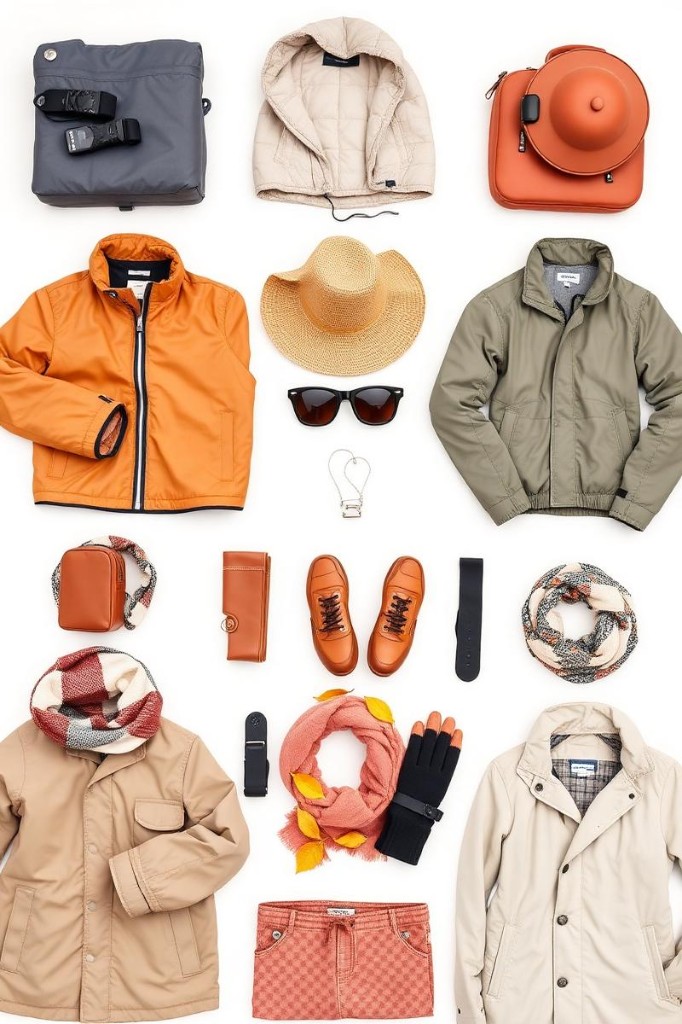
👕 Seasonal packing

🌸 Spring (March-May): comfortable walking shoes • light windbreaker for cool evenings • sunglasses • compact raincoat for April showers

☀️ Summer (June-August): light cotton or linen clothing • wide-brimmed hat • high-SPF sunscreen • reusable water bottle • outfit covering shoulders for mosque visits

🍂 Autumn (September-November): light layers • waterproof jacket from October onwards • comfortable closed shoes • scarf for evenings

🌧️ Winter (December-February): mid-season light coat • sweaters • sturdy raincoat • waterproof shoes • compact umbrella — frequent indoor/outdoor transitions require modular layers

Travel clothing and gear by season

💰 Seasonal budget

PeriodCenter Accommodation (€/night)Transport (€/day)Restaurants (€/day)Attractions (€)Crowds
Winter (Dec-Feb)35-703-615-305-10★★☆☆☆
Spring (Mar-Apr)50-903-618-355-15★★★☆☆
Mawazine (May)70-1304-720-4010-20★★★★★
Summer (Jun-Aug)55-1003-618-355-15★★★☆☆
Autumn (Sep-Oct)45-853-615-305-12★★★★☆

💡 Money-saving tips

  • 🎟️ Group your museum visits on the same day to make the most of any cultural pass offered by the Rabat tourism office
  • 🍽️ Eat lunch in the central market or medina restaurants (full menus from €6) rather than tourist establishments in the new city
  • 🚌 The Rabat-Salé tramway (approx. €0.80 per trip) is the most economical and fastest way to reach the main sites
  • 🏨 Medina riads often offer better value for money than hotels in the new city, while being ideally located
  • 📅 Avoid the week of the Mawazine Festival (May) if your budget is limited: accommodations can double in price in a few days

🏥 Health and precautions

  • ☀️ Sun protection is essential from May to September, even on partially cloudy days — the Atlantic gives a false impression of coolness
  • 💧 Increased hydration in summer: always carry a reusable water bottle; tap water is not recommended for consumption
  • 🌿 Spring allergies possible in March-April with the intense flowering of gardens and bougainvillea
  • 🚶 Intensive walking on cobblestones and uneven alleys: thick-soled shoes recommended for the medina and the Kasbah
  • 💊 On-call pharmacies available 24/7 — ask at your hotel if needed at night

Urban events

Calendar of must-see events in Rabat

Rabat's cultural life is one of the richest in Morocco, punctuated by international festivals that transform the city and create unique atmospheres that directly influence tourist traffic.

🎵 Mawazine Festival — Rhythms of the World (May-June)

The Mawazine Festival is one of the largest music festivals in the world, attracting over 2.5 million spectators annually to several free and paid stages throughout the capital. Renowned international artists perform alongside the greatest voices of Arab and African music, creating a unique buzz in the streets of Rabat.

Location: Multiple stages — Hassan Tower Esplanade, OLM Souissi, French Embassy Gardens, Mohammed V Theatre

Highlight: Several stages are entirely free and accessible to all without reservation

Impact on the city: The city is in celebration mode; hotels are fully booked weeks in advance and prices increase significantly

Transport access: Tramway line 1 to Hassan, festival shuttles are provided throughout the event

Planning tip: Book your accommodation 2 to 3 months in advance if you wish to stay in the city center during the festival

🇲🇦 Throne Day — July 30

Throne Day is Morocco's most important national celebration, commemorating the accession to the throne of King Mohammed VI. In Rabat, the royal capital, the celebration takes on a special dimension: monumental illuminations, parades, free popular concerts, and entertainment in all neighborhoods transform the city into a vibrant and moving spectacle that travelers can witness.

Location: Mohammed V Boulevard, Mohammed V Square, Corniche — events throughout the city

Highlight: Rabat, as the seat of government and royal residence, experiences this event with incomparable emotional intensity

Impact on the city: High local attendance, some shops closed, festive and patriotic atmosphere throughout the capital

Transport access: Tramway and city buses with reinforced service — walking remains the best way to enjoy the atmosphere

Planning tip: Plan your accommodation in advance, especially if traveling with family — the medina riads fill up quickly around July 30

🎬 Salé International Women's Film Festival (September)

Organized in Salé, the twin city of Rabat accessible in a few minutes by tramway, this socially engaged film festival celebrates international women's cinematic creation every year. It attracts filmmakers, intellectuals, and film enthusiasts from all over the world, enriching the cultural offerings of the Rabat-Salé region in September, a time already pleasant for travel.

Location: Cinemas and cultural spaces in Salé — accessible from Rabat via tramway line 2

Highlight: A one-of-a-kind event in the Arab world, honoring female directors and actresses from around the globe

Impact on the city: Intellectual and artistic atmosphere, screenings often open to the public at affordable rates

Transport access: Rabat-Salé tramway from Skhirat Square to the center of Salé — less than 20 minutes

Planning tip: September remains a period of relative low tourist season — accommodations are available and prices are reasonable

Seasonal events

🌸 Spring:

  • Mawazine Festival (May-June) — Multiple stages — International music
  • Kasbah of the Udayas Moussem (May) — Kasbah — Gnawa and Andalusian music festival
  • Labor Day (May 1st) — Public holiday — Some museums and shops closed

☀️ Summer:

  • Throne Day (July 30) — City-wide — National festivities and free entertainment
  • Night of Destiny (Laylat al-Qadr, variable Ramadan dates) — Mosques and public spaces — Intense spiritual atmosphere
  • Udaya Festival (July-August) — Kasbah — Outdoor music and performing arts

🍂 Autumn:

  • Salé International Women's Film Festival (September) — Salé/Rabat — International cinema
  • Heritage Day (October) — Historic sites — Free tours and educational activities
  • Independence Day (November 18) — Public holiday — Official commemorations

🌧️ Winter:

  • Eid al-Fitr and Eid al-Adha (variable dates) — City-wide — Many closures, exceptional family atmosphere
  • Temporary exhibitions (December-February) — Mohammed VI Museum — Enriched winter programming

Responsible city trip in Rabat

Choosing when and how to visit Rabat has a direct impact on the urban environment, the quality of life of the inhabitants, and the authenticity of your own experience. Traveling responsibly in the Moroccan capital also means preserving what makes it so precious.

Rabat is actively committed to a transition towards sustainable tourism: the tramway is the backbone of travel, the pedestrian zones of the medina limit car traffic, and many local merchants offer artisanal products from fair trade. Prioritize family riads over large hotel chains and reduce your use of single-use plastic.

🌱 Low-season advantages

Visiting Rabat in winter or autumn outside of festivals helps reduce pressure on heritage sites, support the local economy outside of tourist peaks, benefit from more accessible rates, and live an authentic experience in contact with the inhabitants.

♻️ Sustainable travel tips

  • 🚃 Prioritize the Rabat-Salé tramway for all your travel — clean, economical, and covering the main tourist sites
  • 🚶 The medina, the Kasbah of the Udayas, and the Hassan Tower are connected on foot in less than 20 minutes — explore on foot as much as possible
  • 🛍️ Buy crafts and food products directly from the artisans of the medina, avoiding souvenir shops at the entrance of sites
  • 🏨 Choose riads labeled by the Moroccan National Tourism Council to ensure responsible practices
  • 💧 Use a reusable water bottle — refill points exist in several hotels and riads
  • 🌿 Respect prayer times in the medina neighborhoods and adopt clothing respectful of local customs

🏙️ Local sustainable initiatives

Rabat has a modern tramway network connecting the city to Salé and reducing car traffic. Bike paths run along the Corniche and the Bou Regreg river. The medina benefits from a sustainable urban rehabilitation plan, and several local associations organize organic markets and eco-responsible craft discovery tours.

Our recommendations

Recommendations for your city trip to Rabat

After analyzing climate data, tourist traffic, and the cultural calendar, Rabat proves to be a particularly generous destination in spring and autumn. These two periods offer a perfect balance between favorable weather, accessible prices, and a wealth of cultural events. Summer remains pleasant thanks to the Atlantic breeze, while winter surprises with its relative mildness. Whatever the season, Rabat is worth a visit.

🌟 Optimal period: April, May, and September-October

Recommended months: April, May, September, October

  • Ideal temperatures between 12°C and 28°C (54°F - 82°F), perfect for urban walking and outdoor visits
  • Mawazine Festival in May — unique and often free cultural experience
  • Controlled tourist traffic in April and September-October
  • Generous sunshine without excessive heat
  • Intermediate accommodation prices, diverse offer available

Key events: Mawazine Festival (May), cultural season opening (September), Salé Women's Film Festival (September)

Drawbacks: Price increases during Mawazine in May; some showers possible in April

Ideal profile: Cultural travelers, couples, first-time visitors, photography enthusiasts

Recommended stay duration: 4 to 5 days to cover the essentials calmly

💡 Interesting alternative: June and November

Alternative months: June, November

June offers a mild start to summer, with sunny days and few tourists after the Mawazine period. November surprises with its relative mildness and authenticity — the city lives at its own pace, far from the tourist hustle, with welcoming hammams and warm souks.

  • Fewer tourists than in May or October
  • Attractive accommodation prices, especially in November
  • Intense local cultural life in November (exhibitions, shows)
  • In June, beaches are already usable without the August crowds

For whom: Travelers seeking authenticity, small budgets, lovers of local life, solo travelers

👥 Tips for your travel style

👨‍👩‍👧 Family: April-May or September — Neighborhoods: medina and Corniche — Activities: beach, Chellah Garden, boat crossing — Accommodation: riads with central patio — Transport: unlimited tramway

💰 Budget: November-March (excluding holidays) — Neighborhoods: medina (budget riads) — Activities: free sites, markets, public hammam — Tip: daily menu in local eateries from €5

🎨 Culture: May (Mawazine) or September-October — Neighborhoods: medina, Agdal, Hassan — Activities: museums, Kasbah of the Udayas, Chellah, Mausoleum — Accommodation: heritage riads in the medina

💑 Romantic: April or October — Neighborhoods: Kasbah of the Udayas, Corniche at sunset — Activities: dinner on terraces overlooking the Atlantic, sunset crossing — Hotels: boutique riads with panoramic terrace

🗓️ Short Weekend: All year round except rainy December-January — Prioritize Friday evening to Monday — Medina + Kasbah + Hassan + Salé in 48 hours flat

🌍 First Trip: April or October — Neighborhoods: medina, new city, Agdal — Activities: guided tour of the medina, archaeological museum, Corniche — Accommodation: riad with French-speaking service

⚠️ Periods to reconsider: December-January and August

Months to avoid depending on profile: December, January, August

Reasons: December and January combine frequent rain and reduced sunshine, making outdoor visits less pleasant. August sees prices climb due to Moroccan vacationers returning home, and the heat can be challenging in the middle of the day.

Nuances: Winter remains interesting for lovers of authenticity and small budgets. August is perfect for beach and nightlife lovers — the Atlantic breeze makes the heat bearable.

Villes du même pays

All cities

Frequently Asked Questions

Here are the essential questions travelers ask when planning their city trip to Rabat based on climate, budget, and cultural interests.

What is the best month to visit Rabat?

April is often the best compromise for visiting Rabat: temperatures range between 12°C and 23°C (54°F - 73°F), winter rains are rare, gardens are in full bloom, and tourist traffic remains moderate. May is also excellent if you want to attend the Mawazine Festival, but book your accommodation several weeks in advance. September and October offer an equally attractive autumn alternative, with golden light on the ramparts and sites less crowded than in spring.

How many days should I plan for Rabat?

A minimum of 3 days is necessary to discover the highlights: the Kasbah of the Udayas, the Hassan Tower, the Mohammed V Mausoleum, the medina, and an excursion to Salé. If you want to take the time to soak up the atmosphere of the souks, visit museums, visit Chellah, and enjoy the Corniche, 4 to 5 days are ideal. Architecture and heritage enthusiasts can easily fill a week by including half-days in Salé and lesser-known museums in the new city.

What to do in Rabat when it rains?

Rabat offers many indoor alternatives for rainy days. The Mohammed VI Museum of Modern and Contemporary Art is a must-see with its remarkable permanent and temporary collections. The Archaeological Museum reveals the ancient treasures of the region. The medina with its semi-covered souks remains accessible even in the rain, as does the National Jewelry Museum. A traditional hammam is also a cultural experience in its own right, ideal in cool and humid weather — ask your riad to recommend a quality establishment.

Which events should not be missed in Rabat?

The Mawazine Festival (May-June) is the highlight of the year: one of the largest music festivals in the world with free stages open to all. The Throne Day on July 30 transforms Rabat into a bright and moving national celebration. In September, the Salé International Women's Film Festival attracts film buffs and intellectuals from around the world. During Ramadan (variable dates), the city takes on an incomparable nocturnal atmosphere with family iftars in the alleys of the medina — a unique cultural experience for curious travelers.

What budget should I plan for based on the season?

In low season (December-February), expect about €40 to €70 per day all-inclusive (budget riad, local restaurants, tramway transport, museum entries). In spring and autumn, the budget rises to €60 to €100 per day for decent comfort. During the Mawazine Festival in May, accommodations can double in price — plan for €80 to €150 per day. In summer (July-August), expect €65 to €110 per day. The tramway (less than €1 per trip) and medina restaurants (menus starting from €5) help significantly reduce the daily budget regardless of the season.