When to visit Morondava? City-Trip Guide

Discover the gateway to the Avenue of the Baobabs according to the Malagasy tropical seasons.

  • 0.05 M population
  • Malagasy, French language
  • 45 days rainy days/year
  • from May to October best time to visit
  • 3 to 5 days recommended stay

Climate and weather in Morondava

Understanding the dry tropical climate of Morondava

Morondava enjoys a dry tropical climate characterized by two distinct seasons. Located on the west coast of Madagascar, the city is influenced by trade winds and features mild temperatures year-round, ideal for exploring the famous baobabs.

MonthMin Temp (°C / °F)Max Temp (°C / °F)Precipitation (mm / in)Sunshine (h/day)Tourist TrafficRecommended Activities
January24 / 7532 / 90180 / 7.17⭐⭐Baobabs, beaches
February24 / 7532 / 90160 / 6.37⭐⭐Whale watching
March23 / 7331 / 88120 / 4.78⭐⭐⭐Sunsets
April21 / 7030 / 8640 / 1.68⭐⭐⭐⭐Hiking, photos
May18 / 6428 / 8215 / 0.69⭐⭐⭐⭐⭐Tsingy, baobabs
June16 / 6126 / 798 / 0.39⭐⭐⭐⭐⭐Exploration, trek
July15 / 5926 / 795 / 0.29⭐⭐⭐⭐⭐Safari, baobabs
August16 / 6127 / 818 / 0.39⭐⭐⭐⭐⭐Photography
September18 / 6429 / 8412 / 0.58⭐⭐⭐⭐Trekking, nature
October21 / 7031 / 8825 / 1.08⭐⭐⭐⭐Baobabs, beaches
November23 / 7332 / 9080 / 3.18⭐⭐⭐Start of hot season
December24 / 7532 / 90140 / 5.57⭐⭐⭐Local festivities

The seasons in Morondava

Sites according to weather conditions

Optimize your stay in Morondava by choosing your activities according to the current weather conditions.

☀️ In dry and sunny weather

Optimal conditions

Sunny days reveal all the magic of Morondava and its surroundings.

Must-see sites:
🌳 Avenue of the Baobabs - 2h - Free - Magical sunset
🏞️ Tsingy de Bemaraha - Full day - 55€ - Spectacular limestone formations
🌅 Baobab of Love - 1h - Free - Romantic sunrise
🐒 Kirindy Reserve - 4h - 25€ - Endemic Malagasy fauna
🏖️ Morondava beaches - 3h - Free - Relaxation and swimming
📸 Sacred Baobab - 30min - Free - Venerated ancient tree

Practical advice: Book your excursions the day before, early morning departure recommended

Photo tip: Golden hour 1h before sunset for exceptional baobab shots
🌧️ In rainy weather

Indoor alternatives

Rainy days offer other perspectives on the region.

Adapted activities:
🏛️ Local museum - 1h - 5€ - Sakalava culture
🎨 Local crafts - 2h - Variable - Baobab sculptures
🍽️ Traditional restaurants - 2h - 15-25€ - Authentic Malagasy cuisine
🛒 Covered market - 1h - Free - Local products and spices
🏨 Spas and wellness - 2h - 30-50€ - Relaxation after travel

Season tip: Take advantage of breaks between showers for short outings

Transport tip: Negotiate a full-day taxi, roads are difficult in the rainy season

🌤️ Mixed conditions

Maximum flexibility

Adapt your program according to weather developments.

Versatile sites:
🌳 Baobabs near the city - Easy access even in changing weather
🚤 River excursions - Protection possible in case of rain
🏘️ Sakalava villages - Warm welcome in all weather

Weather strategy: Check forecasts in the morning, adapt itinerary accordingly

Typical itinerary: Morning outdoor sites, afternoon cultural activities if weather degrades

💰 Economic experiences

Free discoveries

Morondava offers many experiences at no cost.

Free sites:
🌅 Baobab sunrise/sunset - Daily natural spectacle
🚶 City center walks - Colonial architecture
🏖️ Public beaches - Relaxation and swimming
🎭 Street performances - Spontaneous local entertainment

Budget tips: Public transport, local market meals, homestay accommodation

Economic periods: Rainy season for reduced rates, avoid July-August tourist peak

Practical Guide

Prepare your stay in Morondava effectively with our practical tips adapted to the climatic and logistical specificities of this unique Malagasy destination.

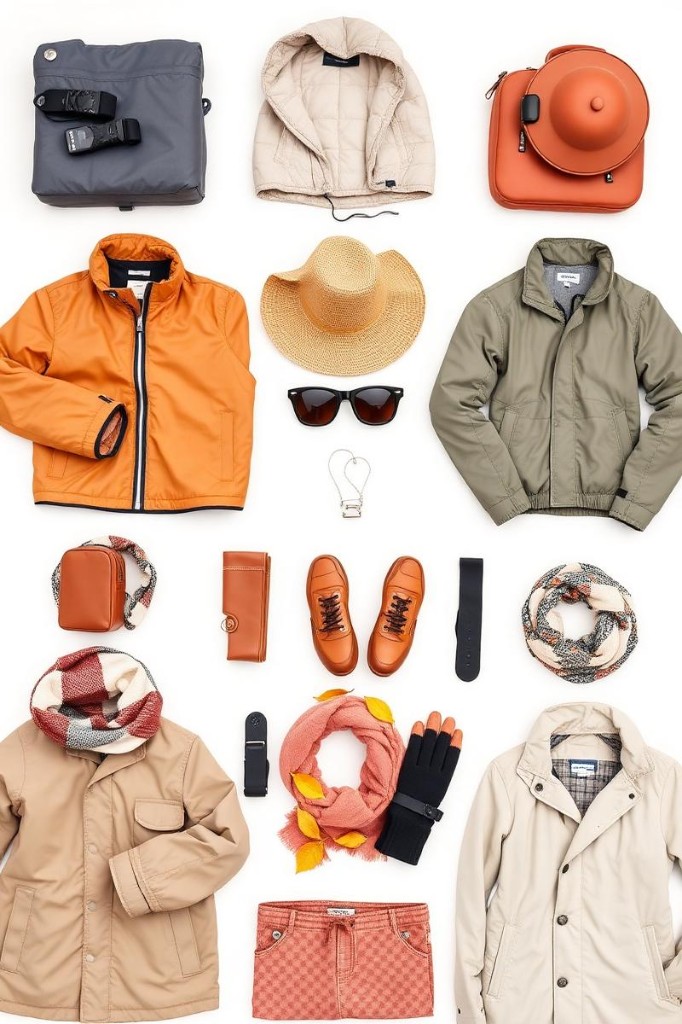
👕 Seasonal packing

Dry season (May-October): • Sturdy walking shoes for trails • Light layers of clothing • Warm jacket for cool evenings • Hat and sunglasses • High-protection sunscreen

Rainy season (November-April): • Waterproof, non-slip shoes • Poncho or rain jacket • Quick-dry clothing • Waterproof bag for camera equipment • Effective mosquito repellent
Travel clothing and gear by season

💰 Seasonal budget

PeriodAccommodation (€/night)Transport (€/day)Restaurants (€/day)Excursions (€)Traffic
May-October40-8025-4020-3550-100⭐⭐⭐⭐⭐
November-April25-5015-2515-2530-60⭐⭐
July-August60-12035-5025-4080-150⭐⭐⭐⭐⭐

💡 Money-saving tips

Save money by traveling in the rainy season with 40% reduced rates. Negotiate multi-excursion packages. Favor local restaurants over tourist establishments. Book accommodation in advance during high season. Public transport is cheaper than private taxis.

🏥 Health and precautions

• Malaria protection mandatory year-round • Yellow fever vaccination recommended • Sealed bottled water only • Complete first aid kit • Enhanced sun protection (altitude and glare) • Powerful mosquito repellents for rainy season

Events and festivities

Cultural calendar and traditional festivities of Morondava

Morondava vibrates to the rhythm of Sakalava traditions and Malagasy celebrations that enrich the cultural experience throughout the seasons.

Famadihana - Turning of the Dead (July-September)

An ancestral Sakalava ceremony where families exhume their deceased, wrap them in new shrouds, and dance with them before returning them to the tomb. An intense spiritual moment blending joy and reflection, this unique tradition reveals the deep Malagasy soul.

Location: Surrounding villages and traditional cemeteries
Note: Participation by family invitation only
Climate impact: Dry season is ideal for travel to remote villages
Access: Local guide essential, respect strict protocols
Planning: Book accommodation very early, high demand period
Whale Festival (July-September)

Celebration of the return of humpback whales to the Mozambique Channel with observation excursions, concerts, and marine exhibitions. These giants of the sea offer an exceptional natural spectacle visible from the Morondava coast.

Location: Waterfront and organized sea trips
Note: Observation guaranteed with a 90% success rate
Climate impact: Calm seas in the dry season, optimal navigation conditions
Access: Book marine excursions from Morondava port
Planning: Limited boat spots, book 2 weeks in advance
Sombily - Sakalava New Year (March-April)

A traditional Sakalava New Year marked by ritual purifications, ancestral dances, and offerings to ancestors. The sacred ceremonies take place near venerated baobabs, creating a unique mystical atmosphere.

Location: Sacred baobab sites and central village squares
Note: Traditional blessings for respectful visitors
Climate impact: End of rainy season, lush nature for ceremonies
Access: Cultural guide accompaniment recommended
Planning: Dates vary according to the traditional lunar calendar

Seasonal events

Dry season: • Baobab Festival (August) - Celebration of sacred trees • Nature photography contest (September) • Enhanced artisan markets (May-October)

Rainy season: • Harvest festivals (February-March) - Agricultural abundance • Rain ceremonies (December) - Fertility rituals • Traditional music festivals (January) inside huts

Responsible tourism

Adopt an environmentally friendly approach and respect local communities during your discovery of Morondava and its unique natural treasures.

Morondava is home to fragile ecosystems and ancient baobabs requiring protection. Favor certified local guides, respect safety distances with endemic fauna, and avoid disturbing sacred Sakalava sites. Support the local economy by purchasing authentic crafts and eating at family restaurants rather than tourist chains.

🌱 Low-season advantages

Traveling in the rainy season reduces tourist pressure on fragile sites, allows for authentic interactions with less-solicited local communities, supports the local economy during the off-season, and lowers your carbon footprint through reduced traffic.

♻️ Sustainable travel tips

Use public transport or bicycles for short trips. Consume water from reusable bottles with purification. Respect marked trails for baobab protection. Favor local eco-certified accommodation. Avoid single-use plastics. Participate in proposed marine conservation activities.

🏙️ Local sustainable initiatives

The region is developing community-based ecotourism with trained village guides, solar-powered eco-camps, baobab reforestation programs, marine whale area protection, fair trade markets for local artisans, and awareness campaigns for preserving exceptional natural heritage.

Our recommendations

Personalized advice for your trip to Morondava

After analyzing climatic conditions, tourist traffic, and seasonal rates, here are our recommendations to optimize your discovery of Morondava. The choice of period depends on your priorities: perfect weather conditions, controlled budget, cultural authenticity, or baobab photography. Each season offers a different experience of this exceptional Malagasy destination.

Optimal period: May to September

Recommended months: May, June, July, August, September

Advantages:
• Ideal weather for exploration
• Guaranteed access to all natural sites
• Perfect visibility for baobab photography
• Passable roads to Tsingy Bemaraha
• Whale watching (July-September)

Key events: Whale Festival, Famadihana, photography contest

Disadvantages: High traffic in July-August, high prices

Ideal profile: Photographers, families, first-time Madagascar travelers

Stay duration: 4-5 days minimum for essential sites
Interesting alternative: March-April and October

Alternative months: March, April, October

Description: Transition periods offering an excellent compromise between acceptable weather conditions, moderate attendance, and intermediate rates. Landscapes are still green after rains or turning green before the wet season.

Specific advantages: Fewer tourists at iconic sites, negotiable accommodation prices, Sakalava New Year celebrations (March-April)

For whom: Flexible travelers, medium budgets, lovers of authentic local culture

👥 Tips for your travel style

Family: May-September, secure lodge accommodation, short excursions adapted for children, avoid rainy season

Tight budget: March-April or October-November, rate negotiation, public transport, local restaurants

Culture enthusiasts: Famadihana period (July-September), specialized tradition guides, authentic villages

Photographers: June-August are optimal, golden hour for baobabs, guaranteed clear sky, dust protection equipment

First visit: May or September, mild conditions, all sites accessible, experienced guides available

Periods to avoid: December-February

Not recommended: December, January, February

Reasons: Intense rains making roads impassable, Tsingy access closed, reduced baobab visibility, cyclone risks, many accommodations closed

Nuances: Acceptable for very experienced Madagascar travelers seeking lush nature and minimal rates

Villes du même pays

All cities

Frequently Asked Questions

Answers to essential questions for planning your trip to Morondava according to the specificities of the Malagasy climate.

What is the best month to visit Morondava?

June to August represent the optimal period for Morondava. These dry season months offer perfect weather conditions with pleasant temperatures (15-27°C / 59-81°F), clear skies for photographing baobabs, and guaranteed access to the Tsingy de Bemaraha. Tourist traffic is significant, but justified by exceptional conditions. May and September are excellent alternatives with fewer crowds.

How many days should I plan for Morondava?

3 to 5 days minimum allow you to discover the essentials: Avenue of the Baobabs (sunsets/sunrises), Tsingy de Bemaraha excursion (full day), Kirindy Reserve, and relaxing on local beaches. Nature enthusiasts should plan 7-10 days to explore remote sites, traditional villages, and deepen their discovery of Sakalava culture. Avoid stays that are too short, as they would not do justice to this exceptional destination.

What to do in Morondava if it rains?

Rainy days offer opportunities to discover authentic local culture: visit the Sakalava museum, baobab sculpture craft workshops, taste Malagasy cuisine in traditional restaurants, or explore the covered market for spices and local products. Take advantage of breaks between showers for short trips to nearby baobabs. Some lodges offer spas and wellness activities. Negotiate a full-day taxi for maximum flexibility.

Which events should not be missed in Morondava?

The Whale Festival (July-September) combines cetacean observation and cultural entertainment. The Famadihana ceremony (turning of the dead) reveals ancestral Sakalava traditions unique in the world. The Sakalava New Year, Sombily (March-April), offers sacred rituals near venerated baobabs. Each event requires a local guide for respect of cultural protocols and access to authentic sites.

What budget should I plan according to the season?

High season (May-October): 120-200€/day including decent accommodation, transport, meals, and excursions. Rainy season: 60-100€/day with 40-50% reduced rates. The July-August peak can reach 250€/day. A tight budget is possible in the rainy season, but site access is limited. Plan for extra costs for Tsingy excursions (80-120€) and whale watching (50-80€). Multi-activity package negotiation is possible.