When to visit Nosy Be? Perfumed Island Guide

The Perfumed Island awaits you with its contrasting seasons between an idyllic dry period and a lush tropical monsoon.

  • 109,000 inhabitants population
  • Malagasy, French language
  • 180 days rainy days/year
  • May to October best time to visit
  • 7 to 14 days recommended stay

Tropical Climate of Nosy Be

Understanding the tropical island climate of Nosy Be

Nosy Be enjoys a humid tropical climate influenced by its insular position in the Mozambique Channel. The trade winds and the northwest monsoon create two distinct seasons perfect for different types of stays.

  • West Coast: Area most protected from winds, stable temperatures
  • East Coast: More exposed to trade winds, slightly cooler
  • Mountainous Interior: Milder temperatures at altitude, increased precipitation
MonthMin Temp. (°C / °F)Max Temp. (°C / °F)Precip. (mm / in)Sun (h/day)Tourist TrafficRecommended Activities
January24°C / 75°F30°C / 86°F280mm / 11in6⭐⭐Lush nature, waterfalls
February24°C / 75°F30°C / 86°F250mm / 9.8in6⭐⭐Whale watching
March24°C / 75°F30°C / 86°F200mm / 7.9in7⭐⭐⭐Diving, snorkeling
April23°C / 73°F29°C / 84°F120mm / 4.7in8⭐⭐⭐⭐Hiking, beaches
May21°C / 70°F28°C / 82°F60mm / 2.4in8⭐⭐⭐⭐⭐All activities
June19°C / 66°F26°C / 79°F40mm / 1.6in8⭐⭐⭐⭐⭐Optimal diving
July18°C / 64°F25°C / 77°F35mm / 1.4in8⭐⭐⭐⭐⭐Dolphin watching
August18°C / 64°F25°C / 77°F30mm / 1.2in8⭐⭐⭐⭐⭐Sailing, kitesurfing
September19°C / 66°F26°C / 79°F25mm / 1in8⭐⭐⭐⭐⭐Big game fishing
October21°C / 70°F28°C / 82°F50mm / 2in8⭐⭐⭐⭐Ylang-ylang blooming
November23°C / 73°F29°C / 84°F120mm / 4.7in7⭐⭐⭐Cultural discovery
December24°C / 75°F30°C / 86°F220mm / 8.7in6⭐⭐⭐Local festivals

Altitude variations on Nosy Be create microclimates: coastal areas remain warm (26-30°C / 79-86°F) while the heights of Mont Passot offer cooler temperatures (22-26°C / 72-79°F) and more precipitation.

The Seasons

Activities according to the weather

Optimize your stay by adapting your activities to weather conditions to fully enjoy the treasures of Nosy Be.

☔ In rainy weather

Protected activities

Tropical showers offer the opportunity to discover the island's cultural and artisanal riches.

Recommended sites:
🏛️ Nosy Be Museum - 2h - €5 - Local history
🛍️ Hell-Ville Covered Market - 1h - Free - Spices and crafts
🍃 Ylang-ylang distillery - 1h30 - €8 - Guided tour
🎨 Ambatoloaka craft workshops - 2h - €15 - Local creation
🍽️ Malagasy cooking class - 3h - €25 - Culinary experience

Practical tip: Book guided tours online, spots are limited in the wet season.

Tip: Take advantage of breaks between showers for travel, rains are often short but intense.

☀️ In good weather

Optimal outdoor activities

Dry weather reveals the full splendor of the island landscapes and water activities.

Must-see sites:
🏝️ Nosy Tanikely Islet - 6h - €35 - Exceptional snorkeling
🌋 Mont Passot - 3h - Free - 360° panorama
🐢 Lokobe Reserve - 4h - €20 - Endemic fauna
🏖️ Andilana Beach - Full day - Free - White sand
⛵ Nosy Komba excursion - 8h - €45 - Lemurs
🐋 Dolphin watching - 4h - €40 - Marine observation

Best time: Sunrise at 6am for excursions, golden hour at 5:30pm for photos.

Season tip: May to October optimal, avoid 11am-3pm during the hot period.

🌤️ Versatile activities

Flexible for any weather

These activities adapt to the changing conditions of the tropical climate.

Adaptable sites:
🌺 Botanical Garden - Covered and uncovered trails
🏘️ Traditional villages - Warm welcome in any weather
🛶 Mangroves - Protected navigation

Weather tip: Start with the outdoors in the morning, retreat indoors in the afternoon if necessary.

Sample itinerary: Morning beach/hiking, afternoon culture/relaxation depending on conditions.

💰 Budget experiences

Discoveries without fees

Free activities:
🚶 Hell-Ville walk - Colonial architecture
🌅 Madirokely sunsets - Natural spectacle
🏖️ Public beaches - Free swimming
🥾 Botanical trails - Tropical flora

Special days: Free markets Sunday morning, local festivals according to calendar.

Budget tips: Mont Passot panoramas, spice markets, authentic Dzamandzar neighborhoods.

Practical Guide

Prepare your stay in Nosy Be with our practical tips adapted to the specificities of the tropical island climate and seasonal variations for a successful trip.

👕 Seasonal packing

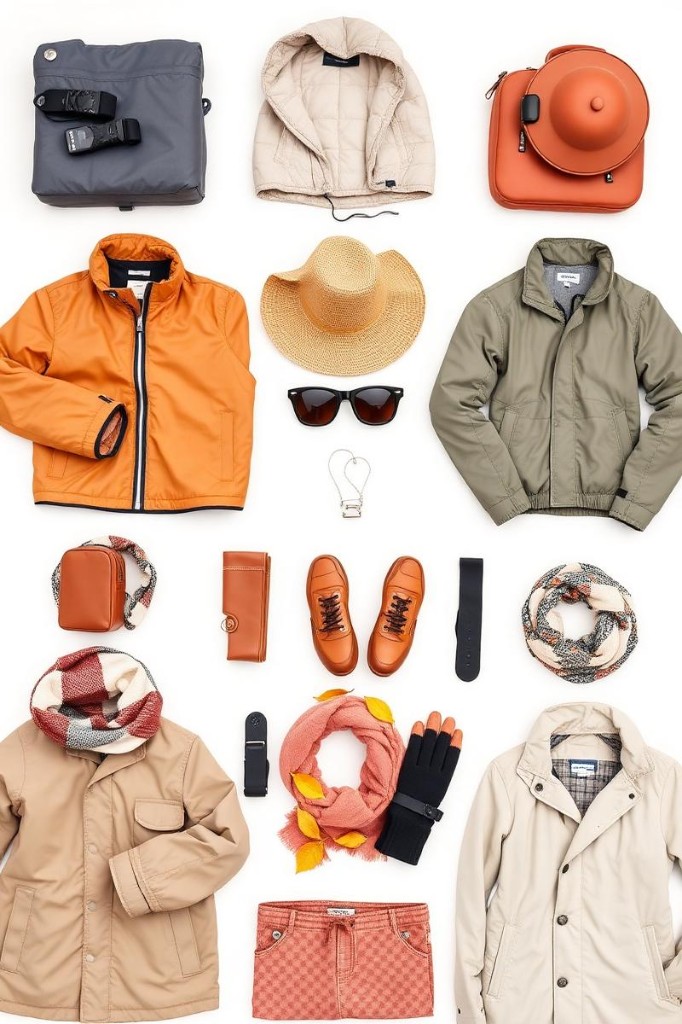
Dry Season (May-Oct): • Lightweight cotton clothing • Fleece for cool evenings • Closed hiking shoes • Hat and sunglasses • Multiple swimsuits

Wet Season (Nov-Apr): • Breathable quick-dry clothing • Lightweight raincoat • Waterproof shoes • Electronic waterproof bag • Mosquito repellent and long clothing
Travel clothing and gear by season

💰 Seasonal budget

PeriodAccommodation (€/night)Transport (€/day)Restaurants (€/day)Activities (€)Traffic
High season (Jun-Sep)80-20025-4030-5035-60⭐⭐⭐⭐⭐
Mid-season (May, Oct)60-15020-3525-4030-50⭐⭐⭐⭐
Low season (Nov-Apr)40-10015-2520-3020-35⭐⭐

💡 Money-saving tips

• Book low-season accommodation to save 40-50%
• Prefer local restaurants (€10-15) vs tourist ones (€25-35)
• Negotiate group excursions for discounts
• Rent a scooter (€15/day) more economical than taxis
• Buy spices at the local market rather than tourist shops

🏥 Health and precautions

• Reinforced mosquito protection (malaria possible)
• High protection sunscreen (marine reflection)
• Constant hydration for tropical climate
• Complete first aid kit (limited medical access)
• Mandatory repatriation insurance
• Up-to-date vaccines according to health recommendations

Cultural Events

Calendar of must-see festivities in Nosy Be

The traditional festivals of Nosy Be punctuate the island's year and offer an authentic immersion into the Sakalava Malagasy culture.

🎭 Donia Festival (May)

The largest cultural festival in the Indian Ocean transforms Nosy Be into a giant stage with traditional music, Sakalava dances, and local crafts. Location: Hell-Ville and beaches
Highlight: Fusion of Malagasy, Comorian, and African cultures
Climate Impact: Ideal dry period, maximum attendance, bookings essential 3 months in advance
Access: Special shuttles from the airport
Tip: Book accommodation starting in January for this major festival

🐋 Whale Festival (July-September)

Celebration of the humpback whale migration with observation trips, marine conferences, and environmental awareness. Location: Ampasindava Bay
Highlight: Guaranteed cetacean observation
Climate Impact: Calm sea, dry season, optimal navigation conditions
Access: Excursions from Andilana
Tip: Book whale watching trips 2 weeks in advance for the best slots

🌺 Ylang-Ylang Festival (October)

Celebration of the iconic flower with traditional distillation, perfume workshops, and essence markets. Location: Ambanja Plantations
Highlight: Discover the secrets of local perfumery
Climate Impact: End of dry season, optimal blooming
Access: Organized excursions from Hell-Ville
Tip: Ideal time to buy authentic essential oils

Seasonal events

Dry Season: • Famadihana (turning of the bones - July) • Tsaboraha (Malagasy New Year - March) • Fishing Festival (August)

Wet Season: • Alahamady (New Year - March) • Harvest festivals (January-February) • Hell-Ville Carnival (February). Note: some events may be rescheduled due to weather, check local calendar.

Responsible Tourism

Preserve the fragile beauty of Nosy Be by adopting practices that respect the island ecosystem and local Sakalava communities.

Nosy Be faces major environmental challenges: coastal erosion, pressure on coral reefs, and deforestation. Your choice of responsible travel contributes directly to the protection of the unique marine and terrestrial biodiversity of the Perfumed Island.

🌱 Low-season advantages

Visiting in the wet season reduces tourist pressure on fragile ecosystems, supports the local economy in the off-season, offers fair rates to providers, and allows for authentic nature observation.

♻️ Sustainable travel tips

• Choose eco-certified accommodation using renewable energy
• Prefer local guides for nature excursions
• Avoid plastic products, use reusable water bottles
• Respect marine wildlife observation distances
• Buy crafts directly from producers
• Use public transport or bicycles

🏙️ Local sustainable initiatives

Nosy Be is developing sustainable projects: Lokobe marine protected areas, mangrove reforestation programs, fair-trade ylang-ylang cooperatives, community recycling centers, environmental school awareness, and authentic village ecotourism.

Our Recommendations

Expert recommendations for your stay in Nosy Be

After analyzing climate data, tourist traffic, and cultural events, here are our personalized tips to optimize your discovery of the Perfumed Island. Each period reveals specific advantages according to your priorities: exceptional diving, whale watching, controlled budget, or cultural authenticity.

🏆 Optimal Period: May to September

Advantages:
• Ideal weather conditions (25-28°C / 77-82°F, little rain)
• Exceptional underwater visibility for diving
• Calm sea perfect for island excursions
• Natural refreshing trade winds
• Donia Festival and whale watching

Key events: Donia Festival (May), whale migration (July-September)
Disadvantages: Maximum attendance, high prices
Ideal profile: Divers, honeymooners, families
Stay duration: 10-14 days recommended

⚖️ Interesting Alternative: March-April and October

Months: March, April, October
Description: Perfect compromise between favorable weather conditions and moderate attendance, with more accessible prices and preserved authentic experience.
Specific advantages: Fewer tourists, accommodation prices -30%, ylang-ylang blooming, weather still mild
For whom: Budget travelers, nature photographers, couples seeking tranquility

👥 Tips for your travel style

Family: May-September, Ambatoloaka accommodation, Tanikely snorkeling, organized transport
Budget: March-April or October-November, local guesthouses, scooter rental, Malagasy restaurants
Diving: June-September optimal, Hell-Ville PADI centers, Manta Point sites
Romantic: May-August, Andilana resorts, Madirokely sunsets, private excursions
Weekend: Possible all year round, focus on Ambatoloaka beaches
First trip: May-June, French-speaking guides, secure organized circuits

⚠️ Periods to avoid: December-February

Months: December, January, February
Reasons: Possible cyclones, intense daily rains, rough sea limiting excursions, very high humidity (85%), difficult roads
Nuances: Acceptable for adventurous travelers and tight budgets, spectacular lush nature

Villes du même pays

All cities

Frequently Asked Questions

Answers to essential questions for planning your trip to Nosy Be according to the specific insular climate.

What is the best month to visit Nosy Be?

June to September offers optimal conditions with pleasant temperatures (25-28°C / 77-82°F), calm seas, and exceptional underwater visibility. May and October are excellent alternatives with fewer crowds. Avoid December-February (cyclone season) unless you are on a tight budget and accept weather constraints. The May-September period guarantees exceptional diving and island excursions in perfect conditions.

How many days should I plan for Nosy Be?

7 to 10 days minimum allows you to discover the essentials: Andilana beaches, Lokobe reserve, Tanikely and Komba islets, and Mont Passot. Allow 14 days for a relaxed pace including diving, whale watching, and cultural immersion. A 3-4 day weekend is possible from Reunion or Mauritius, focusing on Ambatoloaka beaches and Hell-Ville. A 21-day stay is ideal for combining with mainland Madagascar.

What to do in Nosy Be when it rains?

Tropical showers reveal other facets: visit an ylang-ylang distillery, the local Hell-Ville museum, covered spice markets, craft workshops, or take a Malagasy cooking class. Take advantage of breaks between showers (rains are often short) for travel. Spas and wellness centers offer relaxation. Observing the lush nature post-rain offers spectacular intensified colors and scents.

What events should not be missed in Nosy Be?

Donia Festival (May) remains the major Indian Ocean event with traditional music and Sakalava dances. Whale watching (July-September) guarantees cetacean encounters. The Ylang-ylang festival (October) reveals the secrets of local perfumery. Famadihana (July) offers an authentic Malagasy spiritual immersion. Check the local calendar as dates vary according to weather conditions and lunar traditions.

What budget should I plan according to the period?

High season (June-September): €100-150/day (accommodation, meals, activities). Mid-season (May, October): €80-120/day. Low season (November-April): €60-90/day with 40% savings on accommodation. Count extras: whale excursions €40-60, diving €35-50/trip, scooter rental €15/day. International flights represent €800-1200 depending on the season from Europe.