When to visit Madagascar? Complete Guide

The Red Island offers exceptional climate diversity between tropical coasts and temperate highlands.

  • 29.6 M population
  • Malagasy and French language
  • 120 days rainy days/year
  • April to October best time to visit
  • 10 to 21 days recommended stay

Weather and Climate in Madagascar

Understanding Madagascar's diverse tropical climate

Madagascar features three distinct climate zones influenced by altitude, trade winds, and geographic position. This diversity offers varied experiences depending on the regions visited.

  • East Coast: The most humid zone with trade winds and significant rainfall year-round
  • Central Highlands: Temperate highland climate with marked seasons and cool temperatures
  • West and South Coast: The driest zone with a semi-arid climate and a short rainy season
MonthAverage TemperaturePrecipitationConditions
January26°C / 78.8°F280mm / 11.02inHot and humid
April24°C / 75.2°F50mm / 1.97inIdeal
July20°C / 68°F15mm / 0.59inDry and cool
October25°C / 77°F40mm / 1.57inExcellent

Altitude variations create remarkable microclimates, from warm coasts to the cool peaks of the Ankaratra range.

Malagasy Seasons

Climate by Region of Madagascar

Madagascar's geographic diversity creates distinct microclimates between coasts, highlands, and desert regions, offering varied climate experiences depending on your itinerary.

🏔️ Central Highlands

The mountainous heart of Madagascar enjoys a temperate highland climate with cool temperatures year-round. Antananarivo and Andasibe offer a pleasant climate even in the austral summer.

PeriodWeatherTemperatureActivities
May-SeptDry and cool15-22°C / 59-72°FTrekking, lemur watching
Oct-AprilHot and humid20-26°C / 68-79°FNational parks, culture

Specifics: Frequent morning fog, cool nights requiring warm clothing, best visibility in the dry season.

🌊 East Coast (Tamatave, Sainte-Marie)

Exposed to trade winds, the east coast has a humid tropical climate with regular rainfall. This green region offers lush vegetation but requires preparation for humid conditions.

PeriodWeatherTemperatureActivities
Sept-DecHot and dry24-28°C / 75-82°FBeaches, whale watching
Jan-MarchVery humid26-30°C / 79-86°FAvoid - cyclones

Specifics: High cyclonic risk, exceptional primary forests, whale watching from July to September.

🏜️ South and Southwest (Tulear, Fort-Dauphin)

The Malagasy south has a unique semi-arid climate with little rainfall and desert-like landscapes. This region offers a striking contrast to the rest of the island.

PeriodWeatherTemperatureActivities
April-OctDry and sunny22-28°C / 72-82°FTsingy, national parks
Nov-MarchHot28-35°C / 82-95°FBeaches, but intense heat

Specifics: Unique thorny vegetation, giant baobabs, excellent light for photography year-round.

🌴 West Coast (Morondava, Majunga)

The west coast enjoys a dry tropical climate with a short rainy season and generally favorable conditions. The Avenue of the Baobabs and the Tsingy are easily accessible.

PeriodWeatherTemperatureActivities
May-OctIdeal20-26°C / 68-79°FTsingy, baobabs, diving
Nov-AprilHot and humid26-32°C / 79-90°FBeaches, but difficult access

Specifics: Spectacular sunsets, calm sea for diving, optimal access to Tsingy in the dry season.

Practical Guide for Madagascar

Prepare for your trip to Madagascar by adapting your gear and budget to the significant climate variations between regions and seasons. These practical tips will optimize your Malagasy experience.

👕 Seasonal packing

Dry Season (April-October):

  • Light cotton and linen clothing
  • Sweater or jacket for cool evenings
  • Waterproof walking shoes
  • Hat and sunglasses

Rainy Season (November-March):

  • Breathable, quick-dry clothing
  • Quality raincoat and poncho
  • Waterproof shoes and sandals
  • Enhanced mosquito protection
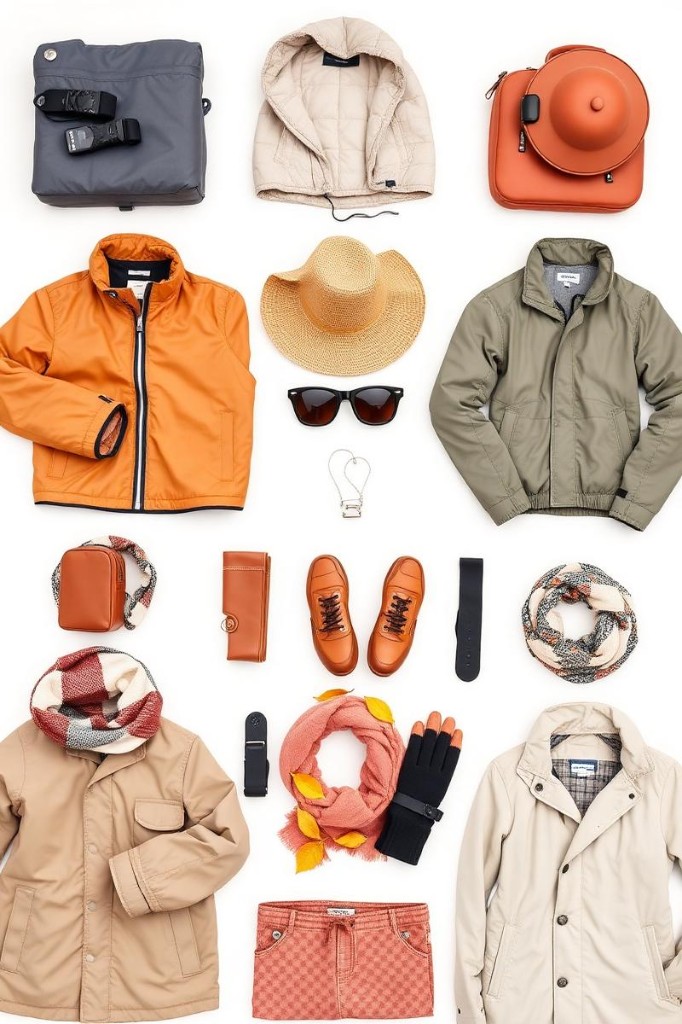
Travel clothing and gear by season

💰 Seasonal budget

PeriodAccommodation (€)Transport (€)Activities (€)Crowds (/5)Budget Tips
High Season (July-Sept)80-15060-10040-805/5Book 3 months in advance
Mid Season (April-June, Oct)60-12050-8030-603/5Good value for money
Low Season (Nov-March)40-8040-6025-502/5Negotiation possible

💡 Money-saving tips

  • Avoid July-August for prices up to 30% lower
  • Book luxury lodges 4-6 months in advance
  • Take advantage of low-season promotions despite the weather
  • Negotiate with local guides outside of high season
  • Choose flights with layovers to save €200-400

🏥 Health and precautions

  • Year-round: Hepatitis A/B and typhoid vaccines; mandatory antimalarial treatment
  • Rainy season: Enhanced mosquito protection; systematic water purification
  • Dry season: High-SPF sun protection; constant hydration; watch out for dust
  • Highlands: Warm clothing for cool nights (5-10°C / 41-50°F)
  • Comprehensive first-aid kit recommended

Events & Festivals in Madagascar

Cultural calendar and festivities not to be missed in Madagascar

Malagasy traditions punctuate the year with unique celebrations blending ancestral culture and diverse influences.

Famadihana - Turning of the Bones (June-September)

A sacred ancestral ceremony where families exhume their ancestors to wrap them in new shrouds. This unique tradition offers an authentic glimpse into Malagasy spirituality in a festive and respectful atmosphere.

Location: Central Highlands, mainly the Antananarivo region

Note: Private family event requiring an invitation; involves dancing with ancestors

Climate Impact: Organized during the dry season to facilitate access to family tombs

Sainte-Marie Whale Festival (July-September)

A celebration of the humpback whale migration featuring concerts, exhibitions, and observation trips. Sainte-Marie Island becomes a hub of festivities blending marine conservation and local culture in a paradisiacal setting.

Location: Sainte-Marie Island (Nosy Boraha), East Coast

Note: Guaranteed whale watching, beach concerts, local gastronomy

Climate Impact: Coincides with the optimal dry season for marine observation

Donia Festival in Nosy Be (May)

The largest music festival in the Indian Ocean, bringing together local and international artists. Four days of concerts, traditional dances, and culinary discoveries on the 'Perfume Island' in a Malagasy-Caribbean atmosphere.

Location: Nosy Be, Northwest Coast

Note: Unique musical fusion, local crafts, ylang-ylang scents

Climate Impact: Organized at the start of the dry season with ideal temperatures

Seasonal events

Dry Season (April-October):

  • Alahamady Be - Malagasy New Year (March-April)
  • Madajazzcar Festival - Jazz in Antananarivo (October)
  • Santabary - Harvest Festival (April-May)

Rainy Season (November-March):

  • End-of-year holidays - Family celebrations (December-January)
  • Mahajanga Carnival - Colorful parades (February)

Responsible Travel in Madagascar

Madagascar is home to a biodiversity unique in the world, requiring tourism that respects fragile ecosystems and local communities according to the seasons.

The island continent features exceptional ecosystems with 80% endemic species. Respecting natural seasonal cycles and wildlife breeding periods ensures minimal impact on Madagascar's unique environment.

🌱 Low-season advantages

Traveling in the low season reduces pressure on fragile sites, supports local economy spread, and lowers carbon footprint due to fewer flights.

♻️ Sustainable travel tips

  • Respect observation distances for lemurs (minimum 7 meters / 23 feet)
  • Use certified local guides to support communities
  • Avoid single-use plastics and bottled water
  • Choose eco-friendly lodges with waste management
  • Do not take any natural souvenirs (shells, plants, minerals)
  • Respect local fady (traditional taboos)

🏙️ Local sustainable initiatives

Madagascar is developing community-based ecotourism with village-managed reserves, reforestation programs, and protection of marine areas. Eco-friendly lodges use solar energy and employ local populations.

Our Expert Recommendations

Expert recommendations for your trip to Madagascar

After analyzing climate data and our field experience, here are our personalized tips to optimize your discovery of Madagascar. These recommendations take into account weather variations, tourist crowds, and regional specifics to ensure an unforgettable experience.

Optimal Period: May to September

Recommended Months: May, June, July, August, September

Advantages:

  • Ideal weather conditions with pleasant temperatures (18-25°C / 64-77°F)
  • Roads passable in all regions
  • Optimal observation of active wildlife
  • Calm sea for diving and water activities
  • Clear skies for landscape photography

Disadvantages:

  • Maximum tourist crowds in July-August
  • High prices in high season

Ideal Profile: All travelers, families, trekkers, nature photographers

Balanced Alternative: April and October

Alternative Months: April, October

Description: Transition periods offering an excellent compromise between favorable weather conditions and moderate crowds. Temperatures remain pleasant with fewer tourists.

Specific Advantages:

  • More affordable intermediate prices
  • Landscapes still green after the rains (April)
  • Start of baobab flowering (October)
  • Reduced crowds in national parks

👥 Tips for your travel style

Family: Prefer May-September with moderate temperatures and accessible activities. Avoid the rainy season.

Budget: Opt for April-May and October to save 30% on accommodation. Negotiate in the low season despite weather constraints.

Adventure: Dry season mandatory for trekking and exploring the Tsingy. July-September is optimal for hiking.

Luxury: June-September in high-end lodges with optimal service and perfect conditions.

Photographer: May-October for ideal light. Avoid the rainy season mist. Exceptional sunrise over the baobabs.

Periods to Avoid: January to March

Cyclonic season with high weather risks, impassable roads, and difficult conditions for most tourist activities.

Cities to explore

Discover the must-sees of urban travel

All cities

Frequently Asked Questions

Find answers to essential questions to plan your trip to Madagascar according to optimal weather conditions.

When is the best time to see lemurs in Madagascar?

The dry season from May to September is ideal for observing lemurs. They are more active with pleasant temperatures, the vegetation is less dense, and access to national parks like Andasibe and Ranomafana is optimal. Avoid January-March, when humidity and lush vegetation make observations difficult.

Can you visit Madagascar during the rainy season?

It is possible but not recommended for a first-time visitor. From November to March, cyclones, impassable roads, and high humidity complicate travel. However, landscapes are magnificent, prices are advantageous, and wildlife is active. Focus on the highlands, which are less affected, and keep your schedule flexible.

When can you watch whales in Madagascar?

The humpback whale migration takes place from July to September on the east coast, particularly in Sainte-Marie. This period coincides perfectly with the dry season, offering ideal weather conditions and optimal visibility. Sightings are virtually guaranteed with exceptional mother-calf interactions.

Should I pack warm clothes for Madagascar?

Yes, especially for the Central Highlands, where nighttime temperatures can drop to 5-10°C / 41-50°F even in the warm season. Antananarivo and Andasibe require sweaters and jackets. On the coasts, light clothing is sufficient, but bring rain protection during the wet season.

How much time should I allow for visiting Madagascar?

A minimum of 15 days is recommended to discover essential sites (Andasibe, Morondava, Isalo). For a complete exploration including Sainte-Marie and the Tsingy, allow 3 weeks. Significant distances and road conditions require time. A 10-day circuit allows you to see the main highlights of the highlands and one coastal region.