When to visit Murghab? City-Trip Guide

Explore the highest city in Tajikistan according to the extreme seasons of the Pamir.

  • 4,000 population
  • Tajik, Russian language
  • 45 days rainy days/year
  • from June to September best time to visit
  • 3 to 5 days recommended stay

Extreme Climate of Murghab

Understanding the High-Mountain Climate of Murghab

Murghab features a high-mountain continental climate at an altitude of 3,650 meters (11,975 feet). Winters are harsh with temperatures that can drop to -35°C / -31°F, while summers remain cool. The diurnal temperature range is significant in this isolated region of the Pamir Mountains.

MonthMin Temp (°C / °F)Max Temp (°C / °F)Precipitation (mm)Sunshine (h/day)Tourist TrafficRecommended Activities
January-25°C / -13°F-10°C / 14°F154Rest, acclimatization
February-23°C / -9°F-8°C / 18°F185Stargazing
March-18°C / 0°F-2°C / 28°F256Trek preparation
April-10°C / 14°F8°C / 46°F357⭐⭐Short hikes
May-2°C / 28°F15°C / 59°F408⭐⭐Light trekking
June3°C / 37°F20°C / 68°F259⭐⭐⭐Pamir exploration
July6°C / 43°F23°C / 73°F2010⭐⭐⭐⭐Trekking, photography
August5°C / 41°F22°C / 72°F159⭐⭐⭐⭐Long hikes
September0°C / 32°F17°C / 63°F208⭐⭐⭐Wildlife observation
October-8°C / 18°F10°C / 50°F306⭐⭐Return to valleys
November-15°C / 5°F2°C / 36°F255Winter preparation
December-22°C / -8°F-6°C / 21°F204Winter rest

The Seasons

Activities by Weather

Optimize your stay in Murghab by adapting your activities to the extreme weather conditions of this high-mountain region.

☔ In difficult weather

Protected activities

When weather conditions deteriorate in the Pamir, prioritize activities sheltered from wind and cold.

Recommended sites:
🏠 Local guesthouses (rest, cultural exchange, 2-3h, free, year-round)
🍲 Traditional tea houses (hot drinks, meals, 1-2h, 5-10$, permanent)
📚 Kyrgyz Cultural Center (exhibition, local history, 1h, free, on request)
🛒 Covered market (local products, souvenirs, 30min, open, morning)
🏥 Dispensary (altitude advice, 30min, free, emergencies)

Practical tip: Always have an indoor plan B; conditions change rapidly

Extra tip: Use the time to talk with locals and plan your outings
☀️ In good weather

Outdoor exploration

Sunny days are precious in Murghab; take advantage of them to explore the spectacular surroundings.

Recommended sites:
🏔️ Lake Karakul (salt lake, lunar landscapes, full day, 50km / 31mi)
🐏 Marco Polo observation (wild argali, binoculars, 2-4h, guide recommended)
📸 Pamir viewpoint (360° panorama, sunrise/sunset, 1-2h, free)
🚶 Murghab Valley (easy hike, 2-3h, local guide)
⛰️ Garmo Peak (advanced trekking, day, guide mandatory)

Best time of day: 10am-4pm to avoid morning and evening cold

Seasonal tip: June to September only; conditions unpredictable in other months

🌤️ Versatile for all weather

Flexible activities

These activities adapt to the frequent weather changes of the Pamir.

Recommended sites:
🏛️ Local mosque (quick visit, culture, indoor/outdoor)
🎯 Traditional archery (indoor/outdoor activity, 1h)
🧘 Altitude meditation (indoor adaptation if needed)

Weather tip: Start outside, retreat indoors if conditions worsen

Example itinerary: Morning market + mosque, afternoon lake depending on weather

💰 Free or budget-friendly

No cost

Free sites:
🌅 Sunrise over Pamir (free, spectacular)
🚶 City center walk (discovery, 1h)
👥 Local encounters (cultural exchange)
📷 Panoramic photo spots (souvenirs)

Budget tips: Wild camping allowed, shared guesthouse kitchens, local transport negotiable

Practical Guide

Prepare for your trip to Murghab with these essential tips to face extreme high-mountain conditions and fully enjoy this unique experience in the heart of the Pamir.

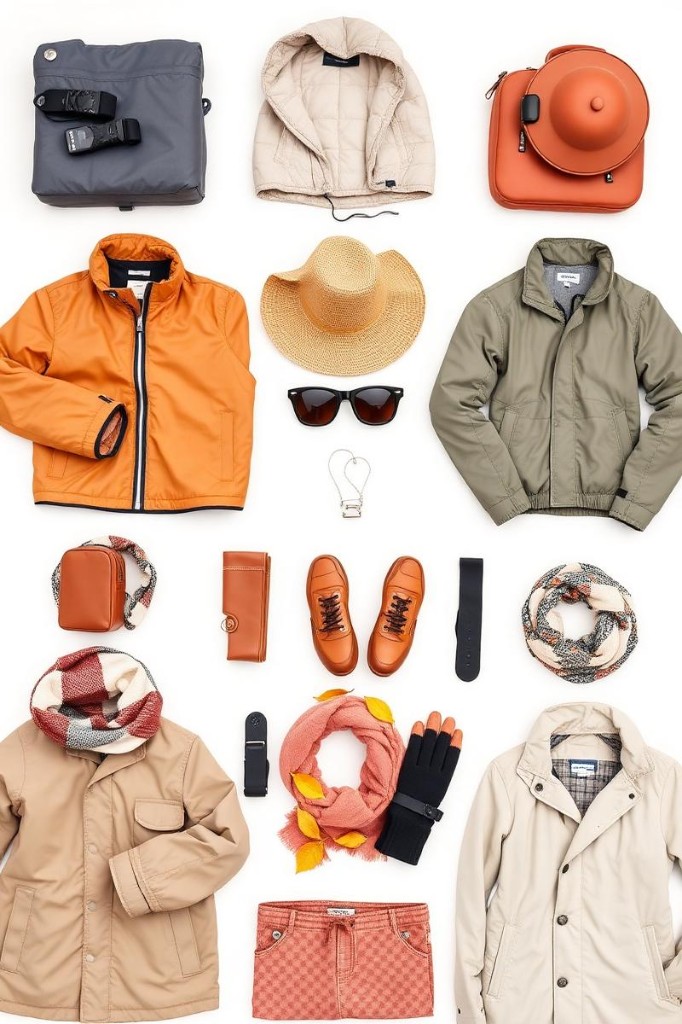
👕 Seasonal packing

Summer (June-August): • High-cut trekking boots • Waterproof windbreaker jacket • Multiple layers (t-shirt + fleece + down jacket) • Beanie and gloves • High-protection sunglasses • SPF 50+ sunscreen Winter (December-February): • -40°C / -40°F extreme cold boots • Expedition parka • Thermal technical underwear • Face protection mask • Waterproof lined gloves • Body warmers Mid-seasons: • Modular 3-layer system • Protective gaiters • Breathable clothing • Rain/snow protection
Travel clothing and gear by season

💰 Seasonal budget

PeriodGuesthouse (€/night)Transport (€/day)Meals (€/day)Activities (€)Traffic
June-August15-2520-408-1530-80⭐⭐⭐⭐
May, September10-2015-306-1220-50⭐⭐
April, October8-1510-255-1010-30
Nov-March5-125-154-80-20

💡 Money-saving tips

• Negotiate group transport to reduce costs • Choose guesthouses with shared kitchens • Buy provisions in Osh (Kyrgyzstan) before arrival • Avoid high season (July-August) for accommodation prices • Wild camping is allowed and free with appropriate equipment

🏥 Health and precautions

Altitude sickness: gradual ascent, hydration, rest • Hypothermia: dry clothing, energy-rich food • Dehydration: drink 3-4L/day minimum • Intense UV: maximum skin/eye protection • Medical kit: painkillers, bandages, personal medication • Evacuation: repatriation insurance mandatory

Local Events

Calendar of Traditional Events in Murghab

Discover the rare yet authentic events that punctuate the life of this isolated Pamir community.

🏇 Nowruz Festival (March)

Celebration of the Persian New Year marking the arrival of spring in the Pamir. Kyrgyz and Tajik families gather for traditional meals and equestrian games.

Location: City center and surroundings

Key feature: Fusion of Kyrgyz and Tajik traditions

Climate impact: Weather-dependent; sometimes postponed if too cold

Transport access: Roads still difficult in March

Planning tip: Confirm dates with locals, conditions vary

🐏 Marco Polo Sheep Festival (July)

Event dedicated to the protection of the iconic Pamir argali, featuring ecological awareness and traditional hunting demonstrations.

Location: Steppes around Murghab

Key feature: Unique in the world for this species

Climate impact: Benefits from the best summer weather conditions

Transport access: 4x4 required for observation sites

Planning tip: Book a specialized wildlife guide

🎪 Nomads' Gathering (August)

Annual meeting of the last Kyrgyz nomads of the Pamir to exchange news, livestock, and traditions. A unique moment of cultural immersion.

Location: Variable summer pastures

Key feature: Last authentic nomadic culture

Climate impact: Organized during the meteorological optimum

Transport access: Horse or 4x4, difficult access

Planning tip: Contacting local guides is essential

Seasonal events

Summer: • Kyrgyz family celebrations (June-August) • Traditional weddings (July) • Herder gatherings (August) Autumn: • Community winter preparations (September) • Ritual livestock slaughter (October) Winter: • Storytelling evenings (December-February) • Indoor celebrations (January) Spring: • Nowruz (March) • First transhumance (April-May)

Responsible Travel

Visit Murghab in a way that is respectful of this fragile community and this unique high-mountain ecosystem.

Tourism in Murghab must preserve the delicate balance between local economic development and the protection of the Pamir environment. Respect nomadic traditions, minimize your ecological impact, and contribute directly to the local economy rather than external commercial circuits.

🌱 Low-season advantages

Visiting outside of July-August reduces pressure on limited resources, offers a more authentic experience with locals, and supports the economy during difficult months.

♻️ Sustainable travel tips

• Use local guides and services exclusively • Respect sacred sites and nomadic customs • Take all trash with you; there is no treatment system • Save water and energy, as they are precious resources • Buy local crafts directly from families • Avoid disturbing Marco Polo wildlife

🏙️ Local sustainable initiatives

The community is developing community-based ecotourism with training for local guides, protection of Marco Polo sheep, sustainable pasture management, preservation of Kyrgyz traditions, and creation of alternative income for nomadic families.

Our Recommendations

Recommendations for your trip to Murghab

Murghab requires meticulous preparation due to its isolation and extreme conditions. Our recommendations are based on climate analysis, seasonal accessibility, and the limited reception capacity of this exceptional destination in the heart of the Pamir.

Optimal Period: July-August

Advantages:
• Mildest temperatures (6-23°C / 43-73°F)
• Passable and safe roads
• Operational tourist services
• Ideal conditions for trekking and exploration
• Maximum visibility of the peaks

Key events: Marco Polo Festival, nomad gatherings

Disadvantages: Relative crowds, higher prices

Ideal profile: All levels, first Pamir visit

Stay duration: 4-6 days recommended

Interesting Alternative: June and September

Months: June, September

Excellent compromise between acceptable weather conditions and preserved authenticity. Fewer tourists, moderate prices, more intimate experience with local communities.

Specific advantages: Reduced rates, privileged local contacts, changing landscapes

For whom: Experienced travelers, tight budgets, photographers

👥 Tips for your travel style

Family: July-August only, family guesthouses, gentle activities, guide mandatory Budget: June/September, camping allowed, shared kitchen, group transport Adventure: May-October possible, multi-day trekking, technical equipment First time: July exclusively, experienced guide, physical preparation, complete insurance Photographer: June-September, spectacular golden hours, active wildlife, contrasting landscapes

Periods to avoid: November-April

Months: November to April

Reasons: Extreme cold (-25°C / -13°F), impassable roads, closed services, security risks

Nuances: Possible for very experienced adventurers with polar equipment and logistical support

Villes du même pays

All cities

Frequently Asked Questions

Answers to essential questions to prepare for your trip to this extreme Pamir destination.

What is the best month to visit Murghab?

July is optimal with temperatures of 6-23°C / 43-73°F, passable roads, and open services. August offers similar conditions but more tourists. June and September are interesting alternatives for experienced travelers, with fewer crowds but more variable conditions. Avoid November-April unless on a polar expedition.

How many days should I plan for Murghab?

Minimum 3-4 days for altitude acclimatization and basic discovery. Ideally 5-7 days to explore Lake Karakul, observe Marco Polo sheep, and meet Kyrgyz nomads. Trekkers can plan 10-15 days including expeditions to surrounding peaks with specialized guides.

What to do in Murghab in case of bad weather?

Take shelter in guesthouses for cultural exchanges with local families, visit the small covered market, discover traditional Kyrgyz crafts, or use the time to plan your excursions with local guides. Tea houses offer a warm refuge with hot drinks and traditional meals.

Which events should not be missed in Murghab?

The Marco Polo Sheep Festival in July celebrates the iconic wildlife of the Pamir. The Nomads' Gathering in August offers a unique immersion into Kyrgyz culture. Nowruz in March marks the Persian New Year but depends on weather conditions. These authentic events require local contacts for date confirmation.

What budget should I plan according to the season?

High season (July-August): 80-150€/day including accommodation, meals, local transport, and activities. Mid-season (June, September): 60-100€/day with reduced rates. Low season, accessible only to adventurers: 40-70€/day but services are very limited. Add international transport and specialized mountain equipment.