When to visit Penjikent? City-Trip Guide

Discover the best times to explore this historic pearl with its contrasting seasons and authentic atmosphere.

  • 9.7 M population
  • Tajik, Russian language
  • 45 days rainy days/year
  • April to June and September to October best time to visit
  • 3 to 5 days recommended stay

Climate and weather in Penjikent

Understanding the dry continental climate of Penjikent

Penjikent enjoys a dry continental climate influenced by its geographical position between mountains and valleys. Variations in altitude create urban microclimates, with hot, dry summers and harsh winters, directly impacting the visitor experience in this historic city.

The Penjikent region features a continental climate marked by significant seasonal temperature ranges and low rainfall, which is concentrated in the spring.

MonthMin Temp (°C / °F)Max Temp (°C / °F)Precipitation (mm)Sunshine (h/day)Tourist TrafficRecommended Activities
January-5°C / 23°F5°C / 41°F254Museums, indoor sites
February-3°C / 27°F8°C / 46°F305Seasonal preparation
March3°C / 37°F15°C / 59°F406⭐⭐First visits
April8°C / 46°F22°C / 72°F357⭐⭐⭐Archaeological sites
May13°C / 55°F28°C / 82°F209⭐⭐⭐⭐Hiking, exploration
June18°C / 64°F33°C / 91°F1011⭐⭐⭐⭐Outdoor activities
July21°C / 70°F36°C / 97°F512⭐⭐⭐Morning visits
August19°C / 66°F35°C / 95°F511⭐⭐⭐Shaded sites
September14°C / 57°F30°C / 86°F109⭐⭐⭐⭐Photography, culture
October8°C / 46°F23°C / 73°F207⭐⭐⭐Heritage discovery
November2°C / 36°F15°C / 59°F255⭐⭐Museums, indoor
December-2°C / 28°F8°C / 46°F204Indoor heritage

The altitude of 900 meters (approx. 2,953 feet) slightly tempers summer temperatures while accentuating the harshness of winter, creating specific climatic conditions for this historic city.

The seasons in Penjikent

Sites according to the weather

Optimize your discovery of Penjikent by choosing your attractions according to weather conditions for a successful urban experience.

☔ In cloudy/rainy weather

Indoor & protected

Rainy days reveal the exceptional indoor heritage of Penjikent, rich in authentic cultural discoveries.

Recommended sites:
🏛️ Rudaki Museum - 2h - 5$ - All year
🎨 Traditional craft workshops - 1h30 - 3$ - Daily demonstrations
📚 Samarkand Cultural Center - 1h - Free - Temporary exhibitions
🕌 Historic covered mosque - 45min - Free - Respect prayer times
🛍️ Traditional covered bazaar - 2h - Free - Craft negotiation
☕ Historic tea houses - 1h - 2$ - Authentic atmosphere

Practical advice: Booking recommended for workshops, free entry for most religious sites

Additional tip: Take advantage of weather breaks to visit nearby sites; cultural pass available in season

☀️ In good weather

Optimal outdoor

The sun reveals the full splendor of archaeological sites and offers the best conditions for historical exploration.

Recommended sites:
🏛️ Ancient Penjikent (Sarazm) - 3h - 8$ - Optimal sunrise/sunset
🗿 Sogdian archaeological sites - 4h - 10$ - Morning recommended
🌳 Historic gardens and parks - 2h - 3$ - Golden light in the afternoon
🏔️ Panoramas over Zerafshan Valley - 1h30 - Free - Sunset
🚶 Urban heritage circuit - 3h - Free - Avoid 12pm-3pm
📸 Photographic viewpoints - Variable - Free - Golden hour

Best time of day: Sunrise over the ruins (6am-8am) and sunset from the heights (6pm-8pm) for exceptional photographic light

Seasonal advice: April-June and September-October optimal; avoid July-August 12pm-3pm due to intense heat

🌤️ Versatile for all weather

Flexible

These sites adapt to all weather conditions thanks to their mixed indoor-outdoor design.

Recommended sites:
🏛️ Central museum complex - Covered areas/gardens
🕌 Modern religious ensemble - Protected courtyards
🎭 Multipurpose cultural center - Modular spaces

Weather tip: Start with the exterior if the weather is nice, retreat indoors if it changes; total flexibility

Example itinerary: Morning outdoor sites → covered lunch → afternoon museums → evening terraces if weather permits

💰 Free or economical

Without cost

Free sites:
🚶 Urban heritage circuit - Free walks
🌳 Public parks and gardens - Permanent access
📸 Panoramic viewpoints - Sunsets
🛍️ Traditional markets - Local atmosphere

Free days: Some museums offer free access on the first Friday of the month for international visitors

Budget tips: Panoramas from surrounding hills, strolling in bazaars, discovering authentic residential neighborhoods, picnics in parks

Practical Guide

Prepare your stay in Penjikent with our tips adapted to the climatic specificities of this unique historic destination in Central Asia for an optimal urban experience.

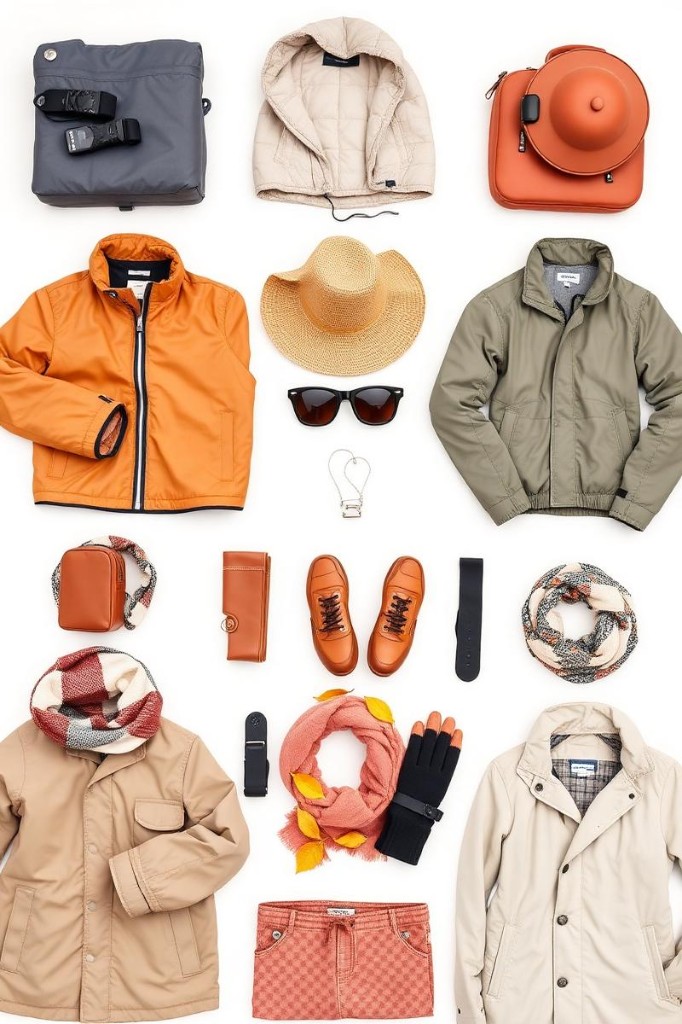
👕 Seasonal packing

Spring (March-May): • Sturdy walking shoes for archaeological sites • Light jacket for cool evenings • Sun protection and hat • Comfortable backpack for excursions

Summer (June-August): • Lightweight cotton clothing • Enhanced sun protection • Mandatory hat • Closed-toe shoes for dusty sites • Reusable water bottle

Autumn (September-November): • Modular layers • Windbreaker jacket • Waterproof shoes • Accessories for variable temperatures

Winter (December-February): • Warm multi-layer clothing • Hat and gloves • Non-slip shoes • Equipment for frequent indoor-outdoor transitions
Travel clothing and gear by season

💰 Seasonal budget

PeriodAccommodation center (€/night)Transport (€/day)Restaurants (€/day)Attractions (€)Traffic
High season (Apr-Jun, Sep-Oct)25-458-1215-2520-30⭐⭐⭐⭐
Shoulder season (Mar, Nov)20-356-1012-2015-25⭐⭐⭐
Low season (Dec-Feb)15-255-810-1510-20
Summer (Jul-Aug)20-407-1112-2218-28⭐⭐⭐

💡 Money-saving tips

Cultural City Pass: Profitable from 3 sites visited, includes local transport • Local Restaurants: Lunch in bazaars 3-5€ vs tourist restaurants 15-20€ • Accommodation: Family guesthouses 15-25€ vs city center hotels 40-60€ • Transport: Local marshrutkas 0.50€ vs private taxis 5-10€ • Negotiation: Common practice in bazaars and for private guides

🏥 Health and precautions

Altitude: Gradual acclimatization, increased hydration at 900m (2,953 ft) • Intense Sun: Maximum UV protection, sunglasses mandatory • Site Dust: Light mask recommended for respiratory sensitivity • Water: Exclusively sealed bottles, avoid ice cubes • Pharmacy: Complete personal kit, pharmacies limited in town • Insurance: Repatriation coverage mandatory for mountain activities

Cultural events

Essential events calendar for Penjikent

Cultural events in Penjikent punctuate the year and offer an authentic immersion into contemporary Sogdian and Tajik traditions.

🌸 Nowruz - Persian New Year (March 21)

A major spring celebration transforming Penjikent into a theater of traditional festivities with dance, music, and Sogdian gastronomy throughout the city. Houses open to visitors, bazaars overflow with specialties, and a festive atmosphere fills every street.

Location: Historic center and main squares

Special feature: The only period when local hospitality reaches its peak with spontaneous invitations

Climate impact: Maximum local crowds, accommodation bookings essential 2 months in advance, prices doubled

Transport access: Special shuttles from Samarkand, organized carpooling

Advance advice: Booking mandatory; a unique cultural experience but complex logistics

🎭 Rudaki Festival (September)

A tribute to the father of Persian poetry, born near Penjikent, featuring recitals, exhibitions, and artistic performances at historic sites. The event attracts intellectuals and artists from across Central Asia, creating an exceptional cultural atmosphere.

Location: Archaeological sites and cultural center

Special feature: Open-air performances in authentic Sogdian settings

Climate impact: Ideal September weather, high cultural attendance, evening programming

Transport access: Organized tours from regional capitals

Advance advice: Limited tickets, booking 6 weeks in advance, premium experience

🏛️ Sogdian Heritage Days (May)

Exceptional opening of archaeological sites usually closed to the public, with guided tours by international archaeologists. Conferences, workshops, and demonstrations of ancient crafts recreate the atmosphere of the ancient Silk Road.

Location: Ancient Penjikent and museums

Special feature: Privileged access to active excavation zones

Climate impact: Ideal spring weather, limited groups, exclusive experience

Transport access: Organized transfers included in packages

Advance advice: Registration mandatory via embassies, very limited spots

Seasonal events

Spring: • Flower Festival (April) - historic gardens • Traditional Music Festival (May) - public squares • Craft Days (May) - open workshops

Summer: • Cultural Nights (July) - evening shows • Gastronomy Festival (August) - local specialties • Summer Markets (June-August) - regional products

Autumn: • Harvest Festival (October) - agricultural traditions • Storytelling Evenings (November) - tea houses • Photo Festival (September) - heritage

Winter: • Yalda Celebrations (December) - winter solstice • Winter Crafts (January-February) - indoor workshops

Responsible tourism

Adopting a responsible approach in Penjikent preserves this exceptional heritage while supporting the local economy and minimizing environmental impact.

Responsible tourism in Penjikent prioritizes certified local guides, family guesthouses, traditional public transport, and respect for fragile archaeological sites. Purchasing authentic crafts directly supports communities, while limiting plastic waste preserves the unique mountain environment.

🌱 Low-season advantages

Visiting Penjikent in the low winter season reduces pressure on limited infrastructure, offers an authentic experience with locals, and allows for fair prices for tourist services.

♻️ Sustainable travel tips

Local Guides: Prioritize community-certified guides for direct economic impact • Accommodation: Family guesthouses vs international hotels • Crafts: Direct purchase from workshops vs tourist intermediaries • Transport: Shared marshrutkas vs private vehicles • Waste: Reusable water bottle, cloth bags for markets • Sites: Strict respect for archaeological zones, no-flash photography

🏙️ Local sustainable initiatives

Penjikent is developing sustainable heritage tourism with local guide training, preservation of traditional craft techniques, eco-responsible mountain tours, fair-trade craft cooperatives, and awareness-raising for the preservation of Sogdian sites for future generations.

Our recommendations

Recommendations for your city trip to Penjikent

After analyzing climatic data, tourist traffic, and cultural events, our recommendations adapt to your travel priorities. Penjikent's dry continental climate offers optimal windows in spring and autumn, while summer suits adventurers and winter suits budget-conscious travelers seeking authenticity.

🌟 Optimal period: April-May and September-October

Advantages:
• Ideal temperatures of 15-25°C / 59-77°F for urban exploration
• Optimal sunshine without excessive heat
• Archaeological sites in best conditions
• Major cultural events (Sogdian Heritage, Rudaki Festival)
• Exceptional photographic light

Key events: Sogdian Heritage Days (May), Rudaki Festival (September), optimal conditions for Nowruz (March-April)

Disadvantages: Maximum tourist traffic, accommodation prices increased by 30-50%

Ideal profile: First-time visitors, culture enthusiasts, photographers, couples

Stay duration: 4-5 days recommended

⚖️ Interesting alternative: March and November

Transition periods offering an excellent compromise between acceptable climatic conditions and moderate attendance, with attractive prices.

Specific advantages: Fewer tourists, moderate prices, bearable climate, possibility of local events, more authentic experience

For whom: Flexible travelers, moderate budgets, those seeking authenticity, soft-light photographers

👥 Tips for your travel style

Family: April-May or September, guesthouse accommodation, private transport, accessible sites

Budget: March/November or winter, local guesthouses, marshrutkas, free sites

Culture: May (Heritage) or September (Rudaki), specialized guides, museums

Romantic: September-October, charming accommodation, panoramic sunsets

Weekend: Any season except winter, 3 days minimum, essential sites

First trip: Absolutely April-May, English-speaking guides, organized tours

❌ Periods to avoid: December-February and July-August

Winter (Dec-Feb): Harsh cold -5°C / 23°F, outdoor sites closed, short days, difficult conditions

Intense summer (Jul-Aug): Excessive heat 35-38°C / 95-100°F, discomfort exploring at midday, risk of dehydration

Nuances: Winter acceptable for very tight budgets and indoor heritage enthusiasts; summer possible for experienced Central Asia travelers

Villes du même pays

All cities

Frequently Asked Questions

Answers to essential questions for planning your city trip to Penjikent according to the climate.

What is the best month to visit Penjikent?

May and September offer optimal conditions with pleasant temperatures of 20-25°C / 68-77°F, generous sunshine, and access to all archaeological sites. May coincides with Sogdian Heritage Days, and September with the Rudaki Festival. These months combine ideal weather, cultural events, and exceptional photographic conditions, despite higher tourist traffic and prices increased by 30%.

How many days should I plan for Penjikent?

4 to 5 days allow for a complete discovery, including Ancient Penjikent, Sogdian archaeological sites, museums, and an excursion into the Zerafshan Valley. A 3-day weekend is suitable for the essentials, while 6-7 days allow for deeper exploration with hiking and local encounters. The duration depends on your pace and whether you include surrounding nature activities.

What to do in Penjikent in case of rain?

Rainy days reveal the exceptional indoor heritage: the Rudaki Museum for local history, traditional craft workshops with demonstrations, covered bazaars for an authentic atmosphere, historic tea houses, and the Samarkand cultural center. Mosques offer architectural refuge, while guesthouses often offer traditional cooking sessions. Rain remains rare (45 days/year) and is generally brief.

Which events should not be missed in Penjikent?

Nowruz (March 21) transforms the city into a festive theater with maximum hospitality; the Rudaki Festival (September) offers artistic performances in historic settings; and Sogdian Heritage Days (May) provide privileged access to archaeological excavations. Each season offers specific events: spring music festivals, summer markets, autumn harvest festivals, and traditional winter celebrations in the intimacy of tea houses.

What budget should I plan for according to the season?

High season (April-June, September-October): 60-80€/day including guesthouse accommodation, local meals, transport, and attractions. Shoulder season: 45-65€/day with moderate prices. Low winter season: 35-50€/day, ideal for tight budgets. Summer: 50-70€/day, variable depending on air conditioning comfort. These budgets include standard accommodation, local dining, public transport, and major site entries, excluding international flights and private guides.