When to visit Tajikistan? Complete Guide

Between the high peaks of the Pamir and lush valleys, Tajikistan reveals contrasting climates that radically transform the travel experience.

  • 9.7 M population
  • Tajik, Russian language
  • 45 days rainy days/year
  • May to September best time to visit
  • 10 to 15 days recommended stay

Weather and Climate in Tajikistan

Understanding Tajikistan's continental mountain climate

The Tajik climate features three distinct zones influenced by altitude and geography. From subtropical valleys to the glaciers of the Pamir, this climatic diversity fundamentally determines your itinerary and travel period.

  • Western Valleys: Dry subtropical climate with mild winters and very hot summers
  • Central Mountains: Continental climate with significant variations based on altitude
  • Pamir Highlands: High-altitude polar climate with extreme temperatures year-round
MonthValleys (°C / °F)Mountains (°C / °F)Pamir (°C / °F)Precipitation
January2 to 8 / 36 to 46-10 to -5 / 14 to 23-25 to -15 / -13 to 5Low
April15 to 25 / 59 to 775 to 15 / 41 to 59-10 to 0 / 14 to 32Moderate
July25 to 40 / 77 to 10415 to 25 / 59 to 775 to 15 / 41 to 59Very low
October10 to 20 / 50 to 680 to 10 / 32 to 50-15 to -5 / 5 to 23Low

Altitude drastically influences temperatures: from 40°C / 104°F in the valleys to -30°C / -22°F on the high plateaus, creating unique microclimates.

Seasons in Tajikistan

Climate by Region in Tajikistan

Tajikistan's altitudinal diversity creates fascinating microclimates. From the subtropical heat of the valleys to the polar conditions of the Pamir, each region imposes its own climatic constraints and opportunities.

🏛️ Dushanbe Valley and West

The western region enjoys the mildest climate with mild winters and hot summers. This dry subtropical zone concentrates the majority of the population and major cultural sites.

PeriodWeatherTemperature (°C / °F)Activities
March-MayMild15-25 / 59-77Cultural visits, gardens
June-AugustVery hot30-40 / 86-104Morning visits, air-conditioned museums
Sept-NovIdeal20-30 / 68-86All activities
Dec-FebCool5-15 / 41-59Urban discovery, crafts

Specifics: Natural protection of mountains against cold winds, microclimate favorable to intensive agriculture and orchards.

⛰️ Fann Mountains and Center

The Fann Mountains offer a moderate continental climate, ideal for trekking and mountaineering. This region presents the most balanced conditions between accessibility and mountain freshness.

PeriodWeatherTemperature (°C / °F)Activities
May-JuneCool10-20 / 50-68Hiking, lakes
July-AugustPleasant15-25 / 59-77Trekking, mountaineering
Sept-OctCrisp5-18 / 41-64Autumn hiking
Nov-AprilCold-5 to 10 / 23-50Limited access

Specifics: Prolonged snow cover, frozen lakes in winter, perfect conditions for summer mountaineering with accessible peaks.

🏔️ Pamir Highlands

The Tajik Pamir features a high-altitude polar climate unique in Central Asia. This extreme region is only accessible for a few months a year but offers landscapes of striking beauty.

PeriodWeatherTemperature (°C / °F)Activities
June-JulyCool5-15 / 41-59Discovery, Pamir Highway
Aug-SeptOptimal10-20 / 50-68 (day)Trekking, high-altitude lakes
Oct-MayExtreme-30 to -10 / -22 to 14Inaccessible

Specifics: Average altitude of 4000m / 13,123ft, extreme day/night thermal variations, rapidly changing weather conditions, summer-only access.

🌊 Wakhan Valley

The Wakhan Valley benefits from a protected microclimate despite the altitude. This border region offers milder conditions than the rest of the Pamir due to its geographical configuration.

PeriodWeatherTemperature (°C / °F)Activities
May-JuneVariable0-15 / 32-59Cultural discovery
July-AugustMild10-25 / 50-77Hiking, local encounters
Sept-OctCool-5 to 15 / 23-59Autumn landscapes

Specifics: Natural wind protection, agriculture possible up to 3500m / 11,482ft, preserved Pamiri culture, difficult but rewarding access.

Practical Guide to Tajikistan

Traveling to Tajikistan requires careful preparation adapted to extreme climatic variations. From hot valleys to icy peaks, your equipment and budget must adapt to this unique diversity in Central Asia.

👕 Seasonal packing

Spring (March-May):

  • Modular layering clothing
  • Light waterproof jacket
  • Waterproof hiking boots
  • Sun protection (sunglasses, sunscreen)

Summer (June-August):

  • Light and breathable clothing for valleys
  • Full mountain gear for high altitude
  • Cold-weather sleeping bag (-10°C / 14°F)
  • Windbreaker and fleece
  • Hat and reinforced UV protection

Autumn (September-November):

  • Modular mid-season clothing
  • Warm jacket for evenings
  • Light rain gear

Winter (December-February):

  • Warm clothing for valleys
  • Extreme cold gear if in mountains
  • Warm, non-slip boots
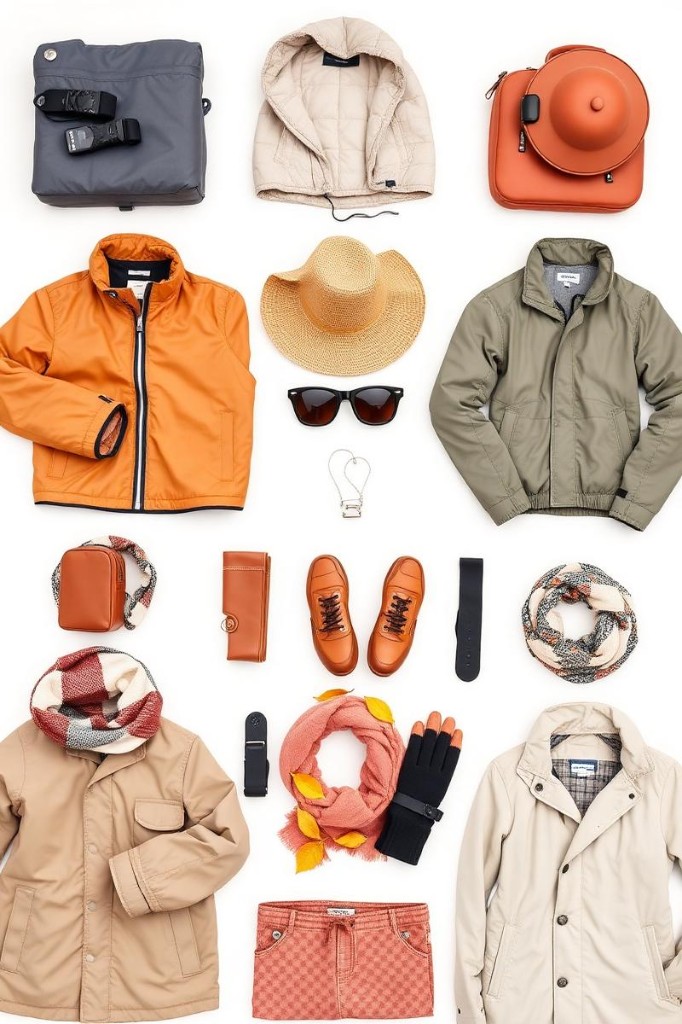
Travel clothing and gear by season

💰 Seasonal budget

PeriodAccommodation (€)Transport (€)Activities (€)Crowds (/5)Budget Tips
March-May15-4020-5010-302/5Negotiation possible, low season
June-August25-7030-8020-605/5Booking mandatory, high prices
Sept-Nov20-5025-6015-403/5Good value for money
Dec-Feb10-3015-405-201/5Very advantageous rates

💡 Money-saving tips

  • Avoid July-August: Most expensive period with doubled prices
  • Prioritize May-June and September: Excellent value for money
  • Book transport in advance: Substantial savings on domestic flights
  • Negotiate off-season: Significant margin during low season
  • Organized groups: Significant discounts for the Pamir

🏥 Health and precautions

  • Altitude: Progressive acclimatization mandatory above 3000m / 9842ft, risk of acute mountain sickness
  • Intense sun: Reinforced UV protection needed year-round at altitude
  • Hydration: Increased needs due to altitude and dry climate, purified water essential
  • Extreme temperatures: Risk of hypothermia in mountains even in summer
  • Vaccinations: Hepatitis A/B, typhoid recommended, keep tetanus up to date
  • Medical kit: Medication for mountain sickness, anti-diarrheal

Events & Festivals in Tajikistan

Cultural calendar and festivities not to be missed in Tajikistan

Tajik celebrations mark the year according to Persian traditions and agricultural cycles, offering privileged windows into local culture.

🌸 Navruz - Persian New Year (March 21)

The most important holiday in the Tajik calendar celebrates the arrival of spring with millenary traditions. Dances, traditional music, and family feasts transform the entire country into a massive celebration.

Location: Throughout the country, particularly spectacular in Dushanbe

Highlights: Traditional dishes, colorful markets, exceptional hospitality

Climate Impact: Ideal period with mild temperatures and lush green landscapes

🎭 Pamir Music Festival (July)

A unique event celebrating traditional Pamiri music in an exceptional mountain setting. Local musicians share their musical heritage in the pure atmosphere of the high plateaus.

Location: Khorog and Pamir villages

Highlights: Traditional instruments, songs in Pamiri languages, grand natural setting

Climate Impact: Benefits from optimal summer conditions to access the Pamir

🍇 Harvest Festival (September)

Celebration of autumn harvests in the fertile valleys, honoring dried fruits, grapes, and local products. A special moment to discover ancestral agricultural traditions.

Location: Ferghana Valley and Dushanbe region

Highlights: Local product tasting, folk dances, traditional markets

Climate Impact: Benefits from ideal temperatures and autumn colors

Seasonal events

Spring: • Navruz (March) • Flower Festival (April) • Agricultural celebrations (May)

Summer: • Pamir Festival (July) • Nomadic festivals (August) • Mountain celebrations (June-August)

Autumn: • Harvest Festival (September) • Fruit Festival (October) • Pre-winter celebrations (November)

Winter: • Family celebrations (December-February) • Traditional crafts (January) • Tales and music (Winter)

Responsible Travel in Tajikistan

Sustainable tourism in Tajikistan respects fragile mountain ecosystems and supports isolated local communities in a demanding climatic environment.

The Tajik high plateaus are home to unique ecosystems particularly vulnerable to climate change. Respecting wildlife breeding periods and minimizing impact on glaciers is essential to preserve this natural heritage.

🌱 Low-season advantages

Traveling in the off-season reduces pressure on limited infrastructure, supports the local economy in a spread-out manner, and significantly reduces your carbon footprint.

♻️ Sustainable travel tips

  • Water management: Save this precious resource in the mountains
  • Zero waste: Carry out all waste, no treatment infrastructure exists
  • Local transport: Prioritize Tajik guides and drivers
  • Wildlife respect: Avoid disturbing snow leopards and Marco Polo sheep
  • Fair trade: Support local crafts and cooperatives

🏙️ Local sustainable initiatives

Tajikistan is developing community-based ecotourism in the Pamir, glacier conservation projects, and reforestation programs. Homestays allow for authentic tourism that directly benefits local families.

Our Expert Recommendations

Expert recommendations for your trip to Tajikistan

After analyzing climatic data and field experience, our recommendations prioritize the balance between optimal weather conditions, site accessibility, and the authenticity of the experience. Tajikistan requires careful planning adapted to its unique climatic constraints.

🏆 Optimal Period: July - September

Recommended months: July, August, September

Advantages:

  • Full access to the Pamir and high mountains
  • Stable and predictable weather conditions
  • All activities possible (trekking, mountaineering, culture)
  • Long days and exceptional lighting
  • Fully operational tourist infrastructure

Disadvantages:

  • Intense heat in the valleys (up to 40°C / 104°F)
  • Maximum crowds and high prices

Ideal profile: Trekkers, adventurers, mountain photographers, experienced travelers

⚖️ Balanced Alternative: May - June

Alternative months: May, June

Description: This period offers an excellent compromise between accessibility, climatic conditions, and budget, with the advantage of spring greenery.

Specific advantages:

  • Ideal temperatures in all regions
  • Lush landscapes and wildflowers
  • Fewer tourists and moderate prices
  • Progressive access to high-altitude sites

👥 Tips for your travel style

Family: Prioritize May-June and September, avoid high altitude, focus on valleys and cultural sites

Budget: Travel in April-May or October-November, negotiate homestays, avoid July-August

Adventure: July-August for full Pamir, plan for extreme cold gear, experienced guides mandatory

Luxury: September for optimal conditions, book premium lodges, combine culture and nature

Photographer: September for golden light, July for glacier access, May for spring greenery

Avoid December to February except for a cultural trip in the valleys: mountain access is impossible, extreme cold at altitude, reduced infrastructure.

Cities to explore

Discover the must-sees of urban travel

All cities

Frequently Asked Questions

Answers to essential questions for planning your trip to Tajikistan according to climatic conditions.

What is the best time to visit the Pamir?

The best period for the Pamir is from July to September. Roads are clear, temperatures are bearable (5-20°C / 41-68°F during the day), and all sites are accessible. Avoid October to June: roads are closed by snow and conditions are extreme.

Can you visit Tajikistan in winter?

Yes, but only the western valleys around Dushanbe. The mountains are inaccessible and temperatures drop to -30°C / -22°F at altitude. It is ideal for cultural discovery with very attractive prices.

What equipment should I bring for temperature variations?

Plan for a layering system: light clothing for hot valleys (40°C / 104°F), fleece and windbreaker for mountains, and a cold-weather sleeping bag (-10°C / 14°F) for the Pamir. Day/night temperature swings can reach 30°C / 54°F.

Is there a rainy season in Tajikistan?

No, Tajikistan has a very dry climate with only 45 days of rain per year. Maximum precipitation occurs in April-May (40mm / 1.57in) but remains moderate. Summer is particularly dry.

When can you see the most beautiful mountain landscapes?

For spectacular landscapes, choose September: vibrant autumn colors, clear skies, fresh snow on peaks, and comfortable temperatures. July-August offers maximum access but with less color contrast.