When to visit Wadi Rum? Desert Guide

Explore the Jordanian desert with its changing colors according to the seasons and discover its unique lunar landscapes.

  • Not applicable population
  • Arabic language
  • 5 days rainy days/year
  • from March to May and October to November best time to visit
  • 2 to 4 days recommended stay

Wadi Rum Desert Climate

Understanding the extreme arid climate of Wadi Rum

Wadi Rum features a continental desert climate with significant temperature variations. The altitude, ranging from 900 to 1750 meters / 2953 to 5741 feet, slightly moderates summer temperatures while accentuating the cold winter nights.

  • Sheltered valleys: Milder temperatures, natural protection against winds
  • Rocky plateaus: Maximum exposure to the elements, extreme temperature fluctuations
  • Canyons: Cooler microclimates, protection from the sun during the day
MonthMin Temp (°C / °F)Max Temp (°C / °F)Precipitation (mm / in)Sunshine (h/day)Tourist TrafficConditions
January2 / 3618 / 648 / 0.37★★☆☆☆Cold nights, mild days
February4 / 3921 / 7010 / 0.48★★★☆☆Pleasantly cool
March8 / 4626 / 7912 / 0.59★★★★☆Ideal for hiking
April13 / 5531 / 885 / 0.210★★★★★Perfect for all activities
May18 / 6437 / 992 / 0.111★★★★☆Hot but bearable
June22 / 7242 / 1080 / 012★★☆☆☆Very hot
July24 / 7544 / 1110 / 012★☆☆☆☆Extreme heat
August24 / 7543 / 1090 / 011★☆☆☆☆Intense heat
September20 / 6839 / 1021 / 0.0410★★☆☆☆Still very hot
October15 / 5933 / 913 / 0.19★★★★★Excellent
November9 / 4826 / 795 / 0.28★★★★☆Very pleasant
December4 / 3920 / 686 / 0.27★★★☆☆Cold nights

The altitude, varying from 900 to 1750 meters / 2953 to 5741 feet, creates distinct microclimates. Rocky peaks experience temperature differences of 25°C / 45°F between day and night, while valleys benefit from natural protection that reduces these variations to 15-20°C / 27-36°F.

Desert Seasons

Activities by Conditions

Wadi Rum offers varied experiences depending on climatic conditions. Optimize your stay by adapting your activities to meteorological particularities.

🌙 Optimal Night Conditions

Perfect Starry Nights

The clear nights of Wadi Rum offer some of the best astronomical visibility in the world thanks to the absence of light pollution.

Recommended activities:
🔭 Astronomical observation (all year)
🏕️ Traditional Bedouin camping (Mar-May, Oct-Nov)
🎵 Traditional musical evenings
📸 Night photography and Milky Way
🍵 Tea around the fire with local guides
🌌 Meditation under the stars

Practical advice: Book fixed camps for more comfort in cold weather

Additional tip: New moons offer the best astronomical visibility
☀️ Favorable Daytime Conditions

Daytime Exploration

The mild temperatures of March-May and October-November allow for full exploration of the protected site.

Sites and activities:
🏜️ Hike to Jebel Rum (1754m / 5755ft) - 4-6h
🧗 Climbing rocky formations - morning
🐪 Traditional camel excursion - 2-3h
🚙 4x4 safari to iconic sites - day
🎨 Khazali Canyon rock paintings
🌉 Jebel Burdah natural arch

Best time of day: Sunrise (6am-8am) and late afternoon (4pm-6pm)

Seasonal advice: Avoid June-September for intense daytime activities

🌤️ All Weather Conditions

Adaptable Activities

Certain experiences remain accessible regardless of the weather with schedule adaptations.

Flexible sites:
🏛️ Wadi Rum Village and visitor center
🍽️ Traditional Zarb lunch (buried dish)
🛍️ Local Bedouin crafts
<🎭 Cultural meetings with the Bedouins

Weather tip: Prioritize cultural activities during hot hours in summer

Example itinerary: Morning exploration, midday rest/culture, late afternoon outdoor activities

💰 Economic Experiences

Controlled Budget

Affordable activities:
🚶 Free hiking on marked trails
🏕️ Wild camping allowed (designated areas)
🌅 Free panoramic viewpoints
📷 Natural landscape photography

Economic periods: June-August (reduced rates but difficult conditions)

Budget tips: Groups to share guides and transport, camping rather than hotels

Desert Practical Guide

Wadi Rum requires specific preparation depending on the season. Anticipate significant temperature fluctuations and intense sun exposure to fully enjoy your desert experience.

👕 Seasonal packing

Spring/Autumn: • Layered clothing (t-shirt + fleece + windbreaker) • High-top hiking boots • Wide-brimmed hat • Category 4 sunglasses • SPF 50+ sunscreen

Summer: • Long, light-colored linen/cotton clothing • Maximum head and neck protection • Breathable closed-toe shoes • Large capacity insulated water bottle

Winter: • Warm down jacket for nights • Beanie and gloves • Thermal underwear • Warm spare socks • Heavy-duty sleeping bag (-5°C / 23°F)
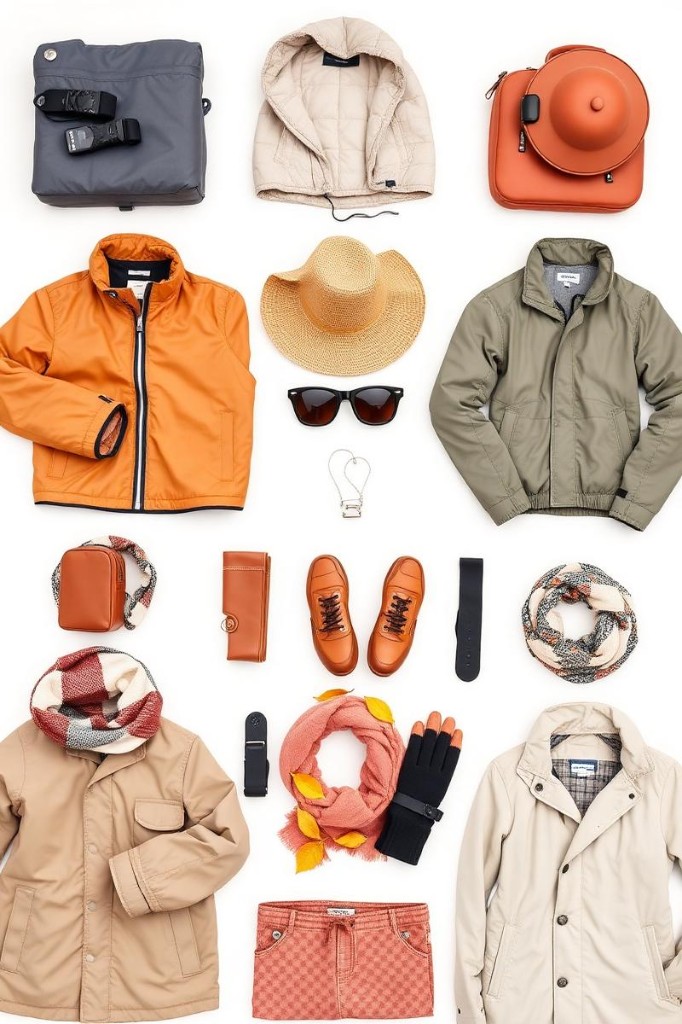
Travel clothing and gear by season

💰 Seasonal budget

PeriodBedouin Camp (€/night)Guide/transport (€/day)Meals (€/day)Park Entry (€)Crowds
Mar-May80-12060-10025-408★★★★★
Jun-Aug40-7040-6020-308★☆☆☆☆
Sep-Nov70-11050-8025-358★★★★☆
Dec-Feb50-8040-7020-308★★☆☆☆

💡 Money-saving tips

• Negotiate guide rates in low season • Opt for camping rather than luxury camps • Share 4x4 excursions in groups • Bring your own camping gear • Prioritize meals included in the camps

🏥 Health and precautions

Hydration: minimum 3-4L / 0.8-1 gal of water per day in summer • Sun protection: SPF 50+ cream reapplied every 2 hours • Altitude: gradual adaptation if sensitive • Temperatures: monitor for nocturnal hypothermia in winter • Rescue: inform guides of health issues • Pharmacy: complete kit recommended

Events and Festivals

Cultural and astronomical calendar of Wadi Rum

Wadi Rum hosts unique events blending traditional Bedouin culture with exceptional astronomical phenomena in this UNESCO-listed site.

🌟 Wadi Rum Star Festival (October)

International amateur astronomy event taking advantage of one of the clearest skies in the world. Three nights of observation with professional telescopes, astrophysicist lectures, and night photography.

Location: Specialized astronomical camp near Jebel Rum

Feature: Access to professional observation equipment

Climate impact: Organized during the optimal period (mild temperatures, clear skies)

Transport: Shuttles organized from Aqaba and Amman

Booking advice: Reservation required 6 months in advance, limited spots

🐪 Bedouin Cultural Festival (April)

Celebration of traditional nomadic culture with craft demonstrations, camel races, Bedouin poetry, and traditional music. Authentic immersion into the desert lifestyle.

Location: Wadi Rum Village and traditional camps

Feature: Participation of Jordan's last nomadic tribes

Climate impact: Ideal period with perfect temperatures for outdoor activities

Transport: Accessible via local transport from the visitor center

Booking advice: Traditional camp reservations strongly recommended

🎬 Wadi Rum Desert Film Festival (November)

Open-air cinema festival screening films shot in the desert on a giant screen under the stars. A tribute to the many international productions filmed on-site (Lawrence of Arabia, The Martian).

Location: Natural rocky amphitheater

Feature: Screenings under the Milky Way with natural surround sound

Climate impact: Pleasant night temperatures, no rain guaranteed

Transport: 4x4 transfers included from the park entrance

Booking advice: Recent event in development, check the schedule

Seasonal events

Spring: • Spring Equinox (March 20) - astronomical phenomenon • Orthodox Easter - regional pilgrimages • Desert Flower Festival (rare rainy years)

Summer: • Summer Solstice (June 21) - shortest night • Ramadan (variable dates) - unique spiritual experience

Autumn: • Autumn Equinox - perfect day/night balance • Perseid meteor shower observation • Jordanian Independence Day (May 25)

Winter: • Winter Solstice - longest night for astronomy • Traditional Bedouin New Year • Optimal Orion constellation observation

Desert Responsible Tourism

Wadi Rum requires a respectful approach to the fragile desert ecosystem and the traditional Bedouin communities who are its ancestral guardians.

Responsible tourism in Wadi Rum involves respecting the fragile desert environment, supporting local Bedouin communities, preserving ancient archaeological sites, and minimizing impact on rare desert wildlife.

🌱 Low-season advantages

Visiting in low season reduces pressure on limited water resources, allows for a more authentic experience with Bedouin guides, and contributes to the local economy year-round.

♻️ Sustainable travel tips

• Choose family-run Bedouin camps rather than tourist complexes • Respect rare wildlife (oryx, gazelles) by maintaining distance • Do not remove any natural elements (stones, sand, fossils) • Use biodegradable hygiene products • Save water, a precious desert resource • Follow only marked trails to protect vegetation

🏙️ Local sustainable initiatives

Bedouin tribes are developing ecotourism with solar panels in camps, rainwater harvesting, waste management through sorting, protection of local fauna, and transmission of traditional desert navigation knowledge.

Our Expert Recommendations

Personalized advice for your adventure in Wadi Rum

After analyzing climatic data, tourist traffic, and the specificities of the Jordanian desert, we offer recommendations adapted to different traveler profiles. The choice of period drastically influences your experience: thermal comfort, astronomical visibility, prices, and authenticity of encounters.

🌟 Optimal Period: April and October

Recommended months: April and October

Advantages:
• Perfect day/night temperatures (13-31°C / 55-88°F)
• Ideal conditions for all outdoor activities
• Exceptional astronomical visibility
• Optimal photographic lighting
• Maximum comfort for camping

Key events: Bedouin Cultural Festival (April), Star Festival (October)

Disadvantages: High crowds, maximum prices, reservations mandatory

Ideal profile: All travelers, families, first-time visitors, photographers

Stay duration: 3-4 days recommended

⚖️ Interesting Alternative: March and November

Alternative months: March and November

Description: Excellent compromise between favorable weather conditions and moderate attendance, with more affordable rates than in high season.

Specific advantages: Fewer tourists, 20-30% lower prices, conditions still very pleasant, accommodation availability

For whom: Flexible travelers, moderate budgets, seeking authenticity

👥 Tips for your travel style

Family with children: March-April or October-November, comfortable camps, short activities, enhanced sun protection

Tight budget: January-February or June (if experienced), camping, shared groups, guide negotiation

Astronomy enthusiasts: October-January, new moons, specialized camps, observation equipment

Photographers: April and October, optimal golden hour, maximum visibility, perfect technical conditions

First visit: April or October absolutely, traditional camps, experienced guides, duration 3-4 days

Experienced adventurers: Any period depending on objective, summer for authenticity, winter for contrast, adapted equipment

⚠️ Periods to avoid: June-August

Months not recommended: June, July, August

Reasons: Dangerous extreme heat (up to 44°C / 111°F), daytime activities impossible, high risk of dehydration, major discomfort

Nuances: Acceptable for very experienced desert travelers seeking minimum rates and absolute authenticity

Villes du même pays

All cities

Frequently Asked Questions

Answers to essential questions for planning your trip to Wadi Rum based on specific climatic conditions.

What is the best time to visit Wadi Rum?

April and October offer optimal conditions with ideal temperatures (13-31°C / 55-88°F), clear skies for astronomy, and maximum comfort for all activities. March and November are excellent alternatives with fewer crowds. Avoid June-August unless you are a very experienced desert traveler.

How many days should I plan for Wadi Rum?

Plan for at least 2 to 4 days for a complete experience. A 2-day stay allows for essential activities (4x4 safari, night under the stars), while 3-4 days add hiking, climbing, and deeper cultural immersion. Astronomy enthusiasts or photographers may extend to 5-7 days depending on the season and weather conditions.

What to do in Wadi Rum in case of difficult weather conditions?

In case of extreme heat (summer), limit activities to early morning (5am-8am) and evening (5pm-7pm), prioritize cultural visits in the village, and rest in air-conditioned camps. In case of intense cold (winter), organize daytime activities and bring heavy-duty cold-weather gear for the nights. Rare sandstorms require complete rest in shelters.

Which events should not be missed in Wadi Rum?

The Bedouin Cultural Festival in April offers an authentic immersion with traditional crafts and camel races. The Star Festival in October combines professional astronomy with desert magic. Natural astronomical phenomena (equinoxes, solstices) create unique experiences. Check specific dates as some events depend on weather conditions.

What budget should I expect depending on the season?

Expect 150-250€ / $160-$270 per day/person in high season (April, October) including camp, guide, meals, and activities. Intermediate periods (March, November) reduce the budget by 20-30%. Summer allows for significant savings (80-150€ / $85-$160 per day) but imposes major constraints. Winter offers a good quality-price compromise (100-180€ / $110-$195 per day). Add 8€ / $9 for park entry and transport from Amman or Aqaba.