When to Visit Dakar? City Break Guide

Between the sunny dry season and the vibrant wintering season, Dakar reveals a different soul depending on the time chosen.

  • 3.9 M population
  • French (official), Wolof language
  • 35 days/year rainy days/year
  • November to April best time to visit
  • 4 to 7 days recommended stay

Weather Trends and Climate in Dakar

Understanding Dakar's Dry Tropical Climate

Dakar enjoys a Sahelian-type tropical climate, tempered by its location on a peninsula bathed by the Atlantic. The maritime trade winds bring a refreshing breeze during the dry season, while the wintering season (June-October) concentrates most of the rainfall. The 14°N latitude ensures generous sunshine almost all year round, ideal for a city break.

  • City Center and Plateau: Dense urban area with a moderate heat island effect
  • Corniche and Coastline: The coolest zone thanks to constant sea breezes
  • Inner Suburbs: Slightly higher temperatures, less wind
MonthMin Temp (°C / °F)Max Temp (°C / °F)Precip. (mm)Sun (h/day)Tourist TrafficRecommended Activities
January18°C / 64°F27°C / 81°F18⭐⭐⭐⭐⭐Gorée Island, Sandaga Market, beaches
February17°C / 63°F27°C / 81°F18⭐⭐⭐⭐⭐Cultural visits, African Renaissance Monument
March18°C / 64°F28°C / 82°F08⭐⭐⭐⭐Plateau district, museums, coastal walk
April20°C / 68°F29°C / 84°F09⭐⭐⭐⭐Lake Retba (Lac Rose), HLM craft market
May22°C / 72°F30°C / 86°F19⭐⭐⭐Dak'Art Biennale, Bel-Air, N'Gor beach
June24°C / 75°F32°C / 90°F307⭐⭐Lively atmosphere, local culture, restaurants
July25°C / 77°F32°C / 90°F906⭐⭐Local experience, covered markets
August25°C / 77°F32°C / 90°F2006Senegalese gastronomy, museums
September25°C / 77°F33°C / 91°F1607Local authenticity, low prices
October24°C / 75°F33°C / 91°F508⭐⭐Transition, coastal walks
November21°C / 70°F31°C / 88°F59⭐⭐⭐⭐Corniche, Gorée Island, city-walk
December18°C / 64°F28°C / 82°F18⭐⭐⭐⭐⭐Local festivals, markets, beaches, culture

As Dakar is a relatively flat coastal city, altitude variations are minimal. Higher neighborhoods like Les Mamelles benefit from cooler breezes and better natural ventilation.

The seasons in Dakar

Must-sees according to the weather

In Dakar, every weather condition opens up different possibilities. Organizing your visits according to the day's weather allows you to optimize your stay and miss nothing, whether it rains or the sun floods the peninsula with Atlantic light.

☔ In overcast or rainy weather

Indoor & sheltered

When clouds visit Dakar, museums, galleries, and covered markets become invaluable cultural refuges. Take the opportunity to dive into Senegalese history and art without fearing the fickle weather of the wintering season.

  • 🏛️ Theodore Monod Museum of African Art (IFAN) — Plateau | 2h | ~2,000 FCFA | open all year
  • 🖼️ Cécile Fakhoury Gallery — Almadies | 1h | free entry | Tuesday-Saturday
  • 🏺 Village des Arts — Liberté VI | 2h | free entry | recommended in the morning
  • 🍽️ Kermel Market (covered halls) — Plateau | 1h30 | free | visit early in the morning
  • 🎭 National Grand Theater — Avenue Cheikh Anta Diop | according to program | 5,000-15,000 FCFA
  • 📚 UCAD – Institute of Arts — campus | 1h | free entry depending on exhibitions

Practical tip: Book your museum tickets online or arrive at opening time to avoid lines. A Dakar cultural pass is available for temporary exhibitions.

Trick: Combine IFAN Museum → Kermel Market → Fakhoury Gallery for a complete cultural day without getting wet.

☀️ In good weather

Optimal outdoor

Under the generous sun of the dry season, Dakar displays all its splendor: the Atlantic sparkles, the Corniche offers breathtaking panoramas, and Gorée Island takes on postcard colors.

  • Gorée Island — ferry from Dakar port | half-day | 5,200 FCFA round trip | early morning ideal
  • 🌊 West Corniche — 5 km / 3.1 miles walk | 2h | free | golden hour recommended
  • 🏖️ N'Gor Beach — pirogue shuttle | 3h | free (pirogue ~500 FCFA) | morning for serenity
  • 🗿 African Renaissance Monument — Mamelles | 1h30 | 2,500 FCFA | exceptional sunrise
  • 💧 Lake Retba (Lac Rose) — day excursion | departure 8 AM | ~15,000 FCFA organized tour
  • 🌿 Bandia Reserve — excursion | full day | ~20,000 FCFA

Best time of day: golden hour (5 PM-7 PM) on the Corniche for memorable photos with the grazing light of the Atlantic.

Seasonal tip: Prioritize November to March for outdoor visits. Avoid the full sun of May between 12:00 PM and 3:00 PM.

🌤️ Versatile for all weather

Flexible sites

Some places in Dakar can be enjoyed in any weather, combining covered spaces and open areas to adapt to any day.

  • 🛍️ HLM Market — crafts, fabrics, sculptures | 2h | free | ideal even in light rain
  • 🏘️ Médina District — authentic urban immersion | 2-3h | free | constant animation
  • 🎨 Historic Plateau — colonial architecture + shops | 2h | free | morning recommended

Weather trick: Start with the covered alleys of the Médina if the sky is overcast, then head up to the Plateau as soon as the light returns.

Typical itinerary: HLM Market (morning) → Médina local lunch → Plateau in the afternoon → Corniche at sunset.

💰 Free or economical

Free or almost free

  • 🚶 West Corniche — coastal promenade | free | every day
  • 🌅 Independence Square — historic heart of Dakar | free | intense local life
  • Cathedral of the African Remembrance — colonial monument | free | open to visitors
  • 🎵 Street concerts and djembe — Médina and Gueule Tapée districts | free | weekend evenings

Days and access: Most public spaces and markets are freely accessible. Check the hours of galleries that sometimes offer free openings on Friday evenings.

Budget tips: Evening return ferry from Gorée is less crowded, thieboudienne in a local restaurant for less than 2,000 FCFA, walks at the Mamelles lighthouse at sunrise.

Practical Guide

Preparing for your city break in Dakar requires some adjustments depending on the chosen season. Between the windy mildness of the dry season and the humid heat of the wintering season, equipment, budget, and precautions differ significantly. Anticipating these variations will allow you to fully enjoy every moment spent in this vibrant and welcoming West African capital.

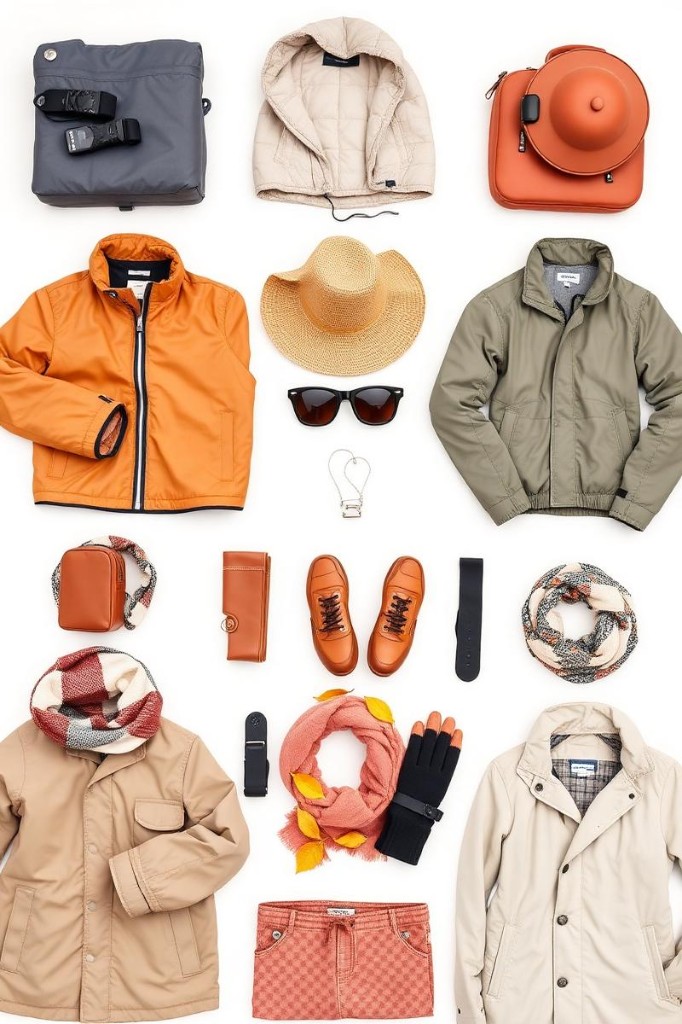
👕 Seasonal packing

Cool and dry season (Nov–Feb): • light breathable cotton clothing for the day • small jacket or cardigan for cool evenings by the sea • comfortable shoes with soft soles for walking on cobblestones • hat or cap • SPF 30+ sunscreen

Hot and dry season (Mar–May): • ultra-light and loose clothing • reinforced sun protection (SPF 50) • polarized sunglasses • reusable water bottle • comfortable sandals for markets

Wintering season – start (Jun–Jul): • breathable, quick-drying clothing • light poncho or rain cape • waterproof shoes or closed sandals • waterproof bag for electronic devices

Heart of wintering season (Aug–Oct): • waterproof and breathable clothing • compact umbrella • rain-resistant closed shoes • reinforced first aid kit (antimalarials, repellents)

Travel clothing and gear by season

💰 Seasonal budget

PeriodCenter Accommodation (€/night)Transport (€/day)Restaurants (€/day)Attractions (€)Traffic
Dec – Jan (high season)80 – 2005 – 1515 – 4010 – 25⭐⭐⭐⭐⭐
Feb – Mar (shoulder)60 – 1505 – 1212 – 358 – 20⭐⭐⭐⭐
Apr – May (pre-wintering)50 – 1204 – 1010 – 307 – 18⭐⭐⭐
Jun – Jul (early wintering)35 – 804 – 88 – 255 – 15⭐⭐
Aug – Sep (peak rain)25 – 603 – 87 – 205 – 12
Oct – Nov (transition)40 – 1004 – 109 – 286 – 18⭐⭐

💡 Money-saving tips

  • 💳 Dakar Cultural Pass: Group your museum visits over 2-3 days to amortize entrance fees, which are often negotiable in groups
  • 🚌 Local Transport: Opt for the Dakar Dem Dikk (official bus) or a taxi with a pre-negotiated price—avoid taxis without a meter unless agreed upon beforehand
  • 🍽️ Lunch vs Dinner: A lunchtime thieboudienne in a neighborhood restaurant costs 3 to 5 times less than an evening meal in a tourist establishment
  • 🏨 Alternative Neighborhoods: Stay in Mermoz, Point E, or Fann instead of Almadies for accommodation 30-40% cheaper for equivalent quality
  • 🎭 Free Events: Gallery openings, weekend beach concerts, and night markets cost nothing but are worth everything

🏥 Health and precautions

  • 🦟 Malaria: Prophylactic treatment recommended, especially in the wintering season (June-October)—consult your doctor before departure
  • 💧 Hydration: Drink at least 2 liters / 0.5 gallons of water per day in the hot season, only bottled water with a sealed cap
  • ☀️ Urban Heat: Avoid long walks between 12:00 PM and 4:00 PM from March to October; there is a real risk of sunstroke
  • 💊 Vaccinations: Yellow fever is mandatory, Hepatitis A and B are strongly recommended—check your vaccination record
  • 🏥 Pharmacies: Several 24/7 pharmacies in Dakar, notably on Avenue Cheikh Anta Diop
  • 🌬️ Harmattan: In January-February, wind laden with sand can irritate the respiratory tract—bring a light mask if you are sensitive

Events in Dakar

Calendar of Must-See Events in Dakar

Dakar is a city of culture and creativity whose event calendar significantly enriches every visitor's experience. Each event transforms the urban atmosphere and may influence your travel plans.

🎨 Dak'Art – Biennale of Contemporary African Art (May-June, even years)

Dak'Art is the major art event in West Africa. For a month, Dakar transforms into a massive open-air gallery: street installations, exhibitions in old port warehouses, and performances in public gardens. Over 200 artists from around the world converge on the peninsula to celebrate contemporary African and diaspora creation.

Location: Throughout Dakar, with the epicenter at the Village des Arts (Liberté VI) and the Old Palace of Justice

Special feature: The 'Off' Biennale, completely free, held in galleries, private homes, and alternative spaces

Impact on the city: High international attendance, unique cosmopolitan atmosphere, accommodations should be booked 3 to 4 months in advance

Access: Dakar Dem Dikk bus or shared taxi (car rapide) from the Plateau

Tip: Book your accommodation as soon as the official program is announced (January of the relevant year)

🕌 Grand Magal of Touba (variable date – Islamic calendar)

The Magal of Touba is the largest religious gathering in West Africa, commemorating the exile of Cheikh Amadou Bamba. While the main celebration takes place in Touba (124 miles / 200 km from Dakar), the Senegalese capital is deeply affected: transport is saturated, shops close, and there is an intense spiritual atmosphere in all neighborhoods. A unique human and cultural experience.

Location: Primarily Touba, but the entire Dakar region is involved (Médina Baye, mosques)

Special feature: The exodus to Touba partially empties Dakar—a unique opportunity to discover it in a more peaceful state

Impact on the city: Transport disrupted 2 to 3 days before and after, some shops closed

Access: Buses and shared taxis to Touba depart from the Pompiers bus station

Tip: Plan your travel and accommodation in advance as the whole region is on the move

🎵 Gorée Diaspora Festival (July)

Every summer, Gorée Island transforms into a musical and cultural stage to celebrate the ties between Africa and its diaspora. Jazz, mbalax, soul, and world music concerts resonate in the island's colorful alleys, creating an atmosphere that is both festive and deeply emotional facing the ocean. An event that touches the universal.

Location: Gorée Island — accessible by ferry from the port of Dakar (20 min)

Special feature: Concerts often take place just steps from the House of Slaves, giving a very strong symbolic dimension to the performances

Impact on the city: High demand for ferries, crowds on the island to manage — arrival early in the morning recommended

Access: Dakar-Gorée ferry from the port, tickets available on site (5,200 FCFA round trip)

Tip: Book accommodation on Gorée Island to experience the event from the inside—the few guest houses fill up quickly

Seasonal events

Cool and dry season (Nov–Feb):

  • 🏃 Dakar Urban Trail (November) — urban race crossing the Plateau and the Corniche • registration recommended
  • 🌙 Holiday Season (December) — craft markets, nightly entertainment on Avenue Bourguiba
  • 🎉 Tamkharit Celebrations (variable date) — Islamic festival with street parades and traditional dish exchanges

Hot season (Mar–May):

  • 🎨 Dak'Art Biennale (May-June, even years) — continental art event
  • 🌺 International Women's Day (March 8) — parades and cultural events throughout Dakar

Wintering season (Jun–Oct):

  • 🕌 Grand Magal of Touba (variable Islamic date) — national pilgrimage affecting the entire region
  • 🎵 Gorée Diaspora Festival (July) — world music on the historic island
  • 🇸🇳 Senegal National Day (April 4) — military parade and popular festivities on Independence Square

Responsible city break in Dakar

Choosing when and how to visit Dakar has a direct impact on the inhabitants and local resources. Opting for a period of lower traffic or adopting respectful practices contributes to a more equitable tourism, which truly benefits Senegalese communities.

Dakar remains a human-sized city facing mass tourism, but some neighborhoods and sites (Gorée Island, Corniche) are beginning to feel the pressure of tourist flows. Prioritizing local businesses, neighborhood restaurants rather than international establishments, and certified local guides contributes to a more virtuous tourism economy that is fairer for the Dakarois.

🌱 Low-season advantages

Visiting Dakar in the shoulder season (October-November or March-April) helps reduce pressure on iconic sites, benefit from more accessible prices, and live an authentic experience in the heart of Senegalese life, far from the intense tourist flows of December-January.

♻️ Sustainable travel tips

  • 🚌 Public transport: Prioritize the Dakar Dem Dikk bus and shared taxis for your urban travel, which have much less impact than individual taxis
  • 🛍️ Local purchases: Buy crafts and souvenirs directly from artisans at the HLM market rather than in tourist shops in Almadies
  • 🍽️ Local gastronomy: Eat in neighborhood restaurants (thieboudienne, yassa, mafé) and support the local food economy
  • 🚶 Walking prioritized: The Plateau and the seaside are very pleasant to explore on foot—reduce your motorized travel
  • ♻️ Plastic reduction: Bring your reusable water bottle and refuse plastic bags in markets
  • 🏨 Committed accommodation: Choose guest houses and hostels managed by Senegalese who reinvest in their communities

🏙️ Local sustainable initiatives

Dakar is gradually developing its sustainable initiatives: expansion of the Dakar Dem Dikk electric bus network, pedestrian zones around the Corniche and the historic Plateau, Fann organic market on weekends, and the rise of craft cooperatives that guarantee fair remuneration for local artisans.

Our Recommendations

Recommendations for your city break in Dakar

After analyzing Dakar's climate, event calendar, and tourist dynamics, our primary recommendation is clear: the period from November to February offers the most favorable conditions for a successful city break. The sky is clear, temperatures are pleasant, cultural life is in full swing, and iconic sites are accessible in excellent conditions. For travelers seeking a compromise between quality and price, March-April remains an excellent alternative with fewer tourists and softer prices, without sacrificing sunshine.

Optimal period: November to February

Recommended months: November, December, January, February

  • Clear sky and ideal temperatures (17-27°C / 63-81°F) for urban walking
  • Maritime trade wind bringing a refreshing breeze in the evening
  • Intense cultural and event life (Urban Trail, holiday festivities)
  • Gorée Island and the Corniche in their most beautiful light
  • Excursions (Lake Retba, Bandia Reserve) perfectly accessible

Key events: Dakar Urban Trail (November), Christmas markets and Plateau festivities (December-January)

Drawbacks: High tourist traffic in December-January, higher accommodation prices, booking essential

Ideal profile: First-time travelers, families, couples, culture and beach lovers

Recommended duration: 5 to 7 days to combine urban culture, excursions, and seaside relaxation

Interesting alternative: March and April

Alternative months: March, April

The transition between the cool and hot seasons offers a remarkable balance: the sun is omnipresent, sunshine exceeds 9 hours per day, and Dakar returns to a more local and authentic rhythm with accommodation prices 20 to 30% lower than in high season. The heat remains manageable thanks to the oceanic influence.

Specific advantages: Fewer tourists on Gorée Island, accommodation available without ultra-early booking, more relaxed atmosphere in markets, attractive flight prices

For whom: Travelers in search of authenticity, budget travelers, couples, photography enthusiasts (exceptional light in April)

👥 Tips for your travel style

👨‍👩‍👧 Family: Prioritize November-January, stay in Almadies near safe beaches, visit Lake Retba and the Bandia Reserve, use registered taxis—average budget 120-200€/night in a family apartment.

💰 Budget: Opt for March-April or October, stay in a youth hostel in Mermoz (25-40€/night), eat at the HLM market and in neighborhood restaurants, use Dakar Dem Dikk buses (0.30€ per trip).

🎨 Culture: Target May-June of even years for the Dak'Art Biennale, stay in the Plateau, visit museums, galleries, and the Village des Arts—allow at least 5 to 7 days.

💑 Romantic: Choose November or February, boutique hotel by the sea on the Corniche, dinner facing the Atlantic in N'Gor, night on Gorée Island—budget 150-250€/night.

📅 Long weekend: 4 days in January or November are enough for Gorée, Plateau, Corniche, and Lake Retba—fly early Friday morning from Paris (CDG, ~5h30 flight).

🌍 First trip to Africa: December-January, local guide recommended for the first day, established hotel in the Plateau or Almadies, focus on Gorée + Médina + Plateau before venturing further.

Periods to avoid or approach with caution

Months advised against: August, September

Reasons: Maximum rainfall (up to 200 mm / 7.9 inches in August), risk of flooding in some peripheral neighborhoods, very humid and uncomfortable heat (33°C / 91°F feels like 40°C+ / 104°F+), reduced tourist offerings, some establishments close

Nuances: Experienced travelers curious about deep Africa may find this period a unique and very affordable experience. Lovers of total immersion in local life will find a Dakar without a mask, vibrant and popular. Museums and neighborhood restaurants remain open and accessible.

Villes du même pays

All cities

Frequently Asked Questions

Here are the essential questions travelers ask before planning their city break in Dakar, with answers tailored to every profile and budget.

What is the best month to visit Dakar?

November and December are generally considered the best months to visit Dakar. The sky is perfectly clear, temperatures range between 18°C / 64°F and 28°C / 82°F, the maritime trade wind brings a pleasant freshness, and all tourist sites are accessible in excellent conditions. January remains excellent, although a bit busier and slightly more expensive. If you are looking for a perfect compromise between pleasant weather and controlled prices, March or April offer a very attractive alternative with maximum sunshine and moderate tourist traffic.

How many days should I plan for Dakar?

A minimum of 4 to 5 days is recommended to discover the essentials: Gorée Island, the historic Plateau, the Corniche, markets, and a memorable sunset from Les Mamelles. For a more complete experience including an excursion to Lake Retba (Lac Rose), a day in the Médina district, and some must-visit local restaurants, plan for 6 to 7 days. Travelers also wishing to explore Saint-Louis or the Casamance region should add 2 to 3 extra days. For a 4-day long weekend, focus on Dakar city proper and Gorée.

What to do in Dakar when it rains?

Dakar offers many rewarding indoor alternatives. The Theodore Monod Museum of African Art (IFAN) in the Plateau is a must-see and can occupy a good 2 hours. The Kermel market with its covered halls offers a colorful immersion under shelter. The Village des Arts in Liberté VI hosts about thirty artist studios open to visitors. Contemporary galleries like the Cécile Fakhoury Gallery offer a free panorama of current African creation. Also, take advantage of the rain to enjoy a thieboudienne in a local neighborhood restaurant—this is where Senegalese cuisine is most authentic.

What events should not be missed in Dakar?

The Dak'Art Biennale (May-June, even years) is the continental cultural event not to be missed under any circumstances: it turns the whole city into a giant gallery for a month. The Gorée Diaspora Festival (July) offers magical musical nights on the historic island. The Dakar Urban Trail (November) allows you to run through the city's most beautiful neighborhoods. Finally, the Grand Magal of Touba (date varies according to the Islamic calendar) is an extraordinary religious and human event that transforms the entire region and deserves to be experienced at least once, even from Dakar.

What budget should I plan for according to the season?

In high season (December-January), expect 120-250€/day per person (accommodation + meals + transport + attractions) depending on your comfort level. In shoulder season (November, February-April), the budget drops to 80-150€/day with equivalent services. In the wintering season (June-September), prices collapse: 40-80€/day are enough for a comfortable stay, including flights on some last-minute deals. Note: the local currency is the CFA Franc (1€ ≈ 655 FCFA), card payment is accepted in hotels and large restaurants, but cash remains essential for markets and taxis.