When to visit the Bandia Reserve? Safari Guide

Discover the best times to observe the exceptional wildlife of this Senegalese reserve according to the seasons.

  • Nature reserve population
  • French, Wolof language
  • 45 days rainy days/year
  • November to April best time to visit
  • 1 to 2 days recommended stay

Climate and Weather

Understanding the tropical climate of the Bandia Reserve

The Bandia Reserve enjoys a dry tropical climate with two distinct seasons. Its proximity to the Atlantic Ocean tempers temperatures, creating ideal conditions for wildlife viewing.

  • Forest zone: Cooler microclimates under the canopy of acacia and baobab trees
  • Savanna zone: Higher temperatures with direct sun exposure
MonthMin Temp (°C / °F)Max Temp (°C / °F)Precipitation (mm / in)Sunshine (h/day)Tourist TrafficWildlife Viewing
January18°C / 64°F30°C / 86°F1mm / 0.04in9★★★★☆Excellent
February19°C / 66°F32°C / 90°F2mm / 0.08in9★★★★★Optimal
March21°C / 70°F34°C / 93°F0mm / 0in9★★★★★Excellent
April22°C / 72°F35°C / 95°F0mm / 0in9★★★★☆Very Good
May24°C / 75°F36°C / 97°F5mm / 0.2in8★★★☆☆Good
June25°C / 77°F35°C / 95°F25mm / 1in7★★☆☆☆Fair
July25°C / 77°F33°C / 91°F85mm / 3.3in6★★☆☆☆Difficult
August25°C / 77°F32°C / 90°F120mm / 4.7in5★☆☆☆☆Limited
September25°C / 77°F33°C / 91°F95mm / 3.7in6★☆☆☆☆Difficult
October24°C / 75°F34°C / 93°F35mm / 1.4in7★★☆☆☆Fair
November21°C / 70°F33°C / 91°F5mm / 0.2in8★★★☆☆Good
December19°C / 66°F31°C / 88°F1mm / 0.04in8★★★★☆Excellent

Low altitude (20-50m / 66-164ft) with moderate thermal variations depending on vegetation and exposure.

The Seasons

Observation zones by conditions

Optimize your safari by choosing observation zones based on weather conditions to maximize your chances of wildlife encounters.

☀️ Dry and sunny weather

🦁 Optimal zones

Dry conditions concentrate wildlife around the reserve's artificial water points.

Preferred sites:
🐘 Main pond - Elephants and antelopes (morning 7 am-9 am)
🦒 Giraffe zone - Guaranteed observation (all day)
🐆 Feline sector - Lynx and servals (late afternoon)
🦏 Rhino enclosure - Guided tour mandatory
🐊 Crocodile basin - Feeding spectacle 3 pm

Practical tip: Early morning departure to avoid heat
Photo tip: Golden light 1 hour before sunset
🌧️ Wet weather

🌿 Necessary adaptations

The rainy season disperses animals but reveals other natural wonders.

Interesting alternatives:
🌺 Botanical trail - Discovery of tropical flora
🦅 Bird observatory - Migratory birds
🏛️ Interpretation center - Covered exhibition
🌳 Baobab forest - Spectacular landscapes

Best time: Between showers (10 am-12 pm)
Seasonal tip: Prioritize short and flexible visits

🌤️ Mixed conditions

⚡ Flexible strategy

Adapt your route according to the day's weather evolution.

Versatile sites:
🦓 Zebra plain - Visible in all weather
🐒 Primate zone - Natural shelters available
🌊 Pond circuit - Partial cover

Weather tip: Mobile app for real-time tracking
Typical itinerary: Start with open zones then move to shelters if needed

💰 Budget options

🎯 Accessible safari

Enjoy the reserve with a controlled budget.

Advantageous formulas:
🚶 Walking trail - Free access (included with entry)
👥 Group tour - Reduced rate for shared guide
📚 Educational workshops - Weekend activities included

Advantageous days: Reduced rates for African residents on Wednesdays
Budget tips: Picnic allowed, water bottle recommended

Practical Guide

Prepare your safari at the Bandia Reserve with our practical tips adapted to the weather conditions and the specifics of this Senegalese reserve near Dakar.

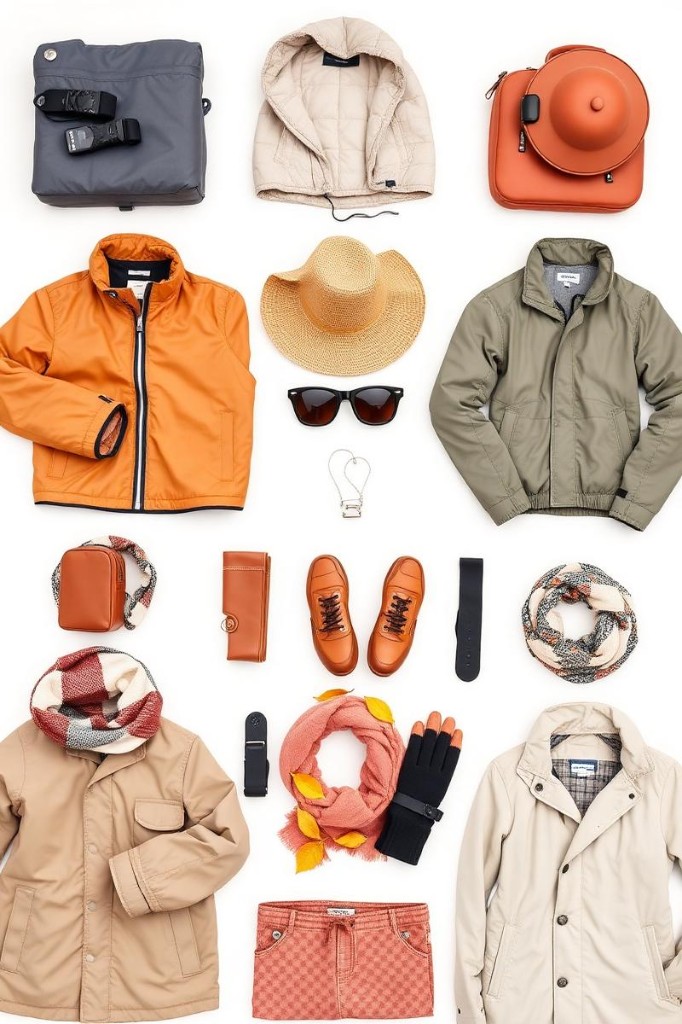
👕 Seasonal packing

Dry season (Nov-May): • Lightweight neutral-colored clothing • Wide-brimmed hat mandatory • Closed dust-proof shoes • Sunglasses • High-SPF sunscreen

Wet season (Jun-Oct): • Breathable quick-dry clothing • Lightweight raincoat • Waterproof shoes • Strong mosquito repellent • Waterproof bag for camera gear
Travel clothing and gear by season

💰 Seasonal budget

PeriodReserve Entry (€)Guide (€/group)Dakar Transport (€)Meals (€)Traffic
High season (Dec-Mar)8251512★★★★★
Mid season (Nov, Apr-May)8201510★★★☆☆
Low season (Jun-Oct)615128★☆☆☆☆

💡 Money-saving tips

• Book a guide in advance for preferential rates • Combine with a visit to Lake Retba (Lac Rose) to optimize transport • Bring water and snacks (limited shop) • Negotiate group transport from Dakar • Choose weekdays to avoid weekend surcharges

🏥 Health and precautions

• Enhanced sun protection (savanna reflection) • Constant hydration in dry climate • Mosquito repellent during rainy season • High-top shoes for snake protection • Basic first aid kit • Saly pharmacy 20km / 12 miles away

Natural Events

Calendar of remarkable natural phenomena in the reserve

The Bandia Reserve offers seasonal natural spectacles that enrich the safari experience depending on the time of visit.

🦒 Giraffe breeding season (February-April)

An exceptional period to observe courtship behaviors and young calves. Males compete in spectacular neck-entwining fights.

Location: Central zone of the reserve
Key feature: Frequent births, very active calves
Climate impact: Dry weather optimal for prolonged observation
Access: Guided tour recommended to respect distances
Tip: Book in advance, a very popular period for photographers

🌺 Baobab flowering (May-June)

The majestic baobabs of the reserve are adorned with spectacular white flowers, marking the transition to the rainy season.

Location: Avenue of the centenary baobabs
Key feature: Nocturnal flowering, enchanting fragrance
Climate impact: Beginning of the wet season, relative coolness
Access: Paved walking trail
Tip: Visit in the late afternoon for the best lighting

🦅 Bird migration (October-November)

Massive arrival of European migratory birds fleeing the winter, transforming the reserve into an ornithological paradise.

Location: Wetlands and forest edges
Key feature: Over 120 species recorded
Climate impact: End of the rainy season, ideal conditions
Access: Equipped bird observatory
Tip: Binoculars essential, specialized guide recommended

Seasonal events

Dry season: • Animal gatherings at water points (Dec-Apr) • Peak feline activity (Jan-Mar) • Tortoise egg-laying (Mar-Apr)

Wet season: • Spectacular greening of the savanna (Jun-Aug) • Amphibian reproduction (Jul-Sep) • Fruit tree ripening (Sep-Oct)

Responsible Safari

Adopt an eco-responsible approach during your visit to preserve this exceptional ecosystem and support local Senegalese communities.

The Bandia Reserve is committed to active conservation and environmental awareness. Your responsible visit contributes directly to the protection of endangered species and the sustainable development of surrounding villages.

🌱 Low-season advantages

Visiting in the low season reduces tourist pressure on wildlife, allows for a more authentic experience, and supports the local economy during less favorable periods.

♻️ Sustainable travel tips

• Respect safety distances from wild animals • Use reusable water bottles (fountains available) • Prioritize certified local guides • Avoid single-use plastics • Stay on marked trails • Buy local handicrafts from villages • Offset your transport carbon footprint

🏙️ Local sustainable initiatives

The reserve funds educational programs in local schools, employs 80% of staff from neighboring villages, participates in the reintroduction of endangered species, and develops community-based ecotourism in the Thiès region.

Our Recommendations

Recommendations for your safari at the Bandia Reserve

Based on the analysis of optimal weather conditions, wildlife visibility, and tourist traffic, our recommendations guide you to the ideal period according to your traveler profile. The proximity to Dakar allows for organizational flexibility while maximizing the chances of exceptional wildlife observation.

🏆 Optimal period: December to March

Recommended months: December, January, February, March

Advantages:
• Exceptional wildlife visibility (animals at water points)
• Ideal weather conditions (18-32°C / 64-90°F, 0-2mm / 0-0.08in rain)
• Giraffe breeding season (February-March)
• Clear skies perfect for photography
• Optimal thermal comfort

Key events: Giraffe breeding, peak feline activity
Disadvantages: High tourist traffic, high season rates
Ideal profile: Families, first-time safaris, wildlife photographers
Stay duration: 1-2 days recommended

⚖️ Interesting alternative: November and April

Alternative months: November, April

Excellent quality-price compromise with conditions still favorable but fewer crowds and more accessible rates.

Specific advantages: Fewer tourists, attractive prices, bird migration (November), start of flowering (April)
For whom: Flexible travelers, tight budgets, birdwatching enthusiasts

👥 Tips for your travel style

Family: December-March, morning visit, French-speaking guide, shaded rest areas
Budget: November or May, group transport from Dakar, picnic allowed
Photographers: January-February, golden light, specialized wildlife guide
First visit: February-March, optimal season, perfect conditions
Birdwatchers: October-November, migration, equipped observatory

⚠️ Periods to avoid: July to September

Not recommended months: July, August, September

Reasons: Intense rains limiting wildlife observation, difficult tracks, high humidity, dispersed animals
Nuances: Acceptable for botany enthusiasts and lush green landscapes

Villes du même pays

All cities

Frequently Asked Questions

Answers to essential questions to effectively plan your safari according to optimal weather conditions.

What is the best month to visit the Bandia Reserve?

February and March offer optimal conditions with exceptional wildlife visibility, pleasant temperatures (19-34°C / 66-93°F), and the giraffe breeding season. December and January are also excellent with less heat. Avoid July-September due to rains that disperse animals and complicate observation.

How much time should I allow for the visit?

Allow at least 3 to 4 hours for a full safari with a guide. A half-day allows you to observe all the wildlife in good conditions. Enthusiasts can plan a full day by combining a morning guided tour with an afternoon walking trail. Admission is valid all day.

What to do in case of rain?

The interpretation center offers a covered exhibition on local wildlife. The botanical trail remains accessible with appropriate gear. Observation shelters allow you to wait for clearings. During the rainy season, prioritize short visits between showers (usually 10 am-12 pm) and focus on the exceptional flora.

Which animals can be observed depending on the season?

In dry season: giraffes, elephants, rhinos, antelopes, zebras, crocodiles, and felines are very visible at water points. In wet season: wildlife is dispersed but migratory birds are numerous, primates are more active. Giraffes remain observable all year round. The giraffe breeding season (February-April) offers an exceptional spectacle with male fights and calves.

What budget should I plan for depending on the period?

In high season (December-March): €50-60/person (entry €8 + guide €25 + transport). In low season (June-October): €35-40/person with reduced rates. Add €15 for transport from Dakar, €10-12 for meals. African residents receive a 30% discount on Wednesdays. Plan a tip for the guide of €2-3 depending on satisfaction.