When to visit the Langue de Barbarie National Park?

Discover the best times to explore this natural jewel between the ocean and the river according to the seasons.

  • Not applicable population
  • French, Wolof language
  • 45 days rainy days/year
  • from November to May best time to visit
  • 2 to 4 days recommended stay

Climate of the National Park

Understanding the tropical Sahelian climate of the Langue de Barbarie National Park

The park enjoys a tropical Sahelian climate influenced by oceanic trade winds. The proximity of the Atlantic moderates temperatures, while the mouth of the Senegal River creates a unique microclimate, ideal for birdwatching.

  • Atlantic coastal zone: Oceanic influence with refreshing sea breezes and high relative humidity
  • River zone: More humid microclimate near the mouth of the Senegal River, favorable for bird nesting
MonthMin Temp (°C / °F)Max Temp (°C / °F)Precipitation (mm / in)Sunshine (h/day)Tourist TrafficRecommended Activities
January18°C / 64°F28°C / 82°F2mm / 0.08in8⭐⭐⭐Birdwatching, hiking
February19°C / 66°F29°C / 84°F1mm / 0.04in9⭐⭐⭐⭐Photography, camping
March20°C / 68°F31°C / 88°F0mm / 0in9⭐⭐⭐⭐Pirogue excursions
April21°C / 70°F32°C / 90°F0mm / 0in9⭐⭐⭐Fishing, turtle watching
May22°C / 72°F33°C / 91°F3mm / 0.12in9⭐⭐Sunrise viewing, swimming
June24°C / 75°F34°C / 93°F18mm / 0.71in8Migration observation
July25°C / 77°F32°C / 90°F65mm / 2.56in6Landscape photography
August25°C / 77°F31°C / 88°F95mm / 3.74in6Flora observation
September25°C / 77°F32°C / 90°F85mm / 3.35in7Ecosystem study
October24°C / 75°F33°C / 91°F25mm / 0.98in8⭐⭐Hiking, bivouac
November22°C / 72°F31°C / 88°F3mm / 0.12in8⭐⭐⭐All activities
December19°C / 66°F29°C / 84°F1mm / 0.04in8⭐⭐⭐Wildlife watching, relaxation

The park's flat terrain (maximum altitude 5m / 16ft) offers few altitude-related climatic variations, but oceanic winds create noticeable differences between exposed and sheltered areas.

The Seasons

Zones by weather conditions

Optimize your discovery of the park by adapting your itineraries to weather conditions for an enriching natural experience.

🌧️ In rainy weather

Sheltered zones and covered observation

Take advantage of natural shelters and covered observation posts to continue your activities despite the rain.

Recommended sites:
🏠 Reception and interpretation center - 1h - Free - Year-round
🌳 Mangrove forest (dense areas) - 2h - Free - June-October optimal
🦅 Covered observatories - 3h - Free - Permanent
🛖 Traditional fishing villages - 2h - Free - Year-round
📚 Saint-Louis Fishing Museum - 1h30 - 1000 FCFA - Permanent

Practical tip: Local guides know the best natural shelters and passable paths.

Additional tip: Birdwatching is often excellent just after showers.
☀️ In good weather

Full outdoor exploration

Optimal conditions to discover the entire park and its diverse ecosystems.

Must-see sites:
🏖️ Turtle nesting beaches - 3h - Free - November-May
🦢 Pelican nesting zone - 2h - Free - December-April
🚣 Pirogue excursion to the river mouth - 4h - 5000 FCFA - Year-round
🌅 Tip of the Langue de Barbarie - 2h - Free - Sunrise/sunset
🐟 Traditional fishing zones - 3h - Free - Favorable tides

Best time: Sunrise (6:30 AM - 8:00 AM) and late afternoon (5:00 PM - 7:00 PM) for active wildlife.

Seasonal tip: November to March offer the most comfortable conditions.

🌤️ Versatile for all weather

Adaptable sites

Activities adjustable according to the current weather conditions.

Flexible sites:
🚶 Discovery trails (short/long depending on weather)
📸 Panoramic viewpoints (adaptable)
🎣 Shore fishing (shelters possible)

Weather tip: Check the forecast in the morning to adapt your route in real-time.

Example itinerary: Start at the reception center, then adapt according to conditions: short trail if raining, full exploration if sunny.

💰 Free activities

Discovery at no cost

Free sites:
🌿 All park hiking trails
🦅 Ornithological observation posts
🏖️ Access to beaches and nesting zones
🌅 Panoramic viewpoints
🎣 Authorized fishing zones

Special days: World Environment Days with free activities.

Budget tips: Camping allowed in certain zones, volunteer guides available, observation equipment sometimes loaned.

Practical Guide

Prepare your visit to the Langue de Barbarie National Park with our tips adapted to the climatic specificities and the unique features of this ecosystem between the Atlantic Ocean and the Senegal River.

👕 Seasonal packing

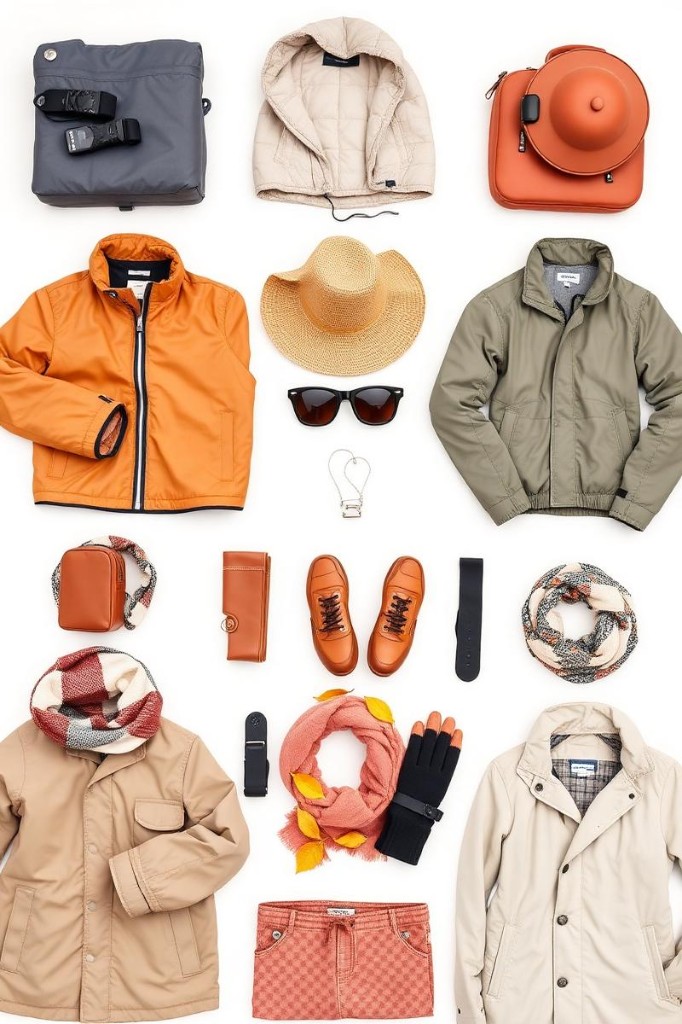
Dry Season (Nov-May): • Breathable walking shoes and sandals • Wide-brimmed hat and sunglasses • Lightweight cotton clothing and fleece for evenings • High-SPF sunscreen and mosquito repellent

Rainy Season (Jun-Oct): • Waterproof shoes and spare footwear • Lightweight, breathable rain gear • Quick-dry clothing • Waterproof bag for camera equipment
Travel clothing and gear by season

💰 Seasonal budget

PeriodSaint-Louis Accommodation (€/night)Local Transport (€/day)Dining (€/day)Guided Activities (€)Traffic
Nov-Feb25-458-1215-2515-30⭐⭐⭐⭐
Mar-May20-356-1012-2012-25⭐⭐⭐
Jun-Oct15-255-810-1510-20

💡 Money-saving tips

Discovery Pass: negotiate a package (guide + transport + meals) for 2-3 days • Accommodation: authentic village camps are cheaper than Saint-Louis hotels • Transport: share pirogue costs with other travelers • Dining: local markets and home-cooked meals • Equipment: rent binoculars and gear on-site

🏥 Health and precautions

Enhanced sun protection (ocean and sand reflection) • Constant hydration with purified water • Effective mosquito repellent for humid areas • First aid kit with antiseptic • Up-to-date vaccinations according to health recommendations • Saint-Louis pharmacy before entering the park

Natural Events

Calendar of remarkable natural phenomena in the Langue de Barbarie National Park

The park offers exceptional seasonal natural spectacles that shape the life of the ecosystem and enrich the visitor experience.

🦢 Great Pelican Migration (December-March)

Massive arrival of white pelicans from Europe for their wintering in the tropics. Exceptional ornithological spectacle with impressive flight formations and collective fishing techniques. Colonies can reach several thousand individuals, creating a unique aerial ballet.

Location: Northern zone of the park, near the river mouth

Special feature: Only wintering site of this scale in West Africa

Climate impact: Optimal visibility during dry, clear weather

Access: Pirogue from Saint-Louis or hiking trail (2h)

Tip: Ornithological guide booking recommended

🐢 Sea Turtle Nesting (November-May)

Nesting of green and loggerhead turtles on the protected beaches of the park. A moving nocturnal phenomenon where females come ashore to lay eggs in the sand, continuing a millennial cycle. Hatching and the return of newborns to the ocean can be observed.

Location: Oceanic beaches, southwest sector

Special feature: Protected nesting site with scientific monitoring

Climate impact: Nocturnal activity favored by mild temperatures

Access: Guided night excursions only

Tip: Registration mandatory, groups limited for species protection

🌸 Mangrove Flowering (June-September)

Spectacular transformation of the mangrove during the rainy season with a floral explosion of mangroves. Trees are adorned with white and red flowers, creating a striking contrast with the intense green of the water-filled foliage. Breeding period for many aquatic species.

Location: Mangrove zone, interior channels

Special feature: Unique ecosystem revealing its hidden beauty

Climate impact: Phenomenon triggered by rainy season showers

Access: Pirogue mandatory, navigation delicate

Tip: Specialized botanical guide essential

Seasonal events

Dry Season: • Palearctic bird migration (Oct-Mar) • Pink flamingo breeding (Jan-Feb) • Estuary fish concentration (Dec-Apr)

Rainy Season: • Heron and egret nesting (Jul-Sep) • Dune vegetation flowering (Aug-Sep) • Formation of new alluvial islands (Sep-Oct)

Year-round: • Exceptional tides (new moons) • Seasonal traditional fishing • Lebou cultural festivals (variable dates)

Responsible Tourism

Preserve this fragile ecosystem by adopting an approach that respects the environment and the local communities living in harmony with the park.

The Langue de Barbarie National Park requires particular vigilance: respecting marked trails to protect nesting, silent wildlife observation, rigorous waste management in this sensitive marine environment, and supporting traditional fishing community initiatives.

🌱 Low-season advantages

Visiting during the rainy season helps reduce tourist pressure on nesting sites, discover the authenticity of seasonal fishing activities, and benefit from solidarity rates with local guides.

♻️ Sustainable travel tips

Transport: prefer traditional pirogues over motorized boats • Accommodation: certified community camps • Food: local fish and regional produce • Waste: zero plastic, carry everything out • Observation: respectful distances from wildlife, binoculars mandatory • Souvenirs: local crafts only

🏙️ Local sustainable initiatives

The park develops participatory ecotourism with village guide training, sea turtle nurseries, mangrove reforestation programs, environmental school awareness, and fair-trade certified sustainable fishing cooperatives.

Our Recommendations

Recommendations for your stay at the Langue de Barbarie National Park

After analyzing optimal climatic conditions, the richness of natural phenomena, and environmental impact, we offer personalized recommendations for an exceptional experience in this natural sanctuary. Our advice integrates wildlife cycles, seasonal variations, and preservation challenges of this unique ecosystem.

🌟 Optimal Period: December to March

Advantages:
• Ideal climatic conditions (18-29°C / 64-84°F)
• Peak migration of pelicans and European birds
• Optimal sea turtle observation
• Excellent visibility for photography
• Maximum comfort for camping and hiking

Key events: Great ornithological migration, turtle nesting, intensive traditional fishing

Disadvantages: Higher tourist traffic, increased Saint-Louis accommodation rates

Ideal profile: Birdwatchers, nature photographers, families, first-time visitors

Stay duration: 3-4 days for a complete discovery

🌤️ Interesting Alternative: October-November

A perfect transition period combining the end of the rainy season and the start of the dry season. Vegetation is still lush, first migratory birds arrive, and weather conditions are stabilized. Excellent compromise between authenticity and comfort.

Specific advantages: Fewer visitors, attractive rates, spectacular nature in transition, guides more available

For whom: Experienced travelers, ecosystem enthusiasts, moderate budgets

👥 Tips for your travel style

Families: Dry season + specialized guides + Saint-Louis accommodation + organized transport

Birdwatchers: Dec-Mar + expert guides + observation equipment + park camping

Photographers: Nov-Apr + golden light + specialized blinds + long stay

Adventurers: Year-round + local guides + adapted equipment + community immersion

Tight budget: Jun-Oct + village camps + local transport + local cuisine

First trip: Dec-Feb + organized tours + comfortable accommodation + French-speaking guides

⚠️ Delicate Periods: June-September

Reasons: Significant rain limiting access, high heat and humidity, reduced visibility for wildlife observation, trails sometimes impassable

Nuances: Exceptional period for botanists and enthusiasts of transforming ecosystems, very attractive rates

Villes du même pays

All cities

Frequently Asked Questions

Answers to essential questions to plan your discovery of the Langue de Barbarie National Park.

What is the best time to watch birds?

The optimal period is from December to March during the wintering of Palearctic species. White pelicans arrive in December, joined by many European species escaping the winter. Dry weather conditions offer perfect visibility and maximum observation comfort. The first hours of the day (6:30 AM - 9:00 AM) and late afternoon (5:00 PM - 7:00 PM) are the most favorable times for bird activity.

How many days should I plan for a full visit?

A stay of 3 to 4 days allows for an in-depth discovery of the park. Day 1: Welcome and nature trails. Day 2: Pirogue excursion and birdwatching. Day 3: Nesting areas and nesting beaches. Optional Day 4: Immersion with fishing communities. Ornithology enthusiasts can extend up to a week to observe all species and behaviors.

What to do in case of rain during the rainy season?

The rainy season offers enriching alternative experiences: visiting the interpretation center, observing the transforming flora, meeting local communities in their traditional activities, and discovering regional crafts. Guides know the natural shelters and the best moments between showers. The lush vegetation and mystical atmosphere more than compensate for the weather constraints.

Which natural phenomena should not be missed?

Three must-see spectacles mark the year: the great pelican migration (December-March) with formations of thousands of birds, the nocturnal sea turtle nesting (November-May) on protected beaches, and the spectacular mangrove flowering (June-September) transforming the mangrove. Each phenomenon requires precise timing and often a specialized guide for optimal, respectful observation.

What budget should I plan according to the season?

In high season (Dec-Mar): 60-80€/day including Saint-Louis accommodation, transport, meals, and guided activities. In shoulder season (Oct-Nov, Apr-May): 45-60€/day with moderate rates. In low season (Jun-Sep): 35-50€/day, ideal for tight budgets. These rates include a local guide, pirogue transport, and standard accommodation. Camping in the park significantly reduces costs.