When to visit Île de Gorée? City-Trip Guide

Discover this iconic historical island of Senegal where tropical climate and world heritage combine for a unique experience.

  • 1,056 inhabitants population
  • French, Wolof language
  • 45 days rainy days/year
  • November to May best time to visit
  • 1 to 2 days recommended stay

Climate of Île de Gorée

Understanding the Sahelian tropical climate of Île de Gorée

Île de Gorée enjoys a Sahelian tropical climate influenced by the Atlantic Ocean. This island location moderates temperatures and provides a refreshing sea breeze, creating ideal conditions for visiting this UNESCO-listed historical site.

  • Atlantic coastal zone: Constant sea breeze that tempers the heat and provides freshness
  • Sahelian influence: Marked alternation between dry and rainy seasons
  • Island microclimate: Milder temperatures than on the mainland due to the ocean's regulating effect
MonthMin Temp (°C / °F)Max Temp (°C / °F)Precipitation (mm)Sunshine (h/day)Tourist TrafficRecommended Activities
January18°C / 64°F26°C / 79°F28⭐⭐⭐⭐Historical tour, photography
February18°C / 64°F27°C / 81°F28⭐⭐⭐⭐⭐Exploration, relaxation
March19°C / 66°F28°C / 82°F19⭐⭐⭐⭐⭐Hiking, culture
April20°C / 68°F28°C / 82°F09⭐⭐⭐⭐Museum visits, walks
May22°C / 72°F29°C / 84°F39⭐⭐⭐Heritage discovery
June24°C / 75°F31°C / 88°F258⭐⭐Morning visit
July25°C / 77°F30°C / 86°F856⭐⭐Museums, indoor sites
August25°C / 77°F30°C / 86°F1206⭐⭐Heritage, indoor
September25°C / 77°F31°C / 88°F957⭐⭐Culture, history
October24°C / 75°F32°C / 90°F358⭐⭐⭐Exploration, photography
November21°C / 70°F30°C / 86°F58⭐⭐⭐⭐Full tour
December19°C / 66°F27°C / 81°F28⭐⭐⭐⭐Relaxation, discovery

As the island is relatively flat with a maximum altitude of 36 meters / 118 feet, climatic variations are mainly linked to exposure to sea winds and geographical position rather than altitude.

The Seasons

Sites by Weather

Optimize your visit to Île de Gorée by adapting your route to weather conditions to fully enjoy this exceptional historical heritage.

☔ In cloudy/rainy weather

Protected and indoor sites

Take advantage of indoor spaces to discover the island's poignant history during tropical showers.

Recommended sites:
🏛️ House of Slaves - 1h30 - €3 - Open all year
🎨 Historical Museum - 1h - €2 - Permanent collections
⛪ Saint-Charles Borromée Church - 30min - Free - Colonial architecture
🏛️ Sea Museum - 45min - €2 - Maritime history
🏠 Colonial houses with covered galleries - 2h - Free - Typical architecture

Practical tip: Book your guided tours in advance, groups are limited in the House of Slaves

Additional tip: Link nearby museums to minimize travel in the rain

☀️ In good weather

Optimal outdoor exploration

Take advantage of the sun to discover the exceptional panoramas and colorful architecture of the island.

Recommended sites:
🏰 Fort d'Estrées and its ramparts - 1h - Free - Panoramic view
🌅 Southern tip of the island - 45min - Free - Sunset
🏘️ Colorful cobblestone alleys - 2h - Free - Colonial architecture
🌊 Beaches and coves - 1h - Free - Swimming possible
📸 Views over Dakar - 30min - Free - Photography

Best time: Late afternoon for golden hour and spectacular sunsets over the Atlantic

Seasonal tip: Avoid the hottest hours (12pm-3pm) between May and October

🌤️ Versatile for all weather

Adaptable sites

These places offer indoor and outdoor options depending on conditions.

Recommended sites:
🎭 Cultural center with covered terrace
🍽️ Restaurants with sheltered terraces
🛍️ Local craft shops with courtyards

Weather tip: Start outdoors if the weather is uncertain, retreat indoors if necessary

Example itinerary: Morning outdoors (Fort), covered lunch, afternoon museums if raining or continue exploration if sunny

💰 Free and budget-friendly

Discovery at no cost

Free sites:
🚶 Walk through historical alleys
🌊 Access to beaches and viewpoints
⛪ Visit the church (exterior)
🏰 Explore the fort ramparts

Budget tips: The round-trip ferry from Dakar costs about €5, plan for this main transport budget

Practical Guide

Prepare your getaway to Île de Gorée with our practical tips adapted to the climatic and logistical specifics of this unique historical island destination in Senegal.

👕 Seasonal packing

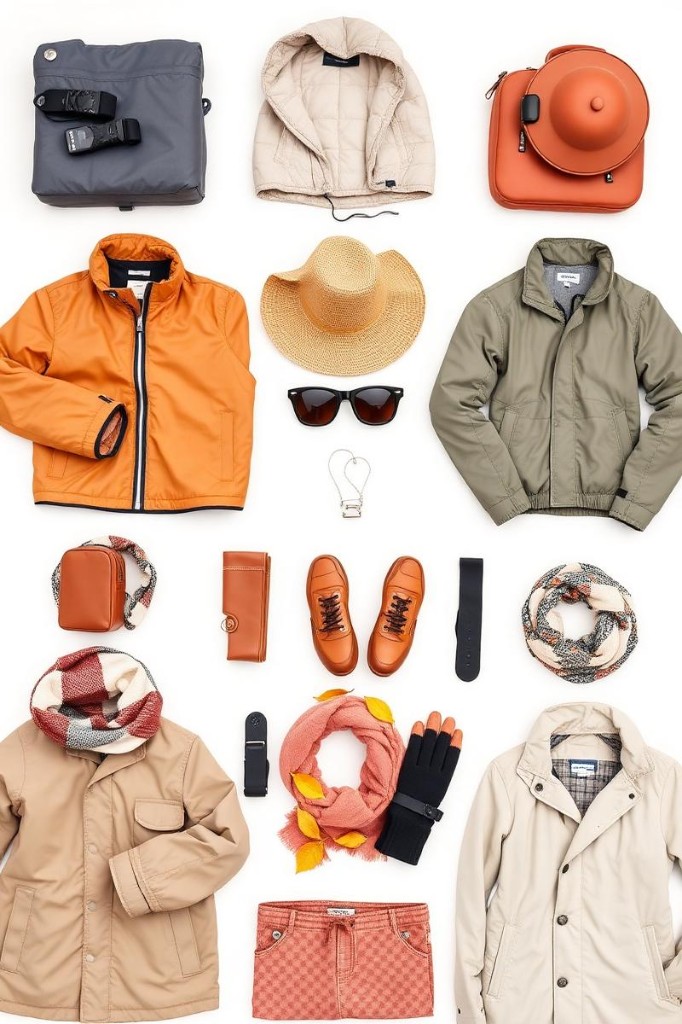
Dry season (Nov-May): • Comfortable walking shoes for cobblestones • Hat and sunglasses • Lightweight cotton clothing • Light jacket for the sea breeze

Rainy season (Jun-Oct): • Non-slip shoes • Compact raincoat • Quick-dry clothing • Waterproof bag for electronic devices
Travel clothing and gear by season

💰 Seasonal budget

PeriodFerry R/T (€)Dining (€/meal)Museums (€)Guide (€/group)Traffic
Nov-Feb515-252-320-30⭐⭐⭐⭐
Mar-May515-252-320-30⭐⭐⭐⭐⭐
Jun-Oct512-202-315-25⭐⭐

💡 Money-saving tips

• Ferry included in some organized tours from Dakar • Local restaurants are cheaper than tourist establishments • Independent visits possible without a mandatory guide • Bring cash, few ATMs on the island • Negotiation possible for private guides in the low season

🏥 Health and precautions

• Enhanced sun protection (ocean reflection) • Stay hydrated in high heat • Watch out for slippery cobblestones in wet weather • Closed shoes recommended for walking • Bring a basic first-aid kit, services are limited on the island

Cultural Events

Calendar of must-see events on Île de Gorée

Île de Gorée hosts several major cultural events that enrich the visitor experience and celebrate its exceptional historical heritage.

Gorée Festival (December)

A major cultural event celebrating memory and reconciliation through concerts, exhibitions, and conferences. The island transforms into a living cultural stage with international artists.

Location: Throughout the island, multiple stages

Special feature: Unique blend of music, history, and spirituality

Impact: High attendance, ferry and accommodation bookings in Dakar are essential, exceptional atmosphere

Access: Reinforced ferry service from Dakar, late return options

Tip: Book accommodation in Dakar 2 months in advance

International Day of Remembrance of the Victims of Slavery (March 25)

A solemn commemoration and official ceremonies attended by international dignitaries. A moment of reflection on the history of the slave trade.

Location: House of Slaves and memorial sites

Special feature: International dimension and official protocol

Impact: Limited access to some sites, public ceremonies, strong emotional atmosphere

Access: Increased security checks, early arrival recommended

Tip: Respect the solemn nature of the event, appropriate attire required

Biennale of Contemporary African Art (even years, May)

A contemporary art exhibition transforming the island into an open-air gallery. African and diaspora artists exhibit in historical venues, creating a dialogue between past and present.

Location: Museums, colonial houses, public spaces

Special feature: Contemporary art in a unique historical setting

Impact: International cultural attendance, exhibition openings, artist meet-and-greets

Access: Combined exhibition-ferry tickets available

Tip: Plan for a full day, many works to discover

Seasonal events

Dry season (Nov-May): • Traditional music concerts (weekends) • Temporary exhibitions (museums) • Local craft workshops (school holidays)

Rainy season (Jun-Oct): • Artist residencies (July-August) • Historical conferences (indoor) • Documentary film festivals (September)

Responsible Tourism

Île de Gorée, a World Heritage site, requires a respectful approach to preserve its historical integrity and support the local island community.

Responsible tourism in Gorée involves respecting the sacred nature of memorial sites, supporting the limited local economy, and preserving this fragile heritage for future generations.

🌱 Low-season advantages

Visiting in the rainy season reduces tourist pressure, allows for a more contemplative experience of memorial sites, and supports the local economy during less busy periods.

♻️ Sustainable travel tips

• Respect silence in memorial sites • Buy local crafts rather than imported souvenirs • Use certified local guide services • Avoid single-use plastics • Respect the tranquility of residents • Follow marked trails to protect sites

🏙️ Local sustainable initiatives

The island is developing sustainable initiatives: strengthened waste management, training for local guides, preservation of architectural heritage, promotion of traditional crafts, and visitor awareness regarding history.

Our Recommendations

Recommendations for your visit to Île de Gorée

After analyzing climatic conditions, tourist traffic, and cultural events, here are our personalized tips to optimize your discovery of this major historical site. The period chosen greatly influences the quality of the experience, between climatic comfort, availability of services, and the general atmosphere of the island.

🌟 Optimal period: December to March

Recommended months: December, January, February, March

Advantages:
• Ideal weather conditions (18-28°C / 64-82°F)
• Almost zero precipitation
• Perfect lighting for photography
• Refreshing sea breeze
• All sites accessible without constraints

Key events: Gorée Festival (December), Commemoration Day (March)

Disadvantages: Higher tourist traffic, slightly higher rates

Ideal profile: First visit, families, photographers, cultural travelers

Stay duration: 1 to 2 days recommended

🌤️ Interesting alternative: November and April-May

Alternative months: November, April, May

Description: Excellent compromise between favorable weather conditions and moderate attendance, with more affordable rates than in high season.

Specific advantages: Fewer tourists, attractive prices, still very pleasant climate, lush vegetation in November

For whom: Flexible travelers, moderate budgets, lovers of authenticity

👥 Tips for your travel style

Family: December-March, morning ferry, guided tour, plan for 1 day
Budget: November or May, local lunch, independent visit, avoid weekends
Culture: March (commemoration) or December (festival), specialized guide, 2 days
Romantic: February-March, sunset, restaurant with a view, night in Dakar
Weekend: Avoid December (crowds), prefer January-February
First trip: January-February, ideal weather, French-speaking guide, base in Dakar

⚠️ Periods to avoid: July-September

Months not recommended: July, August, September

Reasons: Significant precipitation, high humidity, risks of ferry cancellations, less comfortable conditions for visiting

Nuances: Acceptable for travelers experienced in tropical climates and tight budgets

Villes du même pays

All cities

Frequently Asked Questions

Answers to essential questions to plan your visit to Île de Gorée based on climatic conditions and logistical specifics.

What is the best month to visit Île de Gorée?

January and February offer optimal conditions with pleasant temperatures (18-27°C / 64-81°F), no precipitation, and excellent visibility. The sea breeze tempers the heat and crowds remain manageable. March is also excellent but coincides with the day of commemoration (March 25), which may limit access to some sites. Avoid July-September due to heavy rains.

How many days should I plan for Île de Gorée?

One day is sufficient for a complete visit of the main sites (House of Slaves, museums, fort, historical alleys). History enthusiasts may want to plan for 2 days to delve deeper with specialized guides and time for contemplation. As the island is small (0.028 km² / 0.011 sq mi), everything is walkable. Plan for ferry transport from Dakar (20 minutes).

What to do on Île de Gorée in case of rain?

Indoor museums offer excellent alternatives: House of Slaves (must-see), Historical Museum, Sea Museum. The Saint-Charles Borromée Church and the covered galleries of colonial houses allow you to continue your discovery. Restaurants with covered terraces offer pleasant breaks. Most major historical sites are accessible even in rainy weather.

Which events should not be missed on Île de Gorée?

The Gorée Festival in December transforms the island into an exceptional cultural stage with concerts and exhibitions. The Commemoration Day on March 25 offers a unique solemn experience with official ceremonies. The Biennale of Contemporary Art (even years, May) creates a fascinating dialogue between historical heritage and modern creation. Reservations are essential for these periods.

What budget should I plan for depending on the season?

Daily budget dry season (Nov-May): Ferry €5, dining €15-25, museums €6-9, optional guide €20-30, totaling €50-70/person. Rainy season (Jun-Oct): 15-20% cheaper on dining and guides. Accommodation in Dakar: €40-80/night depending on the season. Bring cash, as ATMs are limited on the island. Festivals (December/March): 30-50% surcharge on Dakar accommodation.