When to visit Gaborone? City Trip Guide

The modern capital of Botswana, Gaborone reveals its urban charms according to the seasons, between a semi-arid climate and contrasting atmospheres.

  • 0.25 M population
  • English, Setswana language
  • 45 days rainy days/year
  • May to September best time to visit
  • 2 to 4 days recommended stay

Climate and weather in Gaborone

Understanding Gaborone's subtropical semi-arid climate

Gaborone enjoys a subtropical semi-arid climate characterized by dry, sunny winters and warm summers with rainfall. The altitude of 1,000 meters / 3,281 feet moderates urban temperatures, creating a more pleasant environment than in many other African capitals.

The Gaborone region features a homogeneous climate with slight variations depending on urban districts and proximity to green spaces, which help mitigate the urban heat island effect.

MonthMin Temp. (°C / °F)Max Temp. (°C / °F)Precipitation (mm / in)Sunshine (h/day)Tourist TrafficRecommended Activities
January19°C / 66°F32°C / 90°F89mm / 3.5in8⭐⭐Museums, shopping malls
February19°C / 66°F31°C / 88°F78mm / 3.1in8⭐⭐Art galleries, indoor activities
March17°C / 63°F30°C / 86°F65mm / 2.6in8⭐⭐⭐Urban parks, terraces
April13°C / 55°F28°C / 82°F25mm / 1.0in9⭐⭐⭐⭐Outdoor tours
May8°C / 46°F25°C / 77°F8mm / 0.3in9⭐⭐⭐⭐⭐Urban exploration
June5°C / 41°F23°C / 73°F2mm / 0.1in9⭐⭐⭐⭐⭐Markets, walking tours
July5°C / 41°F23°C / 73°F1mm / 0.04in9⭐⭐⭐⭐⭐Festivals, events
August8°C / 46°F26°C / 79°F2mm / 0.1in9⭐⭐⭐⭐⭐Urban photography
September13°C / 55°F30°C / 86°F6mm / 0.2in9⭐⭐⭐⭐Rooftops, terraces
October17°C / 63°F33°C / 91°F18mm / 0.7in9⭐⭐⭐Parks, green spaces
November18°C / 64°F33°C / 91°F34mm / 1.3in8⭐⭐Cultural centers
December19°C / 66°F32°C / 90°F68mm / 2.7in8⭐⭐Shopping, indoor activities

The high altitude of the capital (1,000m / 3,281ft) significantly tempers temperatures, which is particularly beneficial during the hot season when maximums remain bearable.

The Seasons

Attractions by Weather

Gaborone offers attractions adapted to every weather condition, allowing you to optimize your urban stay regardless of the season of your visit.

☔ In cloudy/rainy weather

Indoor & protected

Rainy days reveal the cultural and modern Gaborone through its air-conditioned indoor spaces perfectly adapted to the tropical climate.

Recommended sites:
🏛️ Botswana National Museum (2h, 20 BWP, year-round)
🛍️ Game City Mall (3h, free, modern shopping)
🎨 Thapong Visual Arts Centre (1h30, 15 BWP, local art)
📚 National Library (1h, free, modern architecture)
🎭 Maitisong Festival Theatre (2h, 50-200 BWP, shows)
🏢 Riverwalk Shopping Centre (2h, free, restaurants)
🎪 Botswanacraft Marketing (1h, free, local crafts)

Practical tip: Book shows online; avoid weekends for fewer crowds

Additional tip: Combine museums and nearby shopping malls for a logical covered route

☀️ In good weather

Optimal outdoor

The Botswana sun reveals all the beauty of the urban outdoor spaces and the modern architecture of the capital.

Recommended sites:
🏛️ National Assembly (1h, free, iconic architecture)
🌳 Gaborone Game Reserve (3h, 80 BWP, urban nature)
🏛️ Three Dikgosi Monument (30min, free, national symbols)
🌊 Gaborone Dam (2h, free, panoramas and relaxation)
🏪 Main Mall pedestrian area (2h, free, local shopping)
🌿 Independence Gardens (1h, free, green spaces)
📸 National Stadium surroundings (45min, free, architecture)

Best time of day: Sunrise at the dam (6 AM), sunset from urban hills (6 PM) for photographic golden hour

Seasonal tip: Favor May-September; avoid 11 AM-3 PM in summer due to heat

🌤️ Versatile for any weather

Flexible

These sites combine covered and open spaces to adapt instantly to tropical weather changes.

Recommended sites:
🏨 Grand Palm Resort complex (half-day, restaurants and spaces)
🏛️ Reconstructed traditional village (2h, covered areas)
🍽️ Bull & Bush Restaurant with covered terrace (2h, adaptive dining)
🎯 Cultural centers with indoor gardens (1h30, total flexibility)

Weather trick: Start outdoors in the morning, retreat indoors if necessary in the afternoon

Itinerary example: Morning garden-terrace, covered lunch, afternoon museum if rainy or park if sunny

💰 Free or economical

No cost

Free sites:
🏛️ Three Dikgosi Monument and surroundings
🌳 Independence Gardens and green spaces
🚶 Main Mall pedestrian area and city center
📸 Natural urban viewpoints
🌊 Gaborone Dam (free access to public areas)

Free days: Some museums offer free slots on Sunday mornings

Budget tips: Free urban panoramas from hills, authentic local markets, residential districts for architecture

Practical Guide

Prepare for your city trip to Gaborone with our recommendations adapted to the climatic specifics of this modern African capital, between tropical heat and the dry season.

👕 Seasonal packing

Dry Winter (May-September): • Comfortable walking shoes • Light jacket for cool mornings • Hat and sunglasses • Ventilated backpack

Humid Summer (December-March): • Non-slip waterproof shoes • Compact rain jacket • Travel umbrella • Breathable, moisture-wicking clothing

Shoulder Seasons: • Modular layers for warm-cold shifts • Enhanced sun protection • Waterproof bag for electronics • Quick-dry clothing
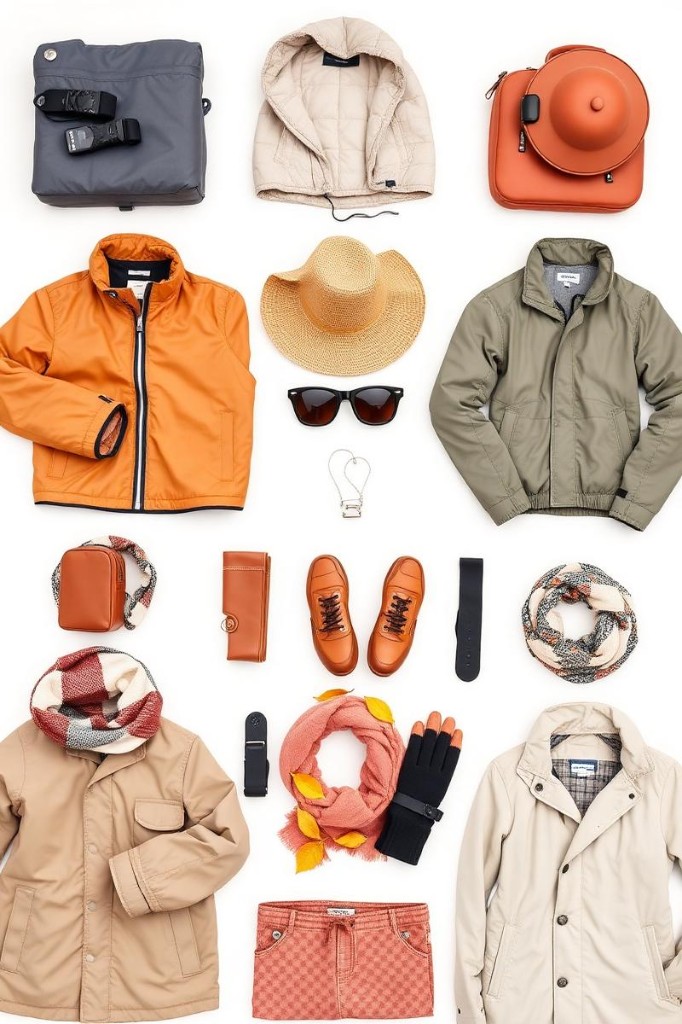
Travel clothing and gear by season

💰 Seasonal budget

PeriodCentral Accommodation (€/night)Transport (€/day)Restaurants (€/day)Attractions (€)Traffic
Dry Winter (May-Sep)80-15015-2525-4510-30⭐⭐⭐⭐⭐
Humid Summer (Dec-Mar)50-10010-2020-358-25⭐⭐
Shoulder Seasons (Apr, Oct-Nov)60-12012-2222-4010-28⭐⭐⭐

💡 Money-saving tips

City pass: Negotiate bundled museum-restaurant packages at hotels • Restaurants: Local lunches are 3x cheaper than tourist dinners • Accommodation: Residential districts are 40% cheaper than the center • Transport: Local combis (minibuses) are very economical compared to taxis • Free: Many heritage sites and parks have no entrance fees

🏥 Health and precautions

Intense sun: Use enhanced UV protection year-round due to high altitude • Hydration: 3L / 100oz minimum per day in the dry climate; bottled water recommended • Urban walking: Long distances between sites; plan for shaded breaks • Air conditioning: Significant temperature differences between indoors and outdoors • Pharmacies: Several are open 24/7 in shopping malls

Urban Events

Gaborone's essential events calendar

Gaborone's cultural events set the pace for urban life and transform the atmosphere of the capital, creating unique moments to discover Botswana's culture.

🎭 Maitisong Festival (March-April)

Botswana's major arts festival transforms Gaborone into an international cultural stage featuring theater, dance, music, and visual arts. The urban atmosphere becomes festive with street performances and temporary art installations throughout the city.

Location: Maitisong Festival Theatre and multiple urban sites

Special feature: The country's only international performing arts festival

Climate impact: Ideal post-rainy season period; high attendance requires booking accommodation and shows in advance

Transport access: Special shuttles from the city center, expanded parking

Planning tip: Book accommodation 2 months in advance, show tickets starting in January

🇧🇼 Independence Day (September 30)

The national celebration turns Gaborone into a festive capital with military parades, cultural shows, and popular festivities. A patriotic atmosphere fills the streets with national decorations and free entertainment in every neighborhood.

Location: National Stadium and city center

Special feature: The largest national celebration with massive citizen participation

Climate impact: Ideal end of the dry season; significant influx of domestic visitors, hotels often fully booked

Transport access: Enhanced public transport, city center traffic disruptions

Planning tip: Accommodation booking is mandatory 1 month in advance

🎵 Gaborone International Music Festival (July)

This music festival enlivens the capital during the best climatic period with international and local concerts. The nightlife becomes exceptional with multiple stages and entertainment until dawn in a climate perfect for outdoor festivities.

Location: Gaborone International Convention Centre and outdoor sites

Special feature: A mix of contemporary African and international music

Climate impact: Dry winter perfect for outdoor concerts; peak tourist season

Transport access: Shuttles from main hotels, increased night taxi availability

Planning tip: Festival passes are cost-effective; book accommodation starting in May

Seasonal events

Dry Winter (May-September): • President's Day Charity Golf (July, urban courses) • Heritage Day celebrations (September) • Weekend craft festivals

Humid Summer (December-March): • New Year city center festivities (December) • Street Carnival (February) • Easter markets (March/April)

Shoulder Seasons: • Intimate jazz festivals (April, October) • Temporary museum exhibitions • Seasonal farmers' markets. Note that local public holidays may close government offices and some tourist sites.

Responsible City Trip

Adopting a responsible urban tourism approach in Gaborone contributes to the sustainable development of this growing African capital while reducing the environmental impact of your stay.

Gaborone is developing eco-urban initiatives that visitors can support: prioritize local public transport, eat in family-owned restaurants rather than international chains, respect limited urban green spaces, support authentic local crafts, and reduce plastic consumption in the hot climate that requires constant hydration.

🌱 Low-season advantages

Visiting during the humid summer reduces tourist pressure on limited infrastructure, allows for an authentic experience of the local pace of life, supports the economy during the off-season, and lowers your carbon footprint through more attractive flight rates.

♻️ Sustainable travel tips

Local transport: Shared combis and walking vs. individual taxis • Local restaurants: Family canteens in residential districts vs. international hotels • Accommodation: Certified local guesthouses vs. large chains • Water: Reusable bottles, avoid multiple plastic bottles • Crafts: Direct purchases from producers vs. tourist intermediaries • Waste: Selective sorting in modern shopping malls

🏙️ Local sustainable initiatives

Gaborone is developing urban green spaces, recycling systems in shopping malls, promotion of traditional crafts via local cooperatives, emerging electric public transport, weekly organic markets, and ecotourism certifications for family-run accommodations that support a sustainable local economy.

Our Recommendations

Recommendations for your city trip to Gaborone

After analyzing climatic data, tourist traffic, and cultural events, our recommendations optimize your stay based on your priorities. Gaborone's semi-arid climate offers an ideal window during the southern winter (May-September) with perfect temperatures and clear skies, while the humid summer offers attractive rates despite the heat and occasional rain.

🌟 Optimal Period: May to September

Recommended months: May, June, July, August, September

Advantages:
• Perfect climate 5-26°C / 41-79°F, ideal for a city trip
• Clear skies, optimal for urban photography
• Dry season with no rain constraints
• Major festivals and cultural events
• Very pleasant terraces and rooftops
• Intense urban nightlife

Key events: Gaborone International Music Festival (July), Independence Day (September), craft festivals

Disadvantages: High tourist traffic, high accommodation prices

Ideal profile: All travelers, especially photography and festival enthusiasts

Stay duration: 3-4 days recommended

🌿 Interesting Alternative: April and October

Alternative months: April, October

Description: Transition periods offering an excellent climate-price-crowd compromise with pleasant temperatures and fewer tourist constraints than the high season.

Specific advantages: 50% fewer tourists than in high season, moderate accommodation prices, still very favorable climate, restaurant availability without reservations

For whom: Flexible travelers, intermediate budgets, lovers of urban tranquility

👥 Tips for your travel style

Family: Safe residential neighborhoods + urban parks + May-September + private transport + family lodges

Budget: Local guesthouses + combi transport + January-March + neighborhood restaurants + free sites

Culture: City center + museums + April or September + walking + heritage hotels

Romantic: Riverwalk + terraces + June-August + taxis + boutique hotels

Weekend: Compact center + major sites + any season except rainy periods + walking + central hotels

First trip: Central district + must-see sites + May-September + local guide + international hotels

⚠️ Periods to avoid: December-February

Months not recommended: December, January, February

Reasons: Uncomfortable humid heat for a city trip, tropical rains disrupting urban travel, outdoor activities limited to mornings, general discomfort for urban walking

Nuances: Acceptable for very tight-budget travelers or those who enjoy air-conditioned shopping malls

Villes du même pays

All cities

Frequently Asked Questions

Answers to essential questions for planning your city trip to Gaborone based on climate and specific African urban characteristics.

What is the best month to visit Gaborone?

June to August offer optimal conditions with ideal temperatures of 5-26°C / 41-79°F, clear skies, and a dynamic urban atmosphere. May and September are excellent alternatives with fewer crowds. Avoid December-February due to uncomfortable humid heat. The southern winter guarantees maximum comfort for walking tours and terrace dining.

How many days should I plan for Gaborone?

2-3 days minimum, 4 days is ideal for a complete city trip. Day 1: city center and heritage sites, Day 2: museums and modern districts, Day 3: urban nature and shopping, Day 4: peripheral excursions. A moderate pace is recommended for the African climate. A weekend is sufficient for an overview, while a week allows for a relaxed approach with excursions.

What to do in Gaborone when it rains?

Air-conditioned shopping malls are excellent refuges: Game City Mall, Riverwalk. The National Museum is a must-see, along with Thapong art galleries and the modern architecture of the National Library. International hotel restaurants, urban spas, and multiplex cinemas are also available. Check the Maitisong Theatre schedule for performances. Botswanacraft Marketing is also a great covered option for local crafts.

Which events should not be missed in Gaborone?

Maitisong Festival (March-April) for international performing arts, Independence Day (September 30) for a unique patriotic atmosphere, and the Gaborone International Music Festival (July) for concerts in perfect weather. Also consider Heritage Day in September, weekend craft markets, and shoulder-season jazz festivals. Check the cultural calendar based on your travel dates to optimize your experience.

What budget should I plan for based on the season?

High season (May-September): 150-250€ / $160-$270 per day for a couple (central accommodation, restaurants, attractions). Low season (December-March): 80-150€ / $85-$160 per day with significant accommodation discounts. Shoulder seasons: 100-200€ / $105-$215 per day for an optimal balance. Include transport (15-25€ / $16-$27 per day), meals (20-45€ / $21-$48 per person), sites (10-30€ / $11-$32), and craft shopping. Negotiate hotel packages that include breakfast and transfers.