When to visit Maun? Safari Guide

Discover the best times to explore Maun, the gateway to the Okavango Delta and the world's safari capital.

  • 65,000 population
  • English, Setswana language
  • 45 rainy days/year
  • from May to September best time to visit
  • 3 to 7 days recommended stay

Climate and weather in Maun

Understanding Maun's semi-arid climate

Maun enjoys a subtropical semi-arid climate characterized by two distinct seasons. Its unique geographical position, at the gateway to the Okavango Delta, influences its weather conditions with significant variations between the dry and rainy seasons.

MonthMin Temp (°C / °F)Max Temp (°C / °F)Precipitation (mm / in)Sunshine (h/day)Tourist TrafficRecommended Activities
January20°C / 68°F32°C / 90°F89mm / 3.5in8⭐⭐Bird watching, green landscapes
February20°C / 68°F32°C / 90°F73mm / 2.9in8⭐⭐Photography, morning safaris
March18°C / 64°F31°C / 88°F61mm / 2.4in8⭐⭐⭐Transition, start of safaris
April14°C / 57°F29°C / 84°F18mm / 0.7in9⭐⭐⭐Safaris, pleasant temperatures
May9°C / 48°F27°C / 81°F3mm / 0.1in9⭐⭐⭐⭐Premium safaris, clear skies
June5°C / 41°F24°C / 75°F1mm / 0.04in9⭐⭐⭐⭐⭐Optimal safaris, cool weather
July5°C / 41°F24°C / 75°F0mm / 0in9⭐⭐⭐⭐⭐Peak safaris, concentrated wildlife
August8°C / 46°F27°C / 81°F1mm / 0.04in10⭐⭐⭐⭐⭐Perfect conditions
September13°C / 55°F31°C / 88°F2mm / 0.08in10⭐⭐⭐⭐Final optimal safaris
October18°C / 64°F34°C / 93°F13mm / 0.5in10⭐⭐⭐Intense heat, morning activities
November20°C / 68°F34°C / 93°F36mm / 1.4in9⭐⭐First rains, thunderstorms
December20°C / 68°F33°C / 91°F65mm / 2.6in8⭐⭐Green season, fewer animals

The seasons in Maun

Activities by weather

Optimize your stay in Maun by choosing the right activities according to weather conditions for an unforgettable safari experience.

☀️ Dry and sunny weather

Optimal Safaris

The dry season offers the best conditions for wildlife viewing with exceptional visibility.

Main activities:
🦁 Big Five land safaris (3-4h) - 80-150€
🚁 Okavango Delta fly-overs (1h) - 200-400€
🛶 Traditional mokoro excursions (2-6h) - 40-80€
📸 Specialized photography safaris (day) - 120-250€
🌅 Sunrise/sunset game drives (3h) - 60-120€
🐘 Guided walking safaris (2-3h) - 50-100€
🦅 Chief's Island bird watching (day) - 150-300€

Practical advice: Bookings essential 3-6 months in advance for premium lodges

Additional tip: Combine morning fly-overs and afternoon land safaris for a complete experience

🌧️ Rainy season

Alternative Experiences

The wet season reveals a different Botswana with unique viewing opportunities and attractive rates.

Adapted activities:
🦜 Specialized ornithology (half-day) - 40-80€
📷 Green landscape photography (day) - 60-120€
🌿 Cultural village visits (3-4h) - 30-60€
🏛️ Discovering Maun and local markets (2-3h) - 20-40€
🛶 Mokoro in high waters (4-6h) - 50-100€

Best time of day: Mornings 6am-10am before afternoon thunderstorms

Seasonal advice: January-March optimal for migratory birds, avoid December (intense rains)

🌤️ Transition periods

Optimal Balance

March-April and October-November offer an interesting compromise between weather conditions and tourist traffic.

Versatile activities:
🦁 Short morning safaris (2-3h)
🏨 Rest time in luxury lodges
🌅 Preferred sunrise/sunset activities

Weather tip: Plan main activities for the morning, rest in the afternoon

Itinerary example: 6am safari - 10am return to lodge - 4pm mokoro - 6pm sundowner

💰 Budget options

Affordable Experiences

Budget activities:
🚶 Guided Maun walks (free with local guide)
🏪 Craft markets and souvenirs
🌅 Public sunset viewpoints

Advantageous days: Reduced rates in the rainy season (-30 to 50%)

Budget tips: Public camping, 4x4 self-drive, shared groups for fly-overs

Practical guide

Prepare for your trip to Maun with our practical tips adapted to the specifics of the semi-arid climate and the requirements of safaris in the Okavango Delta.

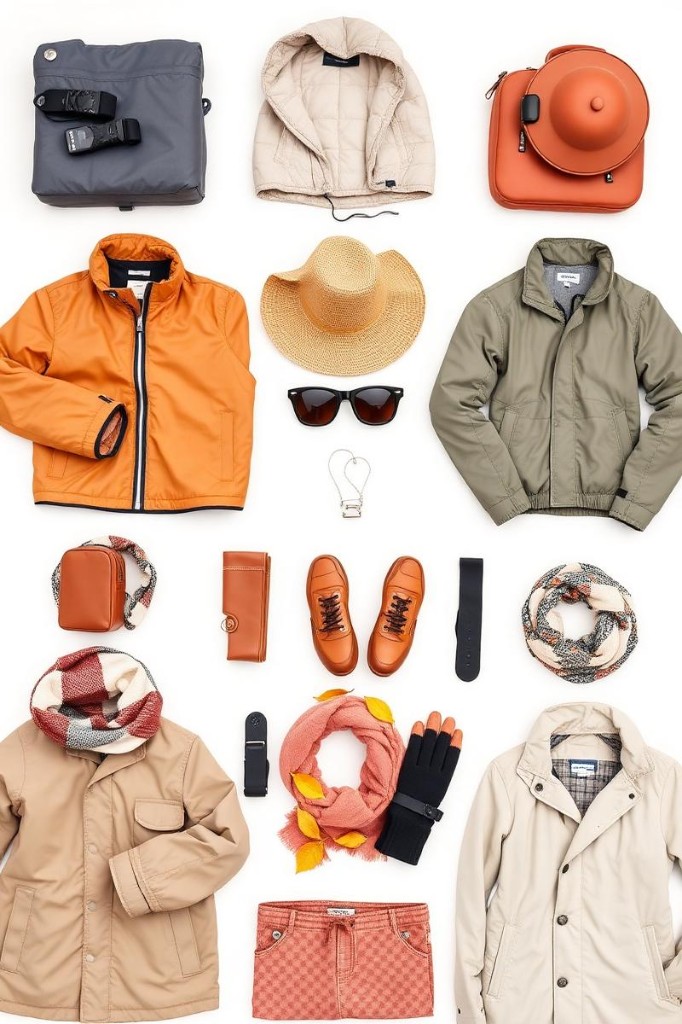
👕 Seasonal packing

Dry season (May-October): • Warm clothing for cool mornings (0-10°C / 32-50°F) • Layered clothing for thermal variations • Dust-proof closed shoes • Hat and sunglasses mandatory • High-protection sunscreen

Rainy season (Nov-April): • Lightweight breathable clothing • Compact raincoat • Waterproof shoes or sandals • Strong mosquito repellent • Waterproof bags for camera gear
Travel clothing and gear by season

💰 Seasonal budget

PeriodLuxury Lodge (€/night)4x4 Transport (€/day)Meals (€/day)Activities (€)Traffic
High season (June-Sept)800-2000120-20080-150200-500⭐⭐⭐⭐⭐
Shoulder season (April-May, Oct)500-120080-15060-120150-350⭐⭐⭐⭐
Low season (Nov-March)300-80060-12040-80100-250⭐⭐

💡 Money-saving tips

• Book all-inclusive packages for better value • Travel in the low season for substantial savings (-50%) • Prioritize public camping and self-drive for tight budgets • Share flights and transfers with other travelers • Avoid last-minute supplements by booking in advance

🏥 Health and precautions

• Malaria protection mandatory (consult travel doctor) • Yellow fever vaccination recommended • Enhanced hydration for dry climate • Maximum sun protection • Complete first-aid kit • Medical evacuation insurance essential for remote areas

Events and festivals

Cultural calendar and natural events in Maun

Maun vibrates to the rhythm of natural and cultural cycles that enrich the safari experience with an authentically Botswanan dimension.

Silhouette of a lush tree standing out beautifully against a colorful sunset sky in Africa. by Marc on Unsplash

🌊 Annual Delta Flood (May-September)

An exceptional natural phenomenon transforming the landscape with the arrival of waters from Angola. A unique spectacle of aquatic rebirth creating a labyrinth of channels and lush islands in the Kalahari Desert.

Location: Okavango Delta, accessible from Maun

Special feature: Paradoxical flood during the dry season, a rare geographical phenomenon

Climate impact: Maximum wildlife concentration, optimal safari conditions, peak tourist traffic

Transport access: Charter flights from Maun, traditional mokoro, specialized 4x4s

Booking advice: Book lodges 6-12 months in advance, premium rates during this period

🦓 Great Zebra Migration (November-April)

A spectacular migration of thousands of zebras between Botswana and Namibia. The second largest African migration, offering dramatic scenes of river crossings and massive gatherings.

Location: Makgadikgadi National Park, 2 hours by road from Maun

Special feature: A less known but equally impressive migration compared to the Serengeti

Climate impact: Rain-dependent, timing varies according to annual precipitation

Transport access: 4x4 safari from Maun, specialized mobile camps

Booking advice: Flexibility in dates required, monitor weather for optimal timing

🎭 Maun Festival (August)

An annual cultural celebration blending Tswana traditions with contemporary culture. An artistic showcase featuring music, dance, local crafts, and traditional gastronomy in the warm atmosphere of the safari capital.

Location: Maun city center, multiple cultural sites

Special feature: Unique fusion of ancestral heritage and Botswanan modernity

Climate impact: Ideal dry period, outdoor events, pleasant cool nights

Transport access: Walking distance from city center accommodations

Booking advice: Maun accommodations fill up quickly, book peripheral lodge alternatives

Seasonal events

Dry season: • Big Five peak viewing (June-September) • Local cultural festivals (July-August) • Traditional mokoro competitions (September)

Rainy season: • Avian migration explosion (December-February) • Animal births (January-March) • Community harvest festivals (April) • Traditional rain ceremonies (November)

Responsible tourism

Traveling to Maun in a responsible and sustainable way contributes to the preservation of the fragile Okavango Delta ecosystem and the development of local communities.

Responsible tourism in Maun prioritizes certified operators respecting the environment, supports the local Tswana economy, minimizes impact on wildlife, and actively participates in Okavango Delta conservation programs, a UNESCO World Heritage site.

🌱 Low-season advantages

Traveling in the rainy season reduces tourist pressure on fragile ecosystems, allows for a more authentic experience with local communities, and contributes to spreading tourism income throughout the year.

♻️ Sustainable travel tips

• Choose eco-certified lodges with conservation programs • Prioritize local guides and community operators • Respect safety distances from wildlife • Limit plastic waste and packaging • Support authentic local crafts • Save precious water in the semi-arid region

🏙️ Local sustainable initiatives

Maun is developing innovative community programs: conservancies managed by local villages, training guides from local communities, participatory anti-poaching projects, authentic village ecotourism, and preservation of traditional mokoro knowledge and sustainable local crafts.

Our recommendations

Expert recommendations for your safari in Maun

Lechwe antelope standing near a water point in a nature reserve. by Alex on Unsplash

After an in-depth analysis of weather conditions, tourist traffic, and viewing opportunities, we offer our personalized recommendations to optimize your safari experience in Maun, the gateway to the legendary Okavango Delta and the world capital of wildlife viewing in Southern Africa.

🏆 Optimal Period: May to September

Recommended months: June, July, August (peak excellence)

Advantages:
• Optimal safari conditions with concentrated wildlife
• Clear skies and perfect light for photography
• Passable roads and easy access
• Delta flood creating exceptional landscapes
• Pleasant daytime temperatures, cool nights

Key events: Maximum delta flood, Maun Festival, local migration

Disadvantages: Maximum traffic, premium rates (800-2000€/night lodge)

Ideal profile: First-time safari, photographers, families, comfort travelers

Stay duration: 4-7 days minimum for a complete experience

⚖️ Balanced Alternative: March-April and October

Alternative months: March, April, October

Description: Transition periods offering an excellent compromise between favorable weather conditions, moderate rates, and reasonable crowds for an authentic safari experience.

Specific advantages: Substantial savings (-30%), fewer tourists, start/end of delta flood, mild temperatures

For whom: Experienced travelers, intermediate budgets, flexible with conditions

👥 Tips for your travel style

Family: May-September, family lodges, short activities adapted for children, Maun as a secure base

Budget: March-April or November, public camping, 4x4 self-drive, shared activities

Luxury: June-August, premium lodges at Chief's Island, private fly-overs, specialized guides

Adventure: October-November, bush camping, multi-day mokoro, walking safaris

Photography: July-August for wildlife, January-February for green landscapes and birds

First trip: June-September, all-inclusive packages, experienced guides, comfortable lodges

⚠️ Periods to avoid: December-February

Months not recommended: December, January, February

Reasons: Intense rains making roads impassable, animals dispersed and difficult to observe, high uncomfortable humidity, increased malaria risks

Nuances: Excellent for passionate birdwatchers and landscape photographers, tight budgets (-50% rates)

Villes du même pays

All cities

Frequently asked questions

Answers to essential questions to help you plan your safari in Maun according to optimal weather conditions.

What is the best month to visit Maun?

July and August offer optimal conditions with clear skies, wildlife concentrated around water points, and the peak of the delta flood. Temperatures are pleasant (5-27°C / 41-81°F) and roads are passable. However, this is the most expensive (800-2000€/night) and busiest period. For a compromise, May-June or September offer excellent conditions with fewer crowds.

How many days should I plan for Maun?

A minimum of 3-4 days to discover the essentials: delta fly-over, land safari, and mokoro excursion. The ideal is 5-7 days, allowing you to explore different areas of the delta, alternate between land and water activities, and fully enjoy the safari experience without rushing. Enthusiasts may stay 10-14 days by combining multiple lodges and specialized activities.

What to do in Maun if it rains?

Rain is rare in the dry season (May-October). During the rainy season, prioritize: visits to the Maun cultural center, local craft shopping, discovering traditional markets, relaxing in lodges with spas, and bird watching from covered terraces. Thunderstorms are generally short (2-3 hours in the afternoon), allowing for normal morning safaris.

What events should not be missed in Maun?

The annual delta flood (May-September) is the major natural spectacle transforming the desert into an oasis. The Maun Festival (August) celebrates Tswana culture. The zebra migration (November-April) to Makgadikgadi offers spectacular scenes. In the rainy season, the explosion of bird life with over 400 migratory species is an exceptional ornithological event.

What budget should I plan according to the season?

High season (June-September): 1500-3000€/day all-inclusive for luxury lodges, 300-600€ for mid-range options. Shoulder season (April-May, October): 800-1800€ luxury, 200-400€ standard. Low season (November-March): 500-1200€ luxury, 150-300€ budget. Add international flights (800-1500€), visas (30€), and specialized insurance. Self-drive and camping drastically reduce costs.