When to visit Botswana? Complete Safari Guide

Between the Kalahari Desert and the Okavango Delta, discover the climatic secrets for an unforgettable safari.

  • 2.4 M population
  • English, Setswana language
  • 45 days rainy days/year
  • May to September best time to visit
  • 10 to 14 days recommended stay

Weather and Climate in Botswana

Understanding Botswana's semi-arid subtropical climate

Botswana features three distinct climatic zones influenced by the Kalahari Desert, altitude, and latitude. This geographical diversity creates microclimates that radically transform your safari experience depending on the time of year.

  • Humid North (Okavango Delta): Marshy area with higher rainfall and moderate temperatures
  • Semi-arid Center: Typical Kalahari climate with prolonged dry seasons and contrasting temperatures
  • Desert Southwest: The most arid zone with minimal rainfall and significant temperature fluctuations
MonthTemperature (°C / °F)Rainfall (mm / in)Safari Conditions
January20-30°C / 68-86°F89mm / 3.5inRainy season, dense vegetation
April15-28°C / 59-82°F25mm / 1inExcellent conditions, water available
July5-25°C / 41-77°F1mm / 0.04inOptimal, animals near water holes
October18-35°C / 64-95°F18mm / 0.7inVery hot, maximum animal concentration

Altitudes ranging from 800 to 1,400 meters (2,625 to 4,593 feet) significantly influence temperatures, creating cool nights even in summer.

The Seasons in Botswana

Climate by Region of Botswana

Botswana's geographical diversity creates distinct microclimates that directly influence your safari experience. From the lush delta to desert expanses, each region has its own climatic characteristics.

🌊 Okavango Delta and North

The Okavango Delta enjoys the mildest climate in the country. This unique oasis in the heart of the Kalahari features moderate temperatures thanks to the permanent presence of water. Rainfall is higher here than in the rest of the country, creating an exceptional ecosystem.

PeriodConditionsTemperatureActivities
May-AugMax flood5-25°C / 41-77°FMokoro, water safari
Sept-OctHigh water15-30°C / 59-86°FLand/water combo
Nov-AprilGreen season20-32°C / 68-90°FBirdwatching, births

Specifics: Unique staggered flood cycle, humid microclimate, exceptional biodiversity

🦁 Chobe and Northeast

The Chobe region, bordering Namibia and Zimbabwe, has a slightly drier climate than the delta. The proximity of the Chobe River creates specific conditions, concentrating exceptional wildlife, including Africa's largest elephant herds.

PeriodConditionsTemperatureActivities
May-SeptOptimal dry season8-28°C / 46-82°FLand safari, cruises
Oct-NovVery hot and dry20-38°C / 68-100°FMax animal concentration
Dec-AprilRainy season22-35°C / 72-95°FMigratory birds, greenery

Specifics: Unique elephant concentration, more continental climate, easy access

🏜️ Central Kalahari

The heart of the Kalahari has the most continental and contrasting climate in the country. This vast semi-desert expanse offers an authentic experience of wild Botswana, with significant temperature fluctuations and wildlife perfectly adapted to arid conditions.

PeriodConditionsTemperatureActivities
May-AugDry, cold winter0-25°C / 32-77°FSafari, starry nights
Sept-OctWarm spring15-35°C / 59-95°FPredator observation
Nov-MarchRainy summer18-38°C / 64-100°FGreen landscapes, storms

Specifics: Extreme temperature ranges, desert-adapted wildlife, exceptional starry sky

🌅 Makgadikgadi and East

The vast salt pans of Makgadikgadi create a special microclimate with extreme conditions. This lunar region transforms dramatically with the seasons, changing from a salt desert to a lush green meadow in good rainy years.

PeriodConditionsTemperatureActivities
April-OctDry season5-30°C / 41-86°FWalking exploration, quad
Nov-MarchPotential flooding20-40°C / 68-104°FZebra/wildebeest migration

Specifics: Unique lunar landscapes, spectacular migrations in certain years, extreme conditions

Practical Guide for Botswana

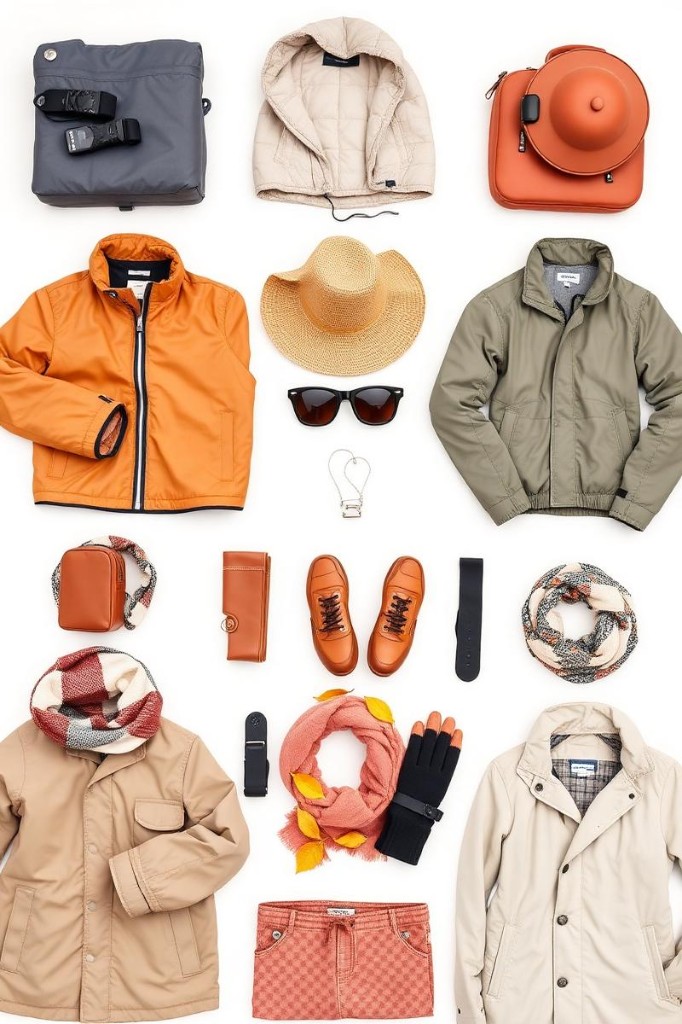
Preparing for a trip to Botswana requires special attention to extreme climate variations. From the freezing nights of the southern winter to the scorching heat of October, your gear must adapt to all conditions to ensure comfort and safety.

👕 Seasonal packing

Cool Dry Season (May-August):

  • Warm layers
  • Fleece or light down jacket
  • Long pants
  • Closed-toe shoes
  • Beanie and gloves for morning safaris

Hot Dry Season (September-October):

  • Light cotton clothing
  • Enhanced sun protection
  • Wide-brimmed hat
  • Sunglasses
  • SPF 50+ sunscreen

Rainy Season (November-April):

  • Waterproof clothing
  • Water-resistant shoes
  • Mosquito protection
  • Breathable fabrics
  • Compact umbrella
Travel clothing and gear by season

💰 Seasonal budget

PeriodAccommodation (€)Transport (€)Activities (€)Crowds (/5)Budget Tips
May-July400-800€/night200-400€/day150-300€/day4/5Book 6 months in advance
August-Sept500-1000€/night250-500€/day200-400€/day5/5Avoid this period to save
October450-900€/night200-450€/day180-350€/day4/5Negotiate all-inclusive packages
Nov-April200-500€/night100-250€/day100-200€/day2/5Take advantage of low-season promos

💡 Money-saving tips

  • Avoid July-September to reduce costs by 40-60%
  • Book lodges 8-12 months in advance for the best rates
  • Take advantage of rainy season promotions with flexible cancellation policies
  • Compare all-inclusive packages versus à la carte services
  • Negotiate private plane transfers for groups of 4-6 people

🏥 Health and precautions

  • Malaria: Prophylaxis recommended November-May, repellents essential
  • Sun: Enhanced protection, constant hydration (3-4L / 0.8-1 gal per day)
  • Dust: Masks recommended in dry season, eye protection
  • Temperatures: Clothing adapted to day/night temperature swings
  • Water: Consume only bottled water, avoid ice cubes
  • Insurance: Medical evacuation mandatory for remote areas

Events & Festivals in Botswana

Cultural calendar and festivities not to be missed in Botswana

Botswana's cultural events revolve around ancestral traditions and natural cycles, offering an authentic immersion into Tswana culture.

Maitisong Festival (March-April)

The largest arts festival in Botswana celebrates local creativity with theater, music, and traditional dance. This major event turns Gaborone into a vibrant cultural capital, attracting artists and spectators from across Southern Africa.

Location: Gaborone and surroundings

Highlight: Unique fusion of ancestral traditions and contemporary creations

Climate Impact: Ideal transition period with pleasant temperatures

Dithubaruba Cultural Festival (August)

An authentic celebration of Tswana cultural heritage in the spectacular setting of the Okavango Delta. This unique festival combines traditional dances, local crafts, and demonstrations of ancestral skills in the heart of nature.

Location: Maun and Delta villages

Highlight: The only cultural festival held deep in the African bush

Climate Impact: Optimal dry season for accessing remote villages

Kuru Dance Festival (December)

An exceptional event celebrating the culture of the San people (Bushmen) with ritual dances, traditional music, and demonstrations of ancestral survival techniques. A unique window into one of the oldest cultures in the world.

Location: D'Kar, Kalahari region

Highlight: Living preservation of the millenary San culture

Climate Impact: Rainy season brings coolness for the festivities

Seasonal events

Dry Season (May-October):

  • Dithubaruba Cultural Festival (August)
  • Maun Festival (September)
  • Independence Day Celebrations (September)

Rainy Season (November-April):

  • Maitisong Festival (March-April)
  • Kuru Dance Festival (December)
  • New Year Bush Celebrations (January)

Responsible Travel in Botswana

Botswana, a global model of community-based conservation, invites you to tourism that respects its fragile ecosystems and traditional local communities.

Lonely green tree silhouetted against the horizon, symbol of nature conservation by Marc on Unsplash

Traveling responsibly in Botswana means respecting wildlife natural cycles, supporting community conservation initiatives, and minimizing impact on unique ecosystems like the Okavango Delta, a UNESCO World Heritage site.

🌱 Low-season advantages

Choosing the rainy season reduces tourist pressure on sensitive areas, supports the local economy year-round, and allows for observing natural reproduction cycles without disturbance.

♻️ Sustainable travel tips

  • Respect minimum distances from wildlife (25m / 82ft for elephants, 100m / 328ft for predators)
  • Use only lodges certified by the Botswana Tourism Board
  • Prioritize operators employing certified local guides
  • Avoid single-use plastics, use filtered water bottles
  • Participate in community conservation programs
  • Respect animal rest times (11 AM - 3 PM)

🏙️ Local sustainable initiatives

Botswana, a pioneer in Community Based Natural Resource Management, returns 65% of tourism revenue to local communities. Private conservancies cover 20% of the national territory, creating essential ecological corridors.

Our Expert Recommendations

Expert recommendations for your trip to Botswana

After analyzing climate data and field feedback from our experts, here are our personalized recommendations to optimize your Botswana safari. These tips are based on 15 years of experience in organizing trips to Southern Africa and the unique specifics of Botswana's semi-arid subtropical climate.

Optimal Period: May to September

Recommended Months: June, July, August

  • Ideal climatic conditions (15-25°C / 59-77°F)
  • Maximum animal visibility near water holes
  • Passable roads in all reserves
  • Low health risk (minimal malaria)
  • Clear skies optimal for photography

Limitations: High prices, high tourist crowds

Ideal Profile: Classic safari, families, first-time trips to Africa

Balanced Alternative: April and October

Alternative Months: April, October

These transition months offer a perfect compromise between favorable weather conditions and more affordable rates. April marks the end of the rains with lush nature, while October concentrates wildlife before the first rains.

  • 20-30% price reduction compared to peak season
  • Still excellent conditions for safaris
  • Fewer tourist crowds

👥 Tips for your travel style

Family with children: June-August, lodges with pools, short safaris (3h max), avoid mokoros for young children

Budget-conscious: March-April or November, organized camping, self-drive possible, avoid July-September

Adventure and photography: May or October, wild camping allowed, walking safaris, 5 AM wake-up for golden hour light

Luxury and comfort: July-September, premium lodges, private inter-camp flights, personalized service

Birdwatching: November-March, 450 species present, Palearctic migrants, Okavango Delta priority

Avoid November to February for a first trip: impassable roads, high humidity, high malaria risk, and reduced animal visibility due to dense vegetation.

Cities to explore

Discover the must-sees of urban travel

All cities

Frequently Asked Questions

Find answers to essential questions to perfectly plan your trip to Botswana according to weather conditions.

What is the best time to see animals in Botswana?

The optimal period is from May to September (dry season). Animals concentrate around permanent water holes, making them easier to spot. July-August offer the best conditions with maximum visibility, although this is the peak tourist season.

Is it cold in Botswana in winter?

Yes, winter nights (June-August) can be very cold with temperatures dropping to 0°C / 32°F. Days remain pleasant (20-25°C / 68-77°F), but bring warm clothing for morning and evening safaris. The day/night temperature range can reach 25°C / 45°F.

Can you visit Botswana during the rainy season?

It is possible but more challenging. November-March presents difficulties: impassable roads, high humidity, and malaria risk. However, this period offers spectacular green landscapes, reduced prices, and the chance to see animal births. Reserved for experienced travelers.

What budget should I plan for a safari in Botswana?

Botswana follows a high-end tourism policy. Expect 800-1500€ / $850-$1600 per day/person in peak season (all-inclusive), and 400-800€ / $430-$850 in low season. Internal air transfers add 200-400€ / $215-$430 per leg. A 10-day safari typically costs 8000-15000€ / $8600-$16000 per person.

Is anti-malarial treatment necessary for Botswana?

Prophylaxis is strongly recommended from November to May (rainy season) in the north of the country (Okavango, Chobe). In the dry season (June-October), the risk is minimal but repellents are still advised. Consult a travel medicine specialist 4-6 weeks before departure.