When to visit Selebi-Phikwe? City Trip Guide

A mining city with contrasting seasons, where the urban atmosphere transforms to the rhythm of Botswana's semi-arid climate.

  • 0.05 M population
  • English, Setswana language
  • 45 days rainy days/year
  • from May to September best time to visit
  • 2 to 4 days recommended stay

Climate and weather in Selebi-Phikwe

Understanding the subtropical semi-arid climate of Selebi-Phikwe

Selebi-Phikwe enjoys a subtropical semi-arid climate typical of eastern Botswana. The urban heat island effect accentuates summer temperatures, while the moderate altitude (900m / 2,953ft) slightly tempers the extremes. Continental influences dominate, creating well-defined seasons ideal for planning your city trip.

MonthMin Temp (°C / °F)Max Temp (°C / °F)Precipitation (mm / in)Sunshine (h/day)Tourist TrafficRecommended Activities
January19 / 6632 / 9085 / 3.37★★☆Morning tours, museums
February18 / 6431 / 8875 / 3.07★★☆Urban exploration
March16 / 6129 / 8465 / 2.68★★★Urban walking, markets
April12 / 5426 / 7925 / 1.08★★★All outdoor activities
May8 / 4623 / 7310 / 0.49★★★★Full exploration
June5 / 4121 / 705 / 0.29★★★★Extended sightseeing
July4 / 3921 / 702 / 0.19★★★★★Optimal city trip
August7 / 4524 / 753 / 0.19★★★★★All activities
September11 / 5228 / 828 / 0.38★★★★Urban walks
October15 / 5931 / 8825 / 1.08★★★Morning tours
November17 / 6333 / 9145 / 1.87★★☆Indoor activities
December19 / 6632 / 9070 / 2.87★★☆Museums, shopping centers

The Seasons

Must-sees by weather

Organize your discovery of Selebi-Phikwe according to weather conditions to optimize your urban experience in this unique mining city of Botswana.

☔ In overcast/rainy weather

Indoor & protected

Selebi-Phikwe's indoor spaces offer a perfect refuge during summer downpours while discovering the city's mining heritage.

Recommended Sites:
🏛️ Mining Heritage Museum (2h, free, year-round)
🛍️ Selebi Mall - main shopping center (3h, free, air-conditioned)
📚 Municipal library and cultural center (1h, free)
🍽️ Traditional local restaurants (1-2h, 15-30€)
🎭 Community center and local exhibitions (1h, 5€)
⛪ Historic churches and colonial architecture (30min, free)

Practical Tip: Most sites are accessible without reservation, ideal for impromptu rainy days

Additional Tip: Link city center visits on foot; everything is concentrated in a small perimeter

☀️ In good weather

Optimal outdoor

Selebi-Phikwe's dry climate reveals its best features during sunny days, perfect for exploring the unique mining urbanism.

Recommended Sites:
🏭 Industrial heritage and mine tour (3h, 10€, morning recommended)
🌳 Municipal park and green spaces (2h, free, all day)
🏘️ Residential neighborhoods and local architecture (2h, free)
📸 City viewpoints from the hills (1h, free, sunset)
🚶 Historic city center walk (2h, free)
⚽ Sports complex and municipal stadium (1h, 5€)

Best time of day: Early morning (7am-10am) and late afternoon (4pm-6pm) to avoid the heat

Season Tip: May to September is optimal; avoid October-November during hot hours

🌤️ Versatile for all weather

Flexible

These attractions adapt perfectly to Selebi-Phikwe's weather variations, combining indoor spaces and outdoor discoveries.

Recommended Sites:
🏪 Local markets (covered and outdoor, 2h, free)
🍴 Gastronomic district with modular terraces (3h, 20-40€)
🎨 Art galleries and artisan workshops (1-2h, 5-15€)

Weather Tip: Start outdoors if the weather is good, retreat indoors if conditions deteriorate

Example Itinerary: Morning market → terrace lunch → galleries in the afternoon → dinner based on weather

💰 Free or budget-friendly

No cost

Free Sites:
🆓 Mining heritage architectural walks
🆓 Municipal parks and gardens
🆓 Panoramic viewpoints
🆓 Local markets (free entry)

Free Days: Library and cultural center are permanently accessible for free

Budget Tips: Local street food, authentic residential neighborhoods, sunsets from the hills

Practical Guide

Prepare for your stay in Selebi-Phikwe with our tips adapted to the climatic and urban specifics of this Botswana mining city, for a successful city trip in any season.

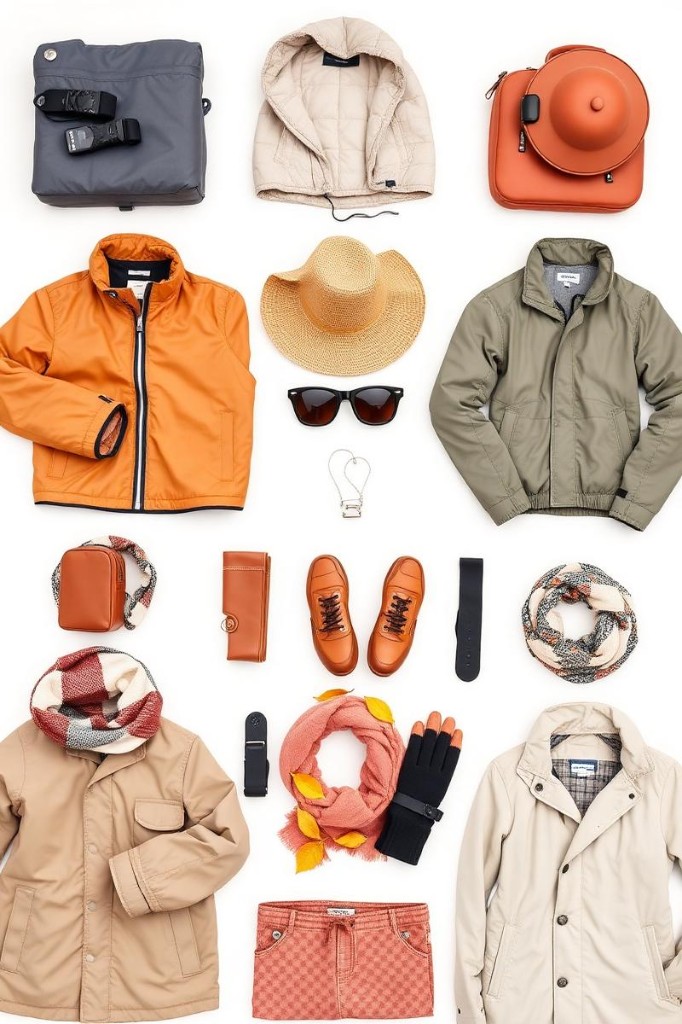
👕 Seasonal packing

Dry Winter (May-Sept): • Comfortable walking shoes • Warm jacket for evenings • Sunglasses • Sunscreen • Light backpack
Wet Summer (Dec-Feb): • Breathable clothing • Light raincoat • Waterproof shoes • Compact umbrella • Change of clothes
Transitions (Mar-Apr, Oct-Nov): • Layerable clothing • Mid-season jacket • Sun protection • Versatile shoes
Travel clothing and gear by season

💰 Seasonal budget

PeriodCity Center Accommodation (€/night)Transport (€/day)Restaurants (€/day)Attractions (€)Traffic
High season (May-Sept)40-8015-2525-4520-35★★★★
Mid season (Mar-Apr)30-6012-2020-3515-25★★★
Low season (Oct-Feb)25-4510-1818-3012-20★★

💡 Money-saving tips

Local City Pass: Negotiate combined accommodation-tour packages • Dining: Eat lunch at local markets (5-10€) vs tourist restaurants • Accommodation: Residential areas 10min from the center are 30% cheaper • Transport: Walking is preferred, city is compact • Free: Mining heritage, parks, viewpoints

🏥 Health and precautions

Intense Sun: Enhanced UV protection, altitude 900m / 2,953ft • Dry Heat: Constant hydration (3L/day in summer) • Dust: Mining environment, mask if sensitive • Moderate Altitude: Rapid adaptation • Urban Walking: Shoes suitable for sometimes uneven terrain • Pharmacy: 24/7 municipal medical center

Urban Events

Essential event calendar for Selebi-Phikwe

The cultural events of Selebi-Phikwe reflect its mining heritage and cultural diversity, transforming the urban atmosphere throughout the seasons.

Wildlife discovery, including antelopes near water holes during safaris. by Alex on Unsplash

🎭 Mining Heritage Festival (July)

Annual celebration of Selebi-Phikwe's industrial legacy featuring exhibitions, technical demonstrations, and cultural performances. The event turns the city center into an open-air museum, drawing visitors and residents into a unique festive atmosphere.

Location: City center and historic industrial sites

Highlight: Exceptional access to mining facilities usually closed to the public

Climate Impact: Ideal winter period, peak attendance, accommodation bookings required 2 months in advance

Transport Access: Free shuttles from hotels, expanded temporary parking

Planning Tip: Book accommodation by April, rates double during the event

🎵 Selebi Music Festival (September)

A festival of contemporary and traditional Botswana music that brings the city to life over a weekend. Multiple stages in parks and public spaces create an electrifying urban atmosphere blending modernity with local traditions.

Location: Main municipal park and public squares

Highlight: Unique fusion of local and international artists, showcasing Botswana culture

Climate Impact: Perfect late winter for outdoor events, pleasant cool nights

Transport Access: Enhanced public transport, city center partially pedestrianized

Planning Tip: Advance tickets mandatory, organized temporary camping available

🏃 Mine Marathon (May)

An international race crossing iconic sites in Selebi-Phikwe, from residential neighborhoods to industrial facilities. A major sporting event that mobilizes the entire city in a spirit of popular celebration and local pride.

Location: Full urban circuit, start/finish at the municipal stadium

Highlight: A course unique in the world through an urban-industrial landscape

Climate Impact: Ideal early winter for physical exertion, perfect morning temperatures

Transport Access: Traffic diversions, free transport for spectators

Planning Tip: Limited registration, accommodation fully booked 6 months in advance

Seasonal events

Dry Winter (May-Sept): • Botswana National Day (September) • Weekly craft markets (Saturdays) • Community cultural festivals
Wet Summer (Dec-Feb): • New Year celebrations • Traditional dance festivals • Indoor markets
Transitions: • Trade fairs (April, October) • School sports events • Local museum temporary exhibitions

Responsible City Trip

Discover Selebi-Phikwe in an eco-responsible way by respecting its mining environment in transition and supporting the local economy of this changing city.

Responsible tourism in Selebi-Phikwe involves a particular sensitivity to the post-industrial environment. Prioritize local businesses, respect heritage sites, use soft transport in this compact city, and participate in local economic conversion initiatives.

🌱 Low-season advantages

Visiting Selebi-Phikwe in the low season (October-February) reduces tourist pressure, allows for a more authentic experience with locals, supports the local economy during off-peak periods, and reduces environmental impact.

♻️ Sustainable travel tips

Mobility: Walking is preferred, city is entirely walkable • Accommodation: Family guesthouses vs international chains • Dining: Local cuisines, Botswana products • Shopping: Local crafts, avoid imported products • Waste: Selective sorting available, reusable water bottle • Respect: Industrial heritage sites, local communities

🏙️ Local sustainable initiatives

Selebi-Phikwe is developing sustainable conversion projects: ecological rehabilitation of mining sites, promotion of local crafts, industrial heritage educational tours, emerging urban agriculture, and community recycling initiatives to build a post-mining future.

Our Recommendations

Recommendations for your city trip to Selebi-Phikwe

After analyzing climatic data and tourist offerings, our recommendations are based on the optimal balance between favorable weather conditions, moderate crowds, and attractive prices. Selebi-Phikwe reveals its charms according to the seasons, from winter dynamism to the summer intimacy of this mining city in transition.

🌟 Optimal Period: May to September

Recommended Months: May, June, July, August, September

Advantages:
• Dry and sunny climate ideal for urban exploration
• Perfect temperatures for walking (20-25°C / 68-77°F during the day)
• Exceptional visibility for photography
• Dynamic urban atmosphere with lively terraces
• Optimal conditions for mining heritage tours

Key Events: Mining Heritage Festival (July), Selebi Music Festival (September), Mine Marathon (May)

Disadvantages: Higher tourist traffic, accommodation rates increased by 20-30%

Ideal Profile: First-time visitors, families, industrial heritage enthusiasts, photographers

Stay Duration: 3 to 4 days recommended

🎯 Interesting Alternative: March-April

Alternative Months: March and April

Description: A transition period still offering excellent climatic conditions with the advantage of softer rates and reduced tourist traffic, perfect for an authentic discovery.

Specific Advantages: Fewer tourists, accommodation prices -25%, local cultural events, still mild climate, relaxed atmosphere

For Whom: Flexible travelers, controlled budgets, authenticity seekers, spontaneous stays

👥 Tips for your travel style

Family: City center location + educational mine activities + May-September + walking transport + family guesthouses
Budget: Peripheral accommodation + March-April or October-November + local market dining + free heritage sites
Culture: Historic center + museums and mining heritage + July (festival) + urban walking + boutique hotels
Romantic: Hilltop viewpoints + June-August + terrace dinners + intimate accommodation + sunsets
Weekend: Compact city center + 2-3 days + any season except rainy + everything walkable + central hotels
First Visit: May-September period + guided heritage tours + city center accommodation + 3-4 days + advance booking

⚠️ Periods to Avoid: December-February

Not Recommended Months: December, January, February

Reasons: Rainy season with frequent downpours disrupting outdoor visits, high humidity, some mining heritage activities suspended

Nuances: Acceptable for travelers accustomed to tropical climates, very tight budgets (rates -40%), stays focused on indoor culture

Villes du même pays

All cities

Frequently Asked Questions

Answers to essential questions for planning your city trip to Selebi-Phikwe based on climatic and urban specifics.

What is the best month to visit Selebi-Phikwe?

July and August offer optimal conditions with a dry climate, pleasant temperatures (4-24°C / 39-75°F), and excellent visibility. This is also the time of the Mining Heritage Festival. May-June are an excellent alternative with fewer crowds. Avoid December-February (rainy season) unless you enjoy the tropical atmosphere and reduced rates.

How many days should I plan for Selebi-Phikwe?

3 to 4 days are enough to discover the essentials: mining heritage, the city center, residential areas, and viewpoints. 2 days are sufficient for a quick overview, while 5-6 days are suitable for industrial history enthusiasts wishing to delve deeper into specialized tours and participate in local cultural events.

What to do in Selebi-Phikwe if it rains?

There is no shortage of indoor spaces: Mining Heritage Museum (free), Selebi Mall for shopping and dining, municipal library, local art galleries, traditional restaurants, and the cultural center. Indoor markets also offer an authentic experience. The compact city makes it easy to move from one place to another.

Which events should not be missed in Selebi-Phikwe?

The Mining Heritage Festival in July is the flagship event with access to usually closed industrial sites. The Selebi Music Festival (September) enlivens the city, while the Mine Marathon (May) offers a unique sporting atmosphere. Weekly Saturday markets and Botswana National Day (September) enrich the cultural experience.

What budget should I plan for depending on the season?

High season (May-September): 80-150€/day (accommodation 40-80€, meals 25-45€, activities 20-35€). Low season (October-February): 55-95€/day with substantial savings on accommodation (-40%) and activities. March-April offer a good compromise at 70-120€/day. Minimal local transport, city is walkable.