When to visit Jellyfish Lake? Nature Guide

Dive into the magical world of golden jellyfish according to optimal tropical seasons.

  • 0.018 M population
  • Palauan, English language
  • 180 days rainy days/year
  • November to April best time to visit
  • 3 to 7 days recommended stay

Tropical climate of Jellyfish Lake

Understanding the tropical maritime climate of Jellyfish Lake

Jellyfish Lake enjoys a tropical maritime climate with consistent temperatures year-round. Oceanic proximity directly influences diving conditions and golden jellyfish observation, with seasonal variations marked by monsoons.

The marine lake features a microclimate influenced by its limestone geology and underground connection to the Pacific Ocean, creating unique conditions for the jellyfish ecosystem.

MonthMin Temp (°C / °F)Max Temp (°C / °F)Precipitation (mm)Sunshine (h/day)Tourist TrafficDiving Conditions
January24°C / 75°F30°C / 86°F1807⭐⭐⭐⭐Excellent
February24°C / 75°F30°C / 86°F1607⭐⭐⭐⭐⭐Optimal
March24°C / 75°F31°C / 88°F1408⭐⭐⭐⭐⭐Perfect
April25°C / 77°F31°C / 88°F2007⭐⭐⭐⭐Very good
May25°C / 77°F31°C / 88°F2806⭐⭐⭐Fair
June25°C / 77°F31°C / 88°F3206⭐⭐Average
July25°C / 77°F31°C / 88°F3505⭐⭐Difficult
August25°C / 77°F31°C / 88°F3805⭐⭐Very difficult
September25°C / 77°F31°C / 88°F3406⭐⭐Difficult
October25°C / 77°F31°C / 88°F3006⭐⭐⭐Average
November24°C / 75°F30°C / 86°F2207⭐⭐⭐⭐Good
December24°C / 75°F30°C / 86°F2007⭐⭐⭐⭐Very good

Located at sea level, the lake is directly influenced by tides and ocean currents, with specific thermal stratification depending on depth.

The seasons

Sites according to weather conditions

Optimize your experience according to climatic conditions by discovering the best diving spots and natural sites.

☔ In rainy weather

Protected activities

When weather conditions limit access to the lake, several alternatives are available for nature-loving visitors.

🏛️ Palau National Museum - Maritime history discovery (2h) - $10 - Year-round
🐠 Palau Aquarium - Local ecosystems (1.5h) - $15 - Ideal for rainy days
🏢 Marine Research Center - Jellyfish lectures (1h) - Free - By reservation
📚 Oceanographic Library - Specialized documentation (open) - Free - Mon-Fri
🎬 Nature documentaries - Screenings (45min) - $5 - Variable programs

Practical tip: Book guided tours online to avoid disappointment.

Additional tip: Use this time to plan your future dives with local guides.
☀️ In sunny weather

Optimal diving

Sunny conditions reveal all the magic of Jellyfish Lake with exceptional visibility and sublime light play.

🌊 Jellyfish Lake - Jellyfish diving (2-3h) - $100 - Morning optimal
🏝️ Blue Corner - Reef diving (1.5h) - $80 - Afternoon
🐙 German Channel - Manta rays (2h) - $120 - Rising tides
🏖️ Long Beach - Post-dive relaxation (open) - Free - Sunset
🚁 Helicopter tour - Aerial view (30min) - $200 - Clear morning
🛶 Mangrove kayaking - Exploration (2h) - $40 - End of day

Best time: Between 9:00 AM and 11:00 AM for optimal underwater light.

Seasonal tip: Avoid the hottest hours (12:00 PM - 3:00 PM) during the dry season.

🌤️ Variable conditions

Flexible activities

These sites adapt perfectly to the sudden weather changes typical of a tropical climate.

🏞️ Covered nature trails - Sheltered hiking (1-2h)
🏛️ Traditional villages - Cultural visits (2-3h)
🍽️ Panoramic restaurants - Local gastronomy with sea views
🛍️ Artisan markets - Souvenir shopping

Weather tip: Always keep a Plan B for outdoor activities.

Sample itinerary: Morning diving if sunny, afternoon culture if rainy.

💰 Budget-friendly

Free experiences

Discover natural wonders without impacting your travel budget.

🌅 Beach sunrise - Daily free spectacle
🥾 Public trails - Free marked hikes
🏖️ Public beaches - Swimming and lounging
📸 Panoramic viewpoints - Photography spots
🌺 Botanical gardens - Tropical flora

Free days: National museum is free on the first Sunday of the month.

Budget tips: Picnics on beaches, drinking water at public fountains.

Practical guide

Prepare your adventure at Jellyfish Lake with our essential tips adapted to the specifics of the tropical climate and the requirements of diving in a protected natural environment.

👕 Seasonal packing

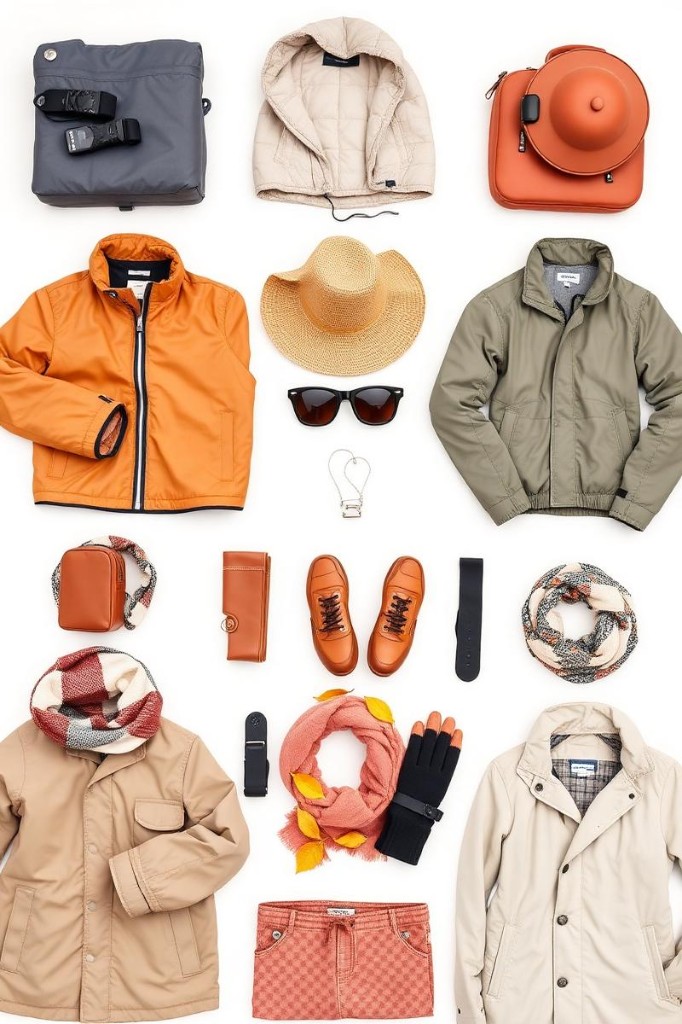
Dry season (Nov-Apr): • 3mm wetsuit • Non-slip water shoes • Sun protection hat • Waterproof sunscreen • Quick-dry lightweight clothing

Wet season (May-Oct): • 5mm wetsuit recommended • Compact waterproof jacket • Waterproof equipment bag • Reinforced grip shoes • Breathable technical clothing
Travel clothing and gear by season

💰 Seasonal budget

PeriodAccommodation (€/night)Transport (€/day)Dining (€/day)Diving (€)Traffic
Dry season150-30080-12060-100100-150⭐⭐⭐⭐⭐
Shoulder season100-20060-10040-8080-120⭐⭐⭐
Wet season80-15050-8035-6070-100⭐⭐

💡 Money-saving tips

Book diving packages in advance for preferential rates. Prioritize accommodations with equipped kitchens. Negotiate group excursions. Avoid tourist restaurants at the port. Opt for shared transfers instead of private ones.

🏥 Health and precautions

• Hepatitis A/B vaccination recommended • Enhanced sun protection (SPF 50+) • Constant hydration in tropical climate • Waterproof first aid kit • Mandatory diving insurance • Pre-trip medical consultation • 24h pharmacy in Koror only

Natural events

Calendar of exceptional natural phenomena at Jellyfish Lake

The natural cycles of Jellyfish Lake offer unique spectacles depending on the season, transforming every visit into a different experience.

🌙 Golden jellyfish migration (February-March)

An extraordinary phenomenon where jellyfish follow the sun's path across the lake, creating moving golden clouds. Concentration reaches its peak with over 10 million individuals.

Location: Center of the lake, deep zone
Feature: Synchronized natural choreography
Climate impact: Optimal visibility required, reservations essential
Access: Boat from Koror (45min)
Tip: Book 3 months in advance, very limited spots

🌊 Plankton bloom (May-June)

An explosion of microscopic life that nourishes the lake's ecosystem. Although it reduces visibility, this phenomenon reveals the site's exceptional biological richness.

Location: Entire lake
Feature: Nighttime phosphorescent waters
Climate impact: Reduced visibility but unique experience
Access: Night dives possible
Tip: Ideal for marine biologists

🐠 Coral spawning (October-November)

A rare spectacle of massive coral reproduction from the adjacent reef, creating underwater colorful clouds and attracting exceptional wildlife.

Location: Peripheral reefs
Feature: Precise lunar synchronization
Climate impact: Calm conditions essential
Access: Specialized dives only
Tip: Book with certified centers

Seasonal events

Dry season: • Maximum visibility (Dec-Feb) • Active golden jellyfish (Jan-Mar) • Optimal photo conditions (Feb-Apr)

Wet season: • Plankton bloom (May-Jun) • Marine reproduction (Sep-Oct) • Nighttime phosphorescence (Jul-Aug)

Responsible ecotourism

Jellyfish Lake is a unique fragile ecosystem that requires a respectful tourism approach to preserve this exceptional natural heritage.

Protecting this marine lake relies on strict practices: limiting daily visitor numbers, banning chemical sunscreens, respecting distances from jellyfish, mandatory certified guides, and direct conservation contributions.

🌱 Low-season advantages

Visiting in the wet season reduces tourist pressure on the ecosystem, allows for natural regeneration, offers solidarity pricing, and supports the local economy during the off-season.

♻️ Sustainable travel tips

Use only mineral sunscreens. Respect a 2-meter (6.5 ft) distance from jellyfish. Strictly follow guide instructions. Avoid all contact with wildlife. Participate in scientific monitoring programs. Choose eco-certified operators.

🏙️ Local sustainable initiatives

Collaborative research program with visitors, community coral restoration, local guide training, scientific visitor quotas, revenue redistributed to conservation, environmental school awareness.

Our recommendations

Expert recommendations for your Jellyfish Lake experience

Our climate and ecological analyses reveal the optimal periods to live this unique experience. Your choice of timing directly influences the quality of jellyfish observation, diving conditions, and the environmental impact of your visit.

🏆 Optimal period: February to March

Pros:
• Exceptional underwater visibility (25-30m / 82-98ft)
• Golden jellyfish migration at its peak
• Most stable weather conditions
• Ideal water temperature (28°C / 82°F)
• Perfect lighting for photography

Key events: Massive jellyfish migration, perfect diving conditions

Cons: Maximum crowds, high prices

Ideal profile: Passionate divers, underwater photographers

Stay duration: 4-5 days recommended

⚖️ Balanced alternative: November to January

Description: Excellent compromise between favorable conditions and moderate crowds, with more accessible rates.

Specific pros: Fewer tourists, attractive prices, still excellent conditions, active jellyfish

For whom: Families, budget travelers, first-time visitors

👥 Tips for your travel style

Family: February-March, child-specialized guides, Koror accommodations, secure transfers

Budget: November-December, group packages, local accommodations, traditional meals

Expert divers: Year-round, technical sites, night dives, scientific research

Photographers: February-March, waterproof gear, special lighting, photo guides

First-timers: January-February, prior training, equipment provided, enhanced support

⚠️ Periods to avoid: July to September

Reasons: Very reduced visibility, daily torrential rains, sometimes impossible access, limited security conditions

Nuances: Acceptable for very experienced divers seeking adventure

Villes du même pays

All cities

Frequently asked questions

Answers to essential questions to plan your adventure at Jellyfish Lake according to optimal conditions.

What is the best time to see the golden jellyfish?

The optimal period is from February to March during the golden jellyfish migration. Visibility reaches 25-30 meters (82-98 ft) and the concentration of jellyfish is at its peak with over 10 million individuals. Stable weather conditions during the dry season ensure easier access and an exceptional experience.

How many days should I plan for Jellyfish Lake?

A stay of 3 to 5 days allows for a complete experience. Plan for at least 2 days for diving (variable weather conditions), 1 day for peripheral sites, and 1-2 days to discover local culture. Passionate divers can extend to 7 days to explore all sites in the archipelago.

What to do in case of bad weather?

Alternatives include visiting the Palau National Museum, the local aquarium, marine research centers with lectures on jellyfish, and traditional villages. Panoramic restaurants offer cultural immersion. Always keep a Plan B as conditions can change quickly in a tropical climate.

Which natural phenomena should not be missed?

The golden jellyfish migration (February-March) remains the major event. The plankton bloom (May-June) offers phosphorescent waters at night. Coral spawning (October-November) attracts exceptional wildlife. Each phenomenon requires specific conditions and advance bookings.

What budget should I plan according to the season?

In the dry season (Nov-Apr): 300-500€/day all-inclusive. In the wet season (May-Oct): 200-350€/day. Dives cost 70-150€ depending on the season. Accommodations range from 80€ (wet season) to 300€ (peak season). Book packages in advance to optimize rates.