When to visit the Rock Islands Southern Lagoon? Nature Guide

A tropical paradise with crystal-clear waters where every season reveals unique natural wonders.

  • Uninhabited population
  • Palauan, English language
  • 180 days rainy days/year
  • February to April best time to visit
  • 4 to 7 days recommended stay

Climate of the Rock Islands

Understanding the tropical climate of the Rock Islands Southern Lagoon

The Rock Islands enjoy a tropical oceanic climate characterized by constant temperatures and high humidity. Proximity to the equator and oceanic influence create ideal conditions for exceptional marine biodiversity.

The site features a homogeneous climate influenced by Pacific ocean currents, with variations primarily linked to seasonal rainfall and winds.

MonthMin Temp (°C / °F)Max Temp (°C / °F)Precipitation (mm)Sunshine (h/day)Tourist TrafficRecommended Activities
January24°C / 75°F30°C / 86°F2806⭐⭐⭐Diving, kayaking
February24°C / 75°F30°C / 86°F2007⭐⭐⭐⭐Snorkeling, exploration
March24°C / 75°F31°C / 88°F1807⭐⭐⭐⭐⭐All activities
April25°C / 77°F31°C / 88°F1907⭐⭐⭐⭐⭐Optimal diving
May25°C / 77°F31°C / 88°F2506⭐⭐⭐⭐Marine observation
June25°C / 77°F31°C / 88°F3006⭐⭐⭐Kayaking, hiking
July25°C / 77°F31°C / 88°F3505⭐⭐Scuba diving
August25°C / 77°F31°C / 88°F3805⭐⭐Nature observation
September25°C / 77°F31°C / 88°F4005⭐⭐Expert diving
October25°C / 77°F31°C / 88°F3805⭐⭐Adventure kayaking
November24°C / 75°F30°C / 86°F3206⭐⭐⭐Snorkeling
December24°C / 75°F30°C / 86°F3006⭐⭐⭐Island exploration

With a maximum altitude not exceeding 200 meters / 656 feet, climatic variations are negligible, offering uniform conditions across the entire site.

The Seasons

Sites by Conditions

Optimize your discovery of the Rock Islands by adapting your activities to weather conditions for an unforgettable experience.

🌧️ In Rainy Weather

Protected Activities

Tropical showers do not interrupt the magic of the Rock Islands thanks to numerous caves and natural shelters.

Recommended Sites:
🏊‍♀️ Jellyfish Lake - Unique experience even in the rain (2h, $50/pers)
🕳️ Chandelier Caves - Fascinating caving exploration (1h30)
🐠 Blue Corner - Exceptional scuba diving (3h, $80/pers)
🌊 German Channel - Sheltered manta ray observation (2h)
🏖️ Long Beach - Relaxation under naturally sheltered coconut trees

Practical Tip: Book diving excursions in advance; underwater conditions remain excellent
Tip: Caves offer natural refuges and unique experiences in rainy weather
☀️ In Sunny Weather

Optimal Exploration

The sun reveals all the splendor of the turquoise lagoons and allows access to the most spectacular sites.

Must-See Sites:
🏝️ Seventy Islands - Breathtaking aerial panorama (4h by kayak)
🌊 Big Drop Off - Diving on the legendary wall (3h, 50m / 164ft visibility)
🏖️ Honeymoon Beach - Isolated paradise beach (full day)
🚣‍♀️ Kayaking in the lagoons - Navigation between limestone islets (half-day)
⛵ Traditional boat tour - Panoramic discovery (6h, $120/pers)

Best Time: Sunrise at 6:30 AM for magical photos without crowds
Season Tip: February to April offer the most stable conditions

🌤️ Versatile Sites

Accessible in All Weather

These iconic sites remain fascinating regardless of weather conditions.

Must-See:
🌊 Jellyfish Lake - Magic preserved in all weather
🐠 German Channel - Exceptional diving guaranteed
🏛️ Badrulchau Stone Monoliths - Permanent archaeological mystery

Weather Tip: Adapt the order of visits according to forecasts to maximize each experience
Typical Itinerary: Morning diving, afternoon land exploration, evening stargazing

🌿 Nature Observation

Exceptional Biodiversity

The Rock Islands are home to flora and fauna unique in the world, classified as World Heritage.

Natural Sites:
🦅 Tropical bird observation from the islets
🐢 Sea turtle nesting beaches (specific season)
🌺 Tropical forests of limestone islets

Optimal Times: Early morning and late afternoon for animal activity
Eco-Tip: Respect protected areas and the fragility of the ecosystem

Practical Guide

Prepare for your stay in the Rock Islands with our expert tips to make the most of this Pacific jewel based on weather conditions and the specifics of this exceptional natural site.

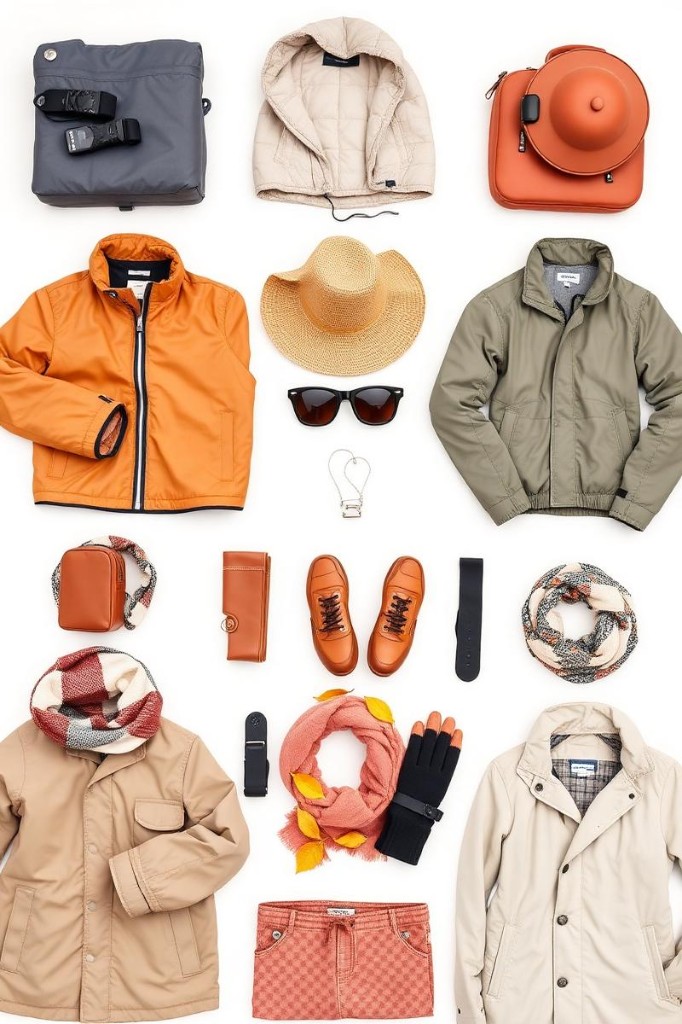
👕 Seasonal packing

Dry Season: • Multiple swimsuits • Thin 3mm neoprene wetsuit • Non-slip water shoes • Hat and sunglasses • Waterproof SPF50+ sunscreen

Wet Season: • Quick-dry clothing • Lightweight waterproof poncho • Dry bag for equipment • High-grip sandals • Natural mosquito repellent
Travel clothing and gear by season

💰 Seasonal budget

PeriodKoror Accommodation (€/night)Excursions (€/day)Dining (€/day)Permits/Taxes (€)Traffic
Feb-April (Optimal)180-350120-20060-10050⭐⭐⭐⭐⭐
May-July150-280100-18050-8050⭐⭐⭐
Aug-October130-25090-16045-7050⭐⭐
Nov-January160-300110-19055-8550⭐⭐⭐

💡 Money-saving tips

• Book excursions in packages to save 15-20% • Choose local operators who respect the environment • Bring your own snorkeling gear to avoid rental fees • Plan at least 4-5 days to amortize transport costs • Negotiate group rates for diving activities

🏥 Health and precautions

• Reinforced sun protection (reflection on water) • Constant hydration in tropical humid climate • Mandatory waterproof first-aid kit • Up-to-date tropical vaccinations • International diving insurance • Strict respect for marine safety instructions

Natural Events

Seasonal natural phenomena of the Rock Islands Southern Lagoon

The Rock Islands offer unique natural spectacles depending on the season, from marine migrations to exceptional terrestrial blooms.

🐢 Sea Turtle Nesting (May-August)

An extraordinary natural spectacle where green and hawksbill turtles come to lay eggs on the isolated beaches of the islets. This ancestral phenomenon occurs primarily at night, creating an unforgettable experience while respecting wildlife.

Location: Protected beaches of the northern islets
Note: Guided night observation only
Climate Impact: Wet season favors nesting; access limited for protection
Access: Specialized excursions from Koror
Booking: Mandatory 2 months in advance, small groups

🌸 Island Bloom (September-November)

The wet season reveals a spectacular floral explosion on the limestone islets. Wild orchids and endemic plants create a festival of colors unique in the world, transforming every islet into a natural tropical garden.

Location: Central islet forests
Note: Endemic species unique to Palau
Climate Impact: Optimal humidity for blooming; trails can be slippery
Access: Guided ecological hikes
Conservation: Observation only; picking prohibited

🐠 Manta Ray Migration (December-February)

An exceptional period where giant manta rays converge toward the Rock Islands channels for feeding. This natural phenomenon offers magical underwater encounters in crystal-clear waters.

Location: German Channel and Ulong Channel
Note: Manta rays up to 4 meters / 13 feet wingspan
Climate Impact: Clearer waters at the start of the dry season
Diving: Intermediate level required
Observation: 85% success rate in season

Seasonal events

Dry Season (Feb-Apr): • Maximum underwater visibility (February-March) • Tropical bird nesting (March-April) • Optimal conditions for kayaking (February-April)

Wet Season (May-Jan): • Spectacular temporary waterfalls (June-September) • Intense nocturnal marine activity (July-August) • Dramatic cloud formations (October-December)

Responsible Tourism

The Rock Islands Southern Lagoon, a UNESCO World Heritage site, requires a respectful approach to preserve this unique fragile ecosystem.

This exceptional site requires a particular ecological awareness: respect for fragile corals, limitation of visitor groups, use of biodegradable sunscreens, strict waste management, and support for local conservation initiatives by Palauan communities.

🌱 Low-season advantages

Visiting during the wet season reduces tourist pressure on fragile ecosystems, allows for a more authentic experience, and supports the local economy outside of peak traffic times.

♻️ Sustainable travel tips

• Use only reef-safe sunscreens without oxybenzone • Respect distances from marine wildlife (3m / 10ft minimum) • Never touch corals or marine organisms • Prioritize ecotourism-certified operators • Take all your waste with you • Limit the use of disposable plastic

🏙️ Local sustainable initiatives

Palau is a global pioneer with its mandatory Palau Pledge, national marine sanctuary, ban on toxic sunscreens, daily visitor limits, coral restoration programs, and training of local guides in responsible ecotourism.

Our Recommendations

Expert recommendations for your trip to the Rock Islands

After analyzing climatic conditions, tourist traffic, and seasonal natural phenomena, here are our personalized tips to optimize your discovery of this exceptional World Heritage site. The Rock Islands offer distinct experiences depending on the period, ranging from optimal diving conditions to authentic nature immersion.

🌟 Optimal Period: February to April

Advantages:
• Exceptional underwater visibility (40-50m / 131-164ft)
• Stable weather conditions for all activities
• Calm sea ideal for kayaking and navigation
• Manta ray migration in February
• Maximum sunshine for photography

Events: Optimal diving season, manta ray observation
Limitation: Maximum traffic, high prices
Ideal Profile: Passionate divers, underwater photographers
Duration: 5-7 days recommended

🌿 Interesting Alternative: May and November

Months: May and November
Description: Transition between seasons offering an excellent compromise with fewer visitors, moderate prices, and conditions still favorable for most activities.

Specific Advantages: More intimate experience, attractive prices, lush nature, start of turtle nesting (May)
For Whom: Flexible travelers, moderate budgets, nature lovers

👥 Tips for your travel style

Experienced Divers: February-April, Big Drop Off and Blue Corner sites, Koror accommodation, speedboat transport
Families: March-April, snorkeling and kayaking activities, Jellyfish Lake is a must, resort accommodation with pool
Budget: May and November, local operators, guesthouse accommodation, group excursions
Nature/Photo: September-November for blooms, May-August for turtles, waterproof lenses essential
First Trip: March-April, all-inclusive package, English-speaking guide, 4-5 days minimum

⚠️ Delicate Periods: August-October

Reasons: Maximum precipitation (350-400mm / 14-16in), reduced underwater visibility, limited access to some sites, sometimes difficult navigation conditions

Nuances: Ideal period for observing turtle nesting and lush tropical nature for biodiversity enthusiasts

Villes du même pays

All cities

Frequently Asked Questions

Answers to essential questions for planning your trip to the Rock Islands Southern Lagoon.

What is the best time to visit the Rock Islands?

The optimal period is from February to April during the dry season. You will enjoy exceptional underwater visibility (up to 50m / 164ft), stable weather conditions, and easy access to all sites. It is the ideal time for diving, snorkeling, and kayak exploration. However, expect more visitors and higher prices.

How many days should I plan for the Rock Islands?

Plan for at least 4-5 days to discover essential sites like Jellyfish Lake, Big Drop Off, and the main lagoons. For a complete exploration including advanced diving, wildlife observation, and relaxation, allow 6-7 days. This duration helps offset international transport costs and allows you to fully enjoy this unique World Heritage site without rushing.

What to do in the Rock Islands if it rains?

Rain does not stop the magic of the Rock Islands! Explore the Chandelier Caves for a fascinating caving experience, dive at Blue Corner where underwater conditions remain excellent, or visit Jellyfish Lake, where the unique experience is preserved in all weather. Numerous natural shelters and caves offer perfect refuges during tropical showers.

Which natural phenomena should not be missed?

Do not miss the manta ray migration from December to February in German Channel, sea turtle nesting from May to August (guided night observation), and the spectacular island bloom from September to November. Each season reveals unique natural wonders in this exceptional UNESCO World Heritage ecosystem.

What budget should I plan according to the season?

In high season (February-April), expect 400-650€/day all-inclusive with quality accommodation. In shoulder season (May, November), 350-500€/day offers excellent value. In low season (June-October), 300-450€/day allows for an authentic experience. Always add 50€ for mandatory environmental taxes and budget for diving equipment if necessary.