When to visit Trail Head? Complete Guide

Between the sunny dry season and the lush rainy season, Trail Head offers a unique tropical immersion at every time of the year.

  • 0.001 M population
  • Palauan, English language
  • 175 days rainy days/year
  • November to April best time to visit
  • 7 to 14 days recommended stay

Climate of Trail Head

Understanding the tropical island climate of Trail Head

Trail Head enjoys a tropical oceanic climate, characterized by stable year-round temperatures around 27-30°C / 81-86°F. Located in the Palau archipelago, in Micronesia, this site is directly influenced by Pacific trade winds and warm ocean currents, creating a humid atmosphere conducive to exceptional marine and terrestrial biodiversity.

  • Coastal zone: Refreshing sea breeze and moderate temperatures
  • Inland zone: More humid with dense tropical vegetation
  • Maritime zone: Optimal conditions for diving and snorkeling
MonthMin Temp (°C / °F)Max Temp (°C / °F)Precip. (mm)Sunlight (h/day)Tourist TrafficRecommended Activities
January25°C / 77°F30°C / 86°F1905⭐⭐⭐⭐Diving, snorkeling, hiking
February25°C / 77°F30°C / 86°F1456⭐⭐⭐⭐Diving, kayaking, wildlife watching
March26°C / 79°F31°C / 88°F1406⭐⭐⭐⭐⭐Scuba diving, island excursions
April26°C / 79°F31°C / 88°F1906⭐⭐⭐⭐Kayaking, fishing, cultural discovery
May27°C / 81°F31°C / 88°F2505⭐⭐⭐Diving, mangrove observation
June27°C / 81°F31°C / 88°F2955⭐⭐Sports diving, underwater photography
July27°C / 81°F31°C / 88°F3454⭐⭐Diving, sea cave exploration
August27°C / 81°F31°C / 88°F3504⭐⭐Whale watching, diving
September27°C / 81°F31°C / 88°F3454⭐⭐Diving, relaxing stay
October27°C / 81°F31°C / 88°F3404⭐⭐⭐Hiking, kayaking, fishing
November26°C / 79°F30°C / 86°F2405⭐⭐⭐Diving, snorkeling, excursions
December25°C / 77°F30°C / 86°F1955⭐⭐⭐⭐Diving, coral observation, relaxation

Altitude variations are minimal in Palau, maintaining homogeneous climatic conditions across the territory with stable temperatures between 26°C / 79°F and 30°C / 86°F.

The seasons

Attractions according to weather

In Trail Head, every weather condition reveals a unique facet of this Palauan paradise. Organize your stay intelligently according to the day's sky to maximize every moment of your island adventure.

☔ In overcast or rainy weather

Sheltered activities and cultural immersion

Rainy days in Trail Head are far from lost: they are the perfect opportunity to dive into the fascinating culture and history of Palau, and even continue exploring the underwater world, which cares little about surface weather.

  • 🏛️ Belau National Museum (Koror) — 1 to 2h — Entry ~5 USD — Open year-round
  • 🐠 Scuba diving in sea caves — Half-day — ~80 USD with guide — Ideal all season
  • 📖 Palauan Cultural Interpretation Center — 1h — Free or guided access — Year-round
  • 🛶 Guided mangrove kayaking in covered areas — 2 to 3h — ~40 USD — Possible even in the rain
  • 🍽️ Local culinary discovery — Traditional Koror restaurants — All seasons

Practical tip: Book your diving trips the day before to guarantee your spot, even in low season. Local guides adapt to weather conditions and often offer underwater alternatives in case of bad surface weather.

Tip: Combine a morning visit to the national museum with a Palauan cooking class in the afternoon for a complete cultural immersion on rainy days.
☀️ In good weather

Outdoor exploration and the deep blue

When the sun shines on Trail Head, the magic fully happens: the turquoise waters of the lagoon reveal all their shades and the island landscapes unveil their absolute splendor.

  • 🤿 Blue Corner — Legendary dive site — Half-day — ~80 USD — November to April optimal
  • 🏝️ Rock Islands Southern Lagoon — Boat excursion — Full day — ~150 USD — Entire dry season
  • 🦈 German Channel — Diving with manta rays — 2h — ~80 USD — December to April
  • 🌿 Ngarchelong hiking — Forest trails — 3 to 4h — Free — Dry season recommended
  • 🌅 Sunset observation from Babeldaob — 1h — Free — November to May
  • 🐢 Snorkeling at Jellyfish Lake — 2h — ~100 USD (permit included) — Dry season recommended

Best time of day: Leave early in the morning (7am-9am) to enjoy the golden light of the sunrise over the Rock Islands and avoid the crowds of group excursions. The golden hour offers sublime photographic conditions.

Season tip: February and March offer the best balance between sunshine, underwater visibility, and moderate attendance.

🌤️ Versatile for all weather

Flexible sites adapted to all conditions

Some sites in Trail Head and the surroundings are fully appreciated regardless of the current weather, combining natural and cultural discoveries accessible in all circumstances.

  • 🌊 Palau Pacific Resort Beach — Swimming in good weather, contemplation in overcast weather
  • 🐦 Birdwatching in the Babeldaob forest — Ideal in all conditions
  • 🏘️ Airai traditional village — Cultural visit possible in all weather

Weather tip: Check local conditions each morning and adapt your program: start with outdoor sites if the sky is clear, and switch to cultural experiences when clouds appear.

Example itinerary: Morning diving or snorkeling if clear sky → Lunch at a local Koror restaurant → Afternoon museum or village visit if cloudy, or mangrove kayaking if weather holds.

💰 Free or economical

Discoveries without cost in Trail Head

  • 🌅 Sunrise on the coast — Free — Breathtaking natural spectacle
  • 🌿 Babeldaob forest trails — Free access — Tropical flora and fauna
  • 🏖️ Isolated Rock Islands beaches — Boat access required but beach free once there
  • 🎣 Observation of local fishermen — Free — Authentic encounter with Palauan culture

Budget tips: Panoramas from the heights of Babeldaob are free and often more spectacular than paid ones. Prioritize local markets for your meals and ask local fishermen to take you to their artisanal fishing spots for an authentic experience at a lower cost.

Practical Guide

Traveling to Trail Head requires preparation adapted to the tropical island climate of Palau. Between constant heat and humidity, sudden showers in the rainy season, and intense sun in the dry season, a few simple precautions ensure a fully fulfilling stay in this corner of the Oceanian paradise.

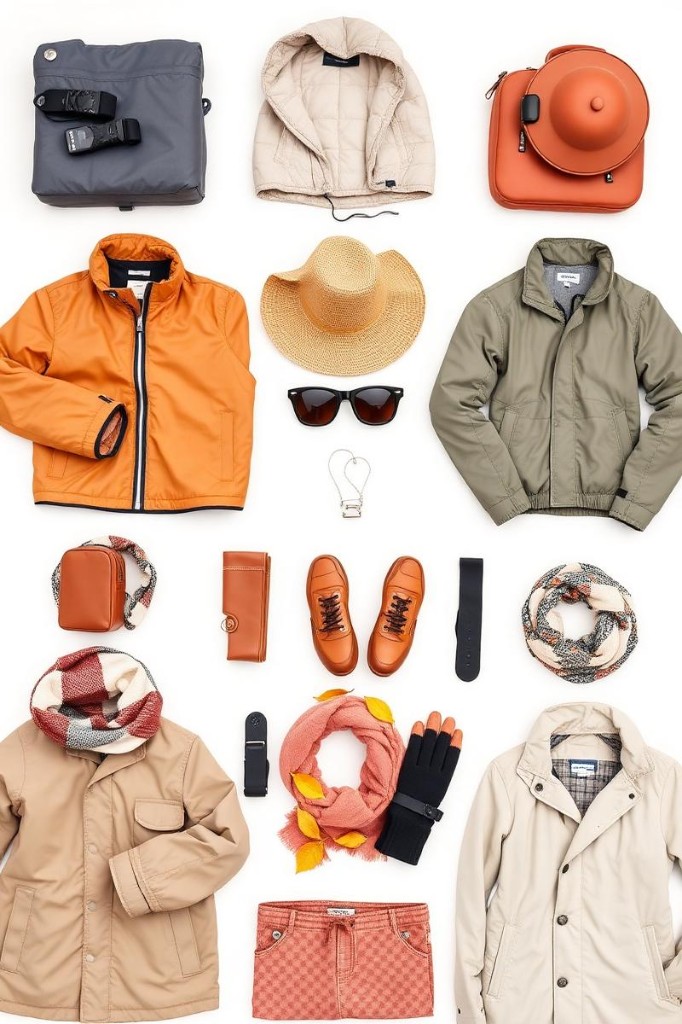
👕 Seasonal packing

Dry season (Nov-Apr): • Lightweight cotton or linen breathable clothing • SPF 50+ sun protection and wide-brimmed hat • Polarized sunglasses are essential • Water shoes for snorkeling excursions • Light windbreaker for morning boat trips

Rainy season (May-Oct): • Lightweight and compact waterproof jacket • Quick-dry clothing is essential • Waterproof sandals or waterproof hiking shoes • Dry bag to protect your cameras • Powerful mosquito repellent (DEET 30%+)

Year-round: • Diving outfit or light 3mm wetsuit • Mineral sunscreen (biodegradable, mandatory in Palau's protected waters) • Basic medical kit including disinfectant and bandages

Travel clothing and gear by season

💰 Seasonal budget

PeriodAccommodation (€/night)Transport (€/day)Dining (€/day)Attractions (€)Traffic
Dec-Feb (High)120-25030-6040-70100-180⭐⭐⭐⭐⭐
Mar-Apr (Pre-season)90-18025-5035-6090-160⭐⭐⭐⭐
May (Transition)70-13020-4030-5580-140⭐⭐⭐
Jun-Aug (Low)50-10015-3525-5070-120⭐⭐
Sep-Oct (Late Monsoon)50-9015-3025-4570-120⭐⭐
November (Pre-high)70-14020-4530-5580-150⭐⭐⭐

💡 Money-saving tips

Multi-trip diving pass: negotiate a weekly package with local dive centers, often 20-30% cheaper than booking per trip

Local vs tourist dining: small restaurants in Meyungs or the Koror market offer authentic dishes for 8-15 USD compared to 25-40 USD in hotel establishments

Alternative accommodation: family guesthouses in Koror offer excellent value for money and a much better cultural immersion than large hotels

Shared transport: organize your excursions in groups with other travelers to share boat rental costs, often divided by 4 or 5

Group permits: the Rock Islands access permit (100 USD) is valid for 10 days; plan several excursions to fully amortize it

🏥 Health and precautions

  • Intense sun: use exclusively biodegradable sunscreens (legal requirement in Palau's protected waters), reapply every 2 hours
  • Hydration: drink at least 2 liters / 0.5 gallons of water per day, more during nautical activities in the bright sun
  • Mosquitoes and insects: mosquito protection is essential, especially in the rainy season; monitor for dengue fever risk
  • Jellyfish and marine life: follow local instructions for swimming with stingless jellyfish in Jellyfish Lake
  • Medical care: the nearest hospital is in Koror; consider taking out travel insurance covering medical evacuations
  • Drinking water: consume only bottled or filtered water; tap water is not recommended in all areas

Events in Palau

Calendar of must-see events near Trail Head

Cultural and sporting events in Palau significantly enrich any visit to Trail Head, immersing travelers in the heart of a vibrant Oceanian culture and a community passionate about its exceptional natural environment.

🇵🇼 Palau Independence Day — October 1st

October 1st marks Palau's Independence, celebrated with pride throughout the archipelago. Traditional dances, cultural ceremonies, local music, and fireworks light up Koror and its surroundings. A unique opportunity to dive into the deep Palauan identity and share a moment of authentic emotion with the locals.

Location: Primarily Koror, with celebrations in villages across the archipelago

Special feature: The only time of the year when the entire population gathers in the streets to celebrate together

Climatic impact: Start of the transition period, variable weather but guaranteed festive atmosphere. Book your accommodation several weeks in advance

Transport access: Local shuttles from Babeldaob airport to Koror, taxis available

Advance tip: Book at least 6 weeks in advance; Koror accommodations fill up quickly around this date

🦈 Palau Shark Week & Marine Festival — November

An event dedicated to the celebration and protection of sharks in the protected waters of Palau, the first country in the world to create a shark sanctuary in 2009. Marine biologist lectures, specialized diving trips with guaranteed sightings of white-tip and grey reef sharks, documentary screenings, and awareness workshops for all ages.

Location: Koror dive centers and Rock Islands marine sites

Special feature: Privileged access to dive sites normally closed to the public to observe sharks in their natural behavior

Climatic impact: November marks the beginning of the dry season, ideal conditions for diving. High demand, reservations mandatory

Transport access: Chartered boats from Koror dock to dive sites

Advance tip: Book your themed diving trips 2 to 3 months in advance with PADI-certified centers in Koror

🎭 Belau Arts & Culture Festival — April

This multidisciplinary festival celebrates the artistic and cultural richness of Palau with traditional art exhibitions, ancestral navigation demonstrations, weaving and wood carving workshops, traditional music concerts, and craft markets. A precious window into the soul of this island people who passionately perpetuate their ancient traditions.

Location: Central square of Koror and Belau National Museum

Special feature: Artisans come from all states of Palau; some techniques presented are only visible here

Climatic impact: April remains in the dry season, pleasant conditions for enjoying outdoor events. Moderate attendance, family atmosphere

Transport access: Walking distance from central Koror, accessible from Trail Head by taxi or rental vehicle

Advance tip: Book your accommodation 4 to 6 weeks in advance to get the best rates for this intermediate period

Seasonal events

Dry season (Nov-Apr): • Palau Independence Day (Oct 1st, transition) • Palau Shark Week (November) • Sport fishing competitions (December-January) • Belau Arts Festival (April) • Traditional outrigger regattas (March)

Rainy season (May-Oct): • World Environment Day celebrated locally (June 5th) • Palau Green Week (June, ecological initiatives) • Traditional village festivals (July-August, variable dates) • National Independence (October 1st)

Local holidays impacting closures: October 1st (Independence), December 25th, and January 1st result in the closure of most businesses and government offices. Plan your shopping and excursions accordingly.

Responsible travel in Trail Head

Visiting Trail Head and Palau implies a particularly strong environmental responsibility: this fragile archipelago is one of the most precious marine ecosystems on the planet. Every travel choice has a direct impact on the preservation of these natural treasures for future generations.

Palau is a pioneer in sustainable tourism globally. The Palau Pledge, signed by every visitor upon entry, solemnly commits to respecting the natural environment and local culture. The use of biodegradable sunscreens is legally mandatory, single-use plastics are banned, and many marine areas are strictly protected. Choosing Trail Head means adhering to a vision of travel where preservation takes precedence over consumption.

🌱 Low-season advantages

Visiting Trail Head in the low season (June-October) significantly reduces pressure on coral reefs and marine species, allows for authentic encounters with Palauans in their daily lives, offers much more accessible prices, and contributes to a more balanced distribution of tourism income throughout the year.

♻️ Sustainable travel tips

Biodegradable sunscreen: legal obligation in Palau; bring your own reef-safe certified brand from home

Zero marine waste: leave absolutely nothing in the water or on the beaches; spontaneously join waste collection efforts organized by local associations

Certified dive centers: choose exclusively nautical providers who are members of the Palau Conservation Society or Green Fins certified

Local dining: prioritize restaurants and markets managed by Palauans to directly support the local economy

Respect protected areas: never dive without an authorized guide in sensitive Rock Islands areas and scrupulously respect safety distances with marine fauna

Local transport: share boats and vehicles with other travelers to reduce the carbon footprint of your excursions

🏙️ Local sustainable initiatives

Palau has implemented an arsenal of remarkable initiatives: first global shark sanctuary created in 2009, marine protected areas covering 80% of territorial waters, the Palau Pledge signed by all visitors, ban on drift fishing nets, active coral restoration program, and partnerships with international marine conservation NGOs to permanently monitor and protect this exceptional ecosystem.

Our recommendations

Recommendations for your stay in Trail Head, Palau

After an in-depth analysis of the climate, tourist traffic, and event calendar of Palau, our recommendation is clear: the ideal window to visit Trail Head extends from November to April, with a marked preference for the months of February and March. These months combine radiant weather, exceptional underwater visibility, particularly active marine life, and rates that are still reasonable before the peak of the dry season. For travelers on a tighter budget or seeking solitude, October and November offer an attractive alternative with clearly improving weather and significantly more accessible prices.

⭐ Optimal period: February - March

Recommended months: February, March

  • Underwater visibility at its maximum, often exceeding 40 meters / 131 feet
  • Pleasant temperatures between 25°C / 77°F and 31°C / 88°F with low relative humidity
  • Marine life at its peak: sharks, manta rays, turtles very active
  • Nautical conditions ideal for all levels of divers
  • Hiking trails and land excursions perfectly practicable

Key events: Traditional outrigger regattas (March), Belau Arts Festival (April as an extension)

Disadvantages: Quite busy period; book accommodation and diving trips at least 2 to 3 months in advance.

Ideal profile: Divers, nature lovers, families, first-time travelers to Palau

Recommended duration: 10 to 14 days to fully enjoy dive sites and land excursions

🌤️ Interesting alternative: November - December

Alternative months: November, December

November and December mark the gradual return of the beautiful season after the rains. The vegetation is still lush, coral reefs are in full health after the wet season, and prices remain softer than in the heart of the high season. An ideal alternative for those who wish to enjoy Palau without enduring the crowds of January-March.

Specific advantages: Accommodation rates 20 to 30% lower than high season, few tourists in November, festive atmosphere in December with the local population, corals particularly vibrant after the monsoon

For whom: Flexible travelers, experienced divers, couples, lovers of authentic encounters with locals

👥 Tips for your travel style

Families: Prefer March-April for safe conditions and activities adapted to all ages (beginner snorkeling, Jellyfish Lake discovery, mangrove kayaking). Affordable family accommodations in Koror. Transport by taxi or rental vehicle recommended.

Tight budget: November and October offer the best value for money. Family guesthouses in Koror (40-70 USD/night), local market restaurants (8-15 USD/meal), shared excursions between travelers.

Culture & history: April is ideal for combining the Belau Arts Festival with a visit to the national museum and traditional villages. Stay in central Koror to do everything on foot.

Diving & adventure: February-March for diving at Blue Corner and German Channel. Book with certified PADI centers in Koror. 3mm wetsuit sufficient year-round.

First trip: December-January for perfect weather, a complete tourist offer, and maximum safety. Plan at least 10 days to discover the essentials.

⚠️ Periods to avoid: July - September

Months not recommended: July, August, September

Reasons: Maximum rainfall with 340-350 mm / 13-14 inches of rain per month, risk of typhoons and tropical cyclones (especially in August-September), reduced underwater visibility, some dive centers and nautical providers partially or totally close, difficult access to certain islands

Nuances: For experienced divers and adventurers accepting weather risks, this period offers total solitude and unbeatable rates. Diving remains technically possible during favorable weather windows. Travelers passionate about tropical rainy nature may find a particular beauty in the water-soaked landscapes of this season.

Villes du même pays

All cities

Frequently Asked Questions

Everything you need to know to plan your stay in Trail Head with peace of mind, from the best climatic periods to budgets by season, and the ideal duration for your Palauan adventure.

What is the best month to visit Trail Head?

The months of February and March represent the best compromise for visiting Trail Head. The dry season is in full swing, underwater visibility often exceeds 40 meters / 131 feet, temperatures oscillate pleasantly between 25°C / 77°F and 31°C / 88°F, and marine life is particularly active. Tourist traffic remains manageable compared to the December-January peak. For those who prioritize authenticity and lower prices, November is an excellent alternative with weather clearly improving after the rainy season and far fewer visitors at the sites.

How many days should I plan for Trail Head?

Plan for at least 7 days to discover Trail Head and its surroundings under good conditions. This minimum stay will allow you to combine two or three diving trips to iconic sites like Blue Corner and German Channel, a full-day excursion to the Rock Islands, the cultural discovery of Koror, and some hiking. For a truly complete experience including the island of Peleliu (World War II historical site) and Jellyfish Lake, ideally count on 10 to 14 days.

What to do in Trail Head in case of rain?

Tropical showers do not mean the end of activities in Trail Head! Scuba diving remains excellent regardless of surface weather, often even improved by rain with calmer seas. On land, the Belau National Museum in Koror offers a fascinating immersion into Palauan history and culture. Traditional cooking classes, local craft workshops, and visiting Koror's artisan shops will pleasantly complete your day. Cave diving and exploring mangroves by kayak also remain practicable in the rain.

Which events should not be missed in Trail Head?

The Palauan calendar holds several highlights not to be missed. The Independence Day on October 1st plunges the entire archipelago into a festive and colorful atmosphere with traditional dances and ceremonies. Palau Shark Week in November offers exclusive shark diving trips in exceptional conditions. The Belau Arts & Culture Festival in April is a unique showcase of Palauan artistic creation. Finally, the traditional outrigger regattas in March are a genuinely memorable sporting and cultural spectacle.

What budget should I plan according to the season?

The budget varies considerably depending on the chosen season. In high season (December-March), count between 180 and 380 EUR per day per person (decent accommodation + diving trips + dining). In mid-season (April-May and November), the budget drops to 130-250 EUR per day. In low season (June-October), it is possible to travel for 100-180 EUR per day. Note that diving trips (70-120 USD/trip) and the Rock Islands access permit (100 USD for 10 days) are the largest expenses, regardless of the season.