When to visit Ngaraard? Complete Guide

Between lush jungle and turquoise waters, Ngaraard reveals its treasures in every season, but certain periods will offer you truly incomparable magic.

  • 0.5K population
  • Palauan, English language
  • 240 days rainy days/year
  • December to March best time to visit
  • 3 to 5 days recommended stay

Weather and Climate Trends in Ngaraard

Understanding the tropical oceanic climate of Ngaraard, Palau

Ngaraard enjoys a warm and humid tropical oceanic climate, typical of Micronesia. Located on the island of Babeldaob, at approximately 7° north latitude, the state experiences stable temperatures year-round between 24°C / 75.2°F and 31°C / 87.8°F. The proximity to the Pacific Ocean and dense forest cover strongly influence rainfall and humidity levels.

  • Coastal Zone: Oceanic climate tempered by trade winds with refreshing sea breezes
  • Inland Zone: Slightly higher temperatures with maximum humidity
  • Reef Zone: Microclimate influenced by the proximity of the lagoon
MonthMin Temp (°C / °F)Max Temp (°C / °F)Precipitation (mm)Sunshine (h/day)Tourist TrafficRecommended Activities
January24 / 75.229 / 84.22505★★☆☆☆Hiking, Ngardmau waterfalls, diving
February24 / 75.229 / 84.22006★★☆☆☆Mangrove exploration, snorkeling, village tours
March24 / 75.230 / 862106★★★☆☆Nature hiking, wildlife observation
April25 / 7731 / 87.82606★★★☆☆Diving, kayaking, cultural visits
May25 / 7731 / 87.83505★★☆☆☆Tropical forest discovery, local fishing
June25 / 7731 / 87.83804★☆☆☆☆Inland tours, Palauan crafts
July25 / 7730 / 864004★☆☆☆☆Local culture, lodge relaxation
August25 / 7730 / 864054★☆☆☆☆Ethnobotanical discovery, crafts
September25 / 7730 / 864204★☆☆☆☆Traditional fishing, mangroves
October25 / 7730 / 863854★★☆☆☆Independence celebrations, diving
November25 / 7730 / 863005★★☆☆☆Hiking, bird watching
December24 / 75.229 / 84.22505★★★☆☆Diving, kayaking, traditional festivals

Altitude variations are minimal in Ngaraard, maintaining homogeneous temperatures across the territory. Maritime influence predominates with limited thermal variations between different zones.

The seasons in Ngaraard

Must-sees by weather in Ngaraard

Whether the sun is shining or tropical rains are visiting, Ngaraard always reserves remarkable experiences. Organize your stay intelligently according to the conditions of the moment so you don't miss any of its natural and cultural wonders.

☔ In overcast or rainy weather

Sheltered activities and Palauan culture

Rainy days are the perfect opportunity to dive into the cultural and human richness of Ngaraard and Palau.

  • 🏛️ Ngaraard Men's Meeting House (Bai) — Masterpiece of traditional Palauan architecture | Visit: 1h | Entry: ~5 USD | Year-round
  • 🎨 Local craft workshops — Wood carving, Palauan basket weaving | Visit: 1-2h | Free or voluntary contribution
  • 🐠 Babeldaob Ecological Information Center — Presentation of marine and terrestrial biodiversity | Visit: 1h | Free
  • 🏠 Meeting with clan chiefs — Immersion in Ibedul and Ruchuul traditions | By prior arrangement
  • 📚 Palau Cultural Library and Archives (Koror) — Access to historical tales and traditions | Visit: 2h | Free

Practical Tip: Book guided tours of traditional houses in advance — access is regulated to preserve sacred sites.

Tip: Combine cultural visits with a tasting of traditional Palauan cuisine (taro, smoked fish) in the villages.
☀️ In good weather

Outdoor and natural wonders

When the Ngaraard sky clears, nature reveals its absolute tropical splendor, between majestic waterfalls, primary forests, and breathtaking coasts.

  • 💧 Ngardmau Waterfalls — The largest waterfall in Palau, accessible by hiking | Duration: 3-4h round trip | Best time: 8am-10am | ~10 USD
  • 🌿 Babeldaob Primary Forest Trail — Jungle trek with local guides | Duration: 2-5h | Morning recommended
  • 🐦 Bird watching — Palau fantail, parrots, kingfishers | Dawn and dusk
  • 🚣 Mangrove kayaking — Exploration of roots and coastal wildlife | 2-3h | Rental: ~25 USD
  • 🤿 Coastal snorkeling — Coral reefs accessible from the coast | Morning (best visibility) | ~15-30 USD
  • 🏝️ Isolated beaches of northern Babeldaob — Absolute solitude, crystal clear waters | All day

Best Moment: Sunrise over the canopy from the heights of Ngaraard, then golden hour on the coast in the late afternoon.

Seasonal Tip: December to March offers the best conditions for underwater visibility and trail passability.

🌤️ Versatile for all weather

Flexible sites regardless of weather

Some sites in Ngaraard can be visited with pleasure in any weather, combining indoor and outdoor discoveries depending on the conditions of the moment.

  • 🌺 Traditional villages of Ngaraard — Architecture, gardens, human encounters | All seasons
  • 🐢 Coastal marine conservation zones — Observation possible in all weather from the shore
  • 🌳 Medicinal and ethnobotanical gardens — Guided tour under forest cover

Weather Tip: If it rains, take refuge in a village for a craft workshop, then resume hiking as soon as it clears.

Typical Itinerary: Morning — Hike to Ngardmau waterfalls | Noon — Meal in a local home | Afternoon — Visit the Bai and weaving workshop | Evening — Sunset on the coast.

💰 Free or economical

Ngaraard for little to no cost

  • 🌊 Beaches of northern Babeldaob — Free access, guaranteed wild beauty
  • 🌿 Public forest trails — Free hiking in the jungle (guide recommended but not mandatory)
  • 🐦 Bird watching from the coastal road — Free, binoculars recommended
  • 🎭 Independence Day celebrations — October 1st, free public festivities in the villages

Free Days: Palauan national holidays provide access to cultural activities open to everyone at no cost.

Budget Tips: Buy fruits and vegetables directly from local farmers, stay in a homestay for an authentic and economical experience.

Practical Guide

Preparing for your stay in Ngaraard is primarily about adapting to the tropical nature. The hot and humid climate requires a few simple but essential clothing and logistical adjustments. Whether you arrive in the dry season or the middle of the monsoon, anticipating the right outfits and equipment will make all the difference between an exhausting trip and a memorable adventure.

👕 Seasonal packing

Dry Season (December – March): • Lightweight clothing in breathable fibers (cotton or linen) • Lightweight waterproof hiking shoes • Wide-brimmed hat and sunglasses • SPF 50+ sunscreen • Mosquito repellent • Lightweight poncho for unpredictable showers • Waterproof backpack

Transition and Rainy Season (April – November): • Quick-dry clothing is mandatory • Lightweight raincoat or compact poncho • Non-slip walking shoes • Dry bag for cameras and documents • Reinforced insect repellent • Anti-malarial medication if recommended by your doctor

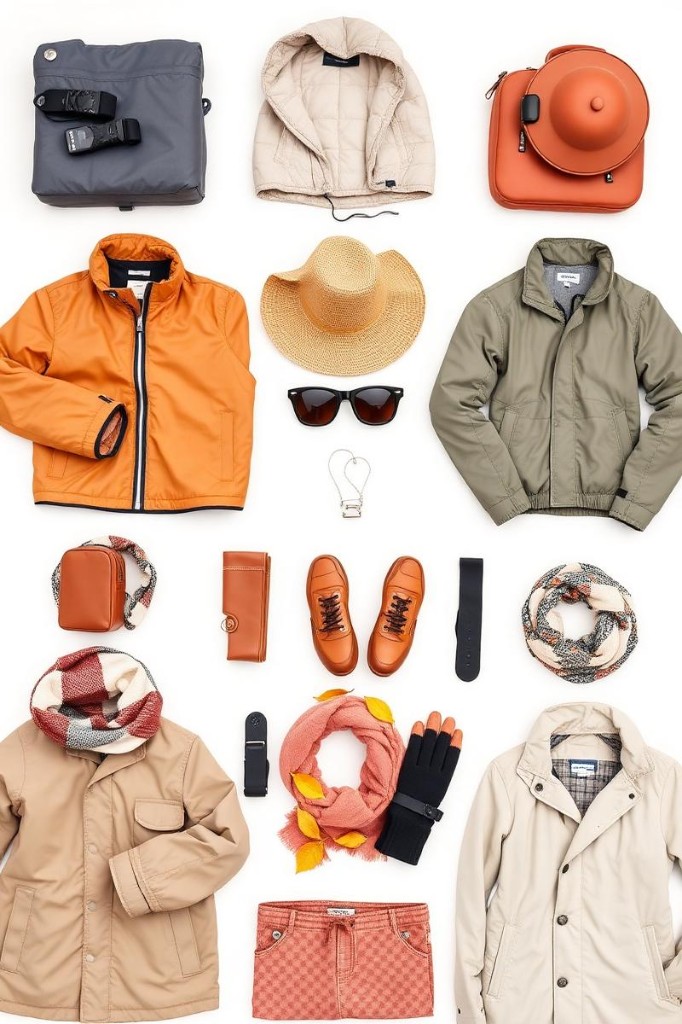
Travel clothing and gear by season

💰 Seasonal budget

PeriodAccommodation (USD/night)Transport (USD/day)Meals (USD/day)Activities (USD)Traffic
Dec – Feb (high)80 – 15020 – 4025 – 5020 – 60★★★☆☆
Mar – Apr (shoulder)60 – 12020 – 3520 – 4515 – 50★★★☆☆
May – Jun (low)40 – 8015 – 3015 – 3510 – 40★★☆☆☆
Jul – Sep (off)30 – 6015 – 2515 – 3010 – 35★☆☆☆☆
Oct – Nov (transition)40 – 9015 – 3015 – 4010 – 45★★☆☆☆

💡 Money-saving tips

Opt for a homestay: staying with a local in Ngaraard costs 30 to 60 USD/night all-inclusive and offers authentic cultural immersion.
Negotiate group excursions: local guides often offer reduced rates for groups of 3 or more people.
Eat local: small village restaurants serve hearty Palauan dishes for less than 10 USD.
Travel off-season: the months of June to September offer prices 40 to 60% lower than high-season rates.
Limit private transfers: share transport with other travelers or opt for collective minibuses between Koror and Babeldaob.

🏥 Health and precautions

  • Essential hydration: drink at least 2 liters / 0.5 gallons of water per day in the tropical heat
  • Mosquito repellent to be reapplied every 3-4 hours, especially at dusk
  • Consult a doctor before departure for anti-malarial prophylaxis recommended for Palau
  • Enhanced sun protection: tropical sunlight is intense even on cloudy days
  • Suitable footwear to avoid falls on slippery trails in the rainy season
  • Nearest pharmacy available in Koror — bring a complete personal first-aid kit

Events in Ngaraard

Calendar of must-see events in Ngaraard and Palau

In Ngaraard, cultural and national events punctuate the year with intense festive moments, offering visitors privileged access to vibrant Palauan traditions and the pride of this small island state.

🎉 Palau Independence Day — October 1st

October 1st marks Palau's independence, proclaimed in 1994. In the villages of Ngaraard, traditional ceremonies, dances, songs, and community meals enliven the men's meeting houses (Bai) and village squares. It is one of the rare opportunities to witness authentic Palauan rituals in a non-touristy setting.

Location: Ngaraard villages, notably Ngaraard village center and community Bais

Special Feature: Free access to ceremonies, participation of traditional clans

Impact: Accommodations in northern Babeldaob may be full — book 1 to 2 months in advance

Access: By car from Koror (~45 min via national road RN1)

Tip: Arrive the day before to witness the preparations in the villages

🌊 Belau Marine Festival — November

This festival dedicated to marine conservation and Palauan sea culture brings together traditional fishermen, scientists, and travelers around the ocean. Features demonstrations of ancestral fishing techniques, guided dives in protected areas, and conferences on Pacific biodiversity.

Location: Palau coasts, with participation from northern states including Ngaraard

Special Feature: Event focused on environmental education and the Palau Pledge

Impact: Slight increase in visitors in November, festive and activist atmosphere

Access: From Koror, maritime shuttles organized to coastal sites

Tip: Book your diving trips 3 to 4 weeks in advance during the festival period

🌺 Traditional Clan Festivals (Ocheraol) — Varies by year

Ocheraol ceremonies are rites of passage and clan celebrations deeply rooted in Palauan culture. Births, weddings, funerals, or the bestowing of traditional titles: these events, when opened to visitors by invitation, offer a unique dive into Palau's matrilineal society.

Location: Men's meeting houses (Bai) and family homes in Ngaraard villages

Special Feature: Access by invitation only — contact your local guide in advance

Impact: No tourist pressure, an experience of absolute rarity

Access: Exclusively via a trusted local guide who knows the families

Tip: Strictly respect the dress codes and behavioral guidelines provided by your guide

Seasonal events

Dry Season (December – March): • Traditional fishing competitions (January – February) • Group diving trips organized by lodges (December – March) • Christmas craft markets in Koror (December)

Transition (April – May): • Planting ceremonies in taro gardens • Guided mangrove kayak trips by local associations

Rainy Season (June – September): • Intensive craft workshops in villages (July – August) • Conferences and screenings on tropical wildlife

End of Monsoon (October – November): • Independence Day celebrations (October 1st) • Belau Marine Festival (November) • Return of organized hiking trips (mid-November)

Responsible Travel in Ngaraard

Visiting Ngaraard means entering one of the most fragile and best-preserved tropical ecosystems in the Pacific. Every travel choice — season, accommodation, activity — has a direct impact on this natural balance and on the local communities who are its guardians.

Ngaraard and Palau are a global model for environmental conservation. The country has banned industrial fishing in its waters, created the world's first shark sanctuary, and requires every visitor to sign the Palau Pledge, a solemn commitment to respect nature. Choose accommodations made of local wood, avoid any contact with corals during your dives, and buy only certified local crafts to directly support Ngaraard families.

🌱 Low-season advantages

Traveling to Ngaraard off-season (June to October) helps to significantly reduce the pressure on fragile ecosystems, avoid overcrowding on trails and reefs, and benefit from a deeply authentic human experience in contact with the locals.

♻️ Sustainable travel tips

Sign and respect the Palau Pledge: this legal commitment obliges you to protect nature — take it seriously.
Choose certified local guides: your money directly supports Ngaraard families.
Zero plastic waste: bring your reusable water bottle — single-use plastic is banned in Palau.
Never touch corals or marine wildlife, even unintentionally.
Buy local: crafts, food, transport — always favor Ngaraard producers.
Walk rather than rent a vehicle for short distances in the village.

🏙️ Local sustainable initiatives

Palau is a pioneer in eco-tourism: national marine sanctuary covering 80% of the country's waters, ban on chemical sunscreens harmful to corals, reforestation program for the hills of Babeldaob, and active community recycling initiatives in Ngaraard. The Palau Pledge, stamped into every visitor's passport, is a unique global model of responsible tourism.

Our Recommendations

Recommendations for your stay in Ngaraard according to your profile

Ngaraard reveals its best side from December to March, when the dry season offers ideal weather conditions to explore its natural treasures. This is the period when underwater visibility is at its maximum, hiking trails are passable, and humidity remains bearable. For travelers with a flexible budget, March and April are an excellent alternative, with reasonable rates and nature beginning to show its summer lushness. Avoid the months of July to September if possible if you are sensitive to torrential rains and typhoon risks.

Optimal Period: December to March

Recommended Months: December, January, February, March

  • Best weather conditions of the year with reduced humidity
  • Exceptional underwater visibility for diving and snorkeling
  • Passable hiking trails to the Ngardmau waterfalls
  • Peaceful and authentic atmosphere, far from tourist crowds
  • Sufficient daily sunshine for outdoor activities

Key Events: End-of-year craft markets (December), diving trips organized by lodges

Disadvantages: Accommodations slightly more expensive in December-January | Some tropical showers remain possible

Ideal Profile: Divers, hikers, lovers of pristine nature, travelers seeking cultural immersion

Recommended Duration: 4 to 5 days minimum to enjoy the main attractions

Interesting Alternative: October to November

Alternative Months: October, November

The transition to the dry season offers a travel window that is very attractive for curious travelers. Rains become less frequent, prices remain accessible, and the cultural atmosphere of Independence Day (October 1st) adds a unique festive dimension to your stay. Nature, still lush with greenery, is particularly photogenic.

Specific Advantages: Accommodation rates 20 to 40% cheaper than in high season | Palauan national celebrations | Very few tourists | Landscapes of exceptional lushness

For Whom: Travelers curious about local culture, budget travelers, nature photographers, adventurers tolerant of weather variations

👥 Tips for your travel style

Family: December to February | Nature activities suitable for children (mangrove kayaking, bird watching) | Homestay for gentle cultural immersion | Avoid technical trails in the rainy season

Budget: October to November or April | Homestay 30-60 USD/night | Meals with local families | Free activities (beaches, trails, national holidays)

Culture: October (Independence Day) or December-January | Clan ceremonies via local guide | Visit traditional Bais | Craft workshops

Romantic: February to March | Isolated beaches of northern Babeldaob | Lodge by the lagoon | Sunsets over the canopy | Private dinner with a local fisherman

First Trip / Discovery: January to March | Ideal for discovering Ngaraard in optimal conditions | Combine hiking, diving, and village visits in 4-5 days

Periods to Avoid: July to September

Discouraged Months: July, August, September

Reasons: Maximum rainfall (400 mm / 15.7 inches per month and more) | High risk of typhoons in the western Pacific | Impassable and slippery trails | Very reduced underwater visibility | Oppressive humidity continuously | Some lodges and providers close or reduce their services

Nuances: If you are a seasoned adventurer seeking absolute solitude and rock-bottom prices, the rainy season can be a unique experience — provided you are perfectly equipped and traveling with an experienced local guide.

Villes du même pays

All cities

Frequently Asked Questions

Are you planning your trip to Ngaraard and still have questions? Here are the answers to the most common queries to help you organize your stay with peace of mind.

What is the best month to visit Ngaraard?

The best month to visit Ngaraard is January or February, in the heart of the dry season. The sky is relatively clear, temperatures range between 24°C / 75.2°F and 29°C / 84.2°F, and underwater visibility reaches its peak. Trails to the Ngardmau waterfalls are perfectly passable and the humidity, while always present in the tropics, remains bearable. December and March are also excellent choices, with slightly more advantageous rates than in January-February. Avoid July and August, which are marked by torrential rains and a non-negligible risk of cyclones.

How many days should I plan for Ngaraard?

3 to 5 days are sufficient to discover the main attractions of Ngaraard. One day for the Ngardmau waterfalls and forest hiking, one day for mangrove kayaking and coastal snorkeling, and one day for cultural immersion in the villages and visiting the traditional Bais. If you wish to combine this with Koror and its famous Jellyfish Lake or Rock Islands, plan for 7 to 10 days in total for Palau. Diving enthusiasts will appreciate extending their stay to 7 days to maximize their outings.

What to do in Ngaraard when it rains?

Tropical rain should not stop your exploration! Visit the men's meeting houses (Bai), true masterpieces of Palauan architecture. Participate in a craft workshop in a local home: weaving, wood carving, or traditional cooking with taro. Paradoxically, rains enhance the majesty of the Ngardmau waterfalls — a visit under a light drizzle can be unforgettable with the right gear. Also, take the opportunity to immerse yourself in the philosophy of life of the Ngaraard locals, far from mass tourism.

Which events should not be missed in Ngaraard?

Palau Independence Day on October 1st is the must-see event: traditional dances, clan ceremonies, and community meals enliven the villages of Ngaraard in a festive and authentic atmosphere. In November, the Belau Marine Festival celebrates ocean conservation with guided diving trips and demonstrations of ancestral fishing. Ocheraol ceremonies, clan rites to which some privileged visitors are invited via their guide, constitute the rarest and most precious cultural experience in the region.

What budget should I plan according to the season?

In high season (December – March), expect 120 to 250 USD per day (accommodation, meals, activities, transport). In shoulder season (April, October, November), the budget drops to 80 to 150 USD/day. In low season (May – September), it is possible to travel to Ngaraard for 60 to 100 USD/day by opting for homestays and local cuisine. Flights from Europe represent the largest budget item (900 to 2,000 EUR depending on the season) — book 3 to 6 months in advance for the best rates.