When to visit Phong Nha-Kẻ Bàng Park? Complete Guide

Between the ideal dry season and tropical rains, each season reveals a unique face of this Vietnamese karst sanctuary.

  • 0.003 M population
  • Vietnamese language
  • 160 days rainy days/year
  • February to August best time to visit
  • 3 to 7 days recommended stay

Weather and climate of Phong Nha-Kẻ Bàng

Understanding the tropical climate of Phong Nha-Kẻ Bàng

Phong Nha-Kẻ Bàng National Park enjoys a tropical monsoon climate, influenced by the Trường Sơn mountain range and the South China Sea. Rainfall, concentrated between September and January, can cause flooding. The dry season (February–August) offers the best conditions for exploring the caves and dense jungle.

  • Cave zone: Constant temperature of 18-22°C / 64-72°F with high humidity
  • Tropical forest: Hot and humid climate, exceptional biodiversity
  • Underground rivers: Natural coolness, ideal for caving
MonthMin Temp (°C / °F)Max Temp (°C / °F)Rainfall (mm)Sunshine (h/day)Tourist TrafficRecommended Activities
January16 / 6122 / 72703★★☆☆☆Visiting interior caves, relaxing
February17 / 6324 / 75504★★★☆☆Caves, start of trekking
March19 / 6627 / 81455★★★☆☆Trekking, kayaking, caves
April22 / 7230 / 86806★★★★☆All caves, hiking
May25 / 7733 / 911207★★★★☆Nature, caves, kayaking
June26 / 7935 / 951007★★★★★Peak season, caves, adventure
July26 / 7935 / 95807★★★★★Caves, hiking, swimming
August26 / 7933 / 911806★★★☆☆Main caves, monitor rainfall
September24 / 7530 / 864504★★☆☆☆Dry caves only, caution
October22 / 7227 / 815503★☆☆☆☆Very limited access, flood risk
November19 / 6624 / 753503★☆☆☆☆Interior caves only
December17 / 6322 / 721503★★☆☆☆Cave visits, mild stay

Altitude variations from 200 to 1000 meters (656 to 3,281 feet) create diverse ecosystems. The caves maintain a stable temperature while the forest canopy provides natural protection against high heat.

The seasons in the park

Must-sees according to the weather

Depending on the season and weather conditions, certain areas of Phong Nha-Kẻ Bàng National Park are more accessible than others. Here is how to organize your visit intelligently according to the weather.

☔ In cloudy or rainy weather

Interior caves and natural shelters

The park's caves are an ideal natural refuge in rainy weather. Cool, spectacular, and completely protected from the elements, they offer an unforgettable experience regardless of the weather outside.

  • 🕍 Paradise Cave (Thiên Đường) — 7 km / 4.3 mi of galleries, 1.5h guided tour, ~250,000 VND (~9 EUR), open year-round except during floods
  • 🚤 Phong Nha Cave — boat access, 45 min navigation + 1h tour, ~150,000 VND (~5 EUR), very accessible
  • 💡 Dark Cave (Hang Tối) — zipline, indoor kayaking, mud bath, ~450,000 VND (~16 EUR), closed during flood periods
  • 🌑 Tien Son Cave — adjacent to Phong Nha, magnificent stalactites, price included in the boat ticket
  • 🦇 Park Interpretation Center — exhibitions on biodiversity and karst geology, free entry

Practical tip: Book your tickets for Paradise Cave online at least 48h in advance in high season. A light raincoat remains useful at the cave entrance.

Trick: Combine Phong Nha Cave (morning by boat) with Paradise Cave (afternoon by shuttle bus) for a full day indoors.
☀️ In good weather

Jungle, rivers, and open-air karst landscapes

The dry season reveals the entire external richness of the park: dense primary forest, crystal-clear rivers, dizzying karst landscapes, and ethnic villages at the heart of the biodiversity.

  • 🏞️ National Park Trail — 2 to 6h hike depending on the circuit, guide mandatory, 7 am departure recommended
  • 🚣 Kayaking on the Son River — 2 to 4h navigation, sunset over the karsts at 5:30 pm (best light)
  • 🚲 Bicycle to Phong Nha village — 20 km / 12.4 mi round trip, morning departure before 9 am to avoid the heat
  • 🌿 Ho Chi Minh Trail circuit — historic forest trek, 1 day, guide required, dawn departure
  • 🏖️ Nuoc Mooc river beach — swimming in turquoise natural springs, ideal between 10 am and 3 pm

Best time: Sunrise over the karsts (6 am-7:30 am) for photography, golden hour at 5 pm-6 pm on the river.

Seasonal tip: Favor March to May to combine coolness and accessibility. Avoid hiking in the direct sun from June to July between 11 am and 3 pm.

🌤️ Versatile for all weather

Flexible sites, combined interior and exterior

These sites offer exploration possibilities both indoors and outdoors, allowing you to spontaneously adapt to the whims of the tropical climate.

  • 🛶 Phong Nha village — riverside walk, local market, restaurants, accessible in all weather
  • 🌲 Phong Nha Farm Stay — gardens, animals, local cuisine, indoor retreat possible on the veranda
  • ⛩️ Phong Nha Pagoda — spiritual site with boat or foot access, partially covered

Weather trick: If it starts raining during a hike, head to the village by following the Son River: riverside restaurants serve as friendly natural shelters.

Itinerary example: Morning: kayaking on the river + pagoda. Afternoon (if raining): Phong Nha Cave by boat. Evening: dinner at the village night market.

💰 Free or budget-friendly

Discoveries for little to no cost

  • 🌄 Viewpoint of the karsts from the Ho Chi Minh road — free panorama, free access by bike or motorbike
  • 🎣 Banks of the Son River at sunset — free walk, natural spectacle, and authentic local life
  • 🛕 Ethnic village of Phong Nha — meet the locals, morning market, no entrance fee
  • 🌊 Nuoc Mooc Spring (symbolic entry) — about 80,000 VND (~3 EUR), one of the most beautiful natural springs in the country

Free days: No general entrance fee to the park, only caves are charged individually.

Budget tips: Rent a bike (~2 EUR/day) to explore the perimeter for free. Local markets offer full meals for under 1 EUR.

Practical Guide

Preparing for your trip to Phong Nha-Kẻ Bàng National Park requires special attention to the tropical seasonal calendar. Between intense heat, sudden rains, and access closures, proper equipment and rigorous planning make the difference between an unforgettable adventure and a complicated stay.

👕 Seasonal packing

Cool dry season (Feb.–Apr.): • lightweight waterproof trekking shoes • windbreaker for cool mornings • breathable t-shirts • lightweight convertible pants • headlamp for caves
Hot dry season (May–Aug.): • ultra-light sweat-wicking clothing • wide-brimmed hat and SPF 50 sunscreen • water sandals for kayaking • waterproof spare clothing • portable mosquito net
Wet season (Sept.–Nov.): • full-length poncho raincoat • ankle-high hiking boots • dry bag for cameras • quick-dry clothing • medical kit with anti-diarrheal medication
Winter transition (Dec.–Jan.): • light warm layer for evenings • closed-toe non-slip shoes • compact waterproof windbreaker
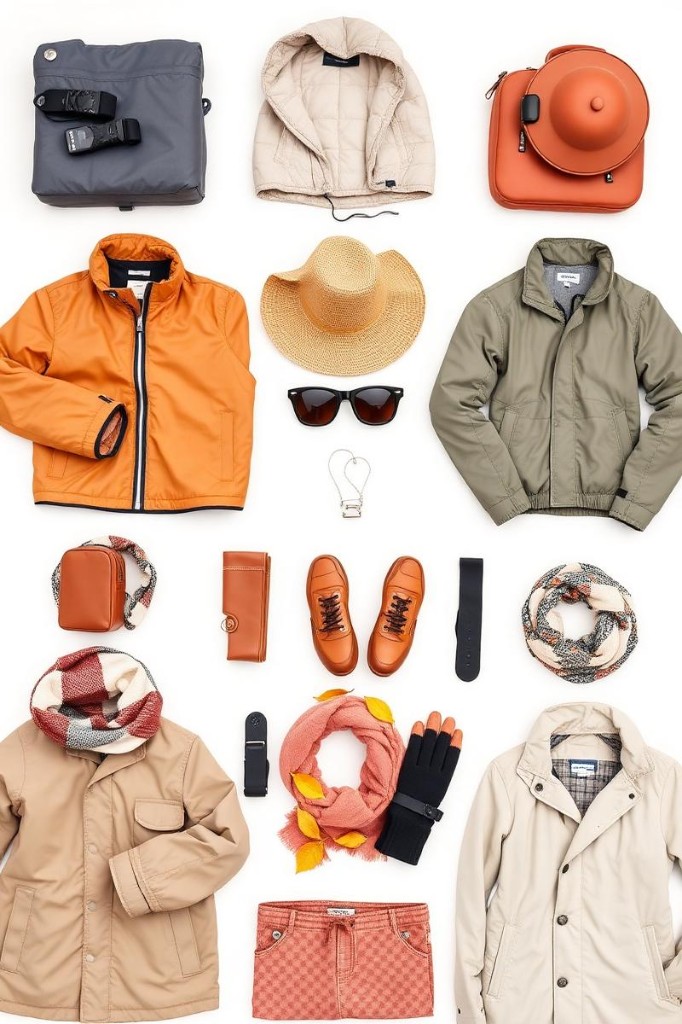
Travel clothing and gear by season

💰 Seasonal budget

PeriodAccommodation (EUR/night)Transport (EUR/day)Meals (EUR/day)Attractions (EUR)Traffic
Feb.–Apr.15–405–108–1510–20★★★☆☆
May–June25–608–1210–2015–30★★★★☆
July–Aug.30–7010–1510–2015–50★★★★★
Sept.–Oct.8–205–86–125–10★☆☆☆☆
Nov.–Jan.10–255–87–138–15★★☆☆☆

💡 Money-saving tips

  • Buy bundled cave tickets directly at the Park office: combined packages save up to 30%.
  • Rent a bicycle or motorbike rather than taking taxis: the local network is simple and perfectly suited for independent exploration.
  • Eat at local morning market stalls rather than tourist restaurants: full meals between 0.80 EUR and 2 EUR.
  • Book the Son Doong excursion at least 12 months in advance (price fixed at ~3,000 USD): the wait is unavoidable for this exceptional tour.
  • Stay in village homestays for a rate 40% lower than hotels while living an authentic experience.

🏥 Health and precautions

  • Protect yourself from mosquitoes (dengue is present in the region) with DEET repellent and covering clothing at dusk
  • Hydration is essential in the hot season: minimum 2L / 0.5 gal of water/day, avoid tap water
  • Closed-toe shoes are mandatory for trekking: risk of snakes and scorpions in the undergrowth
  • Medication for digestive issues should be planned: frequent changes in diet
  • Nearest pharmacy: Dong Hoi city, 50 km / 31 mi away — bring a complete first-aid kit
  • Recommended vaccinations: Hepatitis A, Typhoid, Rabies (for long stays in the forest)

Events and festivals

Calendar of must-see events in Phong Nha-Kẻ Bàng

Traditional Vietnamese holidays and local events deeply enrich the park experience, transforming your stay into a complete cultural and natural immersion.

🎆 Tet — Lunar New Year (January–February)

Tet is the most important holiday in Vietnam and radically transforms the atmosphere around the park. Vietnamese families gather, markets come alive with golden decorations, fireworks light up the Son River, and local temples host moving spiritual processions. It is a unique immersion into deep Vietnamese culture.

Location: Phong Nha village, local pagodas, banks of the Son River

Special feature: Locals often share traditional meals with respectful travelers

Impact: Many providers close for 3 to 5 days around Tet — plan accordingly. Accommodation booking is essential 3 months in advance.

Transport access: Train from Hanoi or Ho Chi Minh City to Dong Hoi, then local shuttle

Tip: Book your accommodation at least 3 months in advance for this period of very high national demand.

🕍 Phong Nha Cave Festival (March–April)

This annual festival celebrates the site's karst and spiritual heritage with boat processions on the Son River, offerings at the entrance of the sacred cave, and traditional dance performances. Boats decorated with lanterns create a visual nighttime spectacle of rare beauty, accompanied by folk music from the Bru-Van Kieu ethnic group.

Location: Phong Nha pier, main cave

Special feature: Flower-decorated boat procession on the river, unique in Vietnam

Impact: High local attendance, incomparable festive atmosphere, some cave access restricted during ceremonies

Transport access: Local bus from Dong Hoi (50 km / 31 mi, ~1h), shuttles organized from hotels

Tip: Book 6 to 8 weeks in advance and plan for alternative accommodation in Dong Hoi if the village is full.

🌿 World Environment Day / UNESCO Events (June)

Each year in June, Phong Nha-Kẻ Bàng National Park celebrates its dual UNESCO status (World Natural Heritage, 2003 and 2015) with environmental awareness days, free guided hikes, and workshops on local biodiversity. A rare opportunity to meet the park's scientists and rangers and understand conservation challenges.

Location: Park Visitor Center, marked interior trails

Special feature: Free access to some normally paid trails, meetings with park biologists

Impact: Niche event, low tourist traffic, enriching and intimate experience

Transport access: Bicycle from Phong Nha village (15 min), no special transport needed

Tip: Register via the park office at least 2 weeks in advance for special guided workshops.

Seasonal events

Spring (Feb.–Apr.): • Tet (Jan.–Feb.) — Phong Nha village, national holiday with partial closures • Cave Festival (Mar.–Apr.) — river processions and traditional dances • Liberation Day (Apr. 30) — national holiday, high Vietnamese attendance
Summer (May–Aug.): • Vietnamese school holidays (June–Aug.) — peak national attendance, bookings mandatory • World Environment Day (June 5) — free park activities • Vietnamese National Day (Sept. 2) — long weekend, high demand
Autumn (Sept.–Nov.): • Mid-Autumn Festival / Trung Thu (Sept.–Oct.) — lanterns and mooncakes in the village, very picturesque despite the rain
Winter (Dec.–Jan.): • Christmas and Western New Year — slight increase in international attendance, relaxed atmosphere in the village

Responsible tourism in the park

Visiting Phong Nha-Kẻ Bàng National Park involves a special eco-touristic responsibility. This ultra-sensitive site, twice listed by UNESCO, struggles to support overcrowding and the degradation of fragile underground and forest environments.

The park is home to one of the best-preserved primary forests in Southeast Asia, a refuge for rare endemic species. Choosing licensed local guides, avoiding illegal caves, respecting silence zones in sanctuaries, and carrying out all your waste are elementary but decisive actions for the site's sustainability.

🌱 Low-season advantages

Visiting the park outside the tourist peak (December to February, excluding Tet) reduces pressure on underground ecosystems, allows for an authentic experience with local communities, offers much more accessible rates, and reduces the collective carbon footprint of mass tourism.

♻️ Sustainable travel tips

  • Choose exclusively local guides certified by the National Park: their income directly supports the site's conservation
  • Never touch stalagmites and stalactites during cave visits: a simple fingerprint disrupts their growth for several decades
  • Carry a reusable water bottle: plastic bottles are a major scourge in rural areas of Vietnam
  • Opt for cycling or walking in the village and park surroundings rather than taxis or polluting motorbikes
  • Eat at restaurants and markets run by local residents rather than tourist chains
  • Avoid Son Doong tours offered by non-accredited operators: only Oxalis Adventure is officially authorized

🏙️ Local sustainable initiatives

Phong Nha-Kẻ Bàng National Park is actively developing participatory conservation programs involving the Bru-Van Kieu and Chut ethnic groups. Community-based ecotourism projects, reforestation of degraded areas, and monitoring of endemic fauna (langurs, pangolins) are coordinated with the support of UNESCO and international environmental NGOs.

Our recommendations

Recommendations for your stay at Phong Nha-Kẻ Bàng National Park

After a complete analysis of the climate, seasons, and attendance, the ideal period to visit Phong Nha-Kẻ Bàng National Park is between March and May. This window combines temperatures that are still bearable, all caves open, moderate crowds, and landscapes of exceptional post-rain vigor. For tight budgets or those who love solitude, December and January offer an endearing alternative despite some access constraints.

Optimal period: March to May 🌟

Recommended months: March, April, May

  • All major caves accessible (Paradise, Phong Nha, Dark Cave, Son Doong)
  • Comfortable temperatures for hiking: 19°C to 33°C / 66°F to 91°F
  • Low to moderate rainfall, trails passable
  • Lush, green vegetation after the wet season
  • Crowds still reasonable in March and early April

Key events: Cave Festival (March–April), primary forest blooming

Disadvantages: Beginning of heat in May; early April: influx of Vietnamese tourists for public holidays.

Ideal profile: Families, hikers, nature photographers, first-time travelers to Vietnam

Recommended duration: 4 to 6 days to cover caves, jungle, and local life

Interesting alternative: June to August ☀️

Alternative months: June, July, August

The high season offers maximum access to all adventure tours, including canyoning and advanced caving excursions. The heat is intense, but the caves remain cool. August marks the return of the first rains to anticipate.

Specific advantages: Full access to all adventure programs, long bright days, festive village atmosphere during Vietnamese holidays

For whom: Seasoned adventurers, groups of young travelers, expedition caving enthusiasts, travelers with early bookings

👥 Tips for your travel style

Family: March-April is ideal — mild temperatures, caves accessible to children (Phong Nha Cave by boat), friendly homestay accommodation, moderate budget. Bring headlamps and closed-toe shoes for everyone.

Tight budget: December-January — accommodation prices at their lowest, local markets with meals under 1 EUR, bike rental to explore the park surroundings for free.

Nature and adventure: June-July for maximum access, book Son Doong 12 months in advance via Oxalis, plan a base at Phong Nha Farm Stay for included half-board.

Romantic: March at sunset on the Son River by kayak, bungalow accommodation with river view, dinner by lantern light in the village — privacy guaranteed outside high season.

First trip to Vietnam: Combine 3 days in Phong Nha (March-May) with Hue (2h by train) and Hoi An (4h) for a complete and logistically simple Central Vietnam itinerary.

Periods to avoid: September to November ⚠️

Months not recommended: September, October, November

Reasons: Extreme rainfall (up to 550 mm / 21.6 inches in October), frequent flooding of valleys and access points, closure of the majority of caves including Paradise Cave and Son Doong, cut-off roads, real risks to traveler safety.

Nuances: Landscape photographers of rainy weather and very experienced travelers may find a unique wild beauty during this period, provided they only target high-altitude caves and remain flexible with their itinerary.

Villes du même pays

All cities

Frequently Asked Questions

Planning your stay at Phong Nha-Kẻ Bàng National Park? Here are the answers to the most frequently asked questions from travelers.

What is the best month to visit Phong Nha-Kẻ Bàng National Park?

The best month is undoubtedly March or April. These two months enjoy pleasant temperatures (19°C to 30°C / 66°F to 86°F), low rainfall, and all caves are open. March offers moderate crowds and attractive prices, while April marks the beginning of the high season with a more festive atmosphere. May remains an excellent option despite increasing heat. Avoid the period from September to November due to flooding and massive access closures.

How many days should I plan for Phong Nha-Kẻ Bàng National Park?

Allow at least 3 days to visit the main caves (Phong Nha, Paradise, Dark Cave) and enjoy the village. Plan for 5 to 7 days if you wish to add a forest hike, a Ho Chi Minh Trail tour, kayaking on the Son River, and exploration of ethnic villages. For the Son Doong expedition (the world's largest cave), the organized tour lasts 6 days in full autonomy and requires booking 12 months in advance.

What to do in Phong Nha-Kẻ Bàng National Park when it rains?

Rain is not a deal-breaker at the park! The caves are naturally protected and offer a spectacular experience in any weather. Prioritize Paradise Cave (7 km / 4.3 mi of illuminated galleries) or Phong Nha Cave, accessible by covered boat. The Park Visitor Center offers free exhibitions on biodiversity. Riverside restaurants, which are covered and lively, are comfortable places to wait out the rain. However, avoid Dark Cave and outdoor trails during heavy rain.

Which events should not be missed in Phong Nha-Kẻ Bàng National Park?

The Phong Nha Cave Festival (March-April) is the most picturesque event with its flower-decorated boat processions on the Son River. Tet (January-February) turns the village into an authentic popular celebration with lanterns and fireworks. In June, UNESCO Day offers free access to certain trails. Vietnamese school holidays (June-August) create a very festive atmosphere but require mandatory bookings.

What budget should I plan for according to the season in Phong Nha-Kẻ Bàng?

In low season (Sept.–Jan.): expect 20 to 35 EUR/day all-inclusive (homestay + local meals + bike). In mid-season (Feb.–Apr.): 35 to 60 EUR/day with intermediate comfort. In high season (May–Aug.): 60 to 100 EUR/day, or more if you include premium excursions (Dark Cave, guided trekking). The Son Doong excursion is outside the standard budget with a fixed cost of approximately 3,000 USD per person, all expenses included for 6 days.