When to visit Ali Sabieh? City-Trip Guide

Discover the best time to explore this strategic city in Djibouti according to the seasons and the desert climate.

  • 0.1 M population
  • French, Arabic, Somali, Afar language
  • 15 days rainy days/year
  • from November to March best time to visit
  • 2 to 4 days recommended stay

Climate and weather in Ali Sabieh

Understanding the hot desert climate of Ali Sabieh

Ali Sabieh enjoys a hot desert climate characterized by high temperatures and low precipitation. Its geographical position near Ethiopia influences its weather conditions, with seasonal variations marked by the alternation between dry and wet seasons.

Unique desert zone with influences from the Ethiopian highlands

MonthMin Temp (°C / °F)Max Temp (°C / °F)Precipitation (mm)Sunshine (h/day)Tourist TrafficRecommended Activities
January18°C / 64°F28°C / 82°F59★★★Hiking, cultural visits
February19°C / 66°F30°C / 86°F39★★★Urban exploration, markets
March21°C / 70°F32°C / 90°F88★★★Heritage discovery
April24°C / 75°F35°C / 95°F158★★Morning visits
May26°C / 79°F38°C / 100°F209Shaded rest
June28°C / 82°F40°C / 104°F510Indoor activities
July29°C / 84°F39°C / 102°F258Napping, hydration
August29°C / 84°F38°C / 100°F358Short visits
September27°C / 81°F36°C / 97°F208★★Gradual return
October24°C / 75°F34°C / 93°F109★★Light hiking
November21°C / 70°F31°C / 88°F89★★★Full exploration
December19°C / 66°F29°C / 84°F39★★★All activities

Altitude of 750 meters (2,461 feet) providing slight nighttime cooling

The Seasons

Activities by weather

Optimize your stay in Ali Sabieh by adapting your activities to weather conditions for a successful urban experience.

☀️ In hot/sunny weather

Morning and evening activities

Take advantage of the cool hours to explore the city when temperatures are milder.

Recommended sites:
🕌 Great Mosque of Ali Sabieh - Morning visit (1h) - Free - 6 am-8 am
🏛️ Colonial administrative center - Architecture (45min) - Free - 7 am-9 am
🛒 Central market - Local immersion (2h) - Variable - 6 am-8 am
🌳 Public gardens - Relaxation (1h) - Free - 5 pm-7 pm
📸 Panoramic viewpoints - Photos (30min) - Free - Sunrise/sunset

Best time: 6 am-9 am and 5 pm-7 pm to avoid the heat
Seasonal tip: November to March is optimal, avoid 11 am-4 pm in summer

🌤️ In moderate weather

Complete urban exploration

Ideal conditions for discovering all aspects of Ali Sabieh without time constraints.

Versatile sites:
🚶 Historic districts - Urban walk (3h) - Free - All day
☕ Traditional cafes - Meetings (2h) - €5-€15 - Flexible
🎨 Local crafts - Cultural shopping (2h) - Variable - 9 am-5 pm
🏃 Urban walks - Gentle exercise (1h) - Free - Morning/evening

Weather tip: November-March period is ideal for combining multiple sites

Example itinerary: Morning market → local cafe → historic district → lunch break → crafts → panoramic sunset

❄️ In cool weather (relative)

Energetic activities

Take advantage of the coolest temperatures for physical activities and intensive exploration.

Recommended activities:
🥾 Extended urban hikes - Complete discovery (4-6h)
🚴 Walking trips - In-depth exploration
📷 Extended photo sessions - Optimal light

Optimal period: December-February, especially early in the morning
Equipment: Layered clothing to adapt to variations

💰 Economic activities

Free discovery

Sites with no fees:
🕌 Mosques and religious sites - Respectful dress required
🏛️ Colonial architecture - Free walk in the streets
🌅 Viewpoints - Panoramas of the region
🛒 Local markets - Free cultural immersion

Budget tips: Respectful negotiation at markets, local vs tourist cafes, shared transport with locals

Practical Guide

Prepare your stay in Ali Sabieh effectively with our tips adapted to the desert climate and the specifics of this crossroads city between Djibouti and Ethiopia.

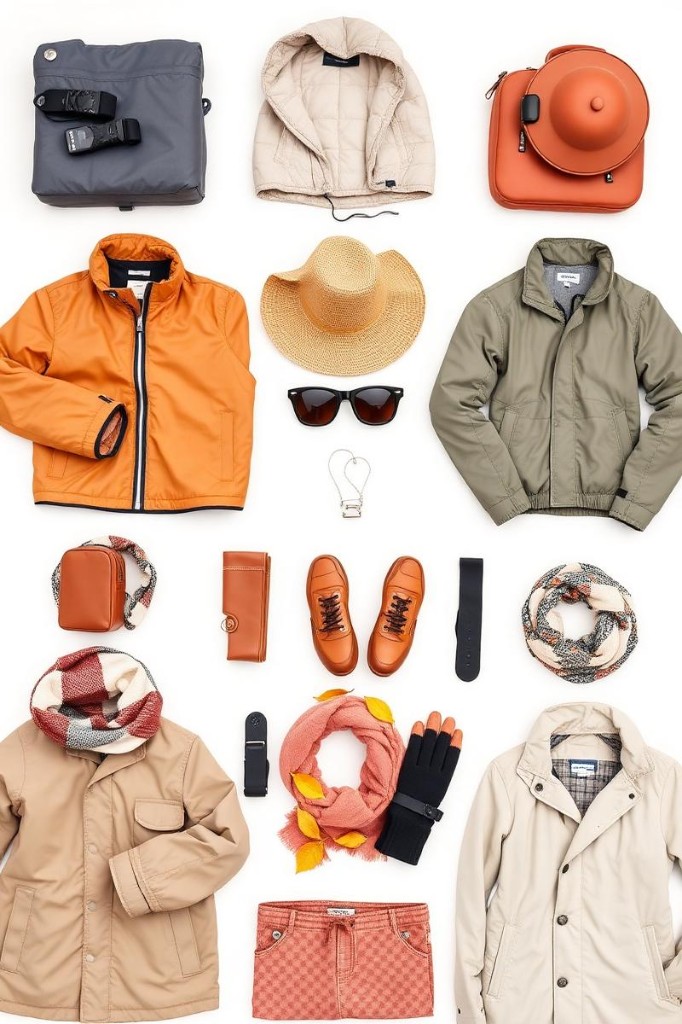
👕 Seasonal packing

Cool Season (Nov-Mar): • Comfortable closed shoes • Light cotton clothing • Light jacket for evenings • Hat and sunglasses • Sun protection

Hot Season (Apr-Oct): • Breathable shoes • Loose and light clothing • Hat is essential • High protection sunscreen • Constant water bottle • Scarf for dust
Travel clothing and gear by season

💰 Seasonal budget

PeriodAccommodation (€/night)Transport (€/day)Dining (€/day)Activities (€)Traffic
Nov-Mar (High)25-458-1515-255-20★★★
Apr-Jun (Medium)20-356-1212-205-15★★
Jul-Oct (Low)15-255-1010-180-10

💡 Money-saving tips

Accommodation: Negotiation possible in hot season, book early in cool season
Transport: Economical shared transport, walking preferred early in the morning
Dining: Local markets very affordable, avoid hotel restaurants
Currency Exchange: Bring cash, ATMs are limited
Negotiation: Common practice at markets, always be respectful

🏥 Health and precautions

Intensive hydration: 3-4 liters (approx. 0.8-1 gallon) of water per day minimum
Sun protection: SPF50+ sunscreen, reapply frequently
Heat adaptation: Avoid intense efforts from 11 am to 4 pm
Food hygiene: Bottled water, peeled fruits
Pharmacy: Personal medications, oral rehydration
Insurance: Medical repatriation coverage recommended

Local Events

Cultural events calendar in Ali Sabieh

Ali Sabieh offers several traditional and religious events that punctuate local life and provide an authentic cultural immersion.

Djiboutian Independence Day (June 27)

A major national celebration with parades, cultural performances, and community gatherings. The city comes alive with flags and patriotic events that create a unique festive atmosphere.

Location: City center and public squares
Feature: Active participation of the entire community
Climate Impact: Hot period requiring enhanced sun protection
Transport Access: Reinforced public transport from Djibouti City
Planning Tip: Book accommodation 2 months in advance
Islamic religious celebrations (variable dates)

Eid al-Fitr and Eid al-Adha transform the urban atmosphere with collective prayers, family sharing, and enhanced hospitality. A privileged time to discover local traditions.

Location: Mosques and family spaces
Feature: Exceptional openness to respectful visitors
Climate Impact: Adaptation according to the lunar calendar
Transport Access: Modified traffic, allow extra time
Planning Tip: Respect dress codes, be discreet with photography
Enhanced seasonal markets (October-March)

Intensification of commercial activity during the cool season with expanded markets, seasonal products, and increased artisanal activity. Ideal period for local shopping.

Location: Central market and adjacent squares
Feature: Ethiopian products in transit, local crafts
Climate Impact: Optimal conditions for long strolls
Transport Access: Significant morning crowds
Planning Tip: Arrive early for the best selection, respectful negotiation

Seasonal events

Cool Season (Nov-Mar): • Weekly enhanced markets • Community gatherings • Local cultural festivals

Hot Season (Apr-Oct): • Morning events • Adapted religious celebrations • Reduced daytime activities

Regular events: Bi-weekly markets (Tuesday/Friday), Friday prayers with special activities, Djiboutian national holidays

Responsible Tourism

Adopt a respectful and sustainable approach during your visit to Ali Sabieh, taking into account the fragile desert environment and local communities.

Ali Sabieh, a strategic transit city, requires special attention to limited water resources, respect for local traditions, and the preservation of the surrounding desert ecosystem.

🌱 Low-season advantages

Visiting during the hot season helps to reduce tourist pressure, support the local economy during the off-season, and discover the authentic way of life adapted to the desert climate.

♻️ Sustainable travel tips

Water management: Moderate consumption, respect limited local resources
Waste: Take your waste with you, avoid single-use plastics
Local trade: Favor local artisans and merchants
Transport: Vehicle sharing, walking during cool hours
Culture: Respect traditions, be discreet with photography
Environment: Protection of desert fauna and flora

🏙️ Local sustainable initiatives

The city is developing programs for sustainable water management, preservation of colonial architectural heritage, and promotion of traditional Afar and Somali crafts, creating respectful local economic opportunities.

Our Recommendations

Personalized recommendations for your stay in Ali Sabieh

Based on climate analysis and local specifics, our recommendations will help you optimize your discovery of Ali Sabieh according to your preferences, budget, and the time of your trip to this unique crossroads city.

Optimal period: December to February

Advantages:
• Ideal temperatures (18-30°C / 64-86°F) for all activities
• Clear skies and excellent visibility
• Urban activity at its peak
• Perfect conditions for photography
• Maximum comfort for urban exploration

Key events: Seasonal markets, year-end celebrations, increased commercial activity

Disadvantages: Period of highest traffic, need for advance booking

Ideal profile: First-time visitors, families, photographers, travelers seeking comfort
Stay duration: 3-4 days recommended
Interesting alternative: November and March

Periods of transition offering an excellent compromise between favorable weather conditions and moderate attendance, with more attractive rates.

Specific advantages: Fewer tourists, intermediate prices, discovery of local seasonal adaptations

For whom: Flexible travelers, moderate budgets, lovers of authenticity

👥 Tips for your travel style

Family: December-February, air-conditioned accommodation, morning activities, colorful markets
Budget: July-September, accommodation negotiation, shared transport, local markets
Culture: Any season, local meetings, religious events, traditional crafts
First visit: January-February, local guide recommended, classic itinerary, comfort priority
Weekend: November-March, focus on city center, market and mosque, traditional cafe

Periods to avoid: June to August

Reasons: Extreme heat (up to 40°C / 104°F), activities limited to cool hours, discomfort for the unaccustomed

Nuances: Acceptable for travelers experienced in desert climates, very tight budgets, seeking total immersion

Villes du même pays

All cities

Frequently Asked Questions

Answers to essential questions to help you prepare for your discovery of Ali Sabieh according to the climate and local specifics.

What is the best month to visit Ali Sabieh?

January and February offer optimal conditions with pleasant temperatures (18-30°C / 64-86°F), clear skies, and intense urban activity. This period allows you to fully enjoy outdoor activities, local markets, and meetings with locals without climatic constraints. Crowds are moderate compared to classic tourist destinations, ensuring an authentic experience.

How many days should I plan for Ali Sabieh?

2 to 4 days depending on your interests. A weekend allows you to discover the essentials: central market, mosque, historic districts, and local atmosphere. 3-4 days offer more time for meetings, exploring the surroundings, and immersing yourself in the local pace of life. Ali Sabieh is also visited as a stopover towards Ethiopia, justifying a shorter but intense stay.

What to do in Ali Sabieh during intense heat?

Adapt your pace to local habits: morning activities (6 am-9 am), cool break in the middle of the day in air-conditioned cafes or shaded areas, resuming in the late afternoon (5 pm-7 pm). Prioritize constant hydration, loose and light clothing, and discover the local way of life adapted to the desert climate. Mosques also offer respectful spaces of coolness.

What events should not be missed in Ali Sabieh?

The bi-weekly markets (Tuesday/Friday) are the must-see regular event for cultural immersion. Independence Day (June 27) transforms the city despite the heat. Religious celebrations offer moments of exceptional openness. In the cool season, enhanced seasonal markets offer Ethiopian products and local crafts in a particularly lively atmosphere.

What budget should I plan according to the period?

Cool season (Nov-Mar): €50-€80/day including decent accommodation, local transport, traditional meals, and activities. Hot season (Apr-Oct): €35-€60/day with reduced rates but a need for air conditioning. Plan an additional budget for enhanced hydration, sun protection, and any air-conditioned transport. Negotiations are common and respectful, especially in the low season.