When to visit Djibouti? City-Trip Guide

Between desert and ocean, discover the best times to explore this cosmopolitan capital with atmospheres that contrast according to the seasons.

  • 0.6 M population
  • French, Arabic, Somali, Afar language
  • 15 days rainy days/year
  • November to March best time to visit
  • 3 to 5 days recommended stay

Climate and weather in Djibouti

Understanding Djibouti's tropical desert climate

Djibouti enjoys a tropical desert climate influenced by its strategic position between the Red Sea and the Gulf of Aden. The urban heat island effect amplifies temperatures in the city center, particularly during the summer.

MonthMin Temp (°C / °F)Max Temp (°C / °F)Precipitation (mm / in)Sunshine (h/day)Tourist TrafficRecommended Activities
January23°C / 73°F29°C / 84°F8mm / 0.3in9★★★★☆Urban tours, markets
February24°C / 75°F30°C / 86°F13mm / 0.5in9★★★★★Lake Assal excursions
March26°C / 79°F32°C / 90°F18mm / 0.7in8★★★★☆Diving, snorkeling
April28°C / 82°F35°C / 95°F8mm / 0.3in8★★★☆☆Morning tours
May31°C / 88°F39°C / 102°F3mm / 0.1in10★★☆☆☆Indoor activities
June34°C / 93°F43°C / 109°F1mm / 0.04in10★☆☆☆☆Shopping malls
July35°C / 95°F44°C / 111°F8mm / 0.3in9★☆☆☆☆Air-conditioned museums
August35°C / 95°F43°C / 109°F18mm / 0.7in9★☆☆☆☆Indoor restaurants
September33°C / 91°F39°C / 102°F5mm / 0.2in9★★☆☆☆Terrace evenings
October29°C / 84°F35°C / 95°F8mm / 0.3in9★★★☆☆Urban walks
November26°C / 79°F32°C / 90°F23mm / 0.9in9★★★★☆Neighborhood exploration
December24°C / 75°F30°C / 86°F13mm / 0.5in9★★★★☆Markets, crafts

The Seasons

Must-sees by weather

Optimize your Djiboutian stay by adapting your visits to climatic conditions. This organization allows you to fully enjoy urban attractions regardless of the weather.

☔ In overcast/rainy weather

Indoor & sheltered

Intro: The rare rainy days are the perfect opportunity to discover Djiboutian cultural heritage under shelter.


Recommended Sites:
🏛️ National Museum (2h, 500 DJF, all year)
🕌 Hamoudi Mosque (1h, free, respect prayer times)
🛍️ City Center Mall (3h, free, air-conditioned)
☕ Traditional cafes of Plateau du Serpent (1h, 200 DJF/drink)
🎭 Arthur Rimbaud Cultural Center (2h, 300 DJF, exhibitions)
🍽️ Restaurants in the European district (2h, 1500-3000 DJF)

Practical Tip: Reservation recommended for restaurants, cultural pass available for museums
Extra Tip: Chain together city center cultural visits, accessible on foot with covered passages
☀️ In good weather

Optimal outdoors

Intro: Sunny days of the cool season reveal the full beauty of Djiboutian outdoor sites.


Recommended Sites:
🌊 Waterfront and port (2h, free, sunrise/sunset)
🏛️ Presidential Palace and gardens (1h, exterior free)
🚶 Plateau du Serpent district (2h, free, colonial architecture)
🛒 Open-air Central Market (2h, free + purchases)
🌅 Corniche and urban beaches (3h, free, swimming possible)
📸 Views of the gulf (1h, free, photos)

Best time of day: Sunrise (6am) and late afternoon (4pm-6pm) to avoid heat and enjoy golden light
Season Tip: Prefer November to March, absolutely avoid June-August outdoors

🌤️ Versatile for all weather

Flexible

Intro: These sites combine covered and open spaces, perfect for adapting to weather variations.


Recommended Sites:
🕌 Grand Mosque (interior/exterior, 1h)
🏪 Covered souks in the center (sheltered passages, 2h)
🏨 Hotels with panoramic terraces (view + refuge)

Weather Tip: Start with the exterior if the weather is nice, retreat to covered parts if necessary
Example itinerary: Morning covered market, terrace lunch if weather is mild, afternoon museum if heat is excessive

💰 Free or economical

No cost

Free sites:
🌊 Waterfront and corniche walks
🏛️ Colonial architecture of the Plateau
🛒 Strolling in markets (no mandatory purchase)
🌅 Panoramic viewpoints

Free days: National Museum free on the first Friday of the month
Budget tips: Picnics on the corniche, local popular cafes, walking in the compact center

Practical Guide

Prepare your Djibouti city-trip with these practical tips adapted to the climatic and urban specifics of the capital. The alternation between scorching exteriors and air-conditioned interiors requires specific clothing preparation.

👕 Seasonal packing

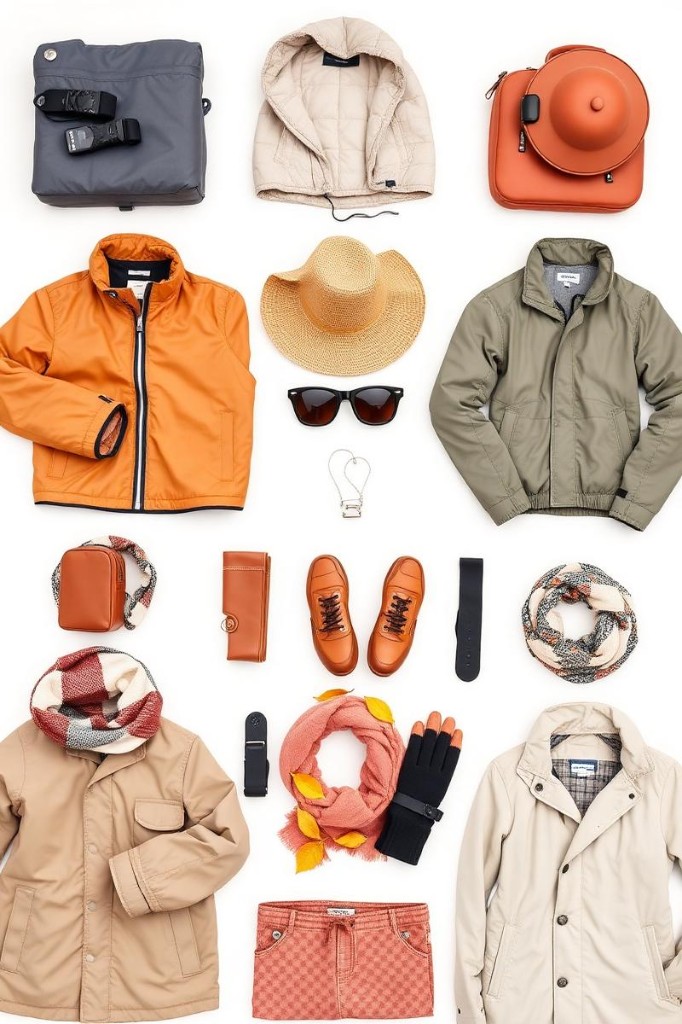
Cool Season (Nov-Mar): • Breathable walking shoes • Lightweight cotton/linen clothing • Hat and sunglasses • Light jacket for evenings • SPF 30+ sunscreen

Hot Season (Apr-Oct): • Heat-resistant closed shoes • Loose-fitting light-colored clothing • Maximum head/neck protection • Insulated water bottle essential • SPF 50+ sunscreen • Light sweater for air conditioning
Travel clothing and gear by season

💰 Seasonal budget

PeriodCity Center Accommodation (€/night)Transport (€/day)Restaurants (€/day)Attractions (€)Crowds
Dec-Feb80-15015-2525-4510-20★★★★★
Mar-May60-12012-2020-358-15★★★☆☆
Jun-Aug40-8010-1515-255-12★☆☆☆☆
Sep-Nov50-10012-1818-308-15★★☆☆☆

💡 Money-saving tips

Cultural City Pass: cost-effective from 3 sites visited • Lunchtime restaurants: menus 40% cheaper than in the evening • Residential neighborhood accommodation: 30-50% savings vs center • Local transport: very economical urban buses • Local markets: authentic souvenirs at negotiated prices

🏥 Health and precautions

Intensive hydration: 3-4L/day minimum in hot season • Maximum sun protection: hat, sunglasses, SPF 50+ cream • Air conditioning adaptation: modular clothing for thermal shocks • 24h Pharmacies: Central Pharmacy, Plateau du Serpent • Travel insurance: recommended for medical expenses • Vaccinations: yellow fever mandatory depending on origin

Urban Events

Essential events calendar for Djibouti

Djiboutian events set the pace for urban life and offer an authentic glimpse into the cosmopolitan cultural richness of this strategic capital.

🎊 Festival of Cultures (February)

Description: A multicultural celebration bringing together Somali, Afar, Arab, and French communities in an explosion of music, dance, and gastronomy. City center streets turn into open-air stages.

Location: Place Mahmoud Harbi and Plateau district

Highlight: Unique fusion of Horn of Africa traditions

Climate Impact: Ideal period with mild temperatures; high attendance requires advance booking

Transport: Special shuttles from hotels; center is walkable

Planning Tip: Book accommodation 2 months in advance; rates increase by 30%

🏃 Djibouti International Marathon (December)

Description: An international race crossing iconic neighborhoods of the capital, from the waterfront to the surrounding hills. Festive atmosphere with musical entertainment and food stalls.

Location: Start at Place de l'Indépendance, city center route

Highlight: The only marathon in the region set in an urban-desert environment

Climate Impact: Held in the cool season for optimal conditions; traffic disruptions in the city center

Transport: Suspended light rail, peripheral parking

Planning Tip: Avoid driving in the city center; choose accommodation near the route

🎭 Franco-Djiboutian Cultural Week (March)

Description: Cultural exchange featuring exhibitions, concerts, film screenings, and conferences. The Arthur Rimbaud Cultural Center becomes the epicenter of the festivities.

Location: Arthur Rimbaud Cultural Center and partner sites

Highlight: Unique intercultural dialogue between France and the Horn of Africa

Climate Impact: Pleasant climate transition period; many air-conditioned indoor activities

Transport: Dedicated bus line; cultural center accessible by metro

Planning Tip: Program available 1 month prior; free entry with reservation

Seasonal events

Cool Season (Nov-Mar): • Independence Day (June 27, military parades) • Ramadan and religious celebrations (variable dates) • Djibouti Film Festival (January) • Expat Christmas markets (December)

Hot Season (Apr-Oct): • Eid al-Fitr (end of Ramadan, family festivities) • Heritage Days (September, guided tours) • Traditional Music Festival (May, late evenings) • Indoor community celebrations

Responsible City-Trip

Adopting a responsible urban tourism approach in Djibouti contributes to the sustainable development of this young nation while respecting the fragile desert environment and local communities.

Responsible Djiboutian tourism favors public transport, businesses run by local families rather than international chains, economical management of scarce water, respect for religious traditions, and reducing the carbon footprint in this fragile desert ecosystem.

🌱 Low-season advantages

Visiting Djibouti in the off-season reduces pressure on limited infrastructure, allows for a more authentic experience with locals, offers more accessible rates, and reduces environmental impact on water resources.

♻️ Sustainable travel tips

Public transport: favor urban buses and shared taxis • Local businesses: traditional markets vs shopping malls • Water saving: short showers, precious resource in desert area • Religious respect: modest clothing, prayer times • Waste: avoid single-use plastic • Local crafts: support family economy

🏙️ Local sustainable initiatives

Djibouti is developing sustainable initiatives: planned electric public transport, urban greening with resistant plants, seawater recycling, emerging local organic markets, ecotourism labels for accommodation, and environmental awareness in schools.

Our Recommendations

Recommendations for your Djibouti city-trip

After analyzing climatic data, tourist traffic, and cultural events, our recommendations adapt to different traveler profiles. Djibouti reveals two faces depending on the season: a lively capital in winter and a city adapted to the tropical rhythm in summer, each offering a unique experience.

🌟 Optimal Period: December to February

Recommended Months: December, January, February


Advantages:
• Ideal temperatures (23-30°C / 73-86°F) for urban walking
• Festive atmosphere and lively terraces
• Perfect conditions for Lake Assal excursions
• Active nightlife and colorful markets
• Major cultural events (Festival of Cultures)

Flagship Events: Festival of Cultures, International Marathon, year-end celebrations
Disadvantages: Maximum crowds, accommodation prices +40%, reservations essential
Ideal Profile: First-time travelers, families, culture lovers, photographers
Stay Duration: 4-5 days recommended

💡 Interesting Alternative: November and March

Alternative Months: November, March

Description: Transition periods offering an excellent compromise between favorable weather conditions and moderate crowds, with more accessible rates.


Specific Advantages:
• Bearable temperatures without extreme heat
• Moderate tourism, more authentic experience
• Accommodation prices -25% vs high season
• Restaurant availability without reservation

For whom: Flexible travelers, medium budgets, authenticity seekers

👥 Tips for your travel style

Family: December-February, Plateau du Serpent district, short activities, hotels with pool, air-conditioned transport

Budget: March-May or September-November, peripheral accommodation, public transport, local markets, free sites

Culture: January-March, Arthur Rimbaud Cultural Center, museums, festivals, historic districts, local guides

Romantic: December-January, waterfront sunset, terrace restaurants, boutique hotels, Lake Assal excursions

Weekend: Any cool season, compact city center, major sites accessible, direct flight from Paris

First Trip: January-February, French-speaking guides, European district, international hotels, organized excursions

⚠️ Periods to avoid: June to August

Months not recommended: June, July, August


Reasons:
• Extreme heat (up to 44°C / 111°F) limiting outdoor activities
• Urban walking difficult during the day
• Terraces and outdoor sites closed during hot hours
• Health risks related to dehydration

Nuances: Acceptable for experienced travelers prioritizing budget and authenticity, with adaptation to the local rhythm (morning/night activities)

Villes du même pays

All cities

Frequently Asked Questions

Find essential answers to plan your Djibouti city-trip according to the climatic and urban specifics of this strategic capital.

What is the best month to visit Djibouti?

January and February offer optimal conditions with pleasant temperatures (23-30°C / 73-86°F), a lively urban atmosphere, and major cultural events. December is also an excellent choice despite higher crowds. These months allow you to fully enjoy terraces, markets, and excursions without thermal constraints, while discovering the hustle and bustle of the cosmopolitan capital.

How many days should I plan for Djibouti?

A stay of 3 to 5 days allows you to discover the essentials: 2 days for the city center (markets, museums, waterfront), 1 day for the Lake Assal excursion, and 1-2 days to explore further according to your interests. Travelers in a hurry can grasp the essentials in 48 intense hours, while a week allows you to explore the surroundings and soak up the local Djiboutian rhythm.

What to do in Djibouti when it rains?

The rare rainy days are perfect for discovering cultural heritage: National Museum, Arthur Rimbaud Cultural Center, Hamoudi Mosque, air-conditioned shopping malls like City Center, and traditional restaurants in the Plateau district. Covered cafes also offer a pleasant refuge to observe urban life while enjoying mint tea or Djiboutian coffee.

Which events should not be missed in Djibouti?

The Festival of Cultures (February) is the flagship event with its unique multicultural celebration. The International Marathon (December) energizes the whole city, while the Franco-Djiboutian Cultural Week (March) offers enriching artistic exchanges. Depending on your visit period, religious celebrations (Eid, Ramadan) and Independence Day (June 27) offer authentic glimpses of Djiboutian society.

What budget should I plan according to the season?

In high season (December-February): €80-€150/night for accommodation, €40-€60/day for food, total €150-€250/day. In shoulder season (March-May, September-November): €60-€120/night, €30-€45/day for food, total €110-€180/day. In low season (June-August): €40-€80/night, €20-€35/day for food, total €80-€130/day. Add €20-€40/day for transport and activities depending on the chosen standard.