When to visit Djibouti? Complete Guide

Between arid deserts and Red Sea coasts, Djibouti offers a unique climate with striking contrasts.

  • 1.1 M population
  • French, Arabic language
  • 15 days rainy days/year
  • November to March best time to visit
  • 5 to 10 days recommended stay

Weather and Climate in Djibouti

Understanding Djibouti's tropical desert climate

Djibouti features a tropical desert climate influenced by its strategic position between the Red Sea and the Gulf of Aden. Variations in altitude and proximity to the sea create distinct microclimates that significantly impact the travel experience.

  • Coastal Zone: More temperate climate with sea breezes and high humidity
  • Inland Desert Zone: Extreme temperatures, very arid climate with significant thermal fluctuations

The Seasons in Djibouti

Climate by Region in Djibouti

Despite its modest size, Djibouti presents notable climate variations between its different regions. Altitude, maritime proximity, and exposure to winds create microclimates that influence your destination choice.

🏖️ Coastal Region and Capital

The area around Djibouti City benefits from the moderating influence of the Red Sea. Sea breezes bring some relief, especially in the evening, but humidity remains high year-round.

PeriodWeatherTemperatureActivities
Nov-MarSunny, dry26-30°C / 79-86°FCity tour, beaches
Apr-OctVery hot, humid32-40°C / 90-104°FEarly morning activities

Specifics: Constant humidity, refreshing sea breezes, temperatures slightly milder than inland.

🏔️ Mountainous Massifs

The Goda Mountains and Day Forest offer a cooler climate thanks to the altitude. This region has the mildest conditions in the country with denser vegetation and temperatures that are bearable even in summer.

PeriodWeatherTemperatureActivities
Nov-MarCool, pleasant20-28°C / 68-82°FHiking, nature
Apr-OctHot but bearable28-35°C / 82-95°FEarly morning trekking

Specifics: Coolest temperatures, unique vegetation, frequent morning fog.

🏜️ Afar Depression

The most extreme zone with Lake Assal and unique geological formations. This desert region experiences the highest temperatures in the country and requires special preparation.

PeriodWeatherTemperatureActivities
Nov-MarHot, dry30-38°C / 86-100°FGeological exploration
Apr-OctExtremely hot40-50°C / 104-122°FNot recommended

Specifics: Extreme temperatures, lunar landscapes, pure desert conditions.

🌊 Coast and Islands

The Moucha and Maskali Islands and the coast benefit from a marine microclimate. Water activities are preferred here with optimal conditions for diving and seaside relaxation.

PeriodWeatherTemperatureActivities
Nov-MarIdeal, calm sea25-30°C / 77-86°FDiving, relaxing
Apr-OctHot, rough sea30-38°C / 86-100°FEarly morning swimming

Specifics: Strong maritime influence, exceptional diving conditions, seasonal winds.

Practical Guide for Djibouti

Traveling to Djibouti requires preparation adapted to extreme weather conditions. Here are our practical tips to optimize your stay according to the season and manage your budget in this country with unique logistical challenges.

👕 Seasonal packing

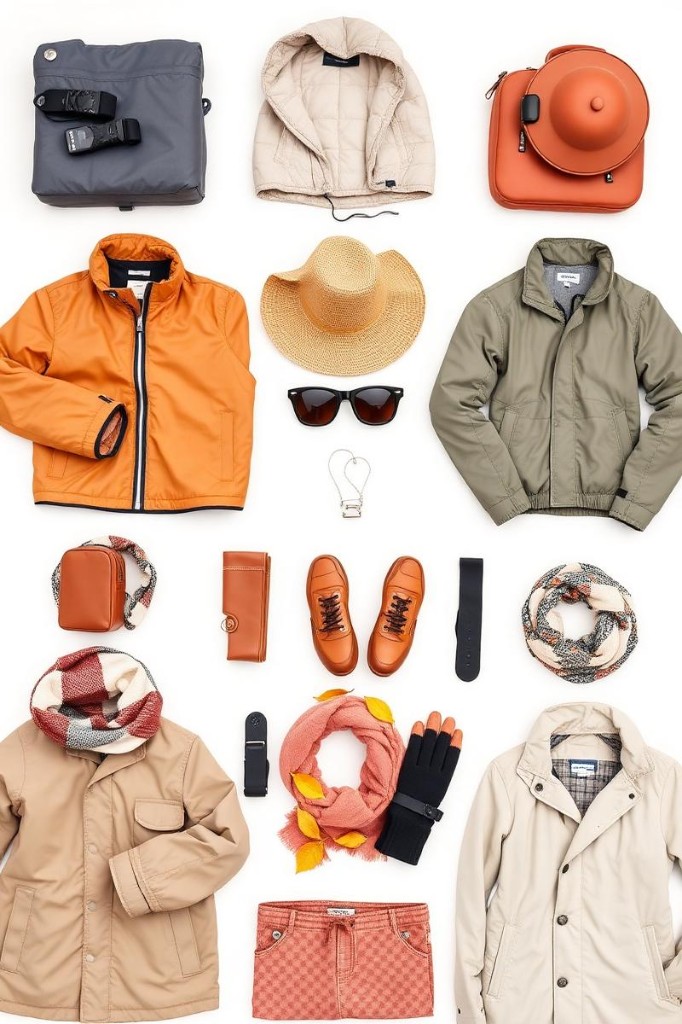
Cool Season (Nov-Mar):

  • Light cotton clothing
  • Light sweater for evenings
  • Hiking shoes
  • Hat and sunglasses
  • High-protection sunscreen

Hot Season (Apr-Oct):

  • Ultra-light, light-colored clothing
  • Breathable and anti-UV fabrics
  • Airy sandals
  • Wide-brimmed hat
  • Insulated water bottle is essential
Travel clothing and gear by season

💰 Seasonal budget

PeriodAccommodation (€)Transport (€)Activities (€)Crowds (/5)Savings Tips
Nov-Jan80-15060-10040-804/5Book 2 months in advance
Feb-Mar90-16070-11050-905/5Avoid weekends
Apr-Jun50-9040-7030-602/5Negotiate rates
Jul-Oct40-8035-6025-501/5Best prices of the year

💡 Money-saving tips

  • Travel in the low season (May-October) to save up to 40%
  • Book accommodation 6-8 weeks in advance during high season
  • Group excursions to reduce transport costs
  • Take advantage of all-inclusive packages during the off-season
  • Negotiate prices with local guides outside the tourist season

🏥 Health and precautions

  • Hydration: Drink at least 3-4 liters of water per day; avoid alcohol
  • Sun Protection: SPF 50+ sunscreen, covering clothing, avoid 11 AM - 4 PM
  • Vaccinations: Yellow fever recommended, Hepatitis A and B, Typhoid
  • Malaria: Preventive treatment depending on areas visited
  • Heat: Recognize signs of dehydration and heatstroke
  • Food: Bottled water only; avoid raw vegetables and ice cubes

Events & Festivals in Djibouti

Cultural calendar and festivities not to be missed in Djibouti

Djiboutian cultural events punctuate the year and offer an authentic glimpse into the country's multicultural richness.

🎉 Independence Day (June 27)

A major national celebration featuring military parades, folk performances, and popular festivities throughout the country. The festive atmosphere transforms Djibouti City into a stage for patriotic celebrations with traditional Afar and Somali music.

Location: Djibouti City, Mahmoud Harbi Square

Highlight: The only national event bringing together all ethnic groups

Climate Impact: Very hot period; ceremonies are adapted to high temperatures

🕌 Ramadan and Eid (variable dates)

A sacred period observed by 94% of the Muslim population. Collective fast-breaking creates a unique atmosphere of sharing. Eid al-Fitr marks the end of Ramadan with three days of intense family festivities.

Location: Mosques and national family spaces

Highlight: Djiboutian hospitality at its peak

Climate Impact: Schedules adjusted according to the season; fasting is more challenging in summer

🏃 International Marathon (February)

An international sporting event attracting runners from around the world in a unique desert setting. The course traverses exceptional geological landscapes between Lake Assal and volcanic formations, offering a memorable sporting challenge.

Location: Lake Assal region

Highlight: The hottest marathon in the world

Climate Impact: Organized during the cool season for bearable temperatures

Seasonal events

Cool Season (Nov-Mar):

  • Traditional music festival (December)
  • Diving competitions (January-February)
  • Craft fairs (February-March)

Hot Season (Apr-Oct):

  • Adapted religious celebrations
  • Indoor festivals (May-June)
  • Nighttime cultural events (July-August)

Responsible Travel in Djibouti

Traveling responsibly in Djibouti means respecting a fragile ecosystem and supporting a developing local economy while adapting to extreme climate constraints.

Djibouti is home to unique ecosystems that are particularly vulnerable to climate change. Coral reefs, exceptional marine life, and rare geological formations require a tourism approach that respects natural cycles and breeding periods.

🌱 Low-season advantages

Traveling in the low season reduces pressure on limited infrastructure, lowers the carbon footprint of transport, and allows for distributed economic support to local communities often dependent on seasonal tourism.

♻️ Sustainable travel tips

  • Save water, a rare resource in this desert country
  • Use coral-friendly sunscreens
  • Prioritize certified local guides and providers
  • Respect marine life during dives
  • Avoid plastic waste; recycle when possible
  • Choose accommodations with environmental practices

🏙️ Local sustainable initiatives

Djibouti is developing innovative geothermal projects exploiting volcanic activity, coral reef protection programs, and solar desalination initiatives to preserve its scarce freshwater resources.

Our Expert Recommendations

Expert recommendations for your trip to Djibouti

After analyzing official climate data and field feedback, our recommendations are adapted to Djibouti's extreme conditions. Planning according to the season entirely determines the success of your trip in this country with unique climate challenges, where each period offers a radically different experience.

🌟 Optimal Period: November to March

Months: December, January, February

Advantages:

  • Bearable temperatures (25-32°C / 77-90°F)
  • Perfect conditions for all activities
  • Calm sea ideal for diving
  • Excellent visibility for photography
  • Pleasant cool nights

Disadvantages:

  • High tourist season
  • Prices increased by 30-40%

Ideal Profile: All travelers, families, first-time visitors, outdoor enthusiasts

⚖️ Balanced Alternative: April and November

Months: April, November

Description: Transition periods offering an interesting compromise between acceptable weather conditions and moderate prices

Specific Advantages:

  • Attractive intermediate prices
  • Reduced tourist crowds
  • Temperatures still manageable
  • Accommodation availability

👥 Tips for your travel style

Family: December-February is mandatory; absolutely avoid May-September. Plan early morning activities.

Budget: May-October for maximum savings, but physical preparation is essential.

Adventure: November-March for trekking, diving. April is possible for experienced explorers.

Luxury: January-February for optimal conditions, premium service available.

Photographer: December-February for golden light, perfect visibility, contrasted landscapes.

⚠️ Periods to Avoid: June to September

Extreme temperatures (40-45°C / 104-113°F), stifling humidity, dangerous conditions for outdoor activities. Reserved for very experienced travelers.

Cities to explore

Discover the must-sees of urban travel

All cities

Frequently Asked Questions

Answers to essential questions to help you plan your trip to Djibouti based on weather conditions.

What is the average temperature in Djibouti?

Djibouti experiences average temperatures of 25-32°C / 77-90°F during the cool season (November-March) and 35-45°C / 95-113°F during the hot season (April-October). Variations are significant between day and night and by region, with differences reaching up to 15°C / 27°F.

Is there a rainy season in Djibouti?

Djibouti receives very little annual rainfall (about 150mm / 5.9 inches). Sporadic rains occur mainly between April and October but remain unpredictable and short-lived. The country experiences temperature variations rather than true wet seasons.

Can you visit Djibouti in the summer?

Visiting Djibouti in the summer (May-September) is possible but very challenging. Temperatures regularly exceed 45°C / 113°F with high humidity. Only experienced and well-prepared travelers should consider this period, with activities limited to the early morning hours.

When is the best time to observe marine life in Djibouti?

The best time for diving is from November to March, with calm seas and excellent visibility. Whale sharks can be seen year-round, but optimal conditions are between December and February to maximize sighting chances.

How much time should I plan for a visit to Djibouti?

A stay of 5 to 10 days allows you to discover the essentials: Lake Assal, Moucha Islands, Day Forest, and Djibouti City. In the cool season, 7-10 days are ideal. In the hot season, limit your stay to 5-7 days to avoid fatigue caused by extreme temperatures.