When to visit Lake Assal? Complete guide

Explore the lowest point in Africa according to the seasons for an unforgettable experience in this unique salt desert.

  • French, Arabic, Somali, Afar language
  • 5 days rainy days/year
  • from November to March best time to visit
  • 1 to 2 days recommended stay

Climate and weather of Lake Assal

Understanding the extreme desert climate of Lake Assal

Lake Assal features an extreme desert climate influenced by its location 155 meters / 508 feet below sea level in the Afar Depression. This unique geographical situation creates particularly arid climatic conditions with record-breaking temperatures.

  • Lakeside zone: Even hotter microclimate near the salt lake
  • Surrounding plateaus: Slightly more moderate temperatures at higher altitudes
  • Afar Valley: Hottest zone with drying winds
MonthMin Temp. (°C / °F)Max Temp. (°C / °F)Precipitation (mm / in)Sunshine (h/day)Tourist TrafficVisit Conditions
January18°C / 64°F29°C / 84°F8mm / 0.3in9★★★★Excellent
February19°C / 66°F31°C / 88°F5mm / 0.2in9★★★★Excellent
March22°C / 72°F34°C / 93°F15mm / 0.6in10★★★Good
April25°C / 77°F37°C / 99°F8mm / 0.3in10★★Difficult
May29°C / 84°F41°C / 106°F3mm / 0.1in11Very difficult
June32°C / 90°F45°C / 113°F1mm / 0.04in11Extreme
July34°C / 93°F47°C / 117°F5mm / 0.2in10Extreme
August33°C / 91°F46°C / 115°F12mm / 0.5in10Extreme
September31°C / 88°F43°C / 109°F8mm / 0.3in10Very difficult
October27°C / 81°F38°C / 100°F5mm / 0.2in10★★Difficult
November23°C / 73°F33°C / 91°F12mm / 0.5in9★★★Good
December20°C / 68°F30°C / 86°F10mm / 0.4in8★★★★Excellent

Altitude variations between the lake (-155m / -508ft) and the surrounding plateaus (500-800m / 1640-2625ft) create significant thermal gaps of up to 10-15°C / 18-27°F, offering relative shelters during the hottest periods.

The seasons at Lake Assal

Sites by conditions

Organize your visit to Lake Assal according to climatic conditions to maximize your experience while preserving your safety in this extreme environment.

🌡️ In moderate temperatures (Nov-Mar)

Optimal exploration

Take advantage of mild conditions to explore the entire site safely and discover all the geological treasures.

Accessible sites:
🏔️ Central salt formations (2-3h, free, morning optimal)
🌋 Surrounding hot springs (1h, free, all day)
🗻 Panoramic viewpoints (30min, free, sunrise/sunset)
⛰️ Nearby volcanic craters (4-5h, guide recommended)
🏜️ Crystallized salt dunes (1-2h, free, afternoon)

Practical tip: Local guide booking recommended for geological sites

Extra tip: Combine with a visit to Dallol for a complete geological circuit
🔥 In extreme heat (Apr-Oct)

Necessary adaptation

Limit outings to the least hot hours and focus on major points of interest that are quickly accessible.

Priority sites:
🌅 Main viewpoint (15min, free, sunrise only)
🏔️ Lake edge (30min max, free, dawn/dusk)
🚗 Observation from vehicle (constant, safe)
📸 Quick photo spots (5-10min, free, vehicle shade)

Best time of day: Sunrise (5 AM-7 AM) and late afternoon (6 PM-7 PM)

Season tip: Absolutely avoid outings between 9 AM and 5 PM

🚗 Accessible by vehicle

Air-conditioned comfort

Discover spectacular panoramas from your air-conditioned vehicle, an ideal solution in high heat.

Vehicle sites:
🚗 Main viewpoint (direct access, shaded parking)
🌋 Scenic route (45min, multiple views)
📍 Strategic GPS points (short, safe stops)

Weather tip: Keep the engine running for continuous air conditioning

Example itinerary: 2-hour circuit with 5 photo stops of 10 minutes maximum

🆘 Safety and emergency

Vital precautions

Safety points:
🏥 Lake Assal rescue station (medical staff)
📞 Network coverage zone (emergencies)
💧 Potable water points (mandatory supply)

Emergency numbers: Police 17, Fire 18, SAMU 351351

Vital equipment: 4L / 1 gallon water/person, hat, sunglasses, SPF50+ sunscreen

Practical guide

Prepare your expedition to Lake Assal with equipment adapted to extreme desert conditions and essential safety tips for a successful visit.

👕 Seasonal packing

Cool season (Nov-Mar): • Sturdy hiking boots • Lightweight breathable clothing • Wide-brimmed hat • Category 4 sunglasses • SPF50+ sunscreen • Lightweight jacket for the evening

Hot season (Apr-Oct): • Mandatory closed-toe shoes • Long UV-protective clothing • Full head protection • Thin gloves for handling • Technical sweat-wicking fabrics • Reinforced hydration equipment
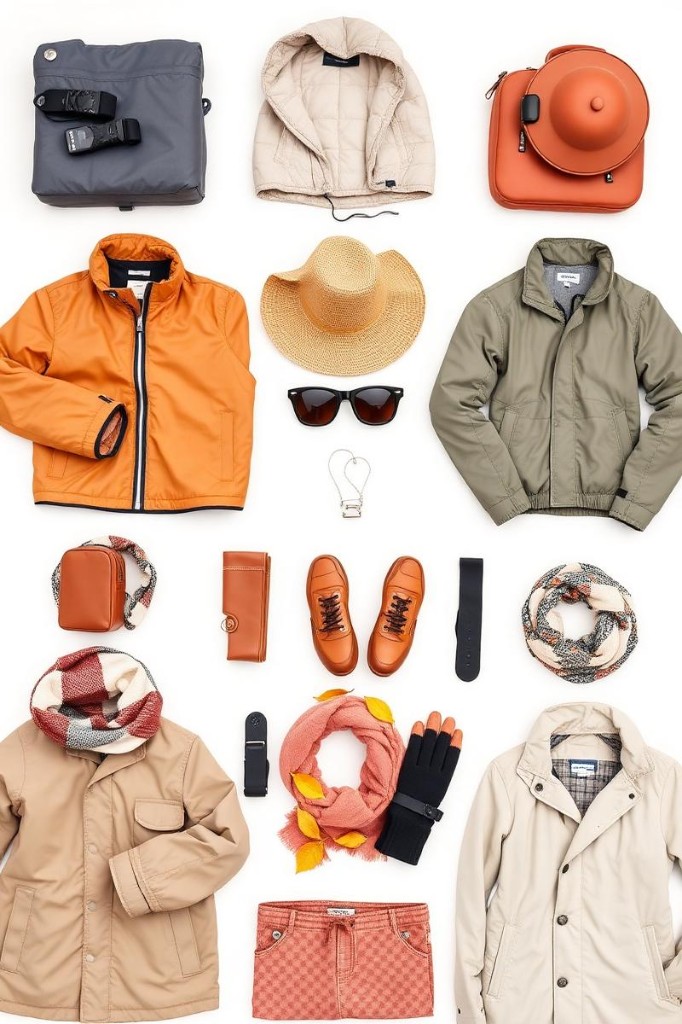
Travel clothing and gear by season

💰 Seasonal budget

Period4x4 Transport (€/day)Local Guide (€/day)Djibouti Accommodation (€/night)Meals (€/day)Traffic
Nov-Mar120-15080-10060-12025-40★★★★
Apr-May100-13060-8045-8020-30★★
Jun-Sep80-10050-7035-6015-25
October90-12060-8040-7020-30★★

💡 Money-saving tips

• 4x4 transport mandatory - negotiate group rates • Local guide essential for safety - multi-day sliding scale rates • Djibouti city accommodation - book early for cool season • Water/food supplies - buy in the city before departure • Specialized travel insurance - covers medical evacuation

🏥 Health and precautions

Intensive hydration: 4-6L / 1-1.5 gallons of water/day minimum depending on season • Maximum sun protection: SPF50+ sunscreen every 2 hours • Monitor dehydration signs: dizziness, nausea, fatigue • Avoid critical hours: 10 AM-4 PM in hot season • First-aid kit: rehydration salts, painkillers • Constant contact with experienced local guide

Events and phenomena

Natural phenomena and seasonal events at Lake Assal

Lake Assal offers unique natural spectacles depending on the season, from crystalline formations to exceptional geothermal phenomena.

🧂 Maximum salt crystallization (December-February)

A period when salt formations reach their aesthetic peak, creating crystalline landscapes of striking beauty under the soft winter light.

Location: Entire perimeter of the lake

Feature: Perfect geometric formations, ideal for photography

Climate impact: Ideal temperatures for extended exploration, optimal light for photography

Transport access: 4x4 required, track accessible in all weather

Planning tip: Booking a specialized geology guide is recommended

🌋 Intense geothermal activity (June-August)

The surrounding hot springs reveal their maximum power, creating steam phenomena and spectacular thermal contrasts despite extreme conditions.

Location: Peripheral geothermal zones

Feature: Striking visual contrasts of heat and steam

Climate impact: Observation limited to cooler hours, specialized equipment mandatory

Transport access: Supervised expedition only

Planning tip: Physical preparation and professional equipment required

🌅 Optimal sunrise (November-March)

Atmospheric conditions during the cool season offer exceptional sunrises over the lunar landscape, with perfect visibility and unique light play.

Location: Eastern panoramic viewpoints

Feature: Golden light on salt crystals

Climate impact: Cool morning temperatures, perfect photo conditions

Transport access: 4:30 AM night departure from Djibouti

Planning tip: Book nearby accommodation or plan for a very early departure

Seasonal events

Cool season (Nov-Mar): • Organized geological expeditions (weekends) • Specialized photo safaris (full moon) • Astronomy bivouacs (pure desert sky)

Hot season (Apr-Oct): • Supervised extreme expeditions (professionals only) • Scientific research (international universities) • Desert sports challenges (confirmed athletes)

Responsible tourism

Preserve this unique fragile ecosystem by adopting practices that respect the extreme environment and the local Afar communities.

Lake Assal constitutes an exceptional geological heritage requiring rigorous protection. Respect the fragile salt formations, limit your environmental impact in this preserved desert, and support the local Afar economy through ethical and responsible tourism.

🌱 Low-season advantages

Visiting during the hot season reduces tourist pressure on the fragile ecosystem, allows for a more authentic experience with local communities, and limits the overall environmental impact.

♻️ Sustainable travel tips

• Afar local guides exclusively - support community economy • Zero waste in the desert - take everything back • Respect geological formations - do not remove anything • Strict water conservation - precious regional resource • Group transport - reduce carbon footprint • Local accommodation - avoid international chains

🏙️ Local sustainable initiatives

The Afar communities are developing respectful ecotourism: trained conservation guides, sustainable site management, environmental protection awareness, fair redistributed income, and preservation of traditional local geological knowledge.

Our recommendations

Recommendations for your expedition to Lake Assal

Based on the analysis of extreme climatic conditions, tourist traffic, and seasonal geological phenomena, our recommendations guide you toward the optimal experience of this unique site while preserving your safety in the desert environment of the Afar.

🌟 Optimal period: December to February

Recommended months: December, January, February

Advantages:
• Bearable temperatures (18-31°C / 64-88°F) for full exploration
• Salt formations at their aesthetic peak
• Exceptional photographic conditions
• Maximum safety for hiking
• Perfect visibility of geological landscapes

Key events: Maximum salt crystallization, optimal sunrises

Disadvantages: Higher tourist traffic, increased accommodation rates

Ideal profile: All types of travelers, families, photographers

Stay duration: 1-2 days recommended

🌤️ Interesting alternative: November and March

Alternative months: November, March

Description: Ideal compromise between acceptable weather conditions and reduced traffic, with more accessible rates while maintaining a quality experience.

Specific advantages: Fewer tourists, moderate accommodation prices, still favorable conditions for exploration

For whom: Flexible travelers, moderate budgets, tranquility seekers

👥 Tips for your travel style

Family: December-February only + specialized guide + air-conditioned vehicle + comfortable Djibouti accommodation

Budget: March/November + group transport + shared guide + affordable city accommodation

Adventure: October-April + bivouac possible + extended expeditions + technical equipment

Photography: December-January + optimal light + crystalline formations + sunrises/sunsets

Geology: November-March + specialized guide + access to extended sites + optimal exploration conditions

⚠️ Periods to avoid: June to September

Discouraged months: June, July, August, September

Reasons: Dangerous extreme heat (45-47°C / 113-117°F), high health risks, very limited exploration, difficult safety conditions

Nuances: Possible for very experienced adventurers with specialized equipment and professional supervision

Villes du même pays

All cities

Frequently asked questions

Answers to essential questions to plan your expedition to Lake Assal safely.

What is the best time to visit Lake Assal?

The optimal period is from November to March, with a peak from December to February. Temperatures remain bearable (18-34°C / 64-93°F), allowing for full site exploration. Salt formations are at their aesthetic peak and safety conditions are optimal. Avoid June to September, when extreme temperatures (45-47°C / 113-117°F) make the visit dangerous.

How much time should I plan for visiting Lake Assal?

Plan for 1 to 2 days depending on your goals. One day is enough to discover the essentials: salt formations, panoramic viewpoints, and nearby hot springs. Two days allow for in-depth exploration with a bivouac (cool season only) and discovery of surrounding geological sites. Add one day for transport from Djibouti city (3 hours of off-road driving).

What equipment is essential for Lake Assal?

Mandatory vital equipment: 4-6 liters / 1-1.5 gallons of water per person, wide-brimmed hat, category 4 sunglasses, SPF50+ sunscreen, sturdy closed-toe hiking shoes, long UV-protective clothing. 4x4 transport with air conditioning is mandatory. First-aid kit with rehydration salts. An experienced local guide is strongly recommended for safety.

Is Lake Assal accessible all year round?

Technically accessible all year round, but strongly discouraged from April to October due to dangerous extreme temperatures. The hot season requires specialized equipment, professional supervision, and drastically limits activities to sunrise/sunset hours. Health risks (dehydration, heatstroke) are high and the experience is very limited.

What budget should I plan for an expedition to Lake Assal?

Indicative daily budget for the optimal season: €200-350 for 2 people, including 4x4 transport (€120-150), local guide (€80-100), Djibouti accommodation (€60-120/night), and meals (€25-40/day). Hot season: 30-40% reduction, but specialized equipment is required. Add specialized travel insurance covering medical evacuation. Negotiate group rates for transport and guiding.