When to visit Dikhil? City-Trip Guide

Discover the best times to explore this Djiboutian desert city and its geothermal treasures according to the seasons.

  • 0.1 M population
  • French, Arabic, Somali, Afar language
  • 15 days rainy days/year
  • from November to March best time to visit
  • 2 to 4 days recommended stay

Climate and weather in Dikhil

Understanding the hot desert climate of Dikhil

Dikhil features a tropical desert climate characterized by high temperatures and rare precipitation. Located in the geothermal region of Lake Abbe, the city enjoys exceptional sunshine all year round with significant thermal variations between day and night.

  • Central urban area: Temperatures moderated by relative altitude and buildings
  • Desert periphery: More arid climate with pronounced thermal fluctuations
  • Geothermal zone: Microclimates linked to hot springs and volcanic formations
MonthMin Temp. (°C / °F)Max Temp. (°C / °F)Precipitation (mm)Sunshine (h/day)Tourist trafficRecommended activities
January18°C / 64°F29°C / 84°F59⭐⭐⭐Lake Abbe excursions, hiking
February19°C / 66°F31°C / 88°F310⭐⭐⭐⭐Trekking, geothermal discovery
March22°C / 72°F34°C / 93°F810⭐⭐⭐⭐Volcanic exploration, camping
April25°C / 77°F37°C / 99°F129⭐⭐Morning visits, midday rest
May28°C / 82°F41°C / 106°F159Very early morning activities
June31°C / 88°F44°C / 111°F88Rest, hydration
July32°C / 90°F43°C / 109°F257Indoors, hot springs
August31°C / 88°F42°C / 108°F358Thermal relaxation
September29°C / 84°F39°C / 102°F188Transition, trek preparation
October26°C / 79°F36°C / 97°F109⭐⭐Resumption of outdoor activities
November22°C / 72°F32°C / 90°F89⭐⭐⭐Hiking, exploration
December19°C / 66°F30°C / 86°F39⭐⭐⭐Camping, extended excursions

Dikhil's altitude of 500 meters / 1,640 feet slightly tempers temperatures compared to coastal areas, offering cooler nights and a more bearable climate for daytime activities, which is particularly appreciated during excursions to Lake Abbe.

The seasons in Dikhil

Activities according to the weather

Dikhil offers varied experiences depending on climatic conditions, from geothermal explorations to desert hikes, with each period revealing different facets of this unique region.

🔥 In extreme heat (May-September)

Activities adapted to high temperatures

During the hottest months, prioritize morning activities and discoveries that take advantage of natural geothermal heat.

Recommended sites:
🌋 Dikhil hot springs (visit 6 am-9 am)
🏛️ Local cultural center (air-conditioned)
🕌 Central mosque (architecture, shade)
🏨 Accommodation with a pool
🌅 Sunrise viewpoints
🍃 Artificial oases (shaded gardens)

Practical tip: Schedule excursions before 9 am and after 5 pm; constant hydration is mandatory

Additional tip: Enjoy the hot springs in the late afternoon for a refreshing contrast
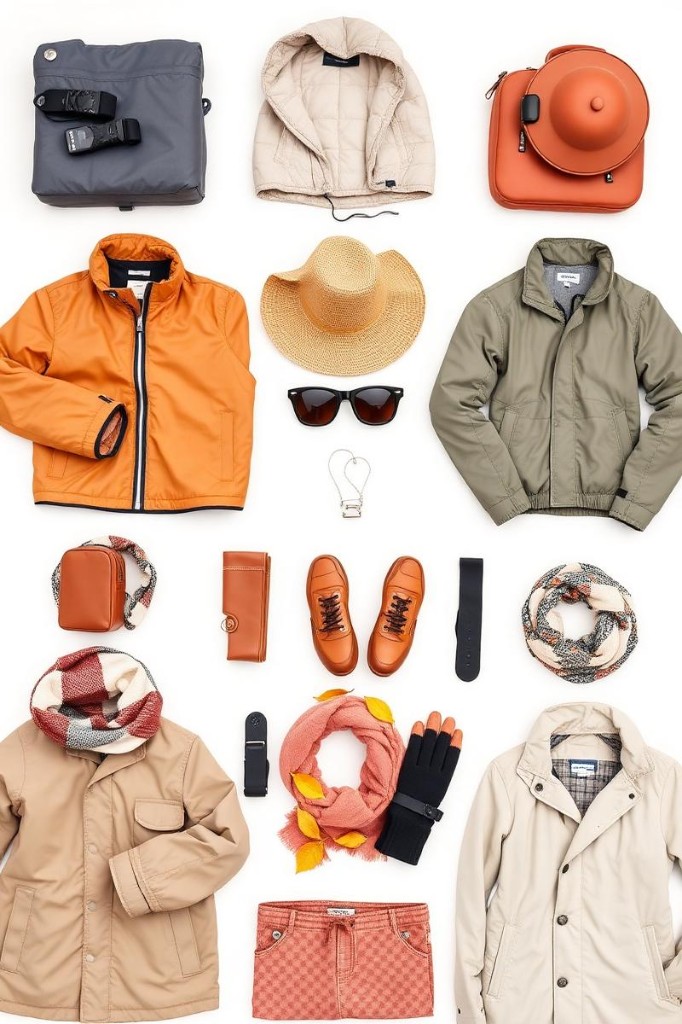
🌤️ In mild weather (November-March)

Optimal outdoor exploration

Ideal conditions allow for the complete exploration of the region's geological and landscape wonders.

Must-see sites:
🏔️ Lake Abbe and fairy chimneys (full day)
🚶 Volcanic formation hikes (3-5h)
🏕️ Stargazing desert camping (nights)
🦩 Flamingo observation (morning)
🌋 Craters and fumaroles (half-day)
📸 Panoramic sunsets (5 pm-7 pm)

Best time of day: Sunrise 6:30 am-8 am for exceptional golden light

Seasonal tip: December-February is optimal; avoid late March as temperatures rise

🌡️ Any weather

Versatile sites

Attractions adaptable to climatic conditions with the possibility of schedule adjustments.

Flexible sites:
🏪 Local markets (morning/evening)
🍽️ Traditional restaurants (air-conditioned)
🚗 Car circuits (air-conditioning)

Weather tip: Adapt schedules according to temperature; prioritize indoors from 11 am-4 pm in summer

Example itinerary: Market 7 am → springs 8:30 am → rest 12 pm-4 pm → sunset 6 pm

💰 Economical and free

Discoveries at no cost

Free sites:
🌅 Natural viewpoints
🚶 Hiking trails
🏛️ Local architecture
🌋 Accessible geological formations

Budget tips: Authorized camping in designated areas, panoramic picnics, negotiable local guides

Practical Guide

Prepare for your stay in Dikhil by considering the specific desert climate and the equipment needed to fully enjoy the geothermal and landscape wonders of the region.

👕 Seasonal packing

Cool season (Nov-Mar): • Sturdy trekking shoes • Lightweight breathable clothing • Fleece for evenings/nights • Sun protection hat • UV sunglasses • SPF50 sunscreen

Hot season (Apr-Oct): • Ultra-light light-colored clothing • Closed-toe sand-proof shoes • Neck protection scarf • Insulated water bottle • Long UV-protection clothing • Sandals for rest
Travel clothing and gear by season

💰 Seasonal budget

PeriodAccommodation (€/night)Transport (€/day)Restaurants (€/day)Excursions (€)Crowds
Nov-Mar (high)40-8025-4015-2550-100⭐⭐⭐⭐
Apr-May (mid)30-6020-3512-2040-80⭐⭐
Jun-Sep (low)20-4515-3010-1830-60
October (transition)35-6520-3512-2245-85⭐⭐

💡 Money-saving tips

• Negotiate local guides for group excursions • Prioritize local restaurants over tourist hotels • Authorized camping reduces accommodation costs • Buying water in Djibouti City is cheaper • Avoid national holiday periods (surcharges) • Shared 4x4 rental is economical

🏥 Health and precautions

Intensive hydration: 4-5L / 1.05-1.3 gallons per day minimum • Enhanced sun protection (intense UV) • Complete first aid kit • Anti-diarrheal medication • Insect repellent (mosquitoes are rare) • Medical evacuation insurance recommended • Yellow fever vaccination mandatory

Events and festivities

Cultural calendar and traditional events in Dikhil

The cultural events of Dikhil reflect the richness of Afar and Somali traditions, offering authentic experiences punctuated by the religious calendar and national festivities.

🇩🇯 Independence Day (June 27)

Major national celebration with parades, traditional dances, and popular festivities that transform the city's usual atmosphere.

Location: City center and public squares

Special feature: Gathering of Afar and Somali communities

Climate impact: Hot period requiring schedule adjustments; early morning festivities preferred

Transport access: Reinforced connections from Djibouti City

Anticipation tip: Book accommodation 2 months in advance; high national attendance

🌙 Ramadan and Eid (variable dates)

An intense spiritual period that alters urban rhythms with collective fast-breaking and authentic family celebrations.

Location: Mosques and community spaces

Special feature: Exceptional local hospitality

Climate impact: Adapted schedules; nocturnal activities preferred

Transport access: Reduced daytime services, intensified in the evenings

Anticipation tip: Respect local traditions; restaurants closed during the day

🎭 Afar Traditions Festival (November)

Cultural event celebrating Afar heritage with dances, crafts, and traditional storytelling in a unique geothermal setting.

Location: Natural sites and cultural center

Special feature: Traditional craft demonstrations

Climate impact: Optimal period; outdoor activities favored

Transport access: Organized excursions from the capital

Anticipation tip: Recent event; programming varies by year

Seasonal events

Cool season: • Local pilgrimages (December-January) • Seasonal craft markets (February) • Traditional sports competitions (March)

Hot season: • Sacred spring ceremonies (May) • Nomadic poetry festivals (July) • Extended family gatherings (August) • Oasis harvest festivals (September)

Responsible tourism

Dikhil, a fragile desert ecosystem, requires an approach that is respectful of the environment and local Afar communities to preserve this unique geological heritage.

Responsible tourism in Dikhil involves respecting limited water resources, protecting fragile geological formations, supporting the local Afar economy, and minimizing environmental impact in this desert ecosystem sensitive to human disturbance.

🌱 Low-season advantages

Visiting during the hot season reduces tourist pressure on fragile sites, allows for an authentic experience with local communities, supports the local economy during the off-season, and limits concentrated environmental impact.

♻️ Sustainable travel tips

• Save precious water (short showers, reuse) • Use local Afar guides (community economy) • Take waste back to Djibouti City (no infrastructure) • Respect geothermal sites (fragile) • Only camp in authorized areas • Shared transport to reduce footprint

🏙️ Local sustainable initiatives

The region is developing Afar community ecotourism with locally trained guides, protection of traditional hot springs, awareness programs for the preservation of rare desert fauna, and sustainable development programs that respect the ancestral nomadic lifestyle.

Our recommendations

Personalized advice for your stay in Dikhil

Our recommendations are based on in-depth climate analysis of Dikhil and field expertise to optimize your discovery of this exceptional geothermal region. Temperature, crowds, cultural events, and seasonal costs determine the best visit strategies for each traveler profile.

🌟 Optimal period: December to February

Advantages:
• Ideal temperatures of 18-31°C / 64-88°F, perfect for outdoor activities
• Cool nights, excellent for stargazing camping
• Perfect conditions for exploring Lake Abbe
• Maximum visibility of volcanic landscapes
• Optimal comfort for travel and hiking

Key events: Local pilgrimages, seasonal craft markets

Disadvantages: Higher attendance, accommodation rates increased by 20-30%

Ideal profile: First-time visitors, families, hikers, photographers

Stay duration: 3-4 days recommended

⚖️ Interesting alternative: November and March

Transition periods offering an excellent compromise between favorable climatic conditions and moderate attendance, with more accessible prices.

Specific advantages: Bearable temperatures, fewer tourists, intermediate prices, Afar Traditions Festival in November

For whom: Flexible travelers, moderate budgets, those seeking authenticity

👥 Tips for your travel style

Family: December-February, air-conditioned accommodation in Djibouti City, short excursions, increased hydration

Budget: May-September, authorized camping, local guides, shared transport, avoid high season

Adventurers: All year depending on experience, desert camping, long treks, specialized equipment

Photographers: November-March, optimal lighting, sunrise/sunset, geological contrasts

Weekend: December-February, organized excursions, base in Djibouti City, 4x4 transport

⚠️ Periods to avoid: June to August

Reasons: Extreme heat of 40-44°C / 104-111°F limiting activities, health risks of dehydration, major discomfort during travel

Nuances: Acceptable for experienced desert travelers, tight budgets, or those seeking an extreme experience

Villes du même pays

All cities

Frequently Asked Questions

Answers to essential questions to plan your discovery of Dikhil according to climatic conditions and regional specificities.

What is the best month to visit Dikhil?

December to February offers optimal conditions with temperatures of 18-31°C / 64-88°F, ideal for exploring Lake Abbe and volcanic formations. January presents the perfect balance between favorable climate, moderate crowds, and reasonable prices. Avoid June-August (40-44°C / 104-111°F) unless you are seeking an authentic desert experience.

How many days should I plan for Dikhil?

3-4 days minimum allow for a complete discovery: Lake Abbe (one day), hot springs and geothermal formations (one day), rest/acclimatization. Geology enthusiasts should plan for 5-7 days, including in-depth trekking and stargazing camping. A weekend is possible but intense from Djibouti City.

What to do in Dikhil during extreme heat?

Adapt your schedule: activities from 6 am to 9 am and after 5 pm. Prioritize hot springs (refreshing contrast), air-conditioned centers, and shaded rest from 11 am to 4 pm. Constant hydration of 4-5L / 1.05-1.3 gallons per day. Postpone long hikes; prefer viewing points from an air-conditioned vehicle and indoor cultural discoveries.

What events should not be missed in Dikhil?

The Afar Traditions Festival (November) reveals authentic local culture. Independence Day (June 27), despite the heat, offers a unique festive atmosphere. The Ramadan period transforms urban rhythms with exceptional hospitality. Local pilgrimages in December-January add a spiritual dimension to the visit.

What budget should I plan according to the season?

High season (Nov-Mar): €80-150/day (accommodation, transport, meals, excursions). Low season (Jun-Sep): €50-100/day with 30-40% discounts. Camping reduces costs significantly. Local guides are negotiable at €30-50/day. Budget €10-15/day for extra water/hydration during the hot period.