When to visit Banff? City-Trip Guide

Discover the seasonal magic of Banff, where each period reveals unique alpine landscapes and unforgettable mountain atmospheres.

  • 8,000 population
  • English, French language
  • 95 days rainy days/year
  • June to September best time to visit
  • 3 to 5 days recommended stay

Banff Climate and Weather

Understanding the alpine mountain climate of Banff

Banff benefits from a continental mountain climate influenced by its altitude (1,400m / 4,593ft) and proximity to the Canadian Rockies. Thermal variations are significant between day and night, with cool summers and harsh winters, creating ideal conditions for four-season mountain tourism.

  • Banff Valley: Main zone protected from winds, milder temperatures
  • Surrounding Summits: Harsh alpine climate, persistent snow
  • Glacial Lakes: Cool microclimate, frequent morning fog
MonthMin Temp (°C / °F)Max Temp (°C / °F)Precipitation (mm / in)Sunshine (h/day)Tourist TrafficRecommended Activities
January-15°C / 5°F-5°C / 23°F20mm / 0.8in3⭐⭐Skiing, skating, hot springs
February-12°C / 10°F-2°C / 28°F18mm / 0.7in4⭐⭐Winter sports, ice festival
March-8°C / 18°F3°C / 37°F22mm / 0.9in5⭐⭐Spring skiing, hiking
April-2°C / 28°F9°C / 48°F28mm / 1.1in6⭐⭐⭐Hiking, wildlife watching
May3°C / 37°F15°C / 59°F45mm / 1.8in7⭐⭐⭐Trekking, cycling, canoeing
June7°C / 45°F19°C / 66°F65mm / 2.6in8⭐⭐⭐⭐Hiking, lakes, climbing
July10°C / 50°F23°C / 73°F55mm / 2.2in9⭐⭐⭐⭐⭐Trekking, camping, festivals
August9°C / 48°F22°C / 72°F45mm / 1.8in8⭐⭐⭐⭐⭐Mountaineering, lakes, photography
September4°C / 39°F17°C / 63°F35mm / 1.4in6⭐⭐⭐⭐Autumn colors, hiking
October-1°C / 30°F11°C / 52°F25mm / 1.0in4⭐⭐⭐Photography, spa, museums
November-8°C / 18°F2°C / 36°F20mm / 0.8in3⭐⭐Winter prep, hot springs
December-13°C / 9°F-3°C / 27°F18mm / 0.7in2⭐⭐⭐Skiing, Christmas markets, spa

Altitude generates significant thermal gaps: -6°C / 10.8°F for every 1,000m / 3,281ft of elevation. The summits remain snow-covered even in summer, while the valley offers milder conditions for tourist activities and exploring the town center.

The Four Seasons

Activities by Weather

Organize your stay according to weather conditions to fully enjoy the iconic attractions of Banff in any season.

☔ In cloudy/rainy weather

Indoor & Sheltered

Rainy days reveal the cozy and cultural side of Banff with its warm indoor spaces and wellness activities.

Recommended Sites:
🏛️ Banff Park Museum - 2h - $10 - All year
🛍️ Cascade Shops Mall - 1-3h - Free - Permanent
♨️ Banff Upper Hot Springs - 2h - $8 - Ideal in cold weather
🍺 Local Breweries (Banff Ave Brewing) - 1-2h - $15-$25 - Friendly atmosphere
🎨 Banff Centre Art Galleries - 1h - Free - Rotating exhibits
🧘 Luxury Hotel Spas (Fairmont) - 3-4h - $150-$300 - Ultimate relaxation

Practical Tip: Book spas in advance, especially in high season
Additional Tip: Combine museum and shopping on Banff Avenue for a full day
☀️ In good weather

Optimal Outdoor

Good weather reveals the full splendor of mountain landscapes and exceptional outdoor activities.

Must-see Sites:
🏔️ Lake Louise - 2-4h - Free - Magical sunrise/sunset
🚡 Banff Gondola - 3h - $65 - 360° panoramic view
🥾 Tunnel Mountain Trail - 2h - Free - Easy hike with valley view
🛶 Moraine Lake - 3-5h - Free - Brilliant turquoise colors
📸 Bow Falls - 1h - Free - Photogenic waterfalls
🚴 Bow Valley Bike Path - 2-6h - $30/day rental - Continuous panoramas

Best Time of Day: Sunrise on the lakes (6am-8am) and golden hour (7pm-9pm in summer)
Seasonal Tip: June to September is optimal, avoid afternoon thunderstorms in July-August

🌤️ Versatile for any weather

Flexible

These sites adapt to changing mountain conditions, combining indoor and outdoor options.

Versatile Sites:
🏨 Fairmont Banff Springs Hotel - Visit/tea/spa depending on weather
🌉 Surprise Corner - Quick covered view of the castle
🛍️ Banff Avenue - Shopping/restaurants/covered galleries

Weather Trick: Start outdoors in the morning, retreat indoors if conditions degrade
Example Itinerary: Morning at Lake Louise if sunny, afternoon museum/spa if cloudy

💰 Free or budget-friendly

No Cost

Free Sites:
🏔️ All park lakes and trails (Park pass required $11/day)
🌉 Surprise Corner and Bow Falls viewpoints
🦌 Wildlife watching along Bow Valley Parkway
📸 Banff Avenue town center (architecture, atmosphere)

Free Days: Museum free on some winter Sundays
Budget Tips: Annual park pass pays off after 4 days ($70), picnics with free views, self-guided hikes

Practical Guide

Prepare your stay in Banff according to the mountain climate specifics and significant seasonal variations to optimize comfort and safety in the mountains.

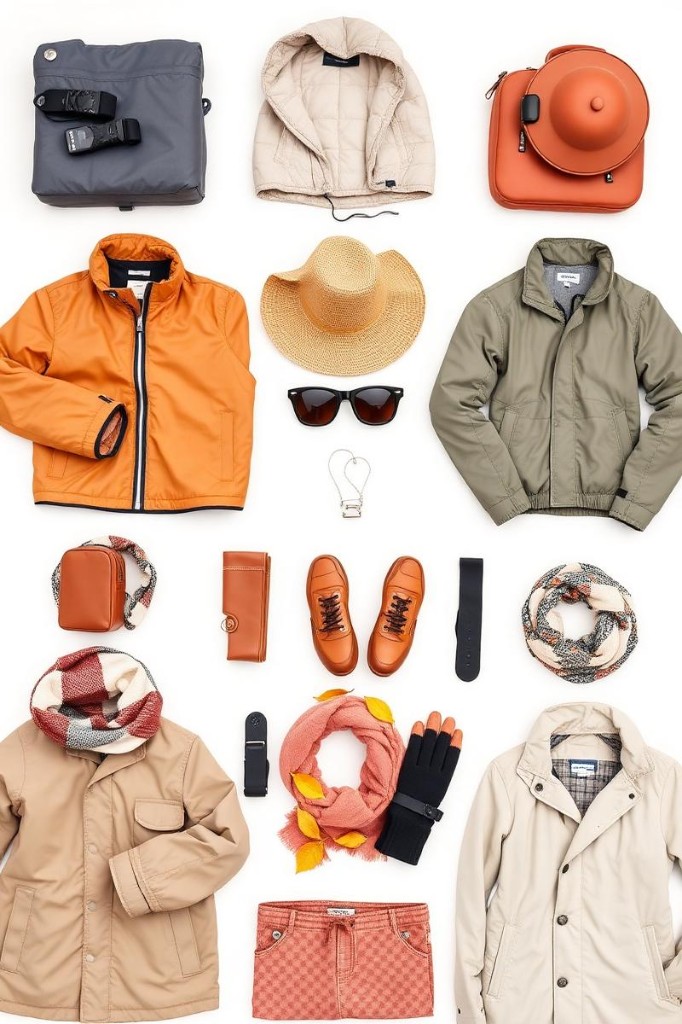
👕 Seasonal packing

Winter (Dec-Mar): • Waterproof non-slip boots • Heavy-duty insulated jacket • Gloves, hat, scarf • Technical layers
Spring (Apr-May): • Waterproof hiking boots • Waterproof windbreaker • Layered clothing • Sun protection
Summer (Jun-Aug): • Breathable trekking shoes • Light jacket for cool evenings • High-protection sunscreen • Breathable clothing
Autumn (Sep-Nov): • Warm waterproof boots • Modifiable warm jacket • Light gloves • Wind protection
Travel clothing and gear by season

💰 Seasonal budget

PeriodCenter Accommodation (€/night)Transport (€/day)Restaurants (€/day)Attractions (€)Traffic
Winter (Dec-Mar)120-20025-4045-7030-80⭐⭐
Spring (Apr-May)150-25030-4550-7535-85⭐⭐⭐
Summer (Jun-Aug)250-45040-6060-9040-100⭐⭐⭐⭐⭐
Autumn (Sep-Nov)180-30035-5055-8035-90⭐⭐⭐

💡 Money-saving tips

Discovery Pass: $70 annual pass pays off after 4 days vs $11/day
Accommodation: Canmore (20km / 12.4mi) is up to 40% cheaper than Banff center
Dining: Picnics and supermarkets vs tourist restaurants
Transport: Free shuttles between major sites in summer
Activities: Free hikes vs paid guided excursions

🏥 Health and precautions

Altitude: Increased hydration, gradual adaptation if sensitive
Mountain Sun: High UV protection (reflection from snow/water)
Wildlife: Bear spray mandatory for hikes, maintain safety distance
Hypothermia: Technical clothing, monitor mountain weather
Emergency: Banff Mineral Springs Hospital, 911 emergency number

Major Events

Calendar of must-see events in Banff

Banff's events set the rhythm for the mountain seasons, creating unique atmospheres that transform the tourist experience and the vibe of this alpine destination.

🎬 Banff Mountain Film Festival (October-November)

The world's most prestigious adventure and mountain film festival turns Banff into the capital of outdoor cinema. Screenings, explorer conferences, and a unique atmosphere of adventurers from around the world.

Location: Banff Centre for Arts and Creativity

Specialty: Only festival in the world exclusively dedicated to adventure and exploration

Climate Impact: Ideal autumn period, moderate crowds, reservations recommended 2 months in advance

Transport Access: Special shuttles from Calgary, dedicated parking at the center

Planning Tip: Festival pass + accommodation packages are cost-effective

🎿 SnowDays Festival (January)

Winter festival celebrating snow culture with ski/snowboard competitions, ice sculptures, outdoor concerts, and a festive atmosphere in the snow. The flagship event of the Canadian winter.

Location: Banff town center and surrounding ski resorts

Specialty: Unique combination of sports, art, and music in an exceptional alpine setting

Climate Impact: Mid-winter, guaranteed snowy conditions, maximum cozy atmosphere

Transport Access: Free shuttles between sites, winter gear essential

Planning Tip: Limited accommodation, book 3-4 months in advance

🎵 Banff Summer Arts Festival (July-August)

Multidisciplinary arts festival featuring classical concerts, jazz, theater, and visual arts in the grand setting of the Rockies. Refined cultural atmosphere at altitude.

Location: Banff Centre and natural outdoor stages

Specialty: Exceptional natural acoustics with mountains as a backdrop

Climate Impact: High season, optimal weather, high tourist traffic

Transport Access: Parking is saturated, prefer shuttles or bicycles

Planning Tip: Tickets open in March, accommodation essential 6 months in advance

Seasonal events

Winter: • Ice Magic Festival ice sculptures (January) • Winterstart Festival snow sports (December) • Banff Avenue Christmas Markets (December)
Spring: • Banff Craft Beer Festival (May) • Spring ski resort openings (April)
Summer: • Canada Day celebrations (July) • Banff Marathon mountain race (June) • Weekly Farmers Market (May-October)
Autumn: • Melissa's Road Race popular run (September) • Harvest Festival local gastronomy (October)

Responsible Tourism

As Banff is at the heart of a protected national park, adopting responsible travel practices preserves this fragile ecosystem and respects the local communities of the Rockies.

Responsible tourism in Banff involves strict respect for wildlife, minimizing environmental impact, supporting local businesses, and preserving trails. The fragility of the alpine ecosystem requires a conscious and respectful approach.

🌱 Low-season advantages

Visiting Banff in low season (April-May, October-November) reduces pressure on infrastructure, allows for a more authentic experience with locals, lowers your carbon footprint, and offers fairer prices.

♻️ Sustainable travel tips

Transport: Public shuttles vs individual car
Accommodation: Choose Green Key certified establishments
Dining: Prioritize local products and family restaurants
Hiking: Stay on marked trails, carry out your trash
Wildlife: Observe from a distance, do not feed animals
Water: Reusable bottle, numerous potable water sources

🏙️ Local sustainable initiatives

Banff develops sustainable initiatives: electric shuttles, reinforced recycling program, eco-designed trails, partnerships with First Nations, Green Destinations certification, and active visitor awareness regarding alpine preservation.

Our Recommendations

Recommendations for your stay in Banff

After analyzing climate data, tourist traffic, and seasonal events, our recommendations optimize your mountain experience based on your priorities: favorable weather, controlled budget, specific activities, or tranquility. Each period reveals a different face of Banff.

🏆 Optimal Period: July-August

Recommended Months: July and August

Pros:
• Stable weather and pleasant temperatures (10-23°C / 50-73°F)
• All trails and lakes accessible
• Long days (16 hours of light)
• Cultural festivals and festive atmosphere
• Perfect conditions for landscape photography

Key Events: Banff Summer Arts Festival, Canada Day, farmers markets

Cons: High traffic, high prices, reservations essential

Ideal Profile: First-time visitors, families, hikers, photographers

Stay Duration: 4-7 days recommended

🍂 Balanced Alternative: September

Alternative Month: September

Description: September offers the perfect compromise between still-favorable weather conditions and a gradual decrease in tourist traffic, with the bonus of spectacular autumn colors from the golden larches.

Specific Pros: Unique autumn colors, intermediate prices, stable weather, fewer crowds

For Whom: Couples, photographers, experienced travelers, intermediate budgets

👥 Tips for your travel style

Family: July-August, Banff center accommodation, gentle activities (lakes, gondola), 4-5 days
Budget: January-February or May, Canmore accommodation, free hikes, public transport, 3 days
Culture: October (film festival), January (SnowDays), Banff Centre proximity, 3-4 days
Romantic: September-October, Fairmont or spa, lake sunsets, 2-3 days
Weekend: Any season possible, town center, concentrated activities, 2 days
First Trip: July-August mandatory, guide recommended, prioritize iconic sites, 5-7 days

❄️ Delicate Periods: November and March

Months to Avoid: November and March

Reasons: Very unpredictable weather, freeze/thaw cycles, some activities closed, difficult road conditions, less attractive transition atmosphere

Nuances: Acceptable for flexible travelers seeking absolute solitude and minimal rates

Villes du même pays

All cities

Frequently Asked Questions

Answers to essential questions for planning your stay in Banff according to the specific alpine mountain climate.

What is the best month to visit Banff?

July and August offer optimal conditions with stable weather, all sites accessible, and a summer vibe. To avoid crowds, September combines good weather with spectacular autumn colors. Budget travelers should prefer May or October for decent conditions and reduced rates.

How many days should I plan for Banff?

4-5 days allow you to discover the essentials: Lake Louise, Moraine Lake, Banff Gondola, town center, and some hikes. Mountain enthusiasts will appreciate 7-10 days to explore advanced trails, secondary lakes, and specific seasonal activities. A 2-3 day weekend is enough for a glimpse of the iconic sites.

What to do in Banff if it rains?

Banff offers excellent indoor alternatives: Banff Upper Hot Springs, Park Museum, shopping on Banff Avenue, luxury hotel spas, local breweries, and the Banff Centre for Arts. Art galleries and shopping centers allow you to wait out the weather while discovering local mountain culture.

Which events should not be missed in Banff?

The Mountain Film Festival (October-November) is unique in the world. In winter, SnowDays Festival (January) celebrates snow culture. In summer, the Banff Summer Arts Festival (July-August) offers concerts and shows in an exceptional alpine setting. Each season has specific events creating unique atmospheres.

What budget should I plan according to the season?

In high season (July-August): €300-€500/day for 2 people (accommodation, meals, activities). Shoulder seasons (May-June, September): €200-€350/day. Winter: €180-€300/day excluding ski gear. Savings: Stay in Canmore (-40%), picnics, annual park pass, free shuttles. Minimum possible budget: €100-€150/day with hostels and cooking.