When to visit Vancouver? City-Trip Guide

Between mountains and ocean, Vancouver reveals its urban charms according to the seasons, from spring cherry blossoms to winter Christmas markets.

  • 2.6 M population
  • English, French language
  • 166 days rainy days/year
  • May to September best time to visit
  • 3 to 5 days recommended stay

Climate and Weather in Vancouver

Understanding Vancouver's temperate oceanic climate

Vancouver enjoys a temperate oceanic climate influenced by the Pacific Ocean and the Coast Mountains. The urban heat island effect softens winter temperatures, while the maritime proximity moderates summers, making it a pleasant destination for city trips year-round.

  • Downtown and waterfront: The mildest zone, protected from winds by high-rise buildings
  • Residential neighborhoods: Slightly cooler temperatures, more greenery
  • North Shore: Cooler and wetter due to mountain proximity
MonthMin Temp (°C / °F)Max Temp (°C / °F)Precipitation (mm / in)Sunshine (h/day)Tourist TrafficRecommended Activities
January1 / 346 / 43154 / 6.12.5⭐⭐Museums, shopping, spas
February2 / 368 / 46115 / 4.53.5⭐⭐Aquarium, galleries
March4 / 3911 / 52109 / 4.34.5⭐⭐⭐Cherry blossoms, parks
April6 / 4314 / 5778 / 3.16⭐⭐⭐Cycling, terraces
May10 / 5018 / 6465 / 2.67⭐⭐⭐⭐Festivals, urban hiking
June13 / 5521 / 7054 / 2.18⭐⭐⭐⭐⭐Beaches, markets
July15 / 5924 / 7536 / 1.49⭐⭐⭐⭐⭐Summer festivals, waterfront
August15 / 5924 / 7537 / 1.58⭐⭐⭐⭐⭐Outdoor activities, rooftops
September12 / 5420 / 6864 / 2.56⭐⭐⭐⭐Autumn colors, cycling
October8 / 4614 / 57121 / 4.84⭐⭐⭐Museums, cafes
November4 / 399 / 48182 / 7.22⭐⭐Shopping, theaters
December2 / 366 / 43161 / 6.32⭐⭐⭐Christmas markets, skating

Altitude has little influence on the urban center, but the North Shore mountains create a cooler and wetter microclimate. Higher-elevation neighborhoods like Queen Elizabeth Park can be 2-3°C / 3.6-5.4°F cooler than the waterfront.

The Four Seasons

Attractions by Weather

Vancouver offers a diversity of attractions perfectly adapted to every weather condition, allowing you to optimize your city trip regardless of the season.

☔ In cloudy/rainy weather

Indoor & protected

Rainy days reveal the cultural and gourmet side of Vancouver, with world-class indoor attractions perfect for taking shelter while discovering the city.

Must-see sites:
🐠 Vancouver Aquarium (2-3h, 42$ CAD, optimal Oct-Mar)
🎨 UBC Museum of Anthropology (2h, 18$ CAD, less crowded in winter)
🏛️ Science World (3h, 28$ CAD, perfect for families)
🛍️ Pacific Centre Mall (covered shopping, downtown)
☕ Granville Island Market (covered, local atmosphere)
🍺 Local Gastown breweries (indoor tasting)
🎭 Downtown theaters (rich winter program)

Practical advice: Book online to avoid queues, especially on rainy weekends

Extra tip: Combine several museums with the Museum Pass to save money

☀️ In good weather

Optimal outdoor

Good weather reveals Vancouver in its best light, between spectacular waterfronts, urban parks, and panoramic mountain views.

Outdoor sites:
🌉 Stanley Park Seawall (cycling/walking, 3-4h, magical sunrise)
🏔️ Queen Elizabeth Park (panoramas, 1-2h, optimal sunset)
🏖️ English Bay/Kitsilano beaches (relaxation, water sports)
🌸 VanDusen Botanical Garden (2h, spectacular in spring)
🚡 Grouse Mountain Skyride (half-day, 360° views)
🚢 False Creek Ferry (panoramic transport)
📸 Lookout Tower (15 min, perfect photos)

Best time of day: Golden hour at sunset for exceptional photos from Queen Elizabeth Park

Seasonal tip: May-September is optimal, avoid July-August 2pm-4pm (too hot)

🌤️ Versatile for all weather

Flexible

These attractions adapt perfectly to Vancouver's weather changes, combining covered and open-air spaces.

Adaptable sites:
🏪 Granville Island (covered market + outdoor terraces)
🏛️ Gastown district (covered streets + terraces depending on weather)
🌿 Bloedel Conservatory (greenhouses + outdoor gardens)
🎪 Science World (dome + panoramic terrace)
🛍️ Robson Street (shopping + terrace cafes)

Weather trick: Start outdoors in the morning, retreat indoors if necessary

Example itinerary: Granville Island morning → Gastown lunch → museums afternoon if it rains

💰 Free or economical

No cost

Free sites:
🌳 Stanley Park and Seawall (free, bike rental 35$/day)
🏖️ All urban beaches (free access)
🚶 Gastown/Yaletown districts (architectural walk)
📚 Central Library (architecture + free view)
🎨 Local art galleries (many are free)

Free days: Anthropology Museum free Tuesday evenings for BC residents

Budget tips: Terrace happy hours, free farmers markets, summer street festivals

Practical Guide

Vancouver requires preparation adapted to its changing oceanic climate and urban specifics. Anticipate weather variations to optimize your city trip.

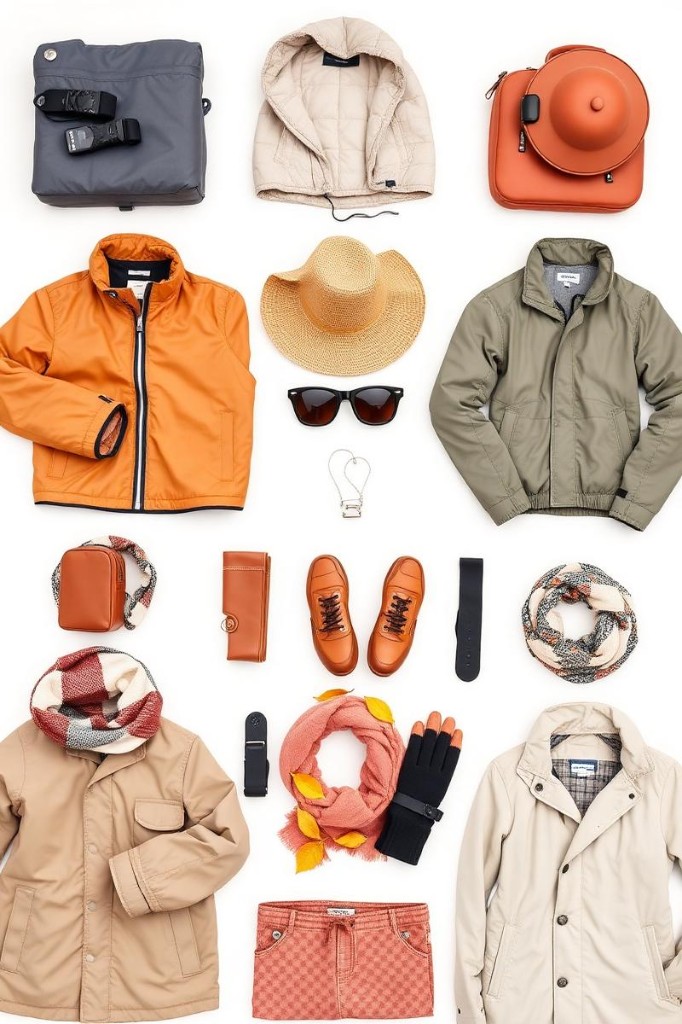
👕 Seasonal packing

Spring: • Comfortable waterproof shoes • Lightweight windbreaker • Compact umbrella • Layerable clothing
Summer: • Breathable walking sneakers • Hat/sunglasses • Lightweight evening jacket • Beachwear
Autumn: • Waterproof shoes • Rain jacket • Lightweight scarf • Modifiable layers
Winter: • Warm waterproof boots • Lined rain coat • Gloves/beanie • Thermal base layers
Travel clothing and gear by season

💰 Seasonal budget

PeriodDowntown Accommodation (€/night)Transport (€/day)Restaurants (€/day)Attractions (€)Traffic
Winter (Dec-Feb)80-1201245-6525-40⭐⭐
Spring (Mar-May)100-1501250-7030-45⭐⭐⭐
Summer (Jun-Aug)150-2501560-8535-50⭐⭐⭐⭐⭐
Autumn (Sep-Nov)110-1601250-7530-45⭐⭐⭐

💡 Money-saving tips

Vancouver City Pass: 30% savings on 5 major attractions • Lunch vs dinner restaurants: -40% on identical menus • East Vancouver accommodation: -30% vs downtown, 20 min by SkyTrain • Food trucks and markets: meals 8-12$ vs restaurants 25-35$ • Unlimited daily transport: 11$ CAD, profitable from 3 trips

🏥 Health and precautions

Urban pollution: avoid jogging during downtown rush hours • Spring allergies: cherry tree pollen in March-April, bring antihistamines • Summer hydration: always carry a bottle, many public fountains • Winter cold-humidity protection: breathable layers against hypothermia • Intensive walking: broken-in shoes are mandatory, long distances • 24h pharmacies: Shoppers Drug Mart has multiple downtown locations

Major Events

Calendar of Vancouver's must-see events

Cultural events shape life in Vancouver and transform the urban atmosphere throughout the seasons, significantly influencing the tourist experience.

🌸 Vancouver Cherry Blossom Festival (March-April)

A spectacular celebration of the blooming of 54,000 cherry trees across the city, turning Vancouver into a giant urban garden. The event includes guided tours, outdoor concerts, and photography exhibitions in every neighborhood.

Location: City-wide, with concentrations at Queen Elizabeth Park and VanDusen

Highlight: Largest cherry blossom festival in North America

Climate impact: Weather-dependent, massive crowds on sunny weekends, accommodation bookings required 2 months in advance

Transport access: SkyTrain + walking, free bikes on certain days

Pro-tip: Book accommodation from January, avoid driving downtown

🎭 Vancouver International Film Festival (September-October)

One of the largest film festivals in North America with 300+ films, turning the city into a cinematic capital. Screenings in 15 cinemas, red carpets, and celebrity meet-and-greets.

Location: Downtown, Granville Entertainment District

Highlight: Unique focus on Asian cinema and documentaries

Climate impact: Ideal autumn period, intense cultural atmosphere, restaurants extend hours

Transport access: Granville/Burrard SkyTrain, festival shuttles

Pro-tip: Tickets on sale in July, festival passes are cost-effective

🎆 Celebration of Light (July-August)

An international fireworks competition attracting 400,000 spectators per evening to the beaches of English Bay. Three countries compete with synchronized music in a grand pyrotechnic spectacle.

Location: English Bay Beach, Second Beach, Kitsilano Beach

Highlight: Largest fireworks festival in the world

Climate impact: Perfect summer evenings, traffic blocked, public transport crowded

Transport access: SkyTrain + 20 min walk, cycling recommended

Pro-tip: Arrive 3 hours early, bring a picnic and a blanket

Seasonal events

Spring: • Dine Out Vancouver (Jan-Feb, fixed-price menus) • Sun Run (April, 10km downtown) • 420 Cannabis Festival (April, park)
Summer: • Pride Parade (August, Davie Street parade) • Folk Music Festival (July, Jericho Beach) • Khatsahlano Street Festival (July)
Autumn: • Vancouver Writers Fest (October) • Eastside Culture Crawl (November, artist studios)
Winter: • VanDusen Festival of Lights (Dec-Jan) • PuSh Festival (Jan-Feb, performing arts) • Chinese New Year Parade (February, Chinatown)

Responsible Tourism

Vancouver, a pioneer city in sustainable development, encourages urban tourism that is respectful of the environment and local communities through eco-responsible travel choices.

The city favors soft mobility with its network of bike paths, electric public transport, and extensive pedestrian zones. Support local businesses from Granville Island to residential neighborhoods, respect urban green spaces, and minimize your waste in this zero-waste city.

🌱 Low-season advantages

Visiting Vancouver outside the summer season reduces pressure on infrastructure, allows for a more authentic experience with locals, decreases the carbon footprint of transport, and supports the local economy during less touristy periods.

♻️ Sustainable travel tips

• Favor Mobi public bikes and electric public transport • Choose local Farm-to-Table restaurants vs international chains • Green Key or LEED certified accommodations in residential neighborhoods • Reusable water bottle, many public fountains • Walking is preferred, city is very walkable • Alternative circuits in East Vancouver, less touristy

🏙️ Local sustainable initiatives

Vancouver is developing the largest electric bike network in North America, expanding summer pedestrian zones, increasing green roofs, and urban community gardens. The city aims for carbon neutrality by 2030 with advanced recycling initiatives and weekly local organic farmers markets.

Our Recommendations

Expert recommendations for your city trip to Vancouver

After analyzing climate data, cultural events, and tourist flows, our recommendations optimize your stay in Vancouver. The city reveals different facets depending on the season: from summer dynamism to more intimate winter charms, each period offers a unique urban experience adapted to different traveler profiles.

🌟 Optimal Period: May to September

Recommended months: May, June, July, August, September

Advantages:
• Stable and sunny weather (24°C / 75°F max, 36-65mm / 1.4-2.6in rain)
• Summer festivals and dynamic urban atmosphere
• Terraces and rooftops in full swing
• Optimal outdoor activities between ocean and mountains
• Long days with up to 16 hours of light

Key events: Celebration of Light, Pride Festival, Folk Music Festival

Disadvantages: High crowds in July-August, accommodation prices +60%

Ideal profile: First-time visitors, families, festival lovers

Stay duration: 4-5 days recommended

🍂 Interesting Alternative: March-April and October

Alternative months: March, April, October

Description: Periods offering an excellent compromise between acceptable weather, moderate crowds, and attractive rates, with quality cultural events.

Specific advantages: Unique Cherry Blossom Festival, prices -30% vs summer, autumn Film Festival, authentic local atmosphere

For whom: Moderate budgets, photography enthusiasts, couples, cultural stays

👥 Tips for your travel style

Family: False Creek + Science World, May-August, easy SkyTrain, accommodations with kitchens
Budget: East Vancouver accommodation, March-April/October, food trucks, free Stanley Park attractions
Culture: Downtown + Gastown, September-October (festivals), museums, theaters, galleries
Romantic: Yaletown + waterfront, May-June, terrace restaurants, sunset at Queen Elizabeth Park
Weekend: 2-3 days downtown, any season, focus on Granville Island + Stanley Park
First trip: 4-day stay in July-August, iconic attractions, guided tours, downtown accommodation

⚠️ Periods to avoid: November-February

Months not recommended: November, December, January, February

Reasons: Almost daily rain (143-182mm / 5.6-7.2in per month), short days (8h light), persistent grey skies, outdoor attraction closures

Nuances: Acceptable for tight budgets, fans of indoor culture, December Christmas market atmosphere

Villes du même pays

All cities

Frequently Asked Questions

Answers to essential questions for planning your Vancouver city trip based on climate and urban characteristics.

What is the best month to visit Vancouver?

July and August offer optimal weather (24°C / 75°F, 37mm / 1.5in rain) with summer festivals, but maximum crowds. May-June is an excellent compromise: beautiful weather (18-21°C / 64-70°F), fewer crowds, moderate rates. Avoid November-February (daily rain). For tight budgets: March-April with the spectacular Cherry Blossom Festival.

How many days should I plan for Vancouver?

3-4 days minimum to discover the essentials: Stanley Park, Granville Island, Gastown, major museums. 5-7 days allow for exploring residential neighborhoods, nearby mountain excursions, and a relaxed pace. A 2-day weekend is possible but intense. First visit: 4 days is ideal to balance must-sees and local atmosphere.

What to do in Vancouver when it rains?

Vancouver excels in indoor attractions: world-class Aquarium, UBC Museum of Anthropology, Science World, Pacific Centre shopping. Granville Island Market is covered and authentic. Gastown for cozy cafes and galleries. Local breweries for indoor tastings. Downtown theaters have a rich program. Rain reveals the cultural and culinary side of Vancouver!

Which events should not be missed in Vancouver?

Cherry Blossom Festival (March-April) turns the city into a giant garden. Celebration of Light (July-August): spectacular fireworks attracting 400,000 people. Film Festival (September-October): international programming. Pride Parade (August), Folk Music Festival (July). Winter: VanDusen Festival of Lights is magical.

What budget should I expect depending on the season?

Summer (June-August): 200-300€/day (accommodation 150-250€, meals 60-85€). Spring/Autumn: 150-220€/day (-25%). Winter: 120-180€/day (-40% accommodation). City Pass attractions: 30% savings. Unlimited transport: 11$/day. Food trucks vs restaurants: -60%. East Vancouver accommodation: -30% vs downtown.