When to visit Montreal? City Trip Guide

A metropolis with four distinct seasons, Montreal transforms its urban face throughout the months.

  • 1.8 M population
  • French, English language
  • 115 days rainy days/year
  • from May to October best time to visit
  • 3 to 5 days recommended stay

Climate and Weather in Montreal

Understanding Montreal's Humid Continental Climate

Montreal enjoys a humid continental climate with four distinct seasons. The urban heat island effect slightly mitigates extremes, while the proximity of the Saint Lawrence River influences humidity. These climatic variations radically transform the atmosphere of your city trips depending on the period chosen.

MonthMin/Max Temp (°C / °F)Precipitation (mm / in)Sunshine (h/day)Tourist TrafficRecommended Activities
January-15/-6°C / 5/21°F74 / 2.93Ice skating, underground city, museums
February-13/-4°C / 9/25°F65 / 2.64Winter festivals, urban spas
March-7/2°C / 19/36°F74 / 2.95⭐⭐Sugar shacks, exhibitions
April1/11°C / 34/52°F78 / 3.16⭐⭐Urban parks, terraces
May8/19°C / 46/66°F75 / 3.07⭐⭐⭐Festivals, cycling, markets
June14/24°C / 57/75°F82 / 3.28⭐⭐⭐⭐Terraces, outdoor events
July17/27°C / 63/81°F90 / 3.58⭐⭐⭐⭐⭐Summer festivals, cruises
August16/25°C / 61/77°F94 / 3.77⭐⭐⭐⭐⭐Urban beaches, rooftops
September11/20°C / 52/68°F79 / 3.16⭐⭐⭐⭐Autumn foliage, vineyards
October5/13°C / 41/55°F76 / 3.04⭐⭐⭐Mount Royal Park, gastronomy
November-1/6°C / 30/43°F81 / 3.22⭐⭐Museums, underground shopping
December-9/-2°C / 16/28°F78 / 3.12⭐⭐Christmas markets, ice skating

The Four Seasons

Attractions by Weather

Optimize your Montreal stay by adapting your visits to weather conditions. This organization guarantees a successful city trip regardless of the weather.

☔ In cloudy/rainy weather

Indoor & protected

Montreal excels in its indoor cultural offerings, perfect during the 115 days of annual rain.

Must-see sites:
🏛️ Museum of Fine Arts (3h, €16, all year)
🌿 Biodome (2h, €22, ideal for winter)
🛍️ RESO Underground City (unlimited, free, world-unique)
🏛️ Science Center (2-3h, €18, interactive)
🎭 Place des Arts complex (shows, variable)
🍺 Distilleries and microbreweries (1-2h, €15-25)
📚 Grande Bibliothèque BAnQ (free, remarkable architecture)

Practical Tip: Book online to avoid queues. The Montreal Museum Pass (€75) is cost-effective from 3 visits.

Extra Tip: Combine a museum + underground city + restaurant for a full day indoors.

☀️ In good weather

Optimal outdoors

Good weather reveals the authentic charm of Montreal with its urban parks and picturesque neighborhoods.

Outdoor sites:
🏔️ Mount Royal and Lookout (2-3h, free, panoramic view)
🚢 Old Port and quays (2h, free, cruises €25)
🌺 Botanical Garden (3-4h, €22, May to October)
🏛️ Plateau Mont-Royal neighborhood (2-3h, free, bohemian)
🎡 La Ronde amusement park (day, €45, May-October)
🚴 Lachine canal bike path (2-4h, rental €15/day)
🏖️ Jean-Drapeau beach (free, June-September)

Best time of day: Golden hour from Mount Royal at sunset, ideal for Instagram photos.

Seasonal Tip: May-September optimal, avoid July-August if sensitive to humid heat.

🌤️ Versatile for all weather

Flexible

These sites combine covered and open spaces to adapt to Montreal's unpredictable weather.

Hybrid sites:
🏪 Jean-Talon Market (covered/outdoor, free)
🏛️ Château Ramezay + gardens (indoor/outdoor)
🍽️ Bonsecours Market (shops + terrace)
⛪ Notre-Dame Basilica + Old Montreal
🎨 Quartier des Spectacles (halls + public squares)

Weather Tip: Start outdoors if uncertain, indoor fallback is possible.

Example itinerary: Jean-Talon Market (morning) → Little Italy → Mile End → museum fallback if it rains.

💰 Free or economical

No cost

Free sites:
🏔️ Mount Royal and trails
🚶 Old Montreal wandering
🌊 Parc Jean-Drapeau
🎨 Art galleries on Saint-Laurent Street
⛪ Saint Joseph's Oratory (basilica)

Free days: McCord Museum (first Sunday/month for residents), Science Center (some Wednesday evenings).

Budget tips: Picnic in Lafontaine Park, free lookouts, free summer street festivals.

Practical Guide

Prepare your Montreal city trip by taking into account the significant climatic variations that influence equipment, budget, and activities depending on the chosen season.

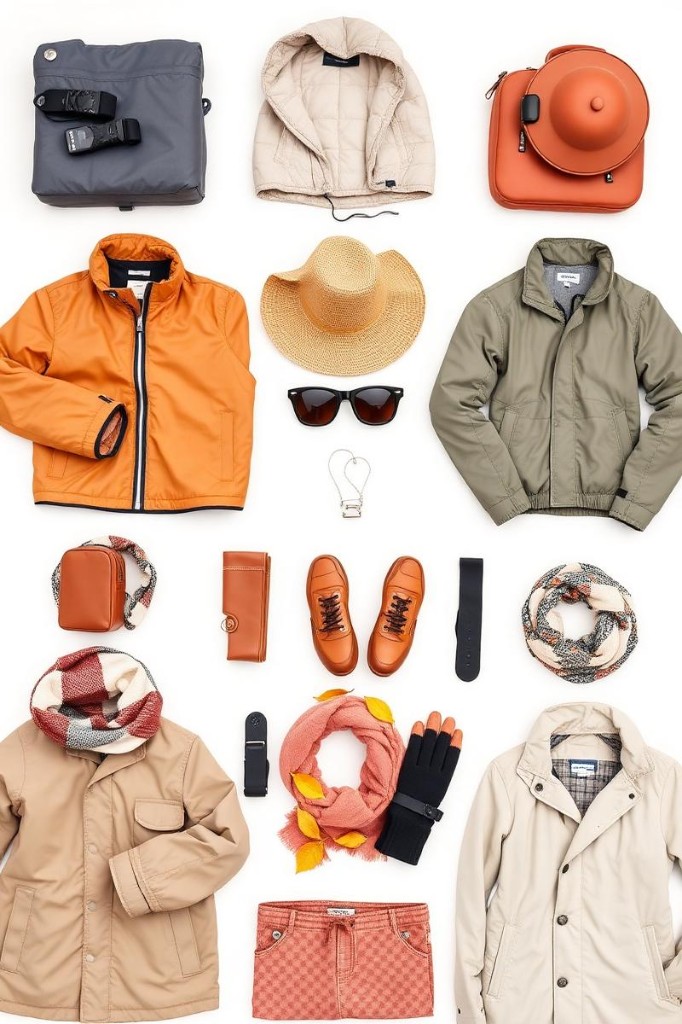
👕 Seasonal packing

Winter: • Mandatory non-slip waterproof boots • Extreme cold coat (-20°C / -4°F) • Hat, gloves, scarf • Thermal underwear • Layered clothing for indoor-outdoor transitions

Spring: • Comfortable waterproof shoes • Waterproof windbreaker jacket • Light sweater for evenings • Compact umbrella • Modular clothing

Summer: • Breathable walking sneakers • Lightweight anti-UV clothing • Light jacket for air conditioning • Umbrella for thunderstorms • Hat/sunglasses

Autumn: • Shoes with grip for wet leaves • Mid-season coat • Light scarf • Raincoat • Layerable clothing
Travel clothing and gear by season

💰 Seasonal budget

PeriodCity Center Accommodation (€/night)Transport (€/day)Restaurants (€/day)Attractions (€)Traffic
Winter (Dec-Mar)80-1201235-5015-25⭐⭐
Spring (Apr-May)100-1501240-6015-25⭐⭐⭐
Summer (Jun-Aug)150-2501550-8020-30⭐⭐⭐⭐⭐
Autumn (Sep-Nov)110-1801245-6515-25⭐⭐⭐

💡 Money-saving tips

Montreal Museum Pass is cost-effective from 3 visits (€75 vs €120 separately) • Lunch menus are 40% cheaper than dinner, excellent lunch deals • Plateau/Mile End accommodation is 30% cheaper than downtown • Free festivals are numerous in summer in streets and parks • OPUS card for unlimited 3-day transport (€20) vs individual tickets • Happy hours on terraces 4pm-6pm, local beers at reduced prices

🏥 Health and precautions

Urban pollution: peaks in summer, avoid jogging during rush hours • Spring allergies are accentuated in the city, antihistamines recommended • Increased hydration in summer due to high humidity • Extreme cold protection in winter: extremities, hypothermia possible • Intensive walking on Old Montreal cobblestones, wear adapted shoes • 24h Pharmacies: Jean Coutu on Sainte-Catherine St, Uniprix on Côte-des-Neiges

Major Events

Montreal's Must-See Event Calendar

Cultural events define the rhythm of life in Montreal and transform the urban atmosphere. They significantly influence tourist traffic and accommodation availability.

🎵 Montreal International Jazz Festival (late June-early July)

The world's largest jazz festival with 500 free concerts that turn the downtown area into a giant stage. The festive atmosphere takes over streets, terraces, and public squares.

Location: Quartier des Spectacles and downtown

Highlight: Free outdoor concerts + prestigious international programming

Climate Impact: Ideal summer period, but record crowds require booking accommodation 6 months in advance. Prices double.

Transport Access: Place-des-Arts, Berri-UQAM, and Saint-Laurent metro stations

Planning Tip: Book accommodation starting in January, avoid driving downtown

🎭 Just for Laughs Festival (July)

The world's largest French-language comedy festival, attracting 2 million spectators. Shows in French and English throughout the city create a unique, relaxed atmosphere.

Location: Latin Quarter and Quartier des Spectacles

Highlight: Bilingual international comedy, free outdoor shows

Climate Impact: Peak summer with risks of afternoon thunderstorms. Outdoor shows are sometimes postponed. High demand for accommodation.

Transport Access: Berri-UQAM, Saint-Laurent, and Place-des-Arts metro stations

Planning Tip: Popular tickets sell out quickly; consider free shows as an alternative

❄️ Igloofest (January-February)

An electronic music festival outdoors in the middle of winter (-20°C / -4°F) creating a world-unique experience. International DJs in the icy setting of the Old Port.

Location: Jacques-Cartier Quay, Old Port

Highlight: The world's only outdoor winter electronic festival

Climate Impact: Extreme temperatures require specialized cold-weather gear. An unforgettable, authentic Quebec experience.

Transport Access: Champ-de-Mars metro, special weekend shuttles

Planning Tip: Technical clothing is essential; downtown accommodation is recommended

Seasonal events

Winter: • Montréal en Lumière (February-March, gastronomy and arts) • Fête des Neiges (January-February, Parc Jean-Drapeau) • Nearby Quebec Winter Carnival (February)

Spring: • Festival TransAmériques (May-June, contemporary theater) • Piknic Électronik (May-October, Sundays at Parc Jean-Drapeau)

Summer: • Osheaga (July-August, indie music) • Festival International Nuits d'Afrique (July) • Formula 1 Canadian Grand Prix (June) • Francofolies (June, French-language music)

Autumn: • Festival du Nouveau Cinéma (October) • Pop Montreal (September, emerging music) • Montreal Marathon (September)

Responsible Tourism

Montreal encourages sustainable urban tourism that respects the environment and local communities. Your seasonal choices directly impact urban congestion.

The Quebec metropolis favors soft mobility and local consumption. A 700km / 435-mile bike network, electrified public transport, extensive pedestrian areas, and anti-waste initiatives facilitate an eco-responsible city trip. Avoiding summer overtourism protects the authenticity of residential neighborhoods.

🌱 Low-season advantages

Visiting Montreal outside the summer season reduces your carbon footprint: less metro congestion, authentic experience with residents, accessible prices encouraging longer stays, and discovery of less-frequented alternative neighborhoods.

♻️ Sustainable travel tips

• Favor metro and BIXI bikes (5000 self-service bikes) vs cars • Eat in residential neighborhood restaurants vs tourist areas to support the local economy • Green Key or Clef Verte certified accommodation • Reusable water bottle, numerous public fountains • Walking favored in compact downtown • Alternative circuits in Mile End, Rosemont, Verdun are less saturated

🏙️ Local sustainable initiatives

Montreal multiplies sustainable initiatives: BIXI electric bikes, pedestrianization of Sainte-Catherine Street, mandatory green roofs, reinforced recycling, organic public markets (Jean-Talon, Atwater), Destination for All accessibility label, and plastic reduction in restaurants.

Our Recommendations

Recommendations for your city trip to Montreal

Our climate analyses and field observations reveal distinct optimal periods depending on your priorities. Montreal offers four radically different urban experiences: effervescent summer festivals, romantic autumn charm, unique winter authenticity, or economical spring mildness. The choice depends on your climate tolerance, budget, and cultural interests.

🌟 Optimal Period: May-June and September

Advantages:
• Ideal temperatures of 15-25°C / 59-77°F for urban walking
• Terraces open without excessive heat
• Fewer tourists than in mid-summer
• Reasonable accommodation prices
• Quality festivals without saturation

Key Events: Piknic Électronik, Festival TransAmériques (May-June), autumn foliage (September)

Disadvantages: Some attractions not yet open (May), weather sometimes unstable

Ideal Profile: Travelers seeking climate/budget balance, couples, photographers

Stay Duration: 4-5 days recommended

🎵 Interesting Alternative: July-August

Description: Period of major international festivals with urban atmosphere at its peak, despite crowds and high prices.

Specific Advantages: Free Jazz Festival, Osheaga, intense nightlife, all attractions open, Saint Lawrence cruises

For Whom: Festival lovers, families during school holidays, first-time visitors, party-goers

👥 Tips for your travel style

Family: July-August optimal, Biodome + La Ronde, Plateau accommodation, easy metro access with children

Budget: March-April and November, Mile End hostels, BYOB restaurants, free festivals, 3-day transport pass

Culture: September-October, theater season, less crowded museums, Festival du Nouveau Cinéma, Latin Quarter

Romantic: September autumn colors, intimate terraces, sunset cruises, boutique accommodation in Old Montreal

Weekend: May-June avoid festivals, 2-3 days sufficient, focus on Old Montreal + Mount Royal, walk-friendly

First Trip: June-September, all attractions, guided tours, downtown accommodation, complete experience

❄️ Delicate Periods: January-February

Reasons: Extreme cold of -15°C / 5°F limiting movement, very short days (8h of light), unpredictable snowstorms

Nuances: Authentic experience for winter lovers, unique Igloofest, unbeatable prices, fascinating underground city

Villes du même pays

All cities

Frequently Asked Questions

Essential answers to plan your Montreal city trip according to the climate and urban specifics.

What is the best month to visit Montreal?

May-June and September offer the best balance. Pleasant temperatures of 15-25°C (59-77°F), open terraces, fewer crowds than in summer, and reasonable prices. June adds festivals without the saturation of July. September combines autumn colors with mild weather. Avoid January-February unless you are looking for an authentic winter experience with Igloofest and the underground city.

How many days should I plan for Montreal?

3-5 days are enough for a complete city trip. 3 days minimum: Old Montreal, Mount Royal, and a trendy neighborhood. 4-5 days ideal: add the Plateau Mont-Royal, major museums, and an excursion. More than 5 days allow for a relaxed pace, festivals, and regional excursions (Quebec City, Laurentians). A 2-day weekend is possible but intense; focus on the historic center.

What to do in Montreal when it rains?

Montreal excels in rainy weather thanks to its RESO underground city (33km / 20.5 miles of tunnels), world-class museums (Fine Arts, Biodome), connected shopping malls, cozy microbreweries, and shows at Place des Arts. The underground network connects metro stations, hotels, restaurants, and shops. Perfect for discovering authentic Quebec culture indoors with tastings and exhibitions.

Which events should not be missed in Montreal?

Jazz Festival (June-July) is a must with 500 free concerts. Osheaga (August) for international indie music. Igloofest (January-February) for a unique winter experience. Just for Laughs (July) for the world's largest French comedy festival. Montréal en Lumière (February) for gastronomy and arts. Each season has signature events that transform the urban atmosphere.

What budget should I plan for the different seasons?

Winter: €150-200/day (accommodation €80-120, meals €35-50). Spring/Autumn: €180-250/day balanced. Summer festivals: €250-350/day (accommodation €150-250, restaurants €50-80). Add €20-30/day for attractions, €12-15 for transport. Savings: Mile End hostels, lunch specials, museum passes, free festivals. A tight budget is possible outside of summer with €120/day.