When to visit Canada? Complete Guide

A country with six distinct climate zones, Canada offers unique experiences depending on the season chosen.

  • 39.7 M population
  • English and French language
  • 120 days rainy days/year
  • May to September best time to visit
  • 10 to 21 days recommended stay

Weather and Climate in Canada

Understanding Canada's diverse continental climate

Canada features six distinct climate zones influenced by its vast size, the Atlantic and Pacific Oceans, the Great Lakes, and northern latitude, creating varied weather experiences depending on the region.

  • Pacific Coast: Temperate oceanic climate with mild winters and cool summers
  • Prairies: Dry continental climate with significant temperature fluctuations
  • Great Lakes: Humid continental climate moderated by large bodies of water
  • Atlantic Coast: Maritime climate with strong oceanic influences
  • Northern Quebec: Subarctic climate with harsh winters
  • Arctic: Polar climate with permafrost and very short summers
MonthAverage TemperaturePrecipitationSunshine
January-15°C to -5°C / 5°F to 23°F40-80mm / 1.6-3.1in3-4h/day
April5°C to 15°C / 41°F to 59°F60-100mm / 2.4-3.9in6-7h/day
July15°C to 25°C / 59°F to 77°F70-120mm / 2.8-4.7in8-9h/day
October5°C to 15°C / 41°F to 59°F80-110mm / 3.1-4.3in5-6h/day

Altitude variations in the Canadian Rockies create alpine microclimates with temperatures that can drop by 6°C / 10.8°F per 1000m / 3281ft of elevation, significantly influencing local weather conditions.

Canadian Seasons

Climate by Canadian Region

Canada's vastness creates a remarkable climatic mosaic where each region develops its own meteorological characteristics, influenced by the ocean, mountains, and latitude.

🌊 Pacific Coast (British Columbia)

Vancouver and Victoria enjoy the mildest climate in Canada thanks to the moderating influence of the Pacific Ocean. This region features rainy but temperate winters and dry, pleasant summers, creating a unique microclimate in the country.

PeriodWeatherTemperatureRecommended Activities
December-FebruaryRainy, mild3-8°C / 37-46°FMuseums, gastronomy, whale watching
March-MayVariable, floral8-16°C / 46-61°FGardens, urban hiking
June-AugustDry, sunny15-23°C / 59-73°FIslands, parks, festivals
September-NovemberCool, colorful10-18°C / 50-64°FVineyards, photography

Specifics: Only region without significant winter snow, marked maritime influence, microclimates depending on exposure to prevailing winds.

🏔️ Canadian Rockies (Alberta)

Banff and Jasper parks offer a mountain climate with significant variations based on altitude. Short but intense summers allow for high-altitude hiking, while winters transform the region into a winter sports paradise.

PeriodWeatherTemperatureRecommended Activities
December-FebruarySnowy, cold-15 to -5°C / 5 to 23°FSkiing, snowshoeing, hot springs
March-MayVariable, melting-5 to 10°C / 23 to 50°FPhotography, wildlife, waterfalls
June-AugustCool, stable10-25°C / 50-77°FHiking, lakes, camping
September-NovemberCrisp, colorful0-15°C / 32 to 59°FAutumn colors, deer

Specifics: Chinook effect creating sudden winter warming, altitude strongly influencing temperatures, risk of summer mountain thunderstorms.

🍁 Eastern Canada (Ontario, Quebec)

Toronto, Montreal, and Quebec City experience a humid continental climate with four distinct seasons. This region offers some of the world's most beautiful autumn spectacles and authentically Canadian winters with festivals and winter activities.

PeriodWeatherTemperatureRecommended Activities
December-FebruarySnowy, icy-20 to -5°C / -4 to 23°FCarnival, skating, museums
March-MayMild, variable0-20°C / 32 to 68°FSugar shacks, urban parks
June-AugustHot, humid20-30°C / 68 to 86°FFestivals, Great Lakes, patios
September-NovemberCrisp, flamboyant5-20°C / 41 to 68°FColors, vineyards, harvests

Specifics: Influence of the Great Lakes creating lake-effect snow, spectacular autumn with peak colors mid-October, summers sometimes heatwave-prone with high humidity.

🌊 Maritime Provinces

Nova Scotia, New Brunswick, and Prince Edward Island enjoy a maritime climate tempered by the Atlantic Ocean. Summers are cooler but pleasant, while winters remain moderate compared to the rest of Canada.

PeriodWeatherTemperatureRecommended Activities
December-FebruaryHumid, windy-10 to 2°C / 14 to 36°FAcadian culture, lighthouses
March-MayCool, floral2-15°C / 36 to 59°FBird watching, gardens
June-AugustMild, maritime15-25°C / 59 to 77°FCoasts, lobster, festivals
September-NovemberColorful, windy8-18°C / 46 to 64°FHarvests, spectacular storms

Specifics: Frequent fog due to ocean currents, significant tides in the Bay of Fundy, climate more stable than the continental interior.

Practical Guide to Canada

Traveling to Canada requires preparation adapted to extreme climate variations and seasonal specifics. This guide helps you make practical choices to optimize your Canadian experience based on your chosen period.

👕 Seasonal packing

Winter (December-February):

  • Heavy-duty parka (-30°C / -22°F)
  • Thermal base layers
  • Insulated, non-slip boots
  • Gloves, hat, neck warmer
  • Sunglasses (snow reflection)

Spring (March-May):

  • Waterproof windbreaker
  • Layered clothing
  • Waterproof hiking boots
  • Warm sweater for evenings

Summer (June-August):

  • Light, breathable clothing
  • Sun protection (sunscreen, hat)
  • Light jacket for evenings
  • Mosquito repellent
  • Comfortable walking shoes

Autumn (September-November):

  • Waterproof mid-season jacket
  • Adjustable warm clothing
  • Non-slip shoes
  • Accessories for the onset of cold
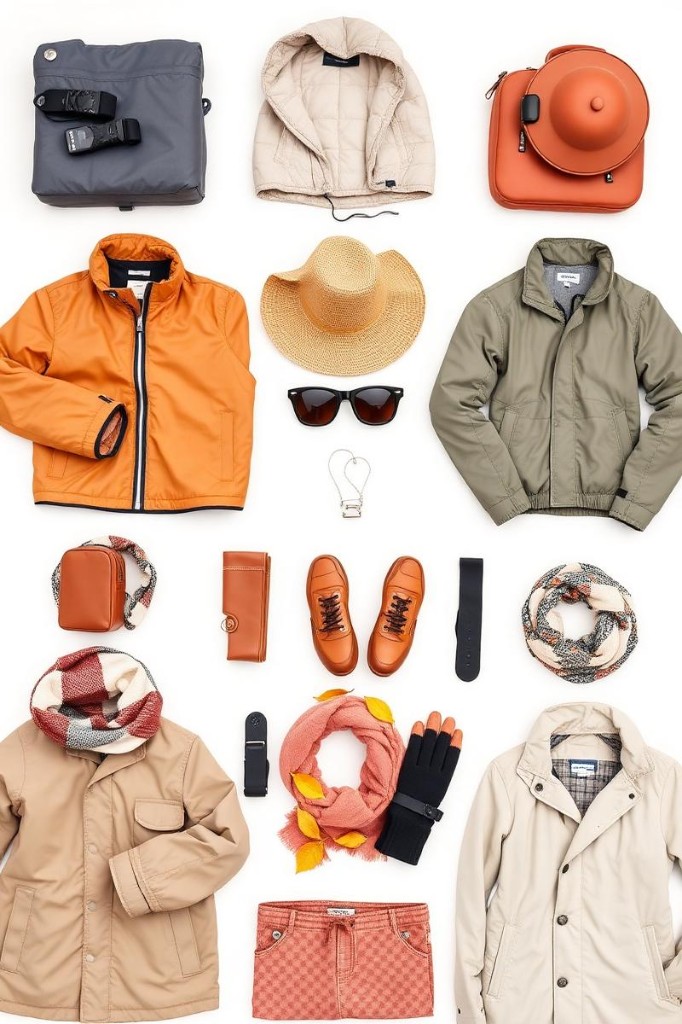
Travel clothing and gear by season

💰 Seasonal budget

PeriodAccommodation (€)Transport (€)Activities (€)Crowds (/5)Budget Tips
Winter (Dec-Feb)80-150400-800100-2002/5Reduced rates, ski packages
Spring (Mar-May)100-180500-90080-1503/5Avoid Easter, book early
Summer (Jun-Aug)150-300700-1200150-3005/5Book 6 months ahead
Autumn (Sep-Nov)120-200600-1000100-1804/5Avoid mid-October, be flexible

💡 Money-saving tips

  • Avoid July-August: Rates up to 40% higher in high season
  • Book in advance: Significant savings on flights and accommodation 3-6 months prior
  • Enjoy winter: Significant discounts outside of ski activities
  • Date flexibility: Avoid long weekends and public holidays
  • Regional packages: Combine transport and activities to optimize costs

🏥 Health and precautions

  • Sun protection: SPF 50+ sunscreen mandatory (snow/water reflection), UV sunglasses
  • Hydration: Dry winter air and high-altitude exertion require increased water intake
  • Hypothermia prevention: Technical clothing, energy-dense food, recognize early signs
  • Mosquitoes/ticks: DEET repellent, covering clothing in forests (May-September)
  • Altitude: Gradual acclimatization in mountains, monitor for headaches
  • Travel insurance: Essential for potentially high medical costs

Canadian Events & Festivals

Cultural calendar and festivities not to be missed in Canada

Seasonal events punctuate Canadian life and enrich the travel experience by revealing the festive and cultural soul of the country.

🎿 Quebec Winter Carnival (February)

The world's largest winter carnival transforms Quebec City into a festive capital with monumental ice sculptures, colorful parades, and traditional winter activities. The warm atmosphere contrasts beautifully with the winter cold, creating an authentically Quebecois experience.

Location: Old Quebec and the Plains of Abraham

Highlight: Bonhomme Carnaval mascot, ice castle, ice canoe racing on the river

Climate Impact: Temperatures of -15°C / 5°F are ideal for maintaining sculptures; guaranteed snow for activities

🎵 Montreal International Jazz Festival (June-July)

Recognized as the world's largest jazz festival by Guinness, it brings Montreal to life with over 500 free outdoor concerts. The event turns the city center into a giant stage where all musical styles resonate in an incomparable summer atmosphere.

Location: Quartier des Spectacles, downtown Montreal

Highlight: Free outdoor concerts, international artists, street festival vibe

Climate Impact: Stable summer weather allows for outdoor concerts; mild evenings extend the festivities

🍁 Tremblant Fall Colors Festival (September-October)

A celebration of the Quebec autumn in an exceptional mountain setting with a panoramic gondola, guided hikes, and local tastings. The event coincides with the peak of autumn foliage for an unforgettable visual experience.

Location: Mont-Tremblant, Laurentians

Highlight: Aerial view of the colors, family activities, local gastronomy

Climate Impact: Dependent on weather conditions for color intensity; a short and precious window

Seasonal events

Winter: • Winterlude Ottawa (February) • Igloofest Montreal (January-March) • Yukon Quest (February)

Spring: • Sugar Shack Season Quebec (March-April) • Canadian Tulip Festival Ottawa (May) • Whale Festival Tadoussac (May)

Summer: • Calgary Stampede (July) • Edmonton Folk Music Festival (July) • Just for Laughs Montreal (July)

Autumn: • Toronto International Film Festival (September) • Kitchener Oktoberfest (October) • Niagara Harvest Wine Festival (September)

Responsible Travel in Canada

Canada, a pioneer in conservation and sustainable development, invites you to practice tourism that respects its fragile ecosystems and local communities.

Traveling responsibly in Canada means respecting wildlife in its natural habitat, minimizing your impact on fragile northern ecosystems, and supporting Indigenous communities who are the guardians of these ancestral lands.

🌱 Low-season advantages

Choosing the off-season reduces pressure on natural sites, lowers your carbon footprint through spread-out visitation, and supports the local economy during quiet periods.

♻️ Sustainable travel tips

  • Transport: Favor VIA Rail trains, carpooling, and longer stays to reduce air travel impact
  • Accommodation: Choose certified eco-lodges, responsible camping, and local accommodations
  • Wildlife: Respect safety distances, do not feed animals, use certified guides
  • Waste: Leave No Trace principle, systematic recycling, plastic reduction
  • Water: Responsible management of precious resources, natural purification
  • Communities: Support Indigenous crafts and authentic cultural experiences

🏙️ Local sustainable initiatives

Canada develops forest carbon offset programs, supports Indigenous conservation initiatives, and promotes certified ecotourism in its national parks with strict environmental standards.

Our Expert Recommendations

Expert recommendations for your trip to Canada

After analyzing climate data, tourist traffic, and seasonal costs, our experts guide you to the optimal periods based on your priorities. These recommendations are based on fifteen years of meteorological observation and traveler feedback to ensure a successful Canadian experience.

🏆 Optimal Period: June to August

Recommended Months: June, July, August

Advantages:

  • Stable weather and pleasant temperatures (15-25°C / 59-77°F)
  • All national parks and attractions accessible
  • Perfect conditions for camping and hiking
  • Numerous festivals and cultural events
  • Very long days (up to 19 hours of daylight)

Disadvantages:

  • High prices and heavy tourist traffic
  • Reservations required several months in advance

Ideal Profile: Families with children, first-time visitors to Canada, outdoor activity enthusiasts

⚖️ Balanced Alternative: September to mid-October

Alternative Months: September, early October

Description: This period combines the best of both worlds with spectacular autumn colors, still-mild temperatures, and reduced crowds.

Specific Advantages:

  • World-unique autumn foliage display
  • Pleasant daytime temperatures (10-20°C / 50-68°F)
  • More affordable rates than in summer
  • Exceptional photographic lighting
  • Fewer mosquitoes than in summer

👥 Tips for your travel style

👨‍👩‍👧‍👦 Families with children: July-August for stable weather and adapted activities. Avoid school holiday periods for better rates.

💰 Budget traveler: January-March or November for reduced rates. May-June for a price/weather compromise.

🏔️ Adventure lover: June-September for hiking, December-March for winter sports and Northern Lights.

✨ Luxury traveler: September for autumn colors and premium services, February for exclusive winter experiences.

📸 Photographer: September-October for colors, December-March for Northern Lights, June for the midnight sun in the north.

⚠️ Periods to avoid:

  • November-March: Extreme cold (-25°C / -13°F), short days, numerous closures
  • Mid-April to May: Unpredictable weather, seasonal mud, mountain roads closed
  • Late October: Faded colors, unstable weather, gradual closure of services

Cities to explore

Discover the must-sees of urban travel

All cities

Frequently Asked Questions

Find answers to essential questions for planning your trip to Canada based on optimal weather conditions.

When is the best time to see the Northern Lights in Canada?

The Northern Lights are visible from September to March with peak activity in October-November and February-March. The best conditions are found in the Northwest Territories, the Yukon, and northern Alberta. You need clear, dark nights (a new moon is ideal) and minimal light pollution. Yellowknife offers 240 nights of aurora activity per year.

When should I travel to avoid mosquitoes in Canada?

Mosquitoes are active from May to September with a peak in June-July. To avoid them, favor October to April or windy coastal areas. In summer, choose high-altitude accommodations, use DEET repellents, and wear covering clothing in forests and near water.

Can you visit Canadian national parks in winter?

Yes, but with significant limitations. Banff and Jasper remain accessible for skiing and snowshoeing. Several roads close (Icefields Parkway is partially closed). Services are reduced and cold-weather gear is mandatory. Eastern parks like Algonquin offer specialized winter activities. Check conditions before departure.

What temperatures should I expect during the seasons in Canada?

Winter: -25°C to -5°C / -13°F to 23°F (up to -40°C / -40°F in the Prairies). Spring: 0°C to 18°C / 32°F to 64°F with significant variations. Summer: 15°C to 30°C / 59°F to 86°F (sometimes 35°C+ / 95°F+ in Ontario). Autumn: 5°C to 20°C / 41°F to 68°F early on, then a rapid drop. The Pacific Coast remains milder year-round (3°C to 23°C / 37°F to 73°F).

How much time should I plan for a first trip to Canada?

For a first trip, plan for 15-21 days minimum to discover 2-3 main regions. One week allows you to see one region (the Rockies OR Eastern Canada). Three weeks allow for a complete East-West circuit. The vastness of the territory requires travel time: Toronto to Vancouver is a 4.5-hour flight. Prioritize quality over quantity.