When to visit Ottawa? City-Trip Guide

Between magical winter festivals and lush green summers, Ottawa reveals a unique atmosphere depending on the season.

  • 1.4 M population
  • English, French language
  • 159 days rainy days/year
  • May to September best time to visit
  • 3 to 5 days recommended stay

Ottawa Climate and Weather

Understanding Ottawa's humid continental climate

Ottawa enjoys a humid continental climate with harsh winters and warm summers. The proximity of the Ottawa River influences temperatures, creating a moderate urban microclimate. The urban heat island effect slightly mitigates thermal extremes in the city center.

  • City Center: Slightly milder temperatures due to the urban effect
  • Ottawa Valley: River influence moderating temperatures
  • Outskirts: More continental climate with accentuated temperature fluctuations
MonthMin/Max Temp. (°C / °F)Precipitation (mm)Sunshine (h/day)Tourist TrafficRecommended Activities
January-15/-6°C / 5/21°F743Rideau Canal skating, museums
February-13/-4°C / 9/25°F634⭐⭐Winterlude, winter activities
March-7/2°C / 19/36°F745⭐⭐Transition, museums, first cafes
April1/11°C / 34/52°F786⭐⭐Parks, first festivals
May8/19°C / 46/66°F867⭐⭐⭐Tulip Festival, terraces
June13/24°C / 55/75°F938⭐⭐⭐⭐Summer festivals, cycling
July16/27°C / 61/81°F899⭐⭐⭐⭐⭐Festivals, cruises, terraces
August15/26°C / 59/79°F918⭐⭐⭐⭐⭐Outdoor, festivals, markets
September10/21°C / 50/70°F836⭐⭐⭐Autumn colors, cycling
October4/14°C / 39/57°F814⭐⭐Colorful parks, museums
November-2/7°C / 28/45°F812Museums, shopping, cafes
December-10/-2°C / 14/28°F842⭐⭐Christmas markets, skating

Ottawa's modest altitude variations (70-150m / 230-492ft) only marginally influence the urban climate, but the nearby Gatineau Park offers cooler microclimates.

The Four Seasons

Must-sees by Weather

Optimize your stay by choosing your attractions according to weather conditions. Ottawa offers a remarkable diversity of activities adapted to all types of weather.

☔ On cloudy/rainy days

Indoor & Protected

Rainy days reveal Ottawa's exceptional cultural heritage with its world-class museums.

Must-see sites:
🏛️ Canadian Museum of History (3-4h, $20, all year)
🎨 National Gallery of Canada (2-3h, $16, permanent collections)
🏛️ Canadian Museum of Nature (2h, $14, perfect for families)
🏢 Rideau Centre (covered shopping, free, varied restaurants)
🎭 National Arts Centre (shows, rich programming)
📚 Central Library (modern architecture, free wifi)
🍺 Local breweries (tasting, warm atmosphere)

Practical tip: The Museum Pass ($35) gives access to 3 major museums

Additional tip: Connect museums via the downtown underground tunnels in winter

☀️ In good weather

Optimal Outdoor

The sun reveals all the architectural and natural beauty of the Canadian capital.

Sites to prioritize:
🏛️ Parliament Hill (free tour, panoramic view, 1-2h)
🌊 Rideau Canal (cycling/walking, UNESCO, all day)
🌸 Major's Hill Park (picnic, castle view, 1h)
🚤 Ottawa River Cruises (1.5h, $25, May-October)
🚴 Capital Pathways (200km / 124mi of bike paths)
🌳 Gatineau Park (hiking, 20min from city center)
🏰 Château Laurier (exterior photos, architecture)

Best time of day: Golden hour at sunset for photos of the illuminated Parliament

Seasonal tip: Avoid July-August midday for outdoor visits (intense heat)

🌤️ Versatile for all weather

Flexible

These sites combine covered and open spaces to adapt to changing weather.

Adaptable sites:
🏬 ByWard Market (covered + terraces, local atmosphere)
🏛️ Canada Aviation and Space Museum (hangar + exterior, demonstrations)
🏰 Rideau Hall (interior + gardens, Governor's residence)

Weather tip: Start outside if it clears up, retreat inside if it worsens

Example itinerary: Morning ByWard Market (covered breakfast) → Parliament (if sunny) → Museum (if raining)

💰 Free or budget-friendly

No cost

Free sites:
🏛️ Parliament Tour (free, online booking)
🌳 All urban parks (Major's Hill, Confederation)
🚶 Sussex Drive (architecture, embassies)
🎪 Numerous summer festivals (free programming)

Free days: National museums free for under 18s

Budget tips: Panoramas from Nepean Point, local markets, Glebe neighborhood for alternative shopping

Practical Guide

Prepare your city trip with our tips adapted to Ottawa's climate specifics. The capital requires seasonal preparation to fully enjoy its urban and natural attractions.

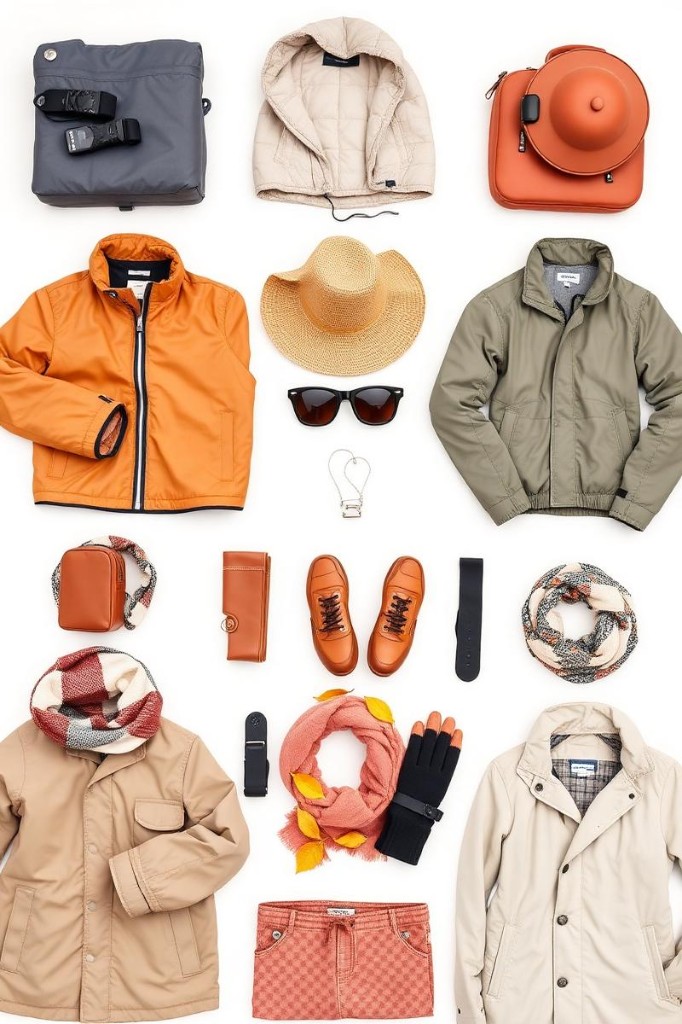
👕 Seasonal packing

Winter: • Waterproof non-slip boots • Extreme cold coat (-20°C / -4°F) • Gloves, hat, scarf • Multiple layers • Portable hand warmers

Spring: • Lightweight waterproof jacket • Waterproof shoes • Layered clothing • Compact umbrella

Summer: • Comfortable walking shoes • Hat, sunglasses • Breathable clothing • Lightweight evening jacket • Sun protection

Autumn: • Grippy shoes • Mid-season jacket • Lightweight raincoat • Scarf for morning chill
Travel clothing and gear by season

💰 Seasonal budget

PeriodCity Accommodation (€/night)Transport (€/day)Restaurants (€/day)Attractions (€)Crowds
Winter80-120835-5015-25
Spring100-150840-6015-25⭐⭐
Summer150-2501050-8020-30⭐⭐⭐⭐⭐
Autumn90-140835-5515-25⭐⭐

💡 Money-saving tips

City Pass: Museum Pass ($35) pays off after 2 museum visits • Restaurants: Lunch menus are 40% cheaper than dinner • Accommodation: Glebe or Hull (Gatineau) neighborhoods are more affordable • Free: Numerous summer festivals, Parliament tours • Transport: OC Transpo Day Pass ($8) for unlimited bus-train travel

🏥 Health and precautions

Winter: Protect extremities against frostbite, anti-cold moisturizer • Spring: Urban pollen allergies, antihistamines • Summer: Increased hydration for humid heat, UV protection • Walking: Adapted shoes (10-15km / 6-9mi per day average) • Emergencies: Civic Hospital 24h, Shoppers Drug Mart pharmacies

Urban Events

Ottawa's essential event calendar

Cultural events define life in Ottawa and transform the urban atmosphere. They significantly influence visitor numbers and accommodation rates.

Canadian Tulip Festival (May)

The world's largest tulip festival transforms Ottawa into a giant garden with 3 million bulbs. The event celebrates the royal Dutch gift and marks the arrival of spring in the capital.

Location: Commissioners Park, Dow's Lake, city center
Unique Feature: Only festival in the world dedicated exclusively to tulips
Climate Impact: Tripled attendance, accommodation booked 2 months in advance, rates +50%
Transport Access: Special shuttles from O-Train stations
Advance Tip: Booking accommodation from February is mandatory
Winterlude (February)

Canada's largest winter festival transforms Ottawa into a world winter capital. Monumental ice sculptures, snow castles, and family activities create a unique magical atmosphere.

Location: Rideau Canal, Jacques-Cartier Park, city center
Unique Feature: World's largest natural skating rink (7.8 km / 4.8 mi)
Climate Impact: Revitalizes off-season, hotels full on weekends, nightlife animation
Transport Access: Rideau and Bayview stations near main sites
Advance Tip: Extreme cold clothing essential, heated accommodation priority
Ottawa Jazz Festival (June-July)

A major musical event turning the city center into a giant stage. Over 300 free and paid concerts in 50 different venues create exceptional cultural excitement.

Location: Confederation Park, Sparks Street, city center venues
Unique Feature: 60% of concerts are entirely free
Climate Impact: Peak summer attendance, crowded terraces, intense nightlife
Transport Access: City center walkable, Parliament and Rideau stations
Advance Tip: Programming in April, premium city center accommodation during the period

Seasonal events

Winter: • Parliament Christmas Lights (Dec-Jan) • World Junior Hockey Tournament (Dec) • ByWard German Christmas Market (Dec)

Spring: • Earth Day activities (Apr) • Canadian Film Festival (Apr-May)

Summer: • Canada Day at Parliament Hill (July 1st) • Franco-Ontarian Festival (June) • Hydroplane Races (Aug)

Autumn: • Nuit Blanche (Sept) • Gatineau Autumn Colors Festival (Oct)

Responsible City-Trip

Ottawa prioritizes sustainable urban tourism that respects the environment. Your seasonal choices directly impact urban congestion and the carbon footprint of your stay.

The Canadian capital focuses on soft mobility and urban ecotourism. Prioritize electric public transport, local businesses at ByWard Market, farm-to-table restaurants, and Green Key certified accommodations. Respect the numerous urban green spaces and avoid summer overtourism.

🌱 Low-season advantages

Visiting Ottawa outside of July-August significantly reduces environmental impact: less transport congestion, authentic experience with residents, fair rates, preservation of urban natural sites, reduced carbon footprint.

♻️ Sustainable travel tips

Transport: Electric O-Train, BIXI bikes, compact walking center • Dining: ByWard Market local producers, Ocean Wise certified restaurants • Accommodation: Green Key hotels, local Glebe B&Bs • Activities: Urban parks, UNESCO heritage Rideau Canal • Shopping: Local artisans, avoid imported souvenirs • Waste: General selective sorting, reusable water bottle

🏙️ Local sustainable initiatives

Ottawa is actively developing its sustainable ecosystem: BIXI electric bike network, expanded Sparks Street pedestrian zones, intensive urban greening, municipal composting, weekly farmers' markets, progressive Green Destination certification, 100% electric public transport by 2027.

Our Recommendations

Recommendations for your city trip to Ottawa

After analyzing climate data, tourist traffic, and cultural events, our recommendations optimize your Ottawa experience. The capital offers distinct attractions depending on the season, requiring planning adapted to weather conditions and urban animation to maximize discovery and comfort.

Optimal Period: May to September

Advantages:
• Pleasant temperatures 8°C to 27°C / 46°F to 81°F
• All attractions accessible
• Numerous festivals and events
• Terraces and outdoor activities at their best
• Long sunny days

Key Events: Tulip Festival (May), Jazz (June-July), Canada Day (July)

Disadvantages: High traffic in July-August, high accommodation rates

Ideal Profile: First visit, families, festival lovers

Stay Duration: 4-5 days recommended
Interesting Alternative: September-October

September-October offer the best quality-price compromise with spectacular autumn colors, reduced crowds, and moderate rates. Temperatures are still mild for outdoor activities.

Specific Advantages: Fewer tourists, accessible prices, exceptional photography, authentic atmosphere

For Whom: Couples, photographers, medium budgets, urban nature lovers

👥 Tips for your travel style

Family: May-August, Gatineau accommodation, Museum of Nature activities, Rideau Canal
Budget: October-April, Glebe hostels, free attractions, public transport
Culture: All year, city center, museum passes, seasonal events
Romantic: February (Winterlude) or September, Château Laurier, cruises
Weekend: May or September, city center, walking, major sites
First Trip: June-August, proximity to attractions, guided tours, favorable weather

Periods to Avoid: November-March

November-March present major climate challenges: intense cold, short days, some attractions closed

Reasons: Extreme temperatures (-15°C / 5°F), heavy snow, limited outdoor activities

Nuances: February is acceptable for winter sports enthusiasts and Winterlude

Villes du même pays

All cities

Frequently Asked Questions

Answers to essential questions for planning your city trip based on Ottawa's climate and urban specifics.

What is the best month to visit Ottawa?

May and September offer the best balance of weather, crowds, and prices. May features the Tulip Festival and mild temperatures, while September offers autumn colors and moderate rates. July-August are climatically optimal but very busy. Avoid November-March unless specifically for winter sports.

How many days should I plan for Ottawa?

3-4 days minimum for essential sites: Parliament, major museums, Rideau Canal, ByWard Market. 5-7 days allow for including Gatineau, festivals, and seasonal activities. A weekend is enough for a focused first approach to the city center. Adjust according to your desired pace and special events.

What to do in Ottawa when it rains?

Ottawa excels in indoor attractions: Museum of History, National Gallery, Museum of Nature, Rideau Centre shopping, downtown underground tunnels. Local breweries, Central Library's modern architecture, National Arts Centre. The Museum Pass ($35) optimizes rainy days with multiple access to covered sites.

Which events should not be missed in Ottawa?

Canadian Tulip Festival (May) (world unique), Winterlude (February) (Canada's largest winter festival), Jazz Festival (June-July) (300 concerts, 60% free), Canada Day (July 1st) (national celebrations on Parliament Hill). Each season offers specific events that transform the urban atmosphere.

What budget should I expect depending on the season?

Winter: €120-180/day (budget accommodation, affordable restaurants). Spring/Autumn: €150-220/day (moderate rates). Summer: €200-300/day (peak rates, festivals). Includes city accommodation, meals, transport, attractions. Savings possible: Gatineau accommodation, lunch menus, transport passes, numerous free sites.